Size Chart for Necklaces: Fit, Care & Cleaning Guide
Master the size chart for necklaces while learning length-specific care, cleaning routines, and maintenance tips to protect your jewelry.

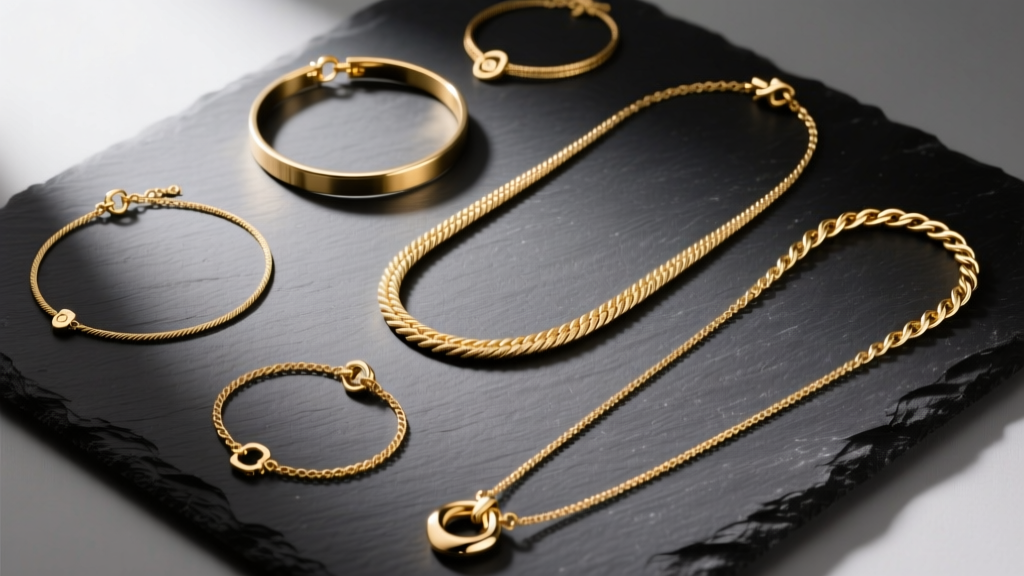
When building a curated jewelry collection, most enthusiasts obsess over carat weights, metal purities, and gemstone origins. Yet, the structural longevity of your pieces is inextricably linked to their physical dimensions. Consulting a comprehensive size chart for necklaces is not just about achieving the perfect aesthetic drape for your neckline; it is the critical first step in understanding the unique mechanical stresses, chemical exposures, and maintenance protocols required for each specific length. In 2026, as jewelry designs incorporate more complex micro-pave settings and mixed-metal alloys, understanding how a necklace's length dictates its wear-and-tear profile is essential for preserving your investment.
The Definitive Size Chart for Necklaces & Wear-Tear Matrix
Before diving into chemical cleaning solutions and ultrasonic warnings, we must map the physical environment each necklace length occupies. The following matrix correlates standard industry sizing with its primary maintenance vulnerability, allowing you to proactively address failure points before they result in broken chains or ruined gemstones.
| Length | Style Name | Skin Contact | Primary Maintenance Risk |
|---|---|---|---|
| 12-13 inches | Collar | Extreme | Cosmetic degradation, clasp friction, metal fatigue |
| 14-16 inches | Choker | High | Sweat pooling, silver tarnishing, lotion buildup |
| 17-19 inches | Princess | Moderate | Pendant bail wear, chain kinking, friction abrasion |
| 20-24 inches | Matinee | Low | Desk snagging, lever-action clasp stress |
| 28-36 inches | Opera | Minimal | Thread stretching, link tension, pendulum swing |
| 37+ inches | Rope | None | Wrapping hazards, knot slippage, weight distribution |
Collars and Chokers (12-16 Inches): The High-Sweat Zone
Collars and chokers sit flush against the neck, placing them in the 'high-sweat zone.' This constant skin contact creates a micro-environment of body heat, humidity, and natural oils. For 925 sterling silver chokers, this is a maintenance nightmare. Human sweat contains trace amounts of hydrogen sulfide and ammonia, which accelerate the oxidation process, causing silver to tarnish exponentially faster than pieces worn further down the chest.
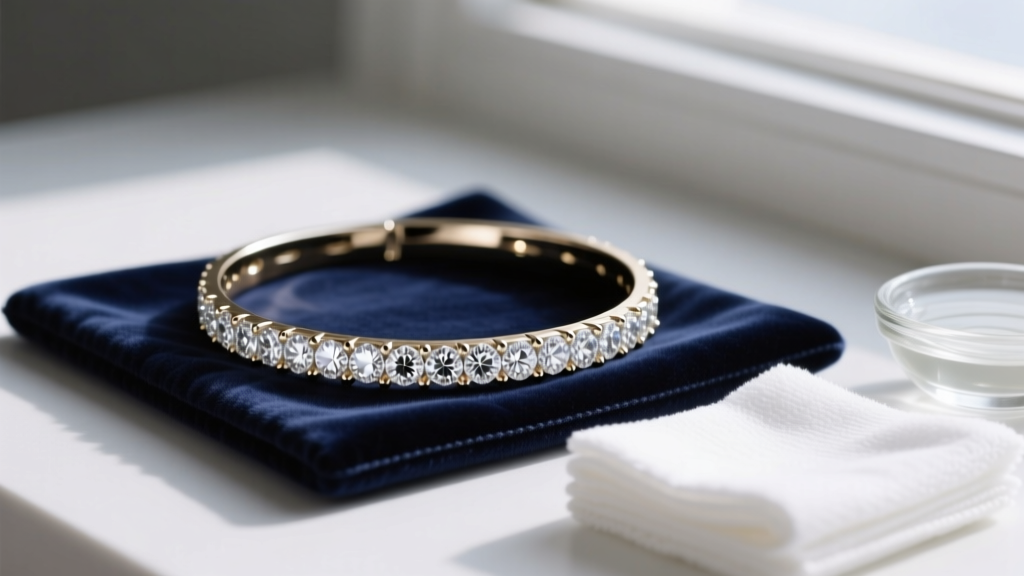
Furthermore, chokers are frequently exposed to cosmetics, perfumes, and hairsprays. The alcohol and volatile organic compounds (VOCs) in these products can strip the rhodium plating off white gold and degrade the porous surfaces of organic gems like pearls or coral. Care Protocol: Chokers must be wiped down with a lint-free microfiber cloth immediately after removal. For deeper cleaning, use a pH-neutral solution (like diluted Dawn dish soap) and a soft baby toothbrush. Avoid ultrasonic cleaners for chokers featuring tension-set stones or fracture-filled diamonds, as the 40kHz frequency vibrations can easily dislodge stones that have been weakened by daily neck friction.
Princess and Matinee (18-24 Inches): Mechanical Stress Points
The Princess (18-inch) and Matinee (20-24 inch) lengths are the most versatile, but they occupy the 'friction zone.' Because these lengths rest on the collarbone or upper chest, they are subject to the 'pendulum effect.' Every time you walk, lean forward, or reach across a desk, the pendant swings, creating microscopic friction at the bail (the loop connecting the pendant to the chain).
Over time, this friction acts like a saw, wearing down the metal of the bail and the chain link it passes through. According to master jewelers, bail wear is the number one cause of lost pendants in the 18-24 inch category. Additionally, matinee-length chains are highly susceptible to desk-snagging. When a 24-inch chain catches on a drawer handle or laptop edge, the sudden tensile stress is transferred directly to the weakest point in the chain—usually the jump ring connecting the chain to the clasp. Maintenance Tip: Inspect your pendant bails and jump rings every six months. If the metal has thinned by more than 20%, a jeweler can reinforce it using laser welding, which offers a stronger, more precise bond than traditional soldering.
Opera and Rope (28-36+ Inches): Tension and Thread Degradation
Opera and rope-length necklaces offer dramatic elegance, but their extreme length introduces severe mechanical vulnerabilities. The longer the chain or strand, the more kinetic energy it generates when in motion. A 36-inch opera necklace caught on a doorknob generates up to three times the lever-action stress on the clasp compared to an 18-inch princess chain. This is why heavy rope chains should always be secured with a locking lobster clasp or a custom box clasp with a figure-eight safety, rather than a standard spring-ring clasp which has a high failure rate under sudden tension.
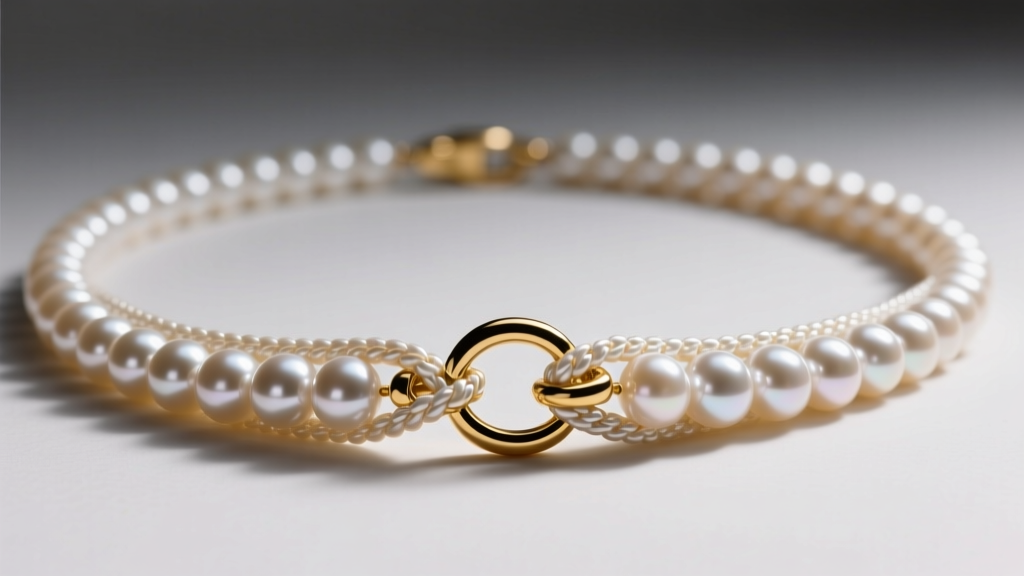
For strung opera-length pearl or gemstone bead necklaces, the primary enemy is silk thread hydrolysis. Silk is a natural protein fiber that degrades when exposed to moisture and the natural acidity of skin oils over time. The Gemological Institute of America (GIA) notes that heavy bead strands can stretch the silk thread by 1 to 2 millimeters per year. If you wear a 32-inch pearl opera necklace weekly, the silk will stretch, causing gaps between the knots and increasing the risk of the thread snapping. Care Protocol: Opera-length strung necklaces must be professionally re-strung every 18 to 24 months. Never hang them by the clasp in storage, as gravity will permanently stretch the wet or humid silk fibers.
Material-Specific Cleaning Protocols by Length
While length dictates the type of physical stress a necklace endures, the material dictates the chemical cleaning protocol. Cross-referencing your necklace's length with its material composition ensures you do not accidentally ruin a piece during routine maintenance.
- 14k and 18k Gold (All Lengths): Gold is highly resistant to tarnish but prone to micro-scratches. For collars and chokers that accumulate heavy sebum (skin oils), soak in a solution of warm water and a few drops of ammonia-free jewelry cleaner for 15 minutes. Rinse thoroughly and pat dry.
- 925 Sterling Silver (Chokers & Princess): To combat rapid tarnishing in high-contact lengths, store silver chokers in anti-tarnish cloth pouches infused with silver nitrate inhibitors. Clean with a specialized silver polishing cloth, moving in straight lines rather than circles to avoid highlighting micro-scratches.
- Platinum (Matinee & Opera): Platinum is incredibly durable and develops a natural patina over time. Because longer platinum chains are heavy and expensive to repair, use a mild ultrasonic cleaner only if the piece contains no porous gemstones (like emeralds or opals). The GIA Gem Care Guidelines recommend professional polishing to restore the high-gloss finish.
Expert Troubleshooting: When to See a Jeweler
'Many clients bring in broken 24-inch matinee chains assuming the metal was defective. In reality, the chain was subjected to repetitive lever-action stress from catching on clothing or furniture. If you notice a jump ring near the clasp looking slightly oval instead of perfectly round, or if your clasp spring feels 'mushy' when depressed, stop wearing the piece immediately. These are early warning signs of metal fatigue that a jeweler can fix in five minutes for a fraction of the cost of replacing a lost pendant.'
— Master Bench Jeweler, Jewelers of America Affiliate
Storage Framework: Preserving the Drape
Proper storage is the final pillar of necklace maintenance, and it must be adapted to the size chart for necklaces you utilize. Chokers and collars should be laid flat in a velvet-lined drawer to prevent the rigid metal from warping or the clasp from pressing into the links. Princess and matinee chains must be hung on individual padded hooks to prevent tangling, which causes severe kinking in delicate chains like the serpentine or box styles. Opera and rope lengths should be loosely coiled in a circular motion and placed in a dedicated soft pouch; never fold them in half, as this creates a permanent weak point in the chain's structural memory.
By understanding the intersection of fit, physics, and material science, you can transition from simply wearing jewelry to actively preserving it. Reference this guide and your personal size chart for necklaces to anticipate maintenance needs, ensuring your collection remains pristine for decades to come.


