Necklace Sterling Silver Value: 2026 Budget & Pricing Guide
Discover the true value of a necklace sterling silver piece in 2026. We break down pricing tiers, alloy grades, and red flags to protect your budget.

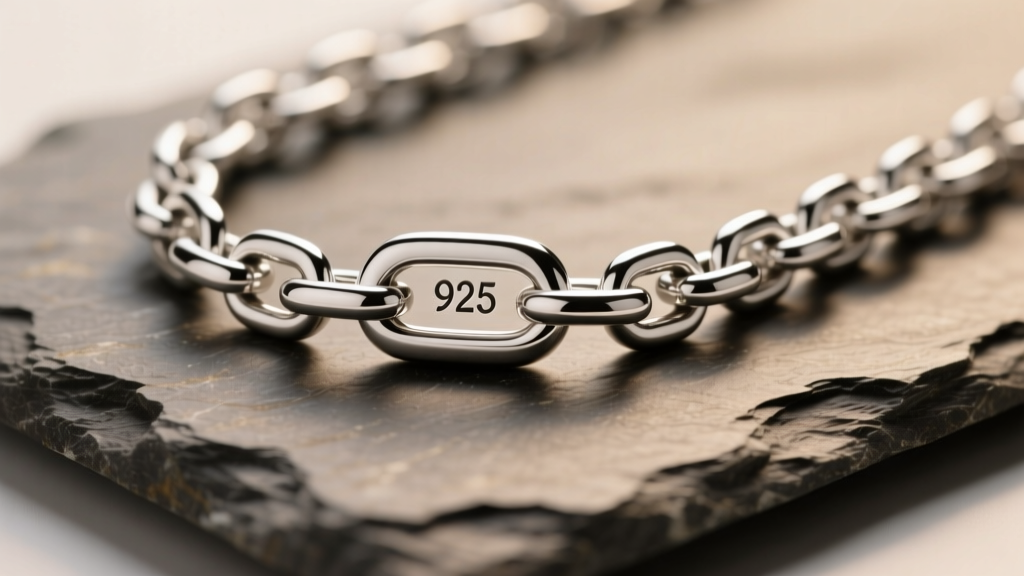
The search for the perfect necklace sterling silver enthusiasts recommend often comes down to understanding the intersection of raw material costs, craftsmanship, and brand markup. In 2026, with precious metal markets experiencing notable volatility, consumers are increasingly scrutinizing their jewelry purchases. Is that $250 designer chain actually worth the premium, or are you simply paying for a recognizable logo stamped onto a $15 piece of metal? As a budget and value assessment guide, this article strips away the marketing fluff to reveal the true economics of silver jewelry, empowering you to make mathematically sound purchasing decisions.
The True Cost Breakdown of a Silver Necklace
To assess value, we must first look at the commodity baseline. In early 2026, the spot price of silver hovers around $30 per troy ounce. Because one troy ounce equals 31.1 grams, the raw elemental silver costs approximately $0.96 per gram. Consider a standard, solid 18-inch rope chain that weighs 15 grams. The intrinsic melt value of the raw silver in that piece is roughly $14.40.
When a retailer prices that 15-gram chain at $180, you are not paying for the silver itself; you are paying for manufacturing, design, overhead, and margin. Understanding where your money goes is the first step in evaluating a necklace sterling silver buyers can trust.
| Cost Component | Mass Market ($30-$60) | Artisan / Independent ($80-$180) | Luxury Designer ($300+) |
|---|---|---|---|
| Raw Silver Value (15g) | $14.40 | $14.40 | $14.40 |
| Manufacturing & Labor | $2.00 (Machine-cast) | $45.00 (Hand-soldered) | $90.00 (Heritage Craft) |
| Brand Markup & Marketing | 150% | 40% | 1500%+ |
| Value Verdict | High risk of hollow links | Best weight-to-price ratio | Paying strictly for prestige |
Decoding the Alloys: 925 vs. Argentium vs. Plated
Pure silver (999 fine) is too malleable for daily wear; it will stretch, dent, and lose its shape. Therefore, it must be alloyed with other metals to provide tensile strength. According to the Gemological Institute of America (GIA), understanding these alloy compositions is vital for assessing long-term wearability and value.
Standard 925 Sterling Silver
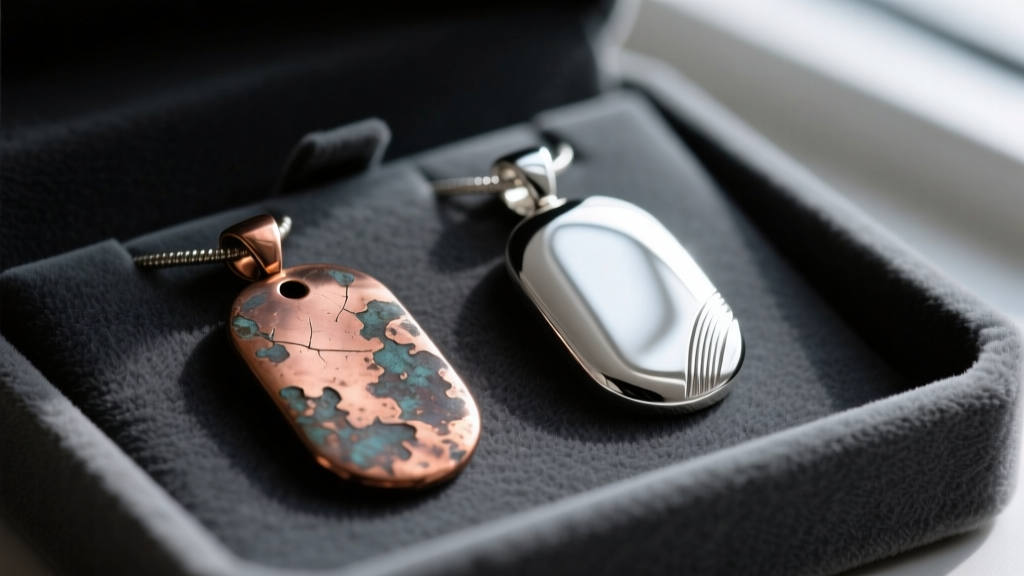
The industry standard is 925 silver, meaning 92.5% elemental silver and 7.5% copper. Copper provides excellent durability but introduces a major failure mode: oxidation. When the copper in the alloy reacts with sulfur and moisture in the air, it creates black silver sulfide—commonly known as tarnish. While 925 offers the best traditional value, it requires regular polishing and proper storage in anti-tarnish cloth pouches.
Argentium Silver: The Premium Upgrade
Argentium silver replaces a portion of the copper with germanium. This proprietary alloy is highly tarnish-resistant, hypoallergenic, and possesses a brighter, whiter luster that more closely mimics platinum. While an Argentium necklace sterling silver collectors seek out will cost 20% to 30% more upfront than standard 925, the elimination of maintenance costs and the extended lifespan of the polish make it a superior long-term value for daily-wear pendants and chains.
The Rhodium Plating Factor: Value Add or Hidden Cost?
Many high-end silver necklaces are plated with rhodium, a rare platinum-group metal that provides a brilliant, mirror-like finish and a temporary shield against tarnish. However, not all plating is created equal, and this is where many consumers are overcharged.
- Flash Plating (0.01 - 0.05 microns): Often found in cheap mall-kiosk jewelry. This microscopic layer wears off within weeks, especially at high-friction areas like the clasp and jump rings, revealing the duller silver beneath.
- Standard Plating (0.1 - 0.3 microns): Acceptable for occasional-wear pendants, but will eventually wear through with daily use.
- Heavy Plating (0.5 - 1.0+ microns): The hallmark of quality jewelry. This thickness can withstand years of daily wear. When assessing a piece, always ask the jeweler for the exact micron thickness of the rhodium layer. If they cannot answer, assume it is flash-plated.
2026 Pricing Tiers: What Should You Actually Pay?
To maximize your budget, use the Weight-to-Price Ratio framework. Divide the total retail price by the gram weight of the necklace. A fair market multiplier for quality, solid silver chains in 2026 ranges from $4 to $12 per gram, depending on the complexity of the weave.
Chain Style Value Benchmarks
- Paperclip & Cable Chains: Simple, machine-made links. Expect to pay $3 to $5 per gram. A 10-gram chain should cost between $30 and $50.
- Cuban & Curb Links: Requires more metal and diamond-cutting for light reflection. Fair value is $6 to $9 per gram. A heavy 30-gram Cuban link should range from $180 to $270.
- Byzantine & Figaro Weaves: Intricate, often hand-soldered patterns. Fair value is $10 to $15 per gram due to the intensive labor required to interlock the complex links without kinking.
Red Flags: Spotting Overpriced or Fake Silver
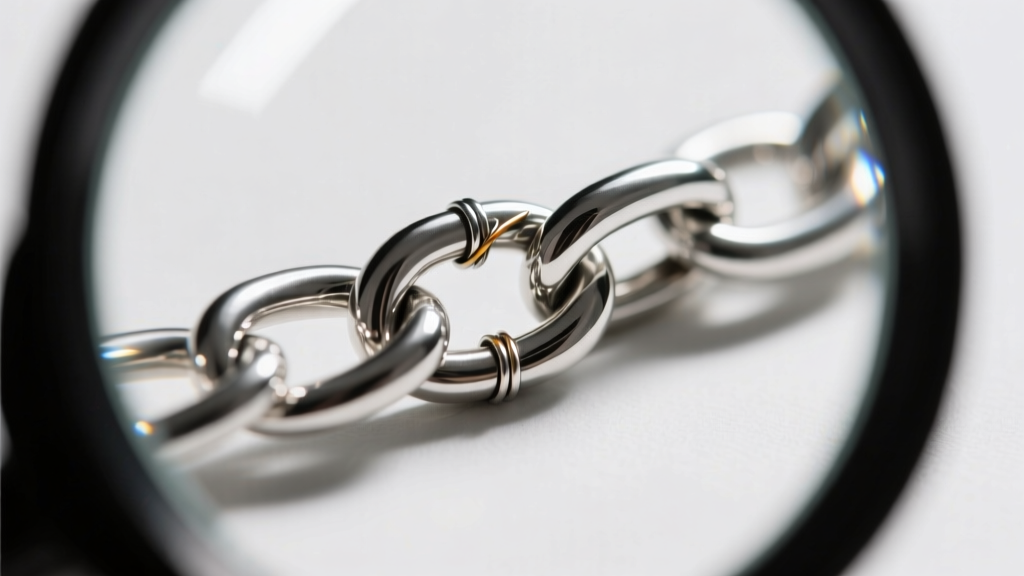
The Federal Trade Commission (FTC) strictly regulates precious metal markings to protect consumers from deceptive practices. When shopping, be highly suspicious of the following terms, which are frequently used to mask base metals:
- "Silver Tone" or "Silver Colored": Contains zero elemental silver. Usually brass or zinc alloy plated with a microscopic silver wash.
- "Tibetan Silver" or "Nepalese Silver": Historically contained low-grade silver, but modern commercial versions are almost entirely copper, nickel, and zinc alloys that can cause severe contact dermatitis.
- "Nickel Silver" (German Silver): A misleading term for a copper-nickel-zinc alloy. It contains no actual silver and is a common allergen.
- Missing Hallmarks: Genuine pieces must bear a "925", ".925", or "STER" stamp. If a necklace lacks a hallmark on the clasp or end ring, walk away.
Final Verdict: Maximizing Your Silver Investment
Evaluating a necklace sterling silver buyers will cherish for decades requires looking past the display case lighting and focusing on the metallurgy. For the ultimate budget-conscious buyer, purchasing un-plated, solid 925 chains from independent, transparent artisans offers the highest intrinsic value. You pay for the metal and the labor, avoiding the 1000% markups of heritage fashion houses. However, if you prioritize low-maintenance brilliance, investing a slight premium in heavy-rhodium-plated or Argentium silver ensures your necklace remains a staple in your wardrobe without the constant need for chemical polishing. Always demand the gram weight, check the hallmark, and calculate your per-gram multiplier before swiping your card.


