Necklace Triangle Trends 2026: Geometric Style Guide
Discover the 2026 necklace triangle trend. Explore geometric styling, mixed-metal pendants, and how to layer sharp angular jewelry for modern necklines.

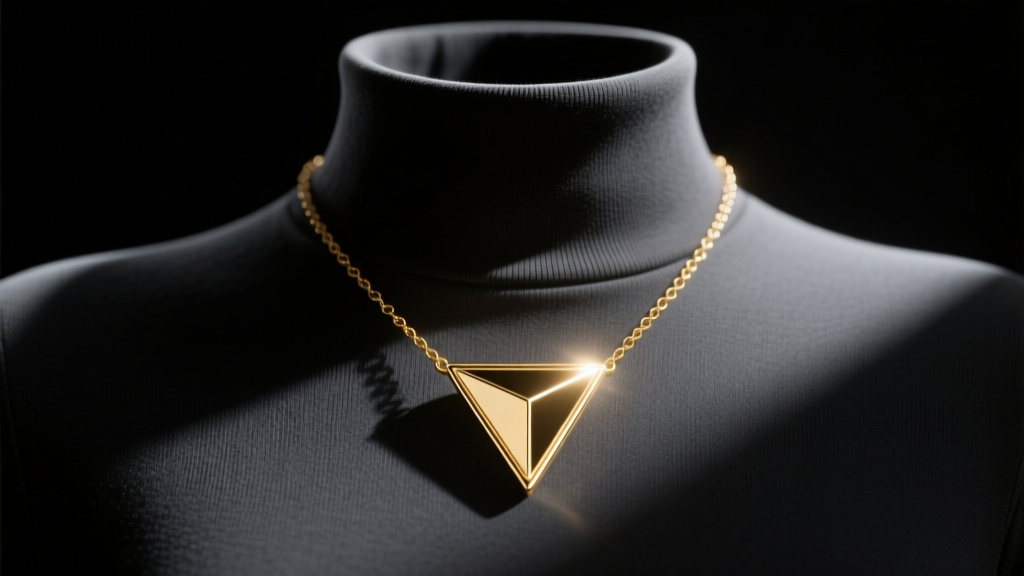
The jewelry landscape of 2026 has decisively pivoted away from the fluid, organic, and hyper-nostalgic Y2K motifs that dominated the early 2020s. In their place, a new era of 'structural luxury' has emerged, defined by sharp angles, architectural precision, and brutalist influences. At the absolute center of this geometric revival is the necklace triangle. No longer relegated to basic minimalist layering pieces, the triangle pendant has evolved into a complex canvas for mixed metals, lab-grown diamond pavé, and asymmetric tension settings. This guide decodes the 2026 triangle trend, offering a technical and stylistic framework for integrating angular pendants into a modern wardrobe.
The Geometry of 2026: Why the Triangle Dominates
The resurgence of the triangle in high jewelry and contemporary streetwear is deeply tied to a broader cultural desire for order, direction, and resilience. While circular and oval pendants offer softness and continuity, the triangle introduces visual tension and intentionality. According to Vogue's recent jewelry trend analyses, the modern consumer is gravitating toward pieces that project a sense of armor-like confidence. The triangle, historically symbolizing harmony, tension, and manifestation, perfectly captures the 2026 zeitgeist.
Designers are pushing the boundaries of this simple polygon by playing with negative space and asymmetric weight distribution. We are seeing a departure from the standard equilateral gold slice. Instead, the market is flooded with elongated isosceles drops, right-angled 'carpenter' triangles, and hollowed-out wireframe geometries that interact dynamically with the skin beneath them.
Material & Scale Matrix: Decoding the Modern Triangle
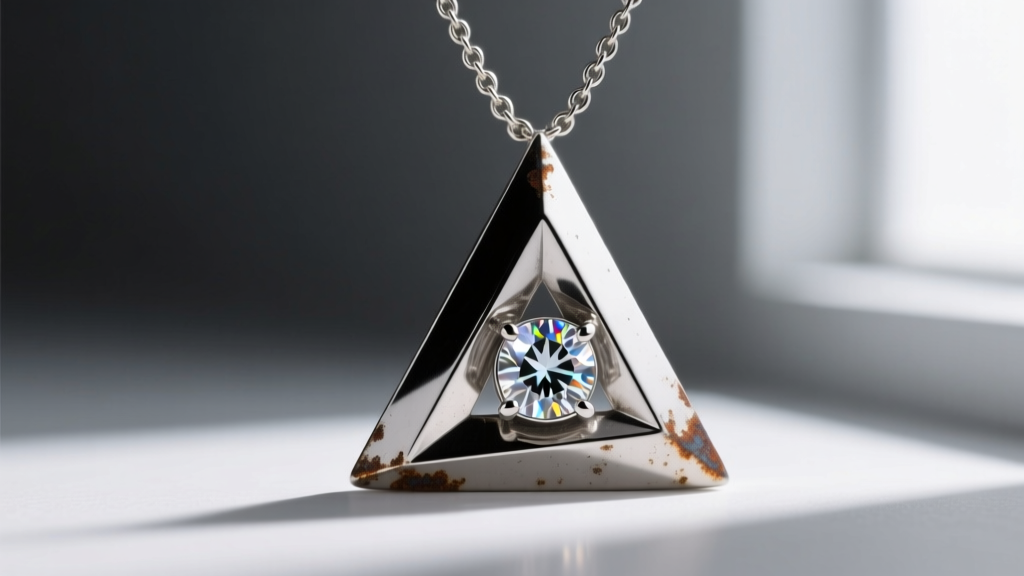
To navigate the current market, one must understand the material innovations driving the necklace triangle trend. The interplay of texture and scale is what separates a dated 2015 minimal piece from a cutting-edge 2026 statement. Below is a breakdown of the dominant archetypes currently defining the geometric jewelry sector.
| Style Archetype | Material & Finish | Dimensions (H x W) | Ideal Chain Gauge | Price Range (USD) |
|---|---|---|---|---|
| Micro-Pavé Equilateral | 18k White Gold, Lab-Grown Diamond Pavé | 12mm x 12mm | 1.0mm - 1.2mm Box Chain | $850 - $1,400 |
| Brutalist Right-Angle | Oxidized Sterling Silver, Brushed Finish | 35mm x 20mm | 2.5mm - 3.0mm Cuban Link | $120 - $280 |
| Mixed-Metal Isosceles | 14k Yellow Gold Inlay in Black Rhodium | 25mm x 10mm | 1.5mm Cable Chain | $450 - $700 |
| Hollowed-Out Frame | Titanium with Anodized Blue Accents | 40mm x 40mm | 2.0mm Rope or Wheat Chain | $300 - $550 |
The use of black rhodium plating over yellow gold inlays has become a hallmark of 2026's 'dark luxury' aesthetic, providing a high-contrast backdrop that makes the geometric lines of the triangle visually pop. Furthermore, as noted by the Gemological Institute of America (GIA), the integration of precision-cut lab-grown diamonds into geometric shapes has allowed designers to achieve flawless edge-to-edge pavé without the prohibitive costs of natural stones, making high-impact triangle pendants more accessible.
The Rule of Angles: Neckline Pairing Framework
Styling a necklace triangle requires an understanding of parallel lines and visual disruption. The sharp vertices of the pendant must either harmonize with the garment's cut or intentionally disrupt it to create a focal point.
V-Necks and Plunging Lines
When wearing a V-neck sweater or a plunging blouse, the goal is parallel harmony. An elongated isosceles triangle pendant on a 20-inch or 22-inch chain will mirror the angle of the neckline, elongating the torso and creating a sleek, unbroken vertical line. Avoid wide, equilateral triangles here, as they will compete with the garment's edges and create visual clutter at the collarbone.
Crew Necks and High Collars
For crew necks, turtlenecks, and high mock-collars, you need contrast and disruption. A heavy, brutalist right-angle triangle resting just above the sternum breaks the horizontal line of the collar. In 2026, pairing a chunky, oxidized silver triangle pendant with a fine-gauge merino wool turtleneck is a staple of the elevated streetwear uniform. The matte texture of the wool absorbs light, allowing the metallic geometry to command attention.
Asymmetric and Off-the-Shoulder
Asymmetric necklines require an anchoring weight. A choker-style triangle (sitting at 14 to 15 inches) with an off-center bail creates a deliberate imbalance that complements the exposed shoulder. Look for tension-set stones within the triangle frame to enhance the architectural feel.
Advanced Layering: Integrating Angular Pendants
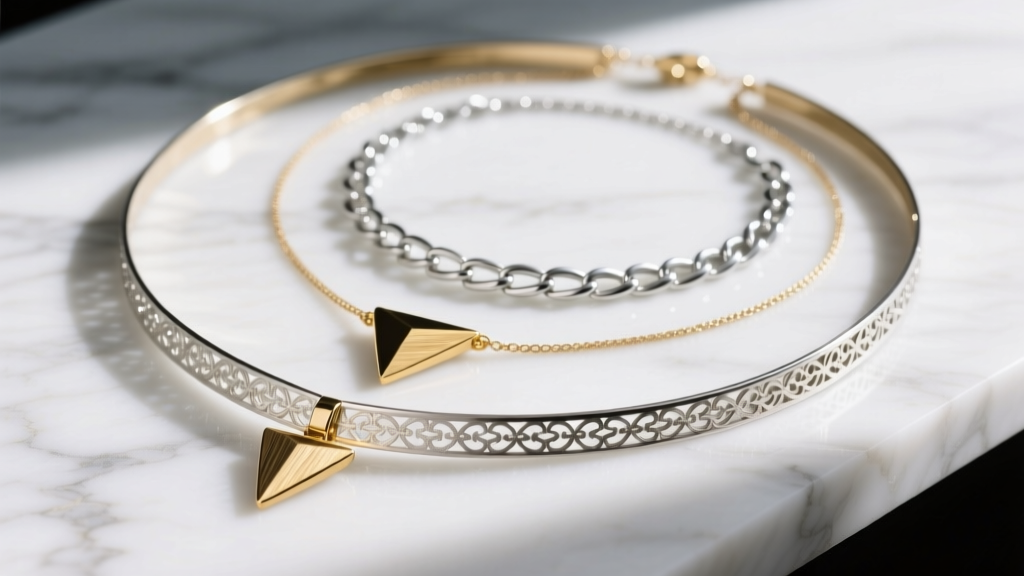
Layering a necklace triangle is fundamentally different from layering organic shapes like coins or pearls. Sharp corners catch on other chains, and the visual weight of a triangle can easily overpower a curated stack. To execute a flawless 2026 layering stack, follow the 'Soft-Hard-Soft' tension framework:
- The Anchor (15-16 inches): Start with a soft, continuous shape. A simple 1.5mm gold snake chain or a delicate pearl choker provides a curved baseline that contrasts with the sharp pendant to come.
- The Focal Point (18-20 inches): This is where your triangle pendant lives. Ensure the chain is robust enough to prevent the pendant from flipping. A 1.2mm box chain is ideal because its flat links provide structural rigidity, keeping the triangle facing forward rather than twisting against the chest.
- The Elongator (24-26 inches): Finish with a soft, textural chain without a pendant, or with a simple horizontal bar. A 2.0mm wheat chain in a contrasting metal (e.g., white gold if the triangle is yellow gold) adds depth without introducing competing geometry.
'The secret to layering geometric pendants in 2026 is ensuring the chains do not share the same reflectivity or link structure. A triangle pendant demands negative space to breathe; crowd it with identical chains, and you lose the architectural impact entirely.' — Contemporary Jewelry Styling Review
Care and Maintenance for Sharp Edges
The very feature that makes the triangle pendant striking—its sharp vertices and angular prongs—also makes it a liability for daily wear. Sharp edges are prone to micro-abrasions, catching on delicate knits, and bending if subjected to lateral pressure.
- Prong Snagging: If your triangle features pavé or bezel-set stones at the vertices, inspect the prongs bi-weekly. The sharp points of the triangle are the first to catch on silk blouses and cashmere, which can slowly lift the prongs and compromise the stone's security.
- Directional Polishing: Many 2026 brutalist triangles feature brushed or matte finishes. Never use a standard jeweler's cloth on these pieces, as it will burnish the matte texture into an uneven shine. Instead, use a soft-bristled fiberglass scratch pen, stroking strictly in one direction to maintain the industrial grain.
- Ultrasonic Warnings: Hollowed-out wireframe triangles or tension-set geometric designs should never be placed in an ultrasonic cleaner. The high-frequency vibrations can warp thin, angular metal struts or shatter stones held under extreme tension. Stick to gentle, ammonia-free liquid soaks and a soft baby toothbrush for cleaning.
Final Verdict on the Geometric Shift
The necklace triangle is not a fleeting micro-trend; it is a fundamental recalibration of how we approach everyday adornment. As the jewelry industry continues to explore the intersection of industrial design and wearable art, the triangle remains the ultimate symbol of modern precision. Whether you opt for a micro-pavé equilateral piece for evening wear or a heavy, oxidized right-angle pendant for daily streetwear, mastering the geometry of your jewelry is the definitive style move of 2026. Invest in structural integrity, respect the angles of your wardrobe, and let the sharp lines do the talking.


