Necklace Turkish Design Troubleshooting: Fix Tarnish, Snags & Breakage
Learn how to troubleshoot common necklace Turkish design flaws. Expert fixes for shattered evil eye beads, Telkari tarnish, and chain snagging.

Introduction to Turkish Jewelry Craftsmanship and Common Flaws
Turkish jewelry is globally celebrated for its rich history, intricate craftsmanship, and deep cultural symbolism. From the delicate silver wirework of Telkari filigree to the vibrant, protective glass of the Nazar boncuğu (evil eye), these pieces are wearable art. However, when your necklace Turkish bazaar finds or heirloom Ottoman reproductions start to show wear, standard jewelry cleaning methods often fall short—or worse, cause irreversible damage. The unique materials and traditional techniques used in Turkish jewelry require specialized troubleshooting.
Many collectors and everyday wearers face recurring issues: shattered glass beads, rapid tarnishing in high-copper silver alloys, severe chain snagging on microscopic filigree wires, and skin discoloration from unsealed brass bases. This comprehensive guide dives deep into the structural and chemical realities of Turkish necklace designs, providing actionable, expert-level solutions to restore and protect your pieces.
Issue 1: The Shattering Nazar (Evil Eye) Glass Beads
The Nazar boncuğu is arguably the most recognizable element of Turkish jewelry. Traditionally, these beads are hand-layered in a furnace using lead-free glass, incorporating cobalt for the deep blue and copper for the light blue rings. While beautiful, this traditional glass formulation is highly susceptible to thermal shock and mechanical stress.
Why It Happens
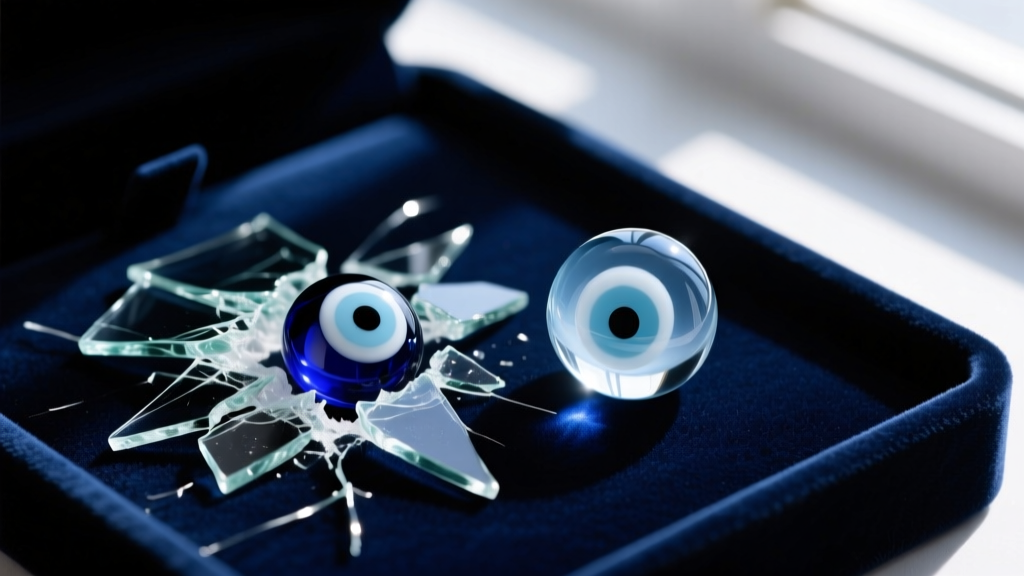
Hand-layered glass cools at different rates, creating internal tension. When a glass Nazar bead is dropped on a hard surface, or exposed to sudden temperature changes (like stepping out of a hot bath into cold winter air), it does not merely crack; it shatters. Furthermore, the drill holes in traditional glass beads are often rough and unlined, causing friction against the metal chain or jump ring, which eventually leads to stress fractures radiating from the center hole.
The Resin vs. Glass Debate: Troubleshooting and Replacement
If your glass Nazar has shattered, you have two distinct paths for replacement, depending on your priorities regarding authenticity versus durability:
- The Purist Approach (Bezel-Setting): If you insist on authentic glass, do not use top-drilled beads on a simple wire wrap. Instead, have a jeweler set the glass into a custom sterling silver bezel cup with a silicone or rubber gasket lining. This absorbs shock and eliminates the metal-on-glass friction at the drill hole.
- The Practical Approach (Optical-Grade Resin): For everyday wear, swap the glass for an optical-grade acrylic or epoxy resin bead. Modern resins can perfectly mimic the vitreous luster of glass but offer immense impact resistance. They will not shatter if dropped and are entirely immune to thermal shock.
Issue 2: Rapid Tarnishing in Ottoman Coin and Filigree Pieces
Tarnish is a universal issue for silver, but Turkish silver jewelry often tarnishes at an alarmingly accelerated rate. This is rarely due to poor quality; rather, it is a matter of historical alloy compositions and complex surface areas.
Understanding the Alloys: 925 vs. 800 Silver
While modern Turkish exports are typically stamped 925 (sterling silver, 92.5% pure silver, 7.5% copper), vintage pieces and authentic Ottoman coin reproductions are frequently struck in 800 silver. This alloy contains 80% silver and 20% copper. The higher copper content provides excellent durability for coin striking but makes the metal significantly more reactive to sulfur compounds in the air and human sweat. According to the Gemological Institute of America (GIA), copper is the primary catalyst for the black silver sulfide layer we recognize as tarnish.
The Electrochemical Fix for Telkari Filigree
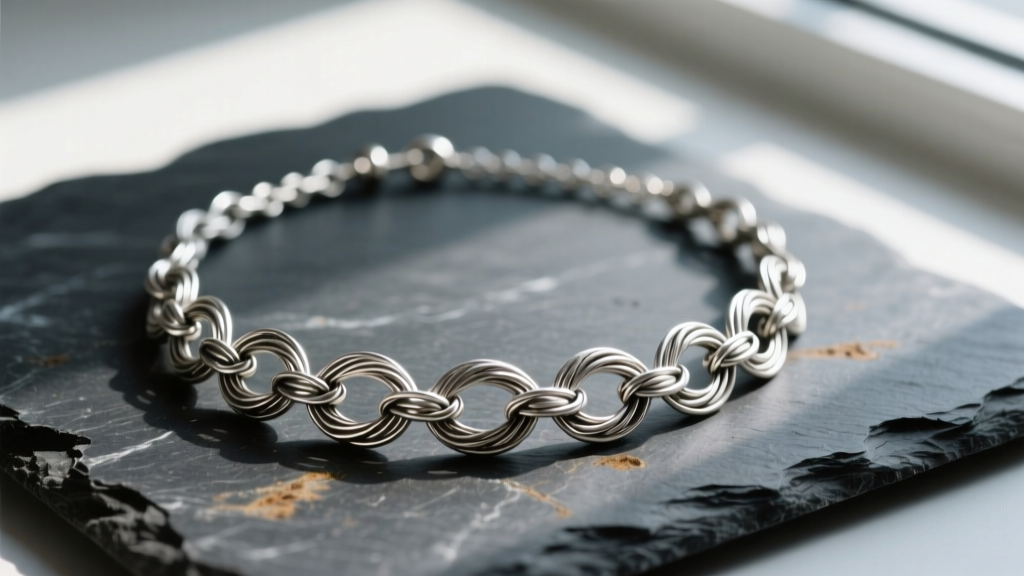
Telkari (filigree) involves twisting microscopic silver threads into lace-like patterns. You cannot use a polishing cloth or a liquid dip on Telkari; the cloth will catch and tear the wires, and liquid dips will strip the intentional oxidized (blackened) background contrast that gives filigree its 3D depth.
Instead, use an electrochemical ion-exchange bath to lift sulfur from the raised wires without affecting the crevices:
- Line a glass bowl with aluminum foil (shiny side up).
- Place the necklace in the bowl, ensuring the silver touches the foil.
- Add 1 tablespoon of baking soda and 1 teaspoon of non-iodized salt.
- Pour boiling water over the piece until submerged. You will see bubbles and smell sulfur (rotten eggs) as the sulfur transfers from the silver to the aluminum.
- Remove after 60 seconds, rinse in distilled water, and pat dry with a microfiber cloth.
Conservation Warning: Never use this method on pieces with glued-in stones (like turquoise or coral), as the boiling water will dissolve the adhesive. For mixed-material pieces, follow the localized cleaning guidelines recommended by the Victoria and Albert Museum.
Issue 3: Chain Snagging on Intricate Filigree Pendants
A common frustration with Telkari and Ottoman-style lace pendants is the tendency for the chain to snag, kink, or even snap. This is rarely the fault of the chain itself, but rather a structural flaw in the pendant's bail (the loop connecting the pendant to the chain).
Bail Sizing and Friction Points
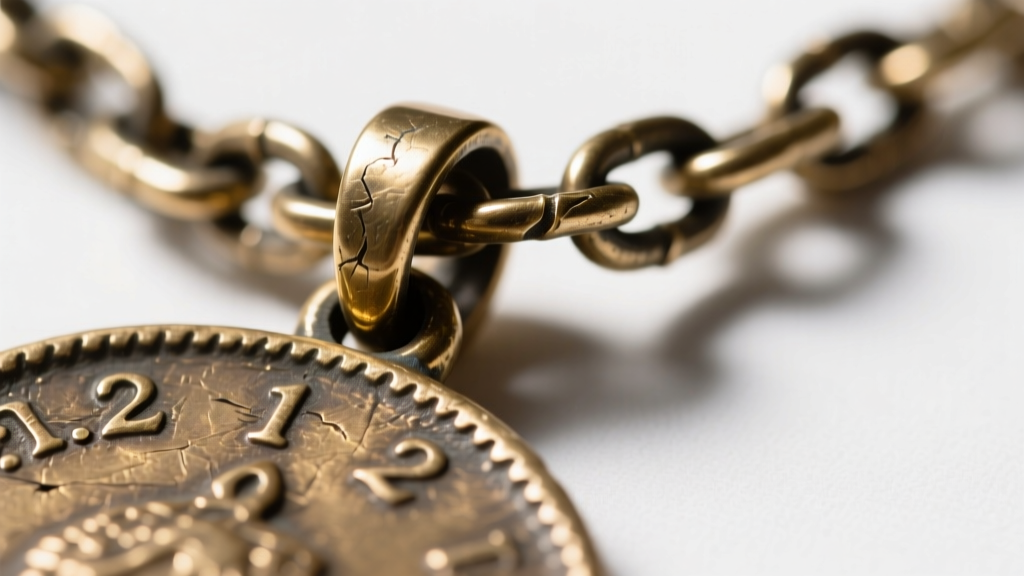
In mass-produced or hastily finished artisan pieces, the inside of the bail is often left rough, with microscopic burrs of unsoldered silver wire. Additionally, the inner diameter of the bail may be too tight for the chain you have selected, creating a pinch point every time the pendant moves. To troubleshoot this, inspect the bail under a jeweler's loupe. If burrs are present, a jeweler can use a rubberized polishing wheel to smooth the interior. If the bail is too small, you must downgrade your chain profile.
Chain Type vs. Snag Probability
Selecting the correct chain geometry is critical for preserving both the chain and the delicate pendant bail. Below is a troubleshooting matrix for pairing chains with intricate Turkish pendants:
| Chain Style | Profile | Snag Risk | Best Use Case |
|---|---|---|---|
| Box Chain | Square, rigid links | High | Avoid with filigree; sharp edges catch on wire loops. |
| Snake Chain | Smooth, tubular | Very Low | Ideal for heavy Ottoman coins; slides through tight bails effortlessly. |
| Cable / Rolo | Round, uniform links | Medium | Good for lightweight Nazar pendants; avoid if links are larger than 1.5mm. |
| Wheat (Spiga) | Woven, directional | High | Avoid; the woven texture acts like a file against soft silver bails. |
Issue 4: Skin Discoloration from Brass-Plated Bazaar Finds
If you purchased a vibrant, gold-toned or silver-toned necklace from the Grand Bazaar as a souvenir, you may have experienced the dreaded green or black skin discoloration. This is not an allergic reaction, but a chemical one.
The Lacquer Coating Solution
Many affordable tourist-market pieces are cast from copper-heavy brass or bronze and finished with a microscopically thin flash-plating of gold or silver. Human sweat is naturally acidic (pH 4 to 6) and contains chlorides. When sweat breaches the porous flash-plating, it creates a galvanic cell with the copper base, resulting in copper chloride salts—the green residue left on your collarbone.
The Fix: You cannot polish away the green reaction, but you can halt it. Thoroughly clean the back of the pendant and the inner links of the chain with isopropyl alcohol to remove existing oils and salts. Once completely dry, apply a thin, even coat of a specialized jewelry sealant, such as ProtectaClear or Everbrite. These clear, polyurethane-based coatings are specifically formulated to adhere to metals, remain flexible against the skin, and block the moisture and acids that cause the galvanic reaction. Reapply every six to twelve months depending on wear frequency.
Preventative Maintenance Schedule for Turkish Necklaces
To ensure your Turkish jewelry remains structurally sound and visually stunning, implement this bi-annual maintenance checklist:
- January: Inspect all jump rings and soldered loops on Telkari pendants for metal fatigue. Have a jeweler re-solder any micro-fractures before the pendant is lost.
- January: Check glass Nazar beads for hairline fractures radiating from the drill hole. Replace with resin or bezel-set immediately if found.
- July: Perform the aluminum foil electrochemical bath on all 800 and 925 silver pieces to remove accumulated summer tarnish.
- July: Reapply protective lacquer to the skin-facing sides of all brass-based or flash-plated souvenir pieces.
Conclusion
Owning and maintaining Turkish jewelry requires an understanding of the materials and methods that define it. By recognizing the vulnerabilities of hand-blown glass, the specific chemical makeup of Ottoman silver alloys, and the mechanical friction points of filigree work, you can transition from frustrated wearer to informed curator. Troubleshooting these specific design flaws ensures that your necklace Turkish artisans so carefully crafted will remain a resilient, beautiful staple in your collection for decades to come.