How to Style a Necklace 2 Circles Pendant: Meanings and Metal Guide
Discover how to choose, style, and care for a necklace 2 circles pendant. Learn about metal grades, chain types, and layering techniques.

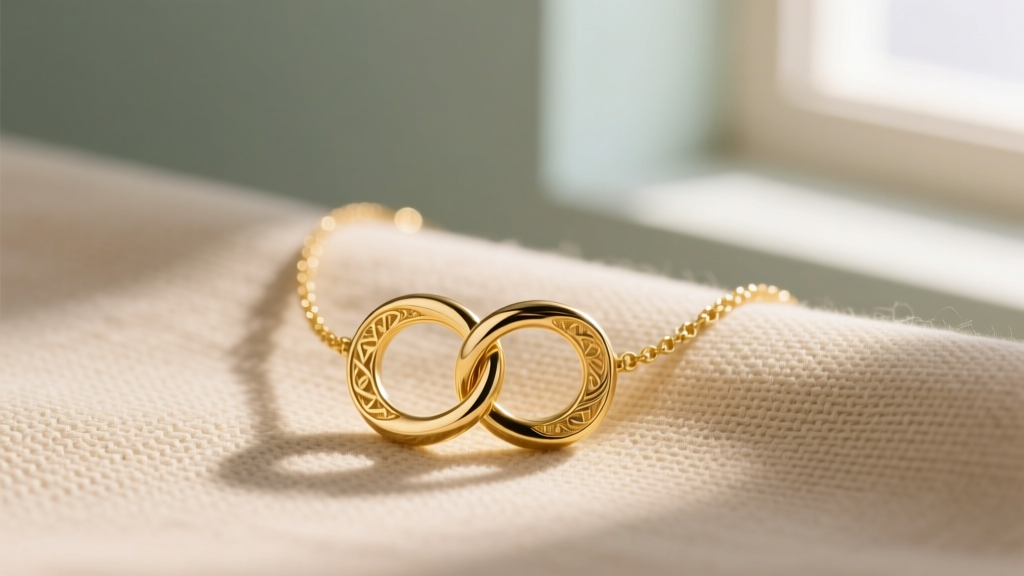
The interlocking or concentric circle motif is one of the most enduring designs in jewelry history. Whether you are shopping for a meaningful gift or looking to elevate your everyday stack, a necklace 2 circles pendant offers a perfect blend of minimalist geometry and deep symbolism. However, for beginners, navigating the vast market of double-circle necklaces can be overwhelming. From deciphering metal purity stamps to selecting the right chain gauge, the details matter immensely when it comes to longevity and style.
In this comprehensive guide, we will break down the symbolism behind the dual-circle design, compare the most common metal grades used in 2026, and provide a structural framework for layering your new favorite piece.
The Symbolism Behind the Two-Circle Design
Before diving into metallurgy and styling, it is essential to understand the visual language of your jewelry. The circle, having no beginning and no end, is universally recognized as a symbol of eternity, wholeness, and infinite connection. When two circles are introduced into a single pendant, the meaning shifts based on the structural design:
- Interlocking Circles: Often cast as two separate rings linked together or soldered at a single intersection. This design represents a bond between two entities—making it a popular choice for mother-daughter gifts, anniversary presents, or friendship necklaces. It signifies two distinct lives that are intimately connected.
- Concentric Circles: Featuring one smaller circle suspended inside a larger outer ring. This design often symbolizes focus, inner peace, and the protection of one's core self. It is a highly favored motif in mindfulness and spiritual jewelry.
- Infinity-Style Overlaps: Where the circles merge seamlessly into an elongated figure-eight or infinity symbol, representing endless time and unbreakable commitments.
According to jewelry historians featured in JCK Online, the dual-circle motif gained massive traction during the Victorian era as a subtle way to express eternal devotion without the overt romanticism of heart-shaped pendants.
Decoding Metal Grades: What to Buy for Daily Wear
The most critical mistake beginners make is prioritizing the pendant's design over its material composition. A beautiful necklace 2 circles pendant will quickly lose its luster if crafted from subpar alloys. Below is a comparative breakdown of the standard metals used in fine and demi-fine jewelry.
| Metal Grade | Composition | Tarnish Resistance | Average Price Range |
|---|---|---|---|
| 925 Sterling Silver | 92.5% Silver, 7.5% Copper | Low (Requires Rhodium Plating) | $40 - $90 |
| Gold Vermeil | 2.5µm+ Gold over Sterling Silver | Medium (Wears over 1-3 years) | $60 - $150 |
| Solid 14k Gold | 58.3% Gold, 41.7% Alloy Metals | High (Lifetime wear, no plating) | $250 - $600 |
| Platinum 950 | 95% Platinum, 5% Ruthenium | Very High (Hypoallergenic) | $800 - $1,500+ |
If you plan to wear your necklace daily, including in the shower, the Gemological Institute of America (GIA) recommends investing in solid 14k or 18k gold. The alloy metals mixed with the gold (such as zinc and copper in 14k) provide the necessary tensile strength to prevent the delicate interlocking rings from bending or warping under pressure.
Chain Types That Complement Double Circle Pendants
The chain you select dictates both the durability and the visual weight of your necklace. Because a 2-circle pendant acts as a focal point, the chain should provide structural support without overpowering the geometric design.
1. The Cable Chain (1.0mm - 1.5mm)
The cable chain is the industry standard for lightweight pendants (under 5 grams). Its uniform, oval links offer a classic, unobtrusive look that allows the interlocking circles to take center stage. Ensure the jump ring on your pendant is at least 2.0mm to allow a 1.2mm cable chain to pass through smoothly.
2. The Box Chain (1.2mm - 2.0mm)
Constructed from interlocking square links, box chains offer superior tensile strength compared to cable chains. If your double-circle pendant is cast in solid platinum or features pave-set diamonds, a 1.5mm box chain will provide the necessary support while adding a subtle, modern geometric texture that mirrors the pendant.
3. The Rope Chain (1.5mm+)
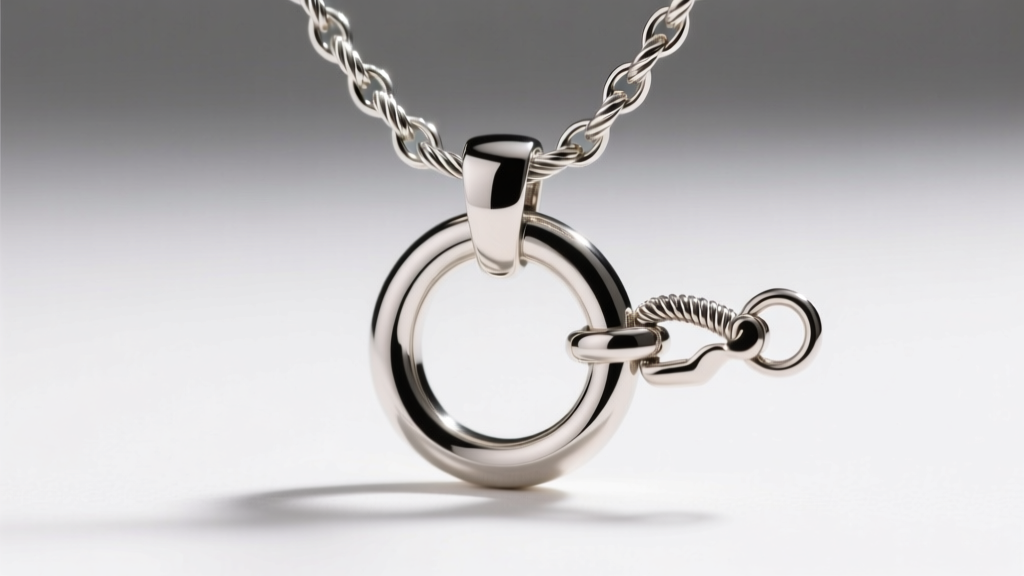
Rope chains feature twisted links that catch the light beautifully. However, beginners should be cautious: the textured surface of a rope chain can occasionally snag on the soldering joints of an interlocking circle pendant. If you prefer a rope chain, opt for a pendant with a smooth, oversized bail to prevent friction damage.
Step-by-Step Layering Framework for Beginners
Layering a necklace 2 circles pendant requires an understanding of visual hierarchy and spatial distribution. The goal is to create a cascading effect that draws the eye downward without tangling. Follow this three-tier framework for a flawless stack:
- Tier 1: The Base (14 to 15 inches)
Start with a minimalist choker or a delicate bead chain. A simple 14-inch sterling silver snake chain sits flush against the collarbone, providing a clean baseline that anchors the rest of your stack. - Tier 2: The Focal Point (18 inches)
This is where your 2-circle pendant lives. An 18-inch length ensures the pendant rests perfectly in the hollow of the throat or just above the neckline of a standard crew-neck t-shirt. The 3-to-4-inch gap between Tier 1 and Tier 2 is crucial to prevent the chains from twisting together. - Tier 3: The Elongator (22 to 24 inches)
Finish the stack with a longer, heavier chain featuring a vertical drop element, such as a bar pendant or a single solitaire diamond. The vertical line contrasts beautifully with the horizontal geometry of the double circles, creating a balanced, professional aesthetic.
Pro Tip: To permanently solve the issue of tangled layers, invest in a magnetic necklace spacer clasp. These devices attach to the back of your neck and keep your chains perfectly separated at fixed intervals.
Caring for Your Interlocking Circles Necklace
Maintaining the structural integrity and shine of your jewelry requires specific care routines based on the metal. While ultrasonic cleaners are excellent for removing trapped oils from the crevices of solid gold and platinum interlocking rings, they can be disastrous for other materials.
Never place gold vermeil or oxidized sterling silver in an ultrasonic bath. The high-frequency sound waves can strip the thin micron layer of gold plating or remove the intentional dark patina used to highlight the textures of the pendant. Instead, use a few drops of mild, phosphate-free dish soap mixed with warm water. Gently scrub the intersection where the two circles meet using a soft-bristled baby toothbrush, rinse thoroughly, and dry immediately with a microfiber cloth to prevent water spots.
By understanding the metallurgy, chain mechanics, and styling proportions outlined above, you can confidently select and wear a necklace 2 circles pendant that will remain a staple in your jewelry collection for decades to come.


