Necklace Urns for Human Ashes: 2026 Budget & Value Guide
Discover the true value of necklace urns for human ashes. Compare 2026 pricing tiers, material grades, and engineering details to avoid the grief tax.

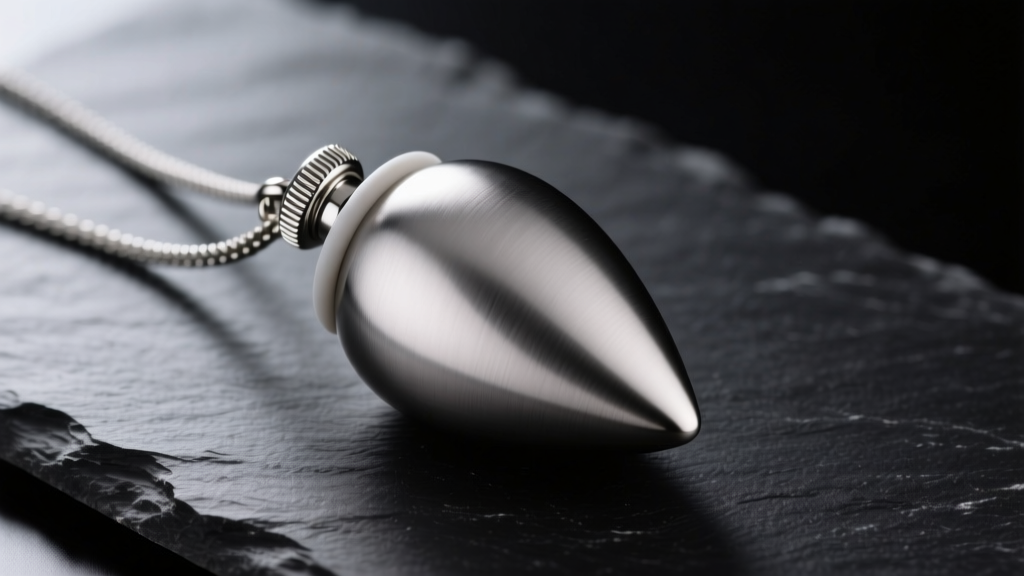
The True Cost of Remembrance: Navigating the Memorial Jewelry Market
When searching for necklace urns for human ashes, buyers are often vulnerable, making the memorial jewelry market notoriously susceptible to what industry insiders call the 'grief tax.' This phenomenon occurs when retailers artificially inflate the prices of basic cremation pendants simply because they serve an emotional purpose. In 2026, the market is flooded with options ranging from $15 dropshipped alloys to $2,000 solid platinum heirlooms. But how do you assess the actual value of a piece designed to hold the remains of a loved one?
As a senior jewelry evaluator, I approach cremation pendants not just as emotional tokens, but as precision-engineered micro-vessels. A high-value urn necklace must balance metallurgical integrity, mechanical sealing reliability, and fair market pricing. This guide breaks down the exact material grades, threading specifications, and pricing tiers you need to know to ensure your investment is both secure and fairly priced.
2026 Pricing Tiers: Where Your Money Actually Goes
Understanding the baseline manufacturing costs of memorial jewelry is the first step in avoiding overpriced pieces. Below is the current market matrix for necklace urns, categorized by material and engineering quality.
| Material Grade | Price Range (USD) | Seal Mechanism | Longevity & Value Rating |
|---|---|---|---|
| Zinc Alloy / Gold-Plated | $15 - $35 | Friction fit / Cheap rubber | Poor (High failure rate, skin irritation) |
| 304 Stainless Steel | $30 - $50 | M3 Thread + Nitrile O-ring | Fair (Prone to tarnish and thread stripping) |
| 316L Surgical Steel | $45 - $95 | M4 Thread + Silicone O-ring | Excellent (Best budget/value champion) |
| Sterling Silver (925) | $90 - $180 | M3/M4 Thread + Silicone | Good (Requires maintenance to prevent sulfide tarnish) |
| Solid 14k Gold | $450 - $1,200+ | Precision M4 + Laser-welded bail | Heirloom (Generational durability) |
The sweet spot for most buyers in 2026 is 316L Surgical Stainless Steel. It offers the corrosion resistance necessary for daily skin contact and the structural hardness required to maintain threaded seals over decades, all while remaining under the $100 threshold.
Engineering the Seal: Threading and Gasket Failure Modes
The most critical component of any cremation pendant is not the exterior design, but the internal sealing mechanism. Ashes are highly alkaline and can degrade certain metals and polymers over time if moisture breaches the chamber. When evaluating value, you must look at the threading and the gasket.
The Threading Standard: M3 vs. M4 Metric Screws
Cheap memorial pendants typically use M3 (3mm) micro-threads. While M3 threads allow for a more discreet screw cap, they are incredibly fragile. Cross-threading an M3 stainless steel cap into an M3 steel chamber is a common failure mode that results in permanent jamming or metal shavings mixing with the ashes. Premium value pendants utilize M4 (4mm) or even M5 threading. The wider pitch provides vastly superior torque tolerance, ensuring the cap can be opened and closed repeatedly without degrading the metal grooves.
Gasket Materials: Nitrile Rubber vs. Medical-Grade Silicone
To make the pendant waterproof, an O-ring gasket is required. Budget manufacturers use standard nitrile rubber or EVA foam washers. These materials dry out, crack, and lose their elasticity within 12 to 24 months of exposure to body heat and ambient humidity. A true high-value urn necklace will feature a medical-grade silicone O-ring. Silicone maintains its structural integrity across extreme temperature fluctuations and does not degrade when exposed to the alkaline environment of cremated remains.
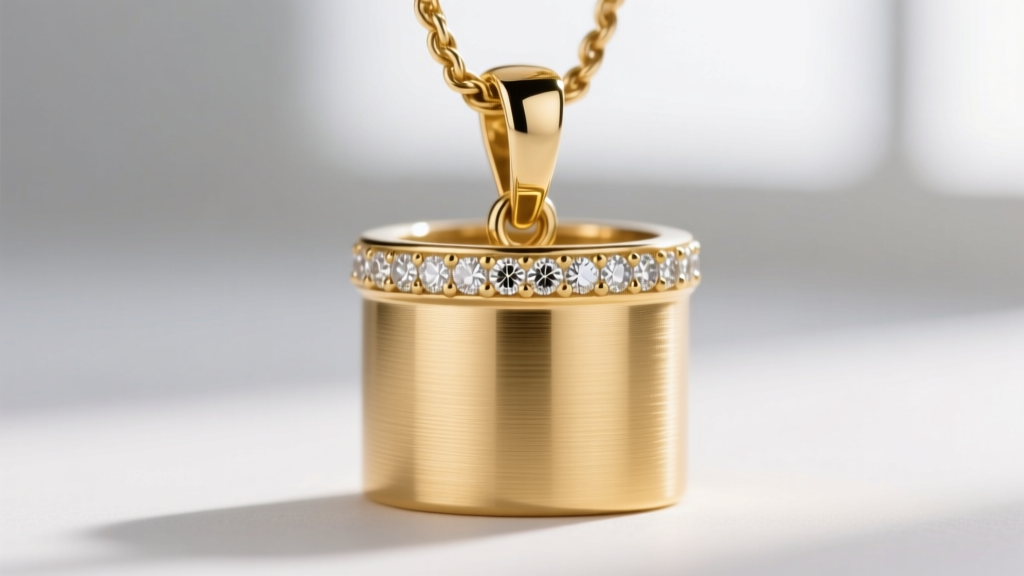
Material Deep Dive: Metallurgy and Skin Contact
Because an urn necklace is worn directly against the sternum—an area prone to perspiration—the metallurgy of the outer shell dictates both its aesthetic lifespan and its biocompatibility. According to the FTC Jewelry Guides, accurate metal stamping and alloy disclosure are mandatory, yet many overseas memorial dropshippers bypass these regulations.
Why 316L Outperforms 304 Stainless Steel
Many mid-tier pendants are stamped simply as 'Stainless Steel.' This usually indicates 304-grade steel, which contains 18% chromium and 8% nickel. While adequate for kitchen appliances, 304 steel is susceptible to pitting corrosion when exposed to the chlorides in human sweat. 316L surgical steel includes an additional 2-3% molybdenum, which drastically increases its resistance to chloride corrosion. When assessing value, always verify the product description explicitly states '316L' rather than generic stainless steel.
The Sterling Silver Tarnish Dilemma
Sterling silver (92.5% silver, 7.5% copper) is a traditional choice for heirloom jewelry. However, the copper content reacts with sulfur in the air and sweat, creating silver sulfide (tarnish). If you choose a sterling silver urn pendant, ensure the interior of the ash chamber is rhodium-plated or lined with an inert resin to prevent the alkaline ashes from reacting with the copper alloy, which could cause discoloration of the remains.
Chain Integration: The Hidden Weak Point
A $150 solid gold or premium steel urn pendant is entirely compromised if it hangs from a $3 hollow chain. The weight of an ash-filled pendant (typically 12 to 25 grams) requires a chain with high tensile strength. When budgeting for necklace urns for human ashes, allocate at least 20% of your total budget to the chain and clasp assembly.
- Link Style: Avoid hollow rope or snake chains, which kink and snap under the pendulum motion of a heavy urn. Opt for solid cable, wheat, or Figaro chains.
- Gauge Thickness: The wire gauge should be a minimum of 1.5mm to 2.0mm. Anything under 1.2mm risks snapping if the pendant catches on clothing.
- Clasp Mechanics: Discard spring-ring clasps immediately. They feature weak internal springs that fail under the dynamic weight of an urn. Upgrade to a lobster clasp or a locking carabiner clasp for secure daily wear.
Capacity and Practicality: Does Size Impact Value?
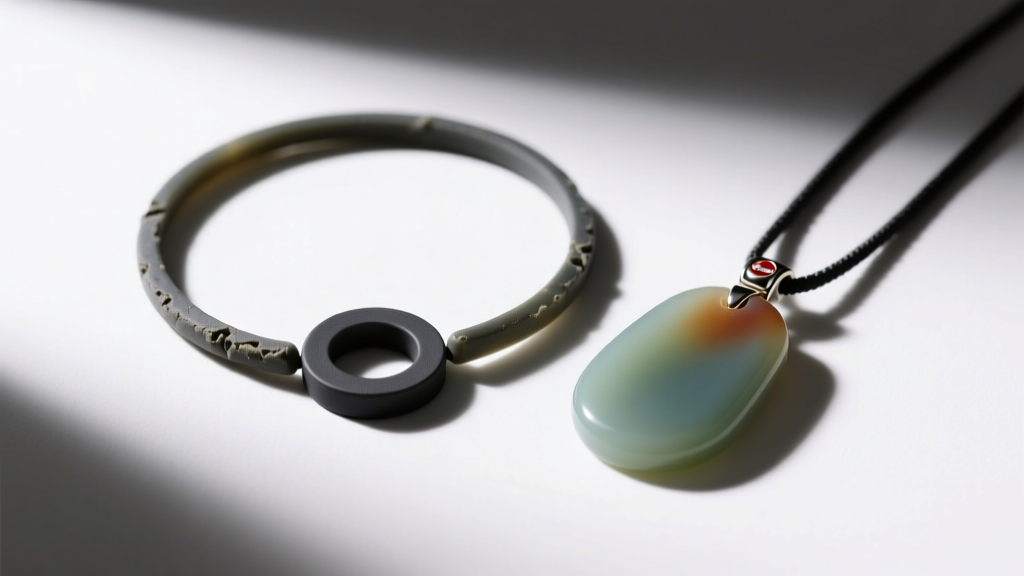
The standard capacity for most cremation pendants is 1/8 to 1/4 of a teaspoon (roughly 0.6 to 1.2 cubic centimeters). This is more than enough to hold a symbolic portion of ashes. Some manufacturers charge a 30-50% premium for 'large capacity' urns that hold up to 1 full teaspoon. From a value perspective, this is rarely worth the markup. Larger chambers require thicker metal walls to maintain structural integrity, resulting in a pendant that is overly bulky, heavy, and uncomfortable for daily wear against the sternum. Stick to the standard 1/4 tsp capacity for the best balance of discretion, comfort, and price.
Final Verdict: Maximizing Your Memorial Jewelry Budget
Finding the right necklace urns for human ashes requires looking past the emotional marketing and evaluating the piece as a precision-engineered vessel. To maximize your budget in 2026, target pendants crafted from 316L surgical stainless steel or solid 14k gold, ensure the seal utilizes M4 threading with a silicone O-ring, and pair it with a solid 1.8mm wheat chain and lobster clasp. By focusing on these mechanical and metallurgical realities, you ensure that your memorial jewelry remains a secure, beautiful, and lasting tribute without falling victim to inflated grief pricing. For further guidelines on handling and preserving cremated remains, consult resources provided by the Cremation Association of North America.


