Necklaces Baseball Players Wear: 2026 MLB Trend Guide
Discover the necklaces baseball players wear in 2026, from performance titanium ropes to diamond Cuban links and custom crosses.

The Evolution of MLB Dugout Drip
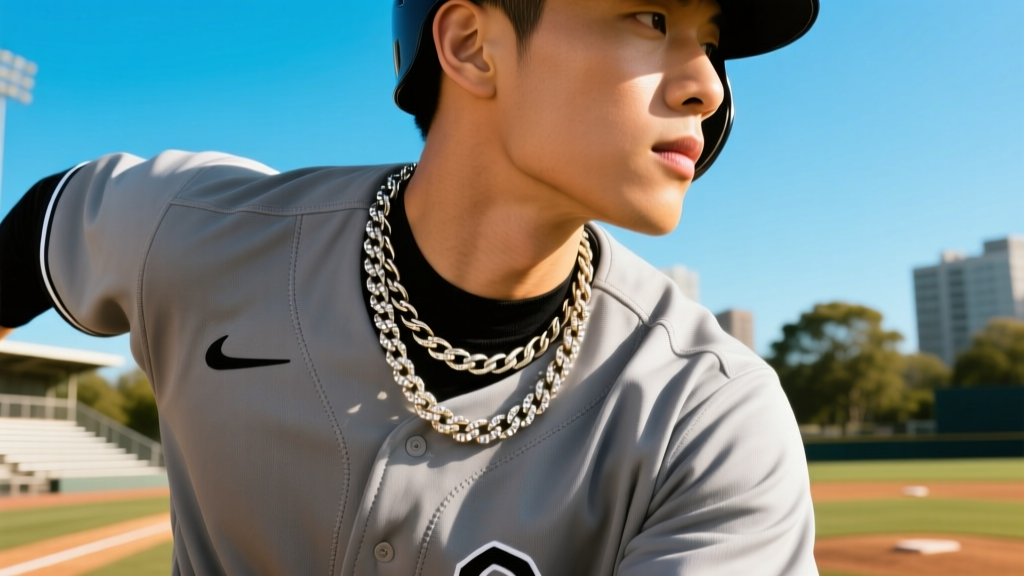
Walk into any Major League Baseball dugout in 2026, and you will immediately notice that the uniform is only half the story. The necklaces baseball players wear have evolved from the simple, thin gold chains of the 1990s into a complex ecosystem of high-end horology, bio-magnetic performance gear, and deep cultural expression. Today’s MLB jewelry scene is a fascinating intersection of sports science and hip-hop-inspired flex culture. Whether it is the pre-game tunnel walk or the bottom of the ninth, a player's neckwear tells a story of their heritage, their bank account, and their approach to recovery.
As style analysts tracking the intersection of athletics and luxury, we have broken down the exact specifications, materials, and trends dominating the diamond this season. From the ice-cold VVS1 Cuban links to the scientifically debated titanium ropes, here is your comprehensive guide to the necklaces baseball players wear.
The Performance Tier: Titanium & Magnetic Ropes
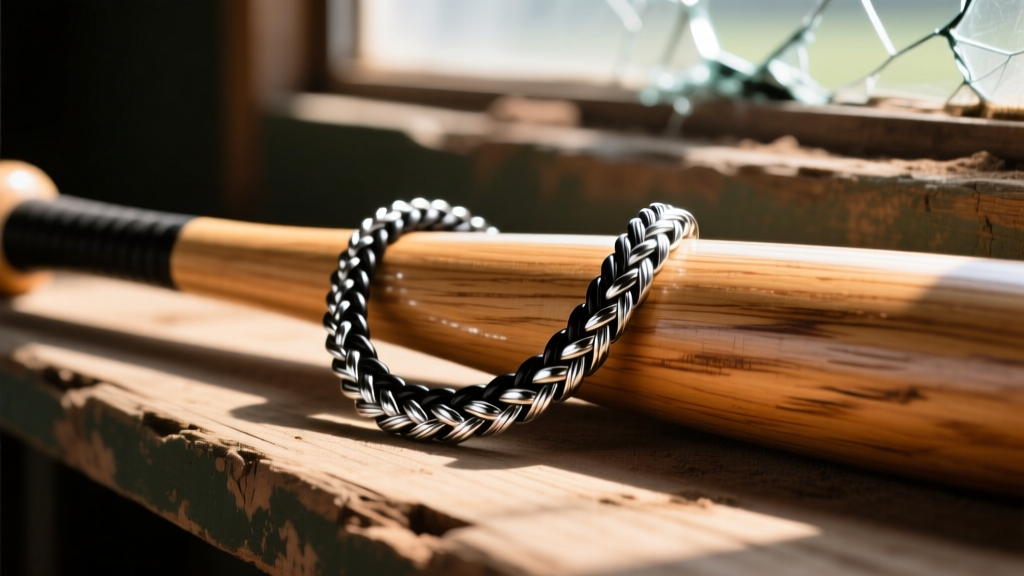
Long before high jewelry took over the clubhouse, performance necklaces became a staple of MLB culture. The undisputed king of this category remains the Phiten titanium necklace. Originally popularized in the late 2000s, these braided nylon and silicone ropes infused with titanium have become a ubiquitous sight on the diamond.
The Science (and the Placebo) of Aqua Titanium
According to Phiten USA, their proprietary "Aqua Titanium" technology is designed to relax muscles and improve circulation by realign the body's bio-electric currents. While sports scientists continue to debate the measurable physiological benefits, the psychological edge and placebo effect are undeniable. Players swear by them for shoulder recovery and sleep quality.
- X100 Concentration: The standard entry-level rope, featuring a baseline titanium infusion. Ideal for everyday wear under the jersey.
- X300 Concentration: Contains three times the titanium of the standard model. Often favored by pitchers who require maximum shoulder and neck tension relief.
- Material Build: Most players opt for the multi-layered braided nylon with a titanium clasp, or the sleek, sweat-proof silicone models that withstand 162 games of grueling summer heat.
The Flex Tier: Diamond Cuban Links & Tennis Chains
When the camera pans to the on-deck circle, the flash you see isn't just the stadium lights reflecting off the bat. The modern MLB player treats jewelry as an alternative asset class and a status symbol. The Cuban link chain remains the undisputed heavyweight champion of baseball flex culture, but the specifications have become incredibly refined.
Diamond Grading in Stadium Lighting
Stadium lighting is notoriously harsh, which means diamond clarity and color must be exceptional to avoid looking cloudy on 4K broadcasts. According to the grading standards outlined by the Gemological Institute of America (GIA), top-tier athletes are moving away from lower-clarity stones and demanding premium specs.
- Clarity: VVS1 to VVS2 (Very Very Slightly Included). These stones appear flawless to the naked eye and catch the light aggressively during a swing.
- Color: F to G (Colorless to Near Colorless). Anything lower (like J or K) will show a yellowish tint against white gold or platinum settings.
- Width & Weight: The trend for 2026 has shifted slightly away from the comically massive 25mm chains of the early 2020s. Today, a refined but heavy 14mm to 18mm width is the sweet spot, typically weighing between 150 and 250 grams.
2026 MLB Necklace Flex Tiers
| Style | Material / Specs | Width | Estimated Price Range | Player Archetype |
|---|---|---|---|---|
| Classic Cuban Link | 14k Yellow Gold, SI1 Diamonds | 12mm - 14mm | $25,000 - $45,000 | Rising Rookie / Young Star |
| Bust-Down Cuban | 18k White Gold, VVS1 F-Color | 16mm - 20mm | $80,000 - $180,000+ | Veteran Slugger / MVP Candidate |
| Tennis Chain | Platinum, Round Brilliant Cut | 8mm - 10mm | $30,000 - $60,000 | Pitcher / Subtle Flexer |
The Faith & Heritage Tier: Custom Crosses and Medallions
Beyond the flash and the performance gear, the necklaces baseball players wear often serve as deeply personal talismans. Baseball has a massive Latino demographic, and this cultural influence is vividly reflected in the pendants resting against the chests of many players.
Cultural and Religious Pendants
Custom jewelers in Miami and New York are frequently commissioned to create highly specific religious medallions. The Virgen de la Caridad del Cobre (Our Lady of Charity), the patroness of Cuba, is a frequent motif, often rendered in 18k yellow gold with vibrant red and yellow enamel detailing. Similarly, diamond-encrusted San Lázaro (Saint Lazarus) pendants are worn for protection and healing, especially by players recovering from Tommy John surgery or shoulder labrum repairs.
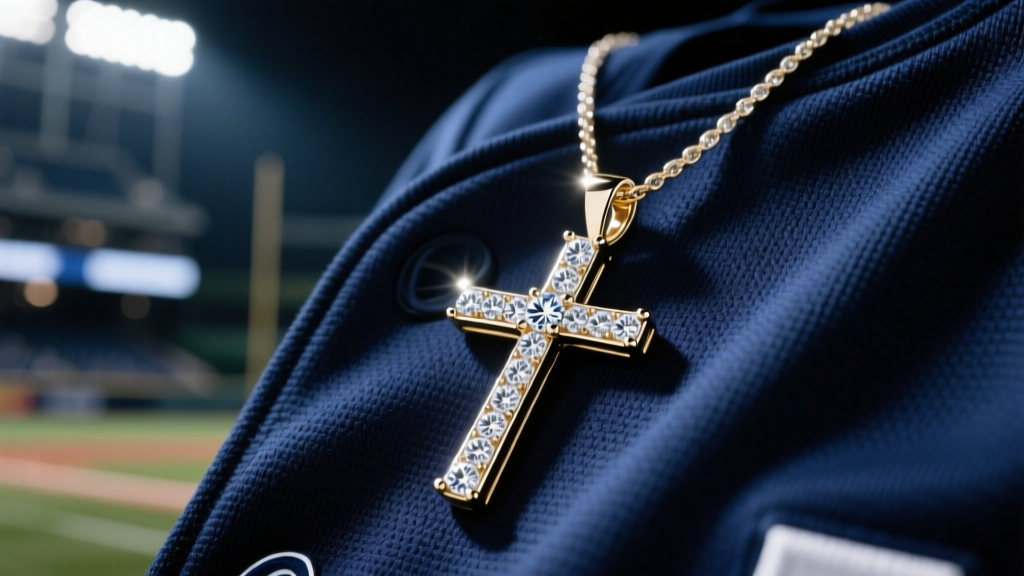
The classic diamond cross also remains a staple, but the 2026 iteration features intricate milgrain detailing and hidden pavé diamonds on the sides and bale of the cross, ensuring the piece sparkles from every conceivable camera angle.
How to Steal the MLB Dugout Aesthetic
You do not need a $30 million contract to replicate the layered, rugged-yet-luxurious aesthetic of a major league ballplayer. The key to mastering this look is mastering the art of the asymmetric layer and choosing the right material grades for your budget.
The Civilian Layering Framework
- The Base Layer (20 to 22 inches): Start with a performance-style rope. If authentic Phiten is out of your budget, look for 316L surgical stainless steel braided cables with a matte black PVD coating. This provides the athletic, rugged foundation.
- The Statement Layer (24 to 26 inches): Add a Cuban link or a Figaro chain. For a fraction of the cost of natural diamonds, opt for high-grade Moissanite set in 14k gold vermeil or solid 10k gold. Moissanite actually exhibits more "fire" (dispersion) than diamond, making it incredibly eye-catching in outdoor sunlight.
- The Pendant Drop (28 inches): Finish with a meaningful pendant—a simple cross, a dog tag, or a compass medallion. The staggered lengths prevent tangling and create a cascading visual effect that mimics the effortless drip of an All-Star outfielder.
League Rules, Safety, and Umpire Discretion
While MLB.com News frequently highlights player fashion, the league's official rulebook maintains a strict stance on safety. According to the Official Baseball Rules regarding player safety and uniform codes, jewelry that poses a hazard to the player or others can be deemed illegal by the umpiring crew.
When a player is sliding into second base at 18 miles per hour, a heavy diamond Cuban link becomes a blunt instrument. To mitigate this, many players tuck their chains into their undershirts while on the base paths, or they use athletic tape to secure heavy pendants to their chest during active plays. Furthermore, pitchers are heavily scrutinized; any reflective jewelry that could potentially distract the batter or alter the grip on the baseball is strictly prohibited on the mound. This is why you will often see pitchers wearing only their matte-finish titanium ropes or tucking their gold chains deep beneath their compression gear while pitching.
Final Innings: The Dual Purpose of MLB Neckwear
The necklaces baseball players wear in 2026 are a masterclass in modern menswear. They bridge the gap between the locker room and the red carpet, serving simultaneously as recovery tools, religious anchors, and high-value financial assets. Whether you are drawn to the bio-magnetic promises of a braided titanium rope or the undeniable brilliance of a VVS1 diamond Cuban, the MLB dugout remains one of the most influential runways for men's jewelry on the planet.


