Guide: Necklaces to Wear With Wedding Dress Necklines
Discover the best necklaces to wear with wedding dress necklines. Expert guide on lengths, metals, and pendants for V-neck, strapless, and halter gowns.

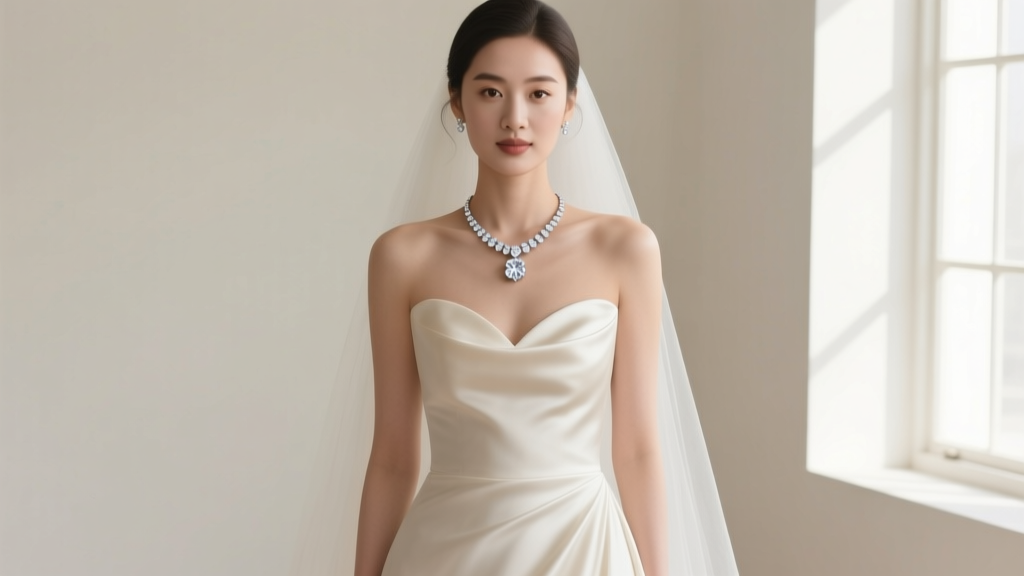
The Architecture of Bridal Jewelry
Selecting the right necklaces to wear with wedding dress silhouettes is less about accessorizing and more about structural balance. As we navigate the 2026 bridal season, the industry has decisively moved away from overly matched, heavy parures (matching sets) in favor of intentional, curated contrasts. Your necklace must complement the architectural lines of your gown without competing with its inherent detailing. Whether you are wearing a minimalist crepe sheath or a heavily beaded ballgown, understanding the interplay between metal, gemstone weight, and fabric neckline is critical to achieving a cohesive bridal portrait.
The fundamental rule of bridal proportion is the Rule of Thirds. If your bodice features intricate embroidery, 3D floral appliques, or heavy crystal beading, your neck should remain entirely bare or feature a barely-there micro-pendant. Conversely, a stark, unadorned strapless or deep-V neckline provides a blank canvas that demands visual weight. According to Brides Magazine's neckline styling guide, the most common mistake brides make is choosing a necklace that visually 'cuts' the neck at an awkward midpoint, disrupting the natural elongation of the décolletage.
Neckline-by-Neckline Matching Framework
To eliminate guesswork, we have mapped specific necklace lengths and styles to the most popular bridal necklines. Use this matrix as your primary decision-making tool during your jewelry consultation.
| Dress Neckline | Ideal Length | Recommended Style | Avoid At All Costs |
|---|---|---|---|
| Strapless / Straight | 14" - 16" | Diamond Tennis Choker, Multi-strand Collar | Long Y-drops, Matinee lengths |
| Sweetheart | 16" - 18" | Solitaire Pendant, Delicate Lariat | Chunky statement bibs, wide chokers |
| Deep V-Neck / Plunge | 18" - 22" | Princess Pendant, Y-Necklace | Short chokers that hover above the V |
| Halter / High Neck | N/A | Skip necklace; opt for drop earrings | Any necklace resting on the fabric |
| Illusion / Bateau | 20" - 24" | Opera-length chain worn over fabric | Short pendants that tangle in tulle |
Strapless and Sweetheart: Framing the Collarbone
A strapless gown exposes the entire upper chest, making it the ideal canvas for a 14-inch to 16-inch choker or collar. For a classic, high-impact look, a diamond tennis necklace with a total carat weight (TCW) between 5.00 and 8.00 carats provides a continuous ribbon of light. When selecting a tennis necklace, ensure the diamonds are set in a flexible, articulated four-prong basket setting. Rigid settings will not lay flat against the clavicle and will buckle when you sit or hug guests.
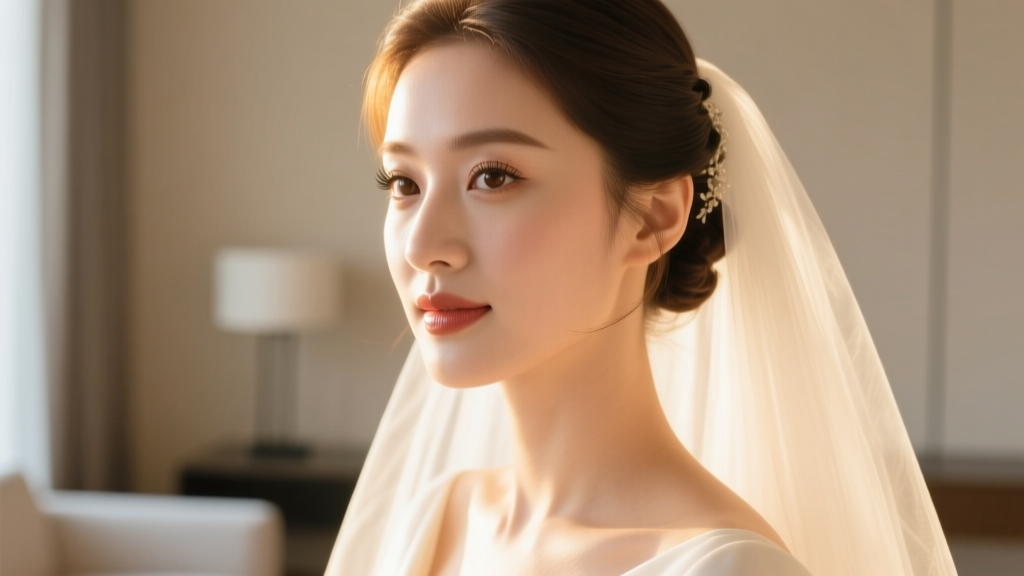
For sweetheart necklines, which already feature complex curved lines, a simple 16-inch or 18-inch princess-length pendant is superior. A single lab-grown diamond solitaire (1.50 to 2.00 carats) in a platinum bezel setting offers a modern, frictionless profile that won't catch on delicate lace bodices.
V-Neck and Plunge: Elongating the Silhouette
The geometry of a V-neck dress naturally draws the eye downward. Your jewelry should follow this trajectory. An 18-inch to 20-inch Y-necklace or a lariat pendant perfectly mirrors the dress's angles. The Gemological Institute of America (GIA) notes that pear-shaped and marquise-cut diamonds are exceptionally effective in V-neck pendants, as their tapered points amplify the elongating effect of the neckline. Avoid chokers with V-necks; the visual disconnect between the high necklace and the low dress plunge creates a jarring, disproportionate look.
Material Science: Metals and Flash Photography
Not all white metals behave identically under the intense, multi-directional flash photography typical of modern wedding receptions. Understanding the metallurgy of your chain is vital for ensuring your jewelry looks as good in digital proofs as it does in person.
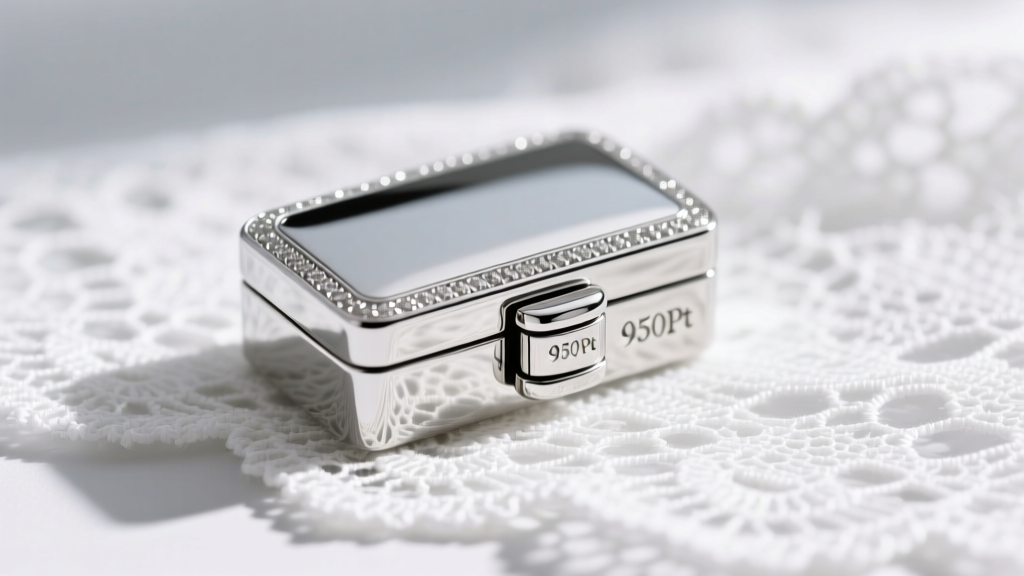
- Platinum 950 (95% Platinum, 5% Ruthenium/Iridium): The undisputed king of bridal metals. It is naturally white, hypoallergenic, and incredibly dense. Unlike gold alloys, platinum does not require rhodium plating. When scratched, it develops a 'patina' rather than losing metal, making it the safest choice for heirloom bridal pieces.
- 18k White Gold (75% Gold, 25% Palladium/Nickel): White gold is inherently yellowish and relies on a microscopic layer of rhodium plating to achieve a bright white finish. By the end of a 12-hour wedding day, friction from skin and fabrics can wear this plating thin, potentially causing the metal to reflect a warm, yellowish tint under harsh camera flashes.
- Recycled Silver (Sterling 925): While budget-friendly, silver is prone to rapid oxidation (tarnishing) when exposed to the sulfur compounds in sweat and certain hairsprays. If you must wear silver, ensure it has been treated with a professional anti-tarnish nano-coating prior to the ceremony.
Chain Weaves and Clasp Mechanics
The structural integrity of your necklace is just as important as its aesthetic. A broken clasp mid-ceremony is a bride's worst nightmare. The type of chain weave and the clasp mechanism dictate the piece's durability.
Optimal Chain Weaves for Bridal Pendants
For holding a heavy center stone pendant (over 1.00 carat), avoid delicate cable or box chains. Box chains are notorious for kinking irreparably if bent against the skin. Instead, opt for a Wheat (Spiga) chain or a Rope chain. These weaves feature interlocking, multi-directional links that offer superior tensile strength and resist kinking, ensuring your pendant remains securely suspended throughout the day.
Clasp Failures to Avoid
Never trust a standard spring-ring clasp for high-value bridal jewelry. The tiny internal spring mechanism is highly susceptible to failure from heat, sweat, and tension. Demand one of the following secure closures from your jeweler:
- Lobster Claw Clasp: The industry standard for chains. Ensure the lever action is smooth and the closure is completely flush with no visible gaps.
- Box Clasp with Figure-8 Safety Catch: Mandatory for diamond tennis necklaces and heavy multi-strand collars. The box mechanism locks the tongue in place, while the secondary wire 'figure-8' catch ensures the necklace stays on your neck even if the primary box mechanism fails.
"A bridal necklace should feel like a second skin. If you find yourself adjusting the clasp or checking the pendant's alignment in every mirror, the piece is fundamentally incompatible with your dress's architecture." — Master Jeweler's Bench Notes, 2025
Sourcing and Budgeting for the Modern Bride
The 2026 bridal market has fully embraced lab-grown diamonds (LGDs) for secondary jewelry pieces like necklaces and earrings, allowing brides to allocate their primary budget toward the engagement ring. When sourcing a lab-grown diamond pendant, insist on CVD (Chemical Vapor Deposition) stones over HPHT (High Pressure High Temperature) for larger solitaires. CVD diamonds generally exhibit superior color consistency and lack the residual magnetic properties sometimes found in HPHT stones, which can occasionally interfere with delicate jewelry scales or specific metallic settings.
By treating your necklace selection as an exercise in structural engineering and visual proportion, rather than a mere afterthought, you guarantee a harmonious, timeless bridal aesthetic that will translate flawlessly from the altar to the archival photograph.


