Niihau Necklace Care: Ultimate Cleaning & Storage Guide
Learn how to protect your investment with our expert Niihau necklace care guide. Discover safe cleaning methods, proper storage, and thread maintenance.

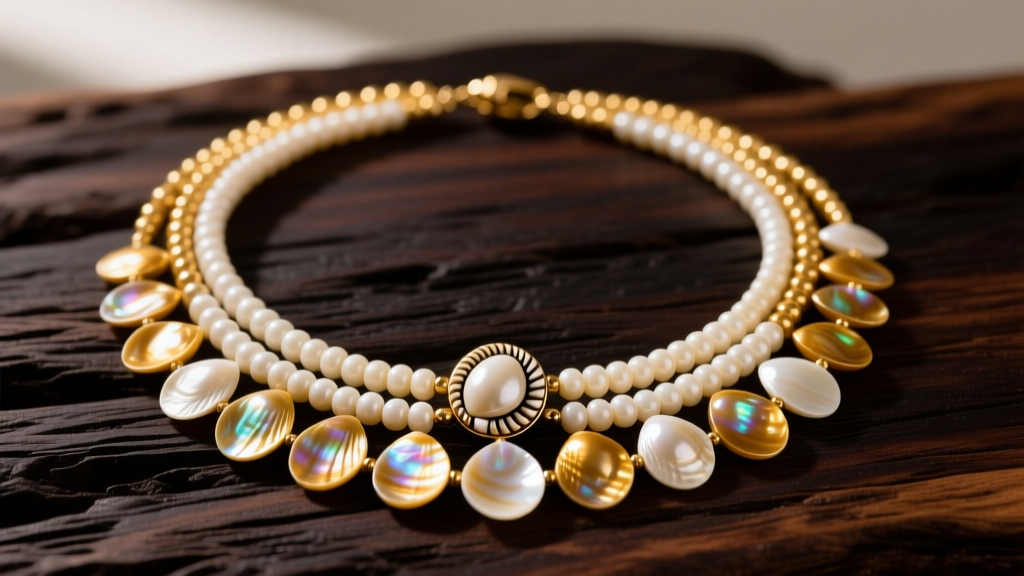
Owning a genuine Niihau shell necklace is akin to holding a piece of living Hawaiian history. Crafted from microscopic, gem-quality shells found primarily on the shores of Niihau and Kauai, these exquisite leis are not merely jewelry; they are significant financial investments. In 2026, a high-quality, multi-strand Niihau necklace featuring rare hot pink or golden kahelelani shells can easily command prices ranging from $5,000 to well over $30,000. Because these shells are entirely organic and strung on delicate fibers, they require a highly specialized approach to maintenance. Standard jewelry cleaning methods will irreparably damage both the shells and the structural integrity of the lei. This comprehensive guide details the exact protocols for cleaning, wearing, and storing your Niihau necklace to ensure it survives for generations.
The Anatomy and Vulnerability of Niihau Shells
To understand how to care for a Niihau necklace, you must first understand its composition. Authentic pieces are typically made from three primary shell types: the kahelelani (prized for its tiny size, often under 2mm, and vibrant gold, brown, or pink hues), the laiki (a pristine, rice-grain-sized white shell), and the kamoa (a slightly larger, golden-brown shell). These shells are composed of calcium carbonate, the same organic matrix found in pearls and coral.
Calcium carbonate is highly porous and remarkably sensitive to acids, harsh alkalines, and abrasive friction. Furthermore, the natural ridges and microscopic grooves of the kahelelani shell can easily trap environmental debris, skin oils, and cosmetic residues. According to cultural archives maintained by the Bernice Pauahi Bishop Museum, the traditional preparation of these shells involves meticulous hand-picking and sun-bleaching, meaning their natural luster is entirely dependent on preserving their unaltered outer layer. Stripping this layer through improper cleaning will leave the shells looking chalky, dull, and lifeless.
Daily Wear: Preventing Damage Before It Happens
The most effective maintenance strategy for a Niihau necklace is preventative. The environment in which you wear the lei directly impacts its lifespan. Skin acidity varies from person to person, and natural sebum can slowly degrade the wax coating on traditional stringing threads while staining the porous shells.
- Cosmetics and Sunscreen: Never apply sunscreen, perfume, or hairspray while wearing your necklace. Zinc oxide and titanium dioxide, common in modern SPF formulas, leave a white micro-film that becomes permanently lodged in the shell's natural ridges.
- Water Exposure: Remove the necklace before swimming, showering, or bathing. Chlorine in pools and salt in the ocean will chemically etch the calcium carbonate surface. Even prolonged exposure to heavy humidity can weaken the stringing material.
- Friction and Snagging: The tiny shells can crack if subjected to blunt force. Avoid wearing heavy bags with shoulder straps that cross over the necklace, and be mindful of high-collared clothing that might cause repetitive friction against the delicate strands.
Safe Cleaning Protocols for Delicate Shells
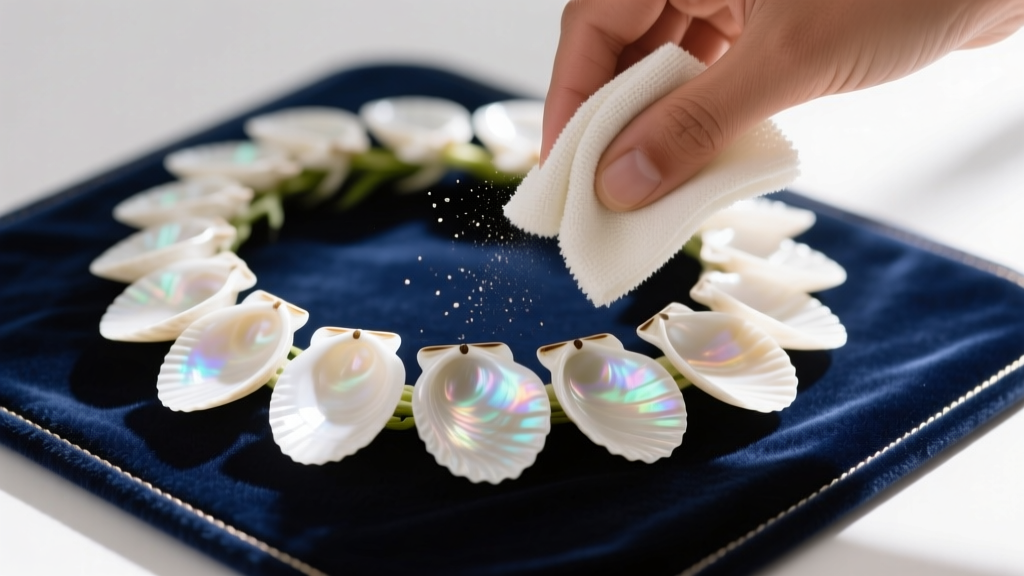
When your Niihau necklace accumulates dust or light oils, it must be cleaned using the gentlest methods possible. Forget everything you know about cleaning gold, silver, or gemstones. Ultrasonic cleaners, steamers, silver dips, and commercial jewelry solutions are strictly prohibited. The high-frequency vibrations of an ultrasonic cleaner will shatter the microscopic kahelelani shells, while chemical dips will dissolve their natural luster.
The Step-by-Step Dry and Damp Wipe-Down
For routine maintenance after wearing, follow this exact protocol:
- Dry Dusting: Lay the necklace flat on a clean, lint-free microfiber cloth. Using a second dry microfiber cloth, gently run the strands through your fingers to remove surface dust and skin oils. Do not pull or stretch the strands.
- Targeted Damp Cleaning: If there is visible residue, slightly dampen a corner of a microfiber cloth with distilled water only. Tap water contains chlorine and trace minerals that can leave microscopic deposits on the shells. Wipe the affected shells gently, avoiding the stringing thread as much as possible.
- Drying: Immediately dry the shells with a separate, bone-dry microfiber cloth. Allow the necklace to air dry completely in a shaded, room-temperature area for at least two hours before storing it. Never use a hairdryer or place it in direct sunlight to speed up the drying process, as UV exposure and heat can fade the rare pink and gold hues of the shells.
Thread Integrity: The Hidden Vulnerability
While the shells garner the most attention, the thread is the structural lifeline of your Niihau necklace. A broken thread means lost shells, and replacing a single lost kahelelani shell is nearly impossible due to the extreme difficulty of matching the exact color, size, and drill hole diameter. Historically, master lei makers used cotton or silk threads, but modern conservation standards have introduced new materials. The Kauai Museum frequently advises collectors on the importance of monitoring thread degradation, which is often invisible until a catastrophic failure occurs.
| Material | Pros | Cons | Estimated Lifespan (with regular wear) |
|---|---|---|---|
| Waxed Cotton | Traditional drape; knots hold securely; authentic aesthetic. | Highly susceptible to sweat, moisture rot, and oil degradation. | 2 to 4 years |
| Bonded Nylon | Exceptional tensile strength; resistant to moisture and rot. | Stiffer drape; can stretch over time under the weight of multi-strand leis. | 5 to 8 years |
| Silk | Beautiful luster; traditional luxury feel. | Very fragile; degrades rapidly when exposed to skin acids and humidity. | 1 to 2 years |
If your necklace feels stiff, or if you notice dark, discolored patches near the clasp or the center of the neck (where sweat accumulates), the thread is actively degrading and requires immediate professional attention.
Long-Term Storage and Environmental Controls
Improper storage is the second leading cause of damage to Niihau shell leis, right behind chemical exposure. Because these necklaces consist of multiple delicate strands, they are highly prone to tangling. Forcing a tangled strand apart often results in micro-fractures in the shells or snapped threads.
The Ideal Storage Environment:
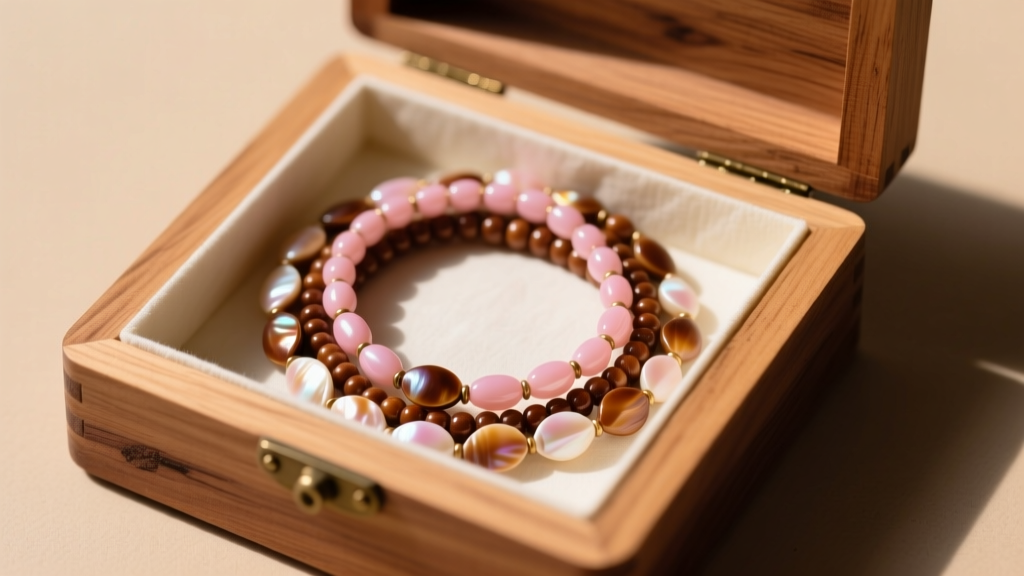
- Container: Store the necklace in a dedicated jewelry box made of untreated cedar or koa wood. Avoid plastic bags or PVC-lined boxes, which can off-gas chemicals that yellow the white laiki shells over time.
- Padding: Line the box with unbuffered, acid-free archival tissue paper. Never use standard tissue paper or cotton batting, as the fibers can snag on the microscopic edges of the shells or the cowrie clasp.
- Coiling Technique: Do not hang a multi-strand Niihau necklace. The constant gravitational pull will stretch the thread and weaken the knots at the clasp. Instead, gently coil the necklace in a figure-eight pattern or loose concentric circles to prevent kinking.
- Climate Control: Maintain a stable environment with a relative humidity of around 45-55%. Extreme dryness can make the shells brittle, while high humidity encourages mold growth on organic cotton threads.
When to Seek Professional Restringing
Even with impeccable care, a Niihau necklace worn regularly will eventually need to be restrung. As a general rule, you should have a master lei maker inspect and restring your piece every 3 to 5 years. Restringing a complex, multi-strand piece with thousands of tiny shells is an agonizingly slow process that requires specialized needles and magnification.
In 2026, professional restringing services typically cost between $200 and $600, depending on the number of strands, the length of the lei, and the specific knotting technique requested. Some collectors opt for a 'French knot' technique between every few shells; while this slightly alters the fluid drape of the necklace, it ensures that if the thread does snap, you only lose a fraction of an inch of shells rather than the entire strand. Always ensure your restringing artisan uses high-grade, UV-resistant bonded nylon or heavily waxed marine-grade cotton to maximize the time between future maintenance sessions. By respecting the organic nature of these rare Hawaiian treasures, you preserve not just a financial asset, but a profound piece of Polynesian artistry.


