2026 Gift Guide: Choosing the Perfect Designer Charm Necklace
Discover the ultimate 2026 gift guide for a designer charm necklace. Learn how to match metals, motifs, and chains to life's milestone occasions.

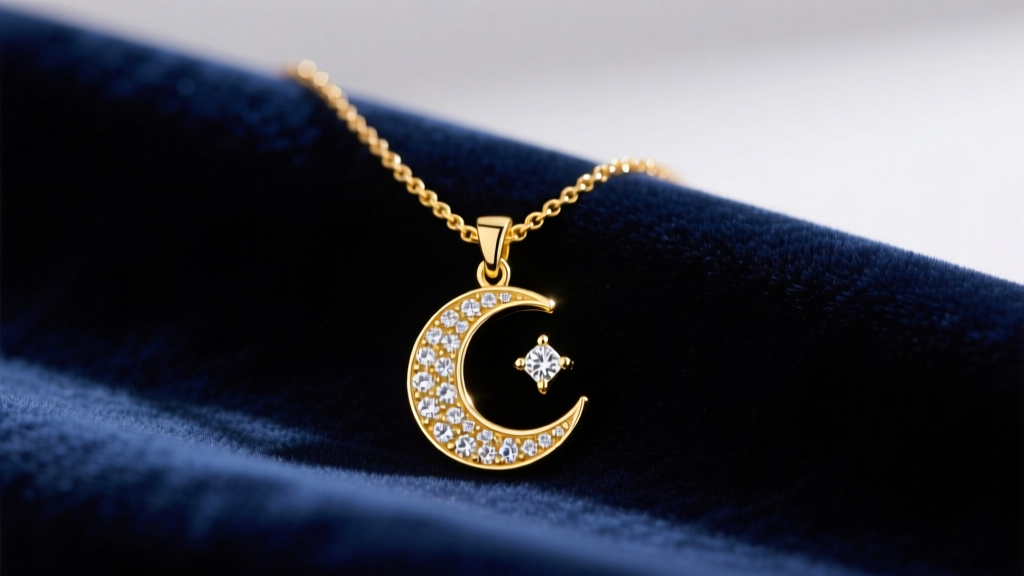
The Anatomy of a Heirloom: What Defines a Designer Piece?
Gifting jewelry is an exercise in emotional translation. When you select a designer charm necklace, you are not merely purchasing an accessory; you are acquiring a tangible narrative. However, the term "designer" is frequently diluted in the mass market. True designer pieces distinguish themselves through superior casting methods, meticulous hand-finishing, and rigorous structural engineering. While fast-fashion charms are often die-striking stamped from thin sheets of base metal—leaving microscopic burrs and weak seams—luxury designer charms are typically created using the lost-wax casting method. This ancient technique allows for intricate, three-dimensional detailing and ensures a uniform density of precious metal throughout the piece.
Furthermore, the finishing process elevates a designer charm from a simple trinket to an heirloom. According to the Jewelers of America, high-end pieces undergo multiple stages of hand-polishing, from coarse pumice to fine rouge, ensuring a mirror-like luster or a perfectly uniform matte satin finish. Mass-market pieces are simply tumbled in a vat of steel shot, which rounds off sharp details and fails to reach the recessed areas of complex motifs.
Metal Grades & Chain Gauges
Understanding the metallurgy of your gift is critical for longevity. An 18k yellow gold charm consists of 75% pure gold, alloyed with roughly 12.5% copper and 12.5% silver to achieve its warm, rich hue while maintaining the structural integrity needed for daily wear. In contrast, 14k gold (58.3% pure) offers higher scratch resistance but lacks the coveted depth of color. For white gold, ensure the piece is rhodium-plated to a thickness of at least 2.0 microns to prevent premature wear-through to the yellowish alloy beneath.
The chain is just as vital as the charm. A common failure point in gifted necklaces is a chain that cannot support the charm's weight. For charms weighing between 3 and 8 grams, you must select a chain with a wire gauge of at least 1.2mm to 1.5mm. Cable, rolo, or box chains are ideal. Crucially, the jump ring connecting the charm to the chain must be soldered shut or forged from wire no thinner than 18-gauge (1.02mm) to prevent it from pulling apart under tension. The Gemological Institute of America (GIA) emphasizes that proper alloying and structural thickness are the primary indicators of fine jewelry longevity.
Occasion Matching: Selecting the Right Motif
The power of a charm lies in its symbolism. Matching the motif to the recipient's specific milestone transforms a beautiful object into a deeply personal talisman. Below is a strategic framework for aligning designer motifs with life's major events, including current 2026 market pricing for authentic luxury pieces.
| Milestone Occasion | Recommended Motif | Ideal Metal & Finish | Estimated Price Range (USD) |
|---|---|---|---|
| University Graduation | Compass, Astrolabe, or North Star | 14k White Gold, High Polish | $450 - $850 |
| Birth of First Child | Engraved Initial, Locket, or Knot | 18k Yellow Gold, Satin Finish | $900 - $1,600 |
| 10th Anniversary | Interlocking Circles, Infinity Weave | 950 Platinum or 18k Rose Gold | $1,800 - $3,500 |
| Milestone Birthday (30/40) | Zodiac Signet, Birthstone Inlay | Mixed Metals (Two-Tone) | $700 - $1,400 |
| Career Promotion | Arrow, Key, or Architectural Column | 18k Yellow Gold, Brushed Edges | $600 - $1,100 |
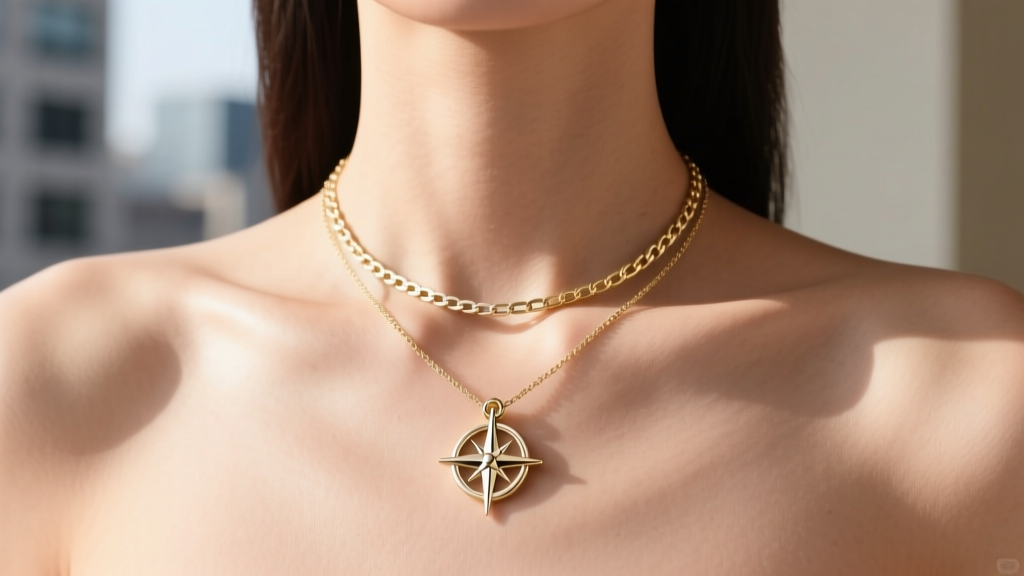
Sizing & Layering: The 16-to-18 Inch Rule
A designer charm necklace must sit perfectly on the décolletage to catch the light and draw the eye. The standard "princess" length of 18 inches is the most versatile for gifting, as it rests comfortably just below the collarbone and pairs flawlessly with V-necks, scoop necks, and open-collared blouses. However, if the recipient favors high-necked blouses, turtlenecks, or crew-neck cashmere sweaters, a 16-inch "choker" length is a more modern, tailored choice that prevents the charm from getting lost in fabric folds.
Bail Mechanics and Layering Dynamics
When gifting to a woman who actively layers her necklaces, the bail (the loop that attaches the charm to the chain) dictates how the piece behaves. A slide bail allows the charm to glide freely along the chain, which is beautiful on a standalone piece but can lead to frustrating tangles when layered with other chains. A fixed bail, or a soldered jump ring, locks the charm in the center of the chest. For a layered look, always opt for a fixed bail charm, and pair it with a chain that features a 2-inch extender, allowing the recipient to stagger the lengths perfectly against her existing 14-inch and 20-inch chains.
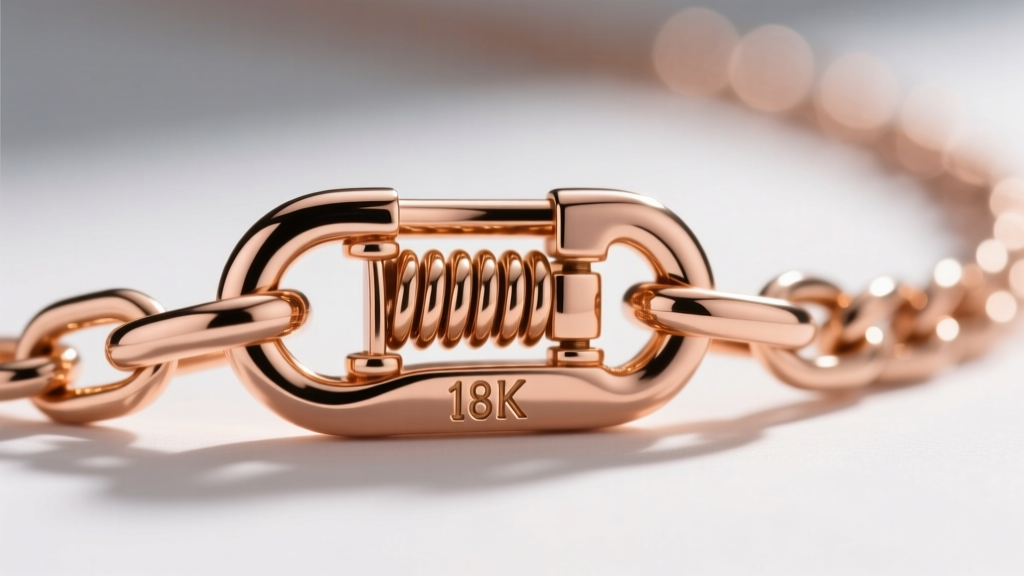
Clasp Mechanics & Security
The clasp is the unsung hero of any necklace, yet it is frequently overlooked by gift buyers. Mass-market necklaces often utilize spring-ring clasps, which are difficult to operate with one hand and prone to internal spring failure over time. When investing in a designer charm necklace, insist on a solid lobster clasp. Lobster clasps feature a heavier, more robust internal spring mechanism and a wider jaw that securely grips the opposing jump ring.
For ultra-luxury pieces featuring heavy solid gold or platinum charms (exceeding 10 grams), look for a designer box clasp equipped with a "figure-8" safety catch. This secondary wire hinge snaps over a small peg on the opposite side of the clasp, ensuring that even if the primary box mechanism accidentally depresses, the necklace will not slide off the wearer's neck.
Brand Spotlight: 2026 Market Leaders in Charm Design
Navigating the designer landscape requires knowing which houses excel in specific aesthetics. Here are the top-tier designers dominating the charm necklace category this year:
- Tiffany & Co.: Beyond their classic sterling silver Return to Tiffany line, their 18k gold HardWear and Lock collections offer architectural, industrial-chic charms that appeal to modern, minimalist tastes.
- David Yurman: The undisputed master of the cable motif. Yurman’s charm necklaces often feature mixed metals (such as a sterling silver chain with an 18k gold charm) and pavé diamond accents, perfect for the bohemian-luxe aesthetic.
- Charlotte Chesnais: For the avant-garde recipient, Chesnais offers sculptural, fluid gold charms that look like miniature pieces of modern art, often wrapping around the chain itself rather than simply hanging from it.
- Missoma: The premier choice for accessible luxury. Missoma specializes in solid 14k gold and heavy vermeil pieces with intricate, vintage-inspired coin and talisman charms, ideal for gifting on a mid-tier budget ($250–$600).
Final Gifting Checklist
Before finalizing your purchase and wrapping the box, run through this essential quality-assurance checklist to ensure your designer charm necklace meets the highest standards of fine jewelry:
- Verify the Hallmark: Use a jeweler's loupe to inspect the clasp or the back of the charm bail. You should see a clear stamp indicating metal purity (e.g., 750, 18k, 950Pt) and the designer’s registered maker's mark.
- Inspect the Jump Ring: Ensure the ring connecting the charm to the chain is flush and, ideally, soldered shut. If it is an open ring, the gap should be virtually invisible to the naked eye.
- Check the Chain Flow: Run the chain through your fingers. It should lay perfectly flat without any kinks, twists, or stiff links, indicating high-quality assembly and proper annealing during manufacturing.
- Assess the Weight: A genuine designer solid gold charm will have a distinct, satisfying heft. If it feels suspiciously light or hollow, it may be a lower-quality electroformed piece rather than a solid cast heirloom.
By prioritizing structural integrity, meaningful motifs, and precise metallurgy, your gift will transcend fleeting trends and become a cherished, everyday staple in the recipient's jewelry wardrobe.


