Off White Necklace Troubleshooting: Authenticity, Care & Repairs
Troubleshoot common issues with your Off White necklace. Learn how to authenticate pieces, prevent enamel chipping, and restore tarnished silver chains.

The Intersection of Streetwear and Metallurgy
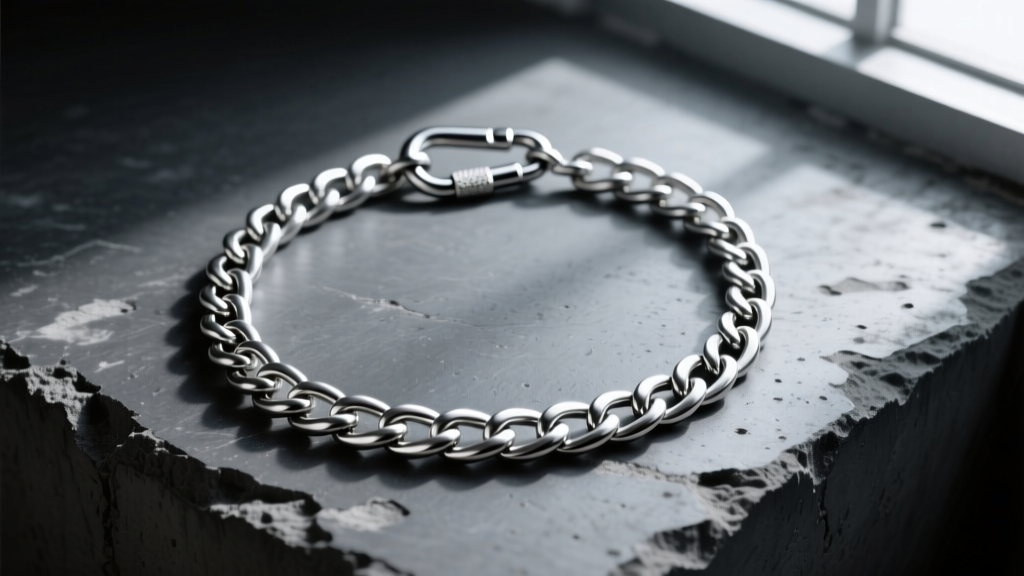
When Virgil Abloh launched Off-White™, he didn't just disrupt apparel; he redefined luxury accessories by blending industrial hardware with high fashion. Today, an Off White necklace is a staple in streetwear-luxury collections. However, the brand's unique design philosophy—often repurposing industrial elements like carabiners, zip-ties, and heavy chain links—creates a unique set of maintenance and authentication challenges for collectors. Unlike traditional fine jewelers who prioritize delicate preservation, Off-White's aesthetic embraces raw, utilitarian materials. This means owners frequently face issues ranging from rapid brass tarnishing and enamel chipping to sophisticated counterfeit hardware. This guide provides deep-dive troubleshooting for authenticating, maintaining, and repairing your Off-White™ necklaces, ensuring your investment retains both its structural integrity and its resale value.
Authentication Troubleshooting: Spotting the Fakes
The secondary market for Off-White jewelry is saturated with high-tier replicas. Because many of the brand's fashion jewelry pieces utilize standard chain blanks modified with signature pendants, counterfeiters have an easier time replicating them compared to complex haute joaillerie. According to authentication experts at RealAuthentication, spotting a fake requires examining the micro-details of the hardware and branding.
The Zip-Tie and Tag Indicators
While mostly associated with footwear and apparel, Off-White's jewelry packaging and occasional integrated design motifs feature the signature zip-tie. Authentic tags are made from a specific polyurethane blend with laser-etched text. Counterfeits often use injection-molded plastic, leaving a raised 'flashing' seam along the edges. Furthermore, the font kerning on fakes is frequently inconsistent, particularly around the trademark (™) symbol.
Hallmarks and Font Kerning
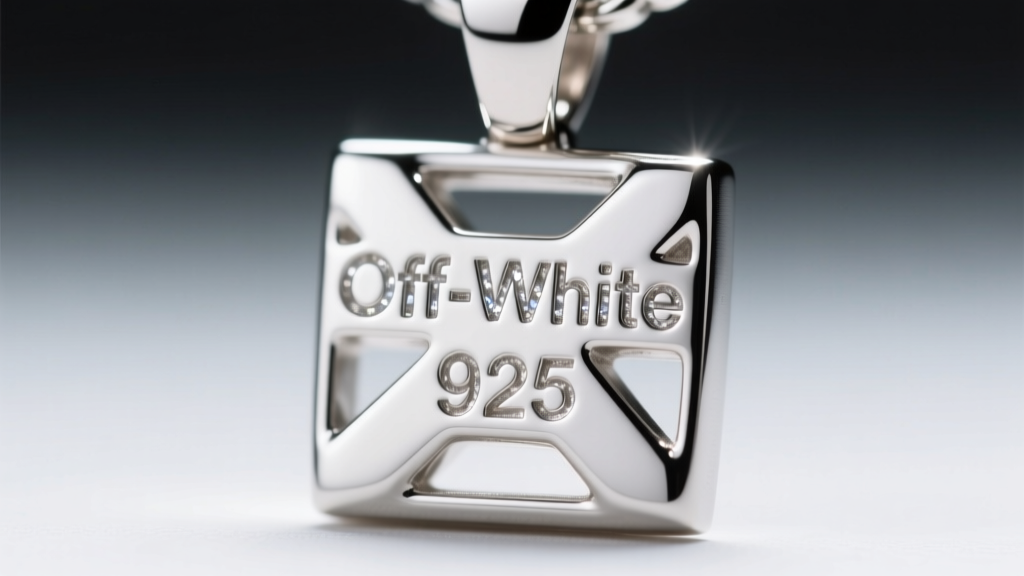
For the Off-White Fine Jewelry lines (which utilize 925 sterling silver and 18k gold), the hallmarks are your best troubleshooting tool. Authentic pieces feature deeply laser-engraved stamps reading '925', 'Off-White™', and often the specific collection name. Fakes tend to use shallow acid-etching or stamped logos that appear blurred under a 10x jeweler's loupe.
Material Degradation: Why Your Chain is Tarnishing
One of the most common complaints among buyers is rapid tarnishing or 'greening' of the skin. To troubleshoot this, you must first identify whether your necklace belongs to the brand's fashion jewelry line or their fine jewelry line, a distinction heavily documented in retail archives like Farfetch.
- Fashion Jewelry (Brass Base): Many streetwear-focused pieces are crafted from a brass alloy base with a PVD (Physical Vapor Deposition) silver or gold-tone coating. When this microscopic coating wears away from friction against the collarbone, the underlying copper in the brass reacts with the acidity and salts in your sweat, creating copper chloride (the green residue).
- Fine Jewelry (Sterling Silver): Authentic 925 silver will not turn your skin green, but it will oxidize and turn black due to sulfur compounds in the air and cosmetics.
The Fix: Restoration and Prevention
For brass-based pieces that have lost their plating, standard silver polishes will actually strip the remaining PVD coating. Instead, clean them with a mild, pH-neutral dish soap and a baby toothbrush. To prevent further skin reactions on exposed brass, apply a micro-thin layer of clear, non-yellowing nail polish or a specialized jewelry shield spray to the back of the pendant and the inner links of the chain. For 925 sterling silver pieces, use a treated jeweler's cloth impregnated with anti-tarnish agents, avoiding liquid dips that can damage adjacent enamel.
Enamel Chipping and Hardware Rust: Prevention and Fixes
Off-White frequently utilizes cold enamel (an epoxy-based resin) for its vibrant, graphic pendants, alongside raw or brushed steel carabiners for clasps. Both materials are highly susceptible to environmental damage.
The Carabiner Rust Problem
The industrial carabiners used as clasps or decorative drops are often made from zinc alloy or stamped steel with a brushed nickel finish. When the factory clear-coat fails, the underlying metal oxidizes, leading to white rust (zinc oxide) or red rust (iron oxide). To halt this, gently clean the rusted area with a fiberglass scratch pen, then seal the hardware using a micro-crystalline wax, such as Renaissance Wax. This creates a moisture barrier without altering the matte, industrial aesthetic of the metal.
Cold Enamel Impact Damage
Unlike vitreous enamel (fused glass), cold enamel is essentially a hardened resin. It is highly prone to chipping if dropped on hard surfaces like tile or concrete. If your enamel pendant chips, do not attempt to fill it with superglue, which will yellow and create a raised, glossy scar. Instead, consult a jeweler who specializes in resin art restoration to color-match and fill the divot using UV-cured jewelry resin.
| Issue | Material Cause | Actionable Solution | Est. Repair Cost |
|---|---|---|---|
| Green Skin / Tarnish | Brass base reacting to sweat pH | Apply jewelry shield spray; re-plate via PVD | $15 - $60 |
| Carabiner Oxidation | Zinc alloy clear-coat failure | Fiberglass pen + Renaissance Wax seal | $10 (DIY) |
| Enamel Chipping | Impact on cold epoxy resin | UV-cured resin color-match fill | $45 - $90 |
| Chain Link Stretching | Heavy pendant on thin wire | Solder reinforcement rings; upgrade chain | $30 - $120 |
Styling & Hardware Snagging Solutions
The utilitarian design of an Off White necklace often features sharp edges, exposed screw heads, and heavy industrial clasps. While visually striking, these elements act like grappling hooks against delicate knitwear, mohair, and silk. The weight distribution of these pendants also causes thinner chains to pull and stretch at the jump rings.

Weight Distribution and Chain Upgrades
If your pendant is causing the stock chain to stretch, the issue is usually an undersized jump ring connecting the heavy pendant to the chain. A bench jeweler can easily solder a thicker, 18-gauge sterling silver or stainless steel jump ring to distribute the kinetic weight. Furthermore, if you are layering an Off-White piece over high-end streetwear, use a silicone chain shortener or a leather backing pad on the back of the pendant to prevent the metal edges from catching and pulling individual threads from your garments.
'The beauty of industrial jewelry lies in its raw imperfections, but preserving those imperfections requires a shift from traditional fine jewelry care to architectural material maintenance.' — Jewelry Conservation Specialist
Final Thoughts on Streetwear Jewelry Care
Owning an Off-White necklace is about embracing a design language that blurs the line between construction hardware and luxury adornment. By understanding the specific metallurgy of your piece—whether it's a PVD-coated brass fashion piece or a solid 925 fine jewelry investment—you can preemptively troubleshoot tarnish, halt hardware oxidation, and confidently authenticate your collection. Treat your pieces not just as accessories, but as wearable industrial art, and they will maintain their structural edge and cultural value for years to come. For more insights into the cultural impact of streetwear luxury, industry analyses from the Business of Fashion provide excellent context on how these materials are sourced and valued in the modern secondary market.


