How to Choose an Omega Necklace with Pendant: Beginner Guide
Learn how to choose, style, and care for an omega necklace with pendant. Discover bail sizes, metal grades, and kink-prevention tips.

Understanding the Anatomy of an Omega Chain
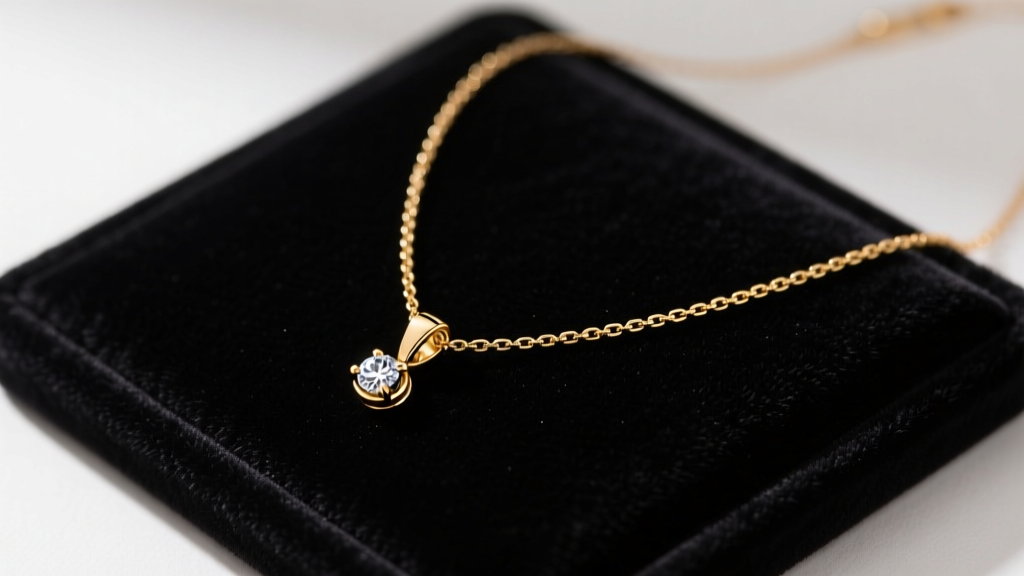
If you are stepping into the world of fine jewelry, you have likely encountered the sleek, reflective surface of an omega chain. Unlike traditional link chains (such as cable or figaro styles) that drape fluidly, an omega necklace is semi-rigid. It is constructed from a series of interlocking metal plates that are assembled over a flexible wire mesh or solid core. This unique engineering gives the metal a continuous, liquid-mirror finish that catches the light beautifully, making it a premium choice for showcasing a centerpiece gemstone or charm.
However, pairing an omega necklace with pendant designs requires a specific understanding of jewelry mechanics. Because the chain is flat and relatively stiff, it does not bend or twist like a standard rope chain. This structural rigidity is exactly what gives the necklace its elegant, collar-like drape, but it also introduces unique challenges regarding pendant compatibility, clasp durability, and long-term maintenance. In this beginner-friendly explainer, we will break down everything you need to know to confidently select, style, and care for your omega jewelry in 2026.
The Pendant Bail Dilemma: Sizing and Compatibility
The most common mistake beginners make when buying an omega necklace with pendant setups is assuming any pendant will fit. Standard pendants come equipped with a 'jump ring' or a small circular bail designed for thin, flexible chains. An omega chain, however, is flat and wide. Forcing a standard pendant onto an omega chain will result in a stuck pendant, scratched metal, or a damaged chain core.
To successfully pair these pieces, your pendant must feature an omega bail (sometimes called a sliding tube bail or a European bail). This is a wide, rectangular, or cylindrical loop that allows the flat chain to slide through freely. According to the GIA Gem Encyclopedia, proper clearance is vital to prevent metal-on-metal friction that can wear down gold vermeil or silver plating over time.
The Golden Rule of Bail Sizing
As a general rule, the inner diameter of the pendant bail must be at least 1.5mm larger than the combined width and thickness of the omega chain. Below is a quick reference chart to help you match your chain width to the correct pendant hardware:
| Omega Chain Width | Chain Thickness (Approx.) | Minimum Bail Inner Opening | Best Pendant Styles |
|---|---|---|---|
| 2.0mm - 3.0mm | 1.0mm | 4.5mm x 2.5mm | Small solitaire diamonds, lightweight charms |
| 4.0mm - 5.0mm | 1.5mm | 6.5mm x 3.0mm | Medium gemstone drops, geometric gold pendants |
| 6.0mm - 8.0mm | 2.0mm+ | 9.0mm x 4.0mm | Large statement pieces, vintage lockets |
Metal Grades and Pricing: What to Expect
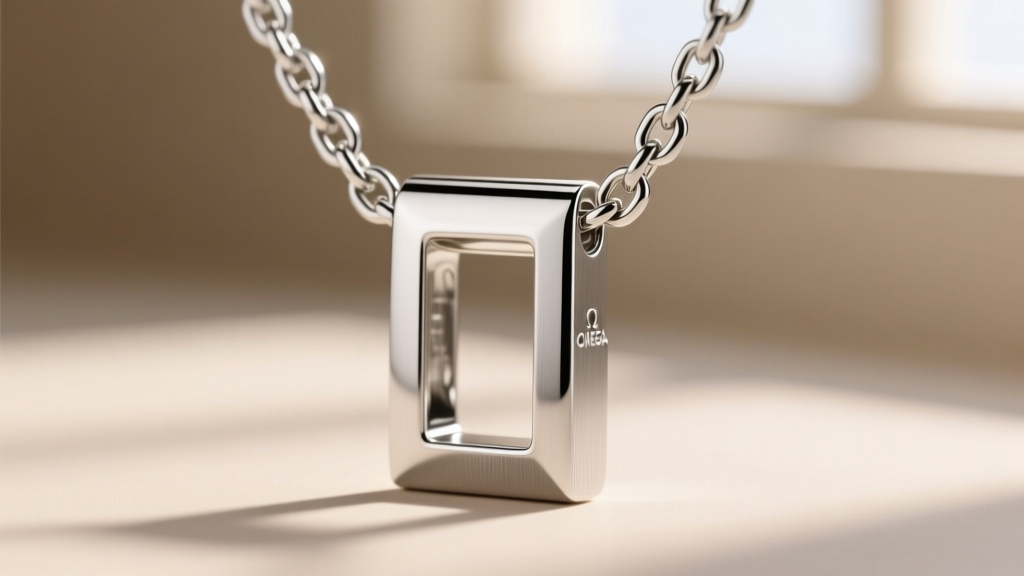
When shopping for an omega necklace with pendant combinations, the metal grade dictates not only the price but also the structural longevity of the piece. Because omegas rely on tightly fitted plates, softer metals can degrade faster if subjected to daily friction.
- Sterling Silver (925): Priced between $40 and $120. Silver is an excellent entry point, but it is naturally softer and more prone to kinking. It also requires regular polishing to prevent tarnish, which can build up in the microscopic crevices between the interlocking plates.
- Gold Vermeil (2.5+ microns over 925): Priced between $80 and $250. Vermeil offers the look of gold at a fraction of the cost. However, the friction from a sliding pendant bail can eventually wear through the gold layer on the top plates, exposing the silver underneath.
- Solid 14k or 18k Gold: Priced from $600 to over $3,000 depending on weight. As noted by the Gemological Institute of America (GIA), 14k gold offers the ideal balance of purity and tensile strength for semi-rigid chains. It holds its shape better than silver and will not tarnish, making it the superior choice for an everyday omega chain.
Clasp Mechanisms and Durability
The clasp on an omega chain is a critical point of failure. Because the chain itself does not fold easily, all the stress of putting the necklace on and taking it off is transferred directly to the clasp and the two end-jump rings.
Barrel Clasps: These screw together and offer a seamless look, but they are notoriously difficult to fasten by yourself and can strip their internal threads over time.
Hidden Box Clasps with Figure-8 Safeties: This is the gold standard for omega chains. The box clasp provides a secure, flush connection, while the figure-8 wire safety catch acts as a backup. If the primary box mechanism accidentally pops open, the figure-8 wire will catch on the opposite peg, preventing your valuable omega necklace with pendant from sliding off your neck and getting lost.
Pro-Tip: Always avoid omega chains that use standard lobster clasps attached to thin wire jump rings. The rigidity of the chain will act as a lever, eventually bending the thin wire ring open and causing the chain to snap off.
How to Prevent Kinking and Permanent Damage
The absolute biggest vulnerability of any omega chain is 'kinking.' Because the internal structure relies on a precise alignment of metal plates over a wire mesh, bending the chain backward past a 45-degree angle will cause the internal mesh to buckle. Once an omega chain kinks, the metal fatigues, the plates separate, and the chain will eventually snap at that exact point. Repairing a kinked omega is often impossible or prohibitively expensive, as the structural integrity is permanently compromised.
Essential Care Rules for Beginners
- Never Sleep in It: Tossing and turning in bed is the number one cause of omega chain kinks. Always remove your necklace before sleeping.
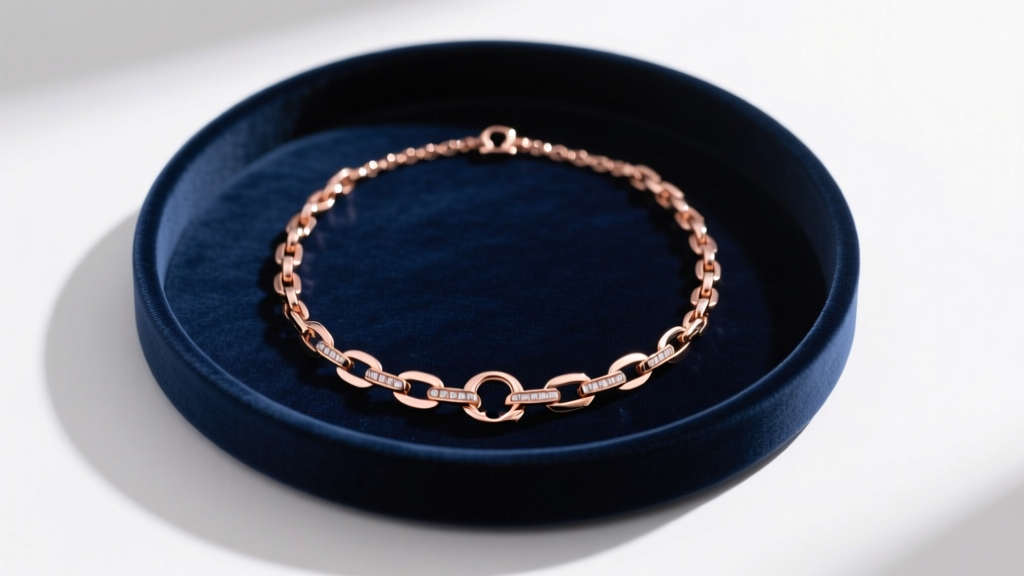
- Store Flat or Hung: Never toss an omega chain into a jewelry box where it can get tangled or folded. Store it laid out in a wide circle in a velvet tray, or hang it vertically on a jewelry stand so gravity keeps it straight.
- Put It On Last: Apply perfumes, hairsprays, and lotions before putting on your jewelry. Chemicals can degrade the solder points holding the interlocking plates together.
Styling Framework: Necklines and Occasions
An omega necklace with pendant is a versatile power piece, but its semi-rigid nature means it sits differently than a draping chain. Here is how to style it based on your wardrobe:
- The V-Neck: The ideal pairing. A 16-inch or 18-inch omega chain will perfectly trace the lines of a V-neck blouse or dress, drawing the eye directly to the pendant resting in the center.
- The Crew Neck: Opt for a shorter 15-inch choker-length omega with a small, flush pendant. This sits above the fabric line, creating a sophisticated, structured contrast against the casual cotton of a crew neck tee.
- The Boat Neck / Off-the-Shoulder: This is where a longer, 20-inch omega chain shines. The wide expanse of bare skin provides a minimalist canvas, allowing the mirror-finish of the gold or silver plates to act as a statement piece even without a massive pendant.
Final Thoughts on Building Your Collection
Choosing the right omega necklace with pendant setup is an exercise in precision. By paying close attention to bail sizing, opting for secure box clasps, and respecting the structural limits of the semi-rigid metal, you can enjoy the luxurious, liquid-metal aesthetic of the omega chain for decades. Whether you are investing in a heavy 14k gold piece for daily wear or a sleek sterling silver option for evening events, the omega remains one of the most elegant and light-reflective chain styles in modern jewelry design.


