The One Direction Necklace: A Beginner's Styling Guide
Discover how to elevate your one direction necklace from basic merch to semi-fine jewelry. Learn about materials, motifs, and layering techniques.

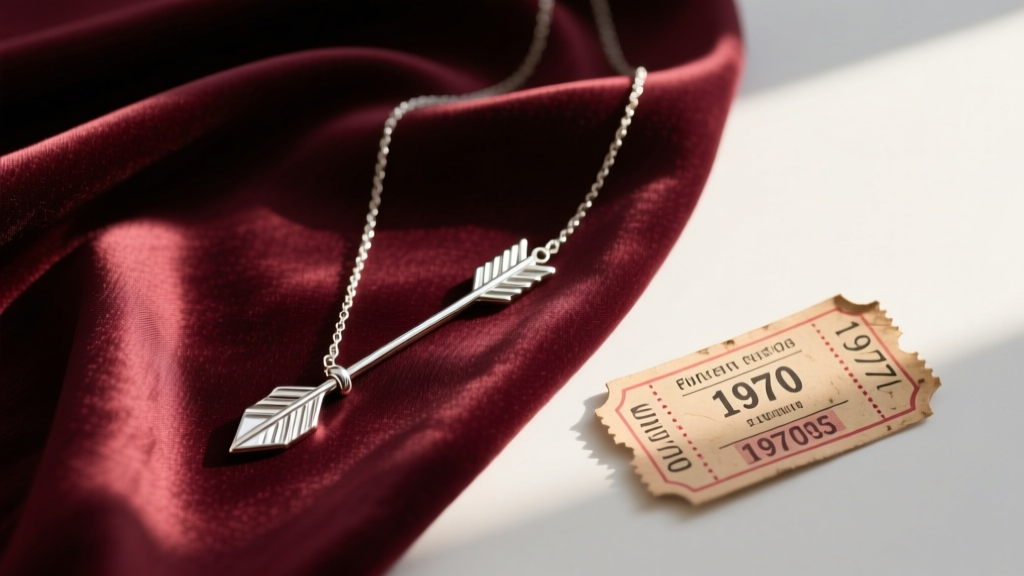
The Evolution of Fandom Jewelry: From Stadium Merch to Semi-Fine
When most people hear the term 'one direction necklace', their minds immediately jump back to 2013: plastic pendants, cheap alloy chains, and mass-produced merchandise sold outside stadium tours. However, the fashion landscape of 2026 tells a very different story. The original 'Directioner' demographic has grown up, and their disposable income has driven a massive shift in how nostalgia-core jewelry is designed, sourced, and worn. Today, fandom jewelry is no longer about wearing a literal logo; it is about subtle, sophisticated nods to iconic eras through high-quality metallurgy and semi-fine craftsmanship.
Whether you are looking to replicate the famous matching silver arrows the band members wore during their Take Me Home tour, or you want a delicate paper airplane pendant that hints at your favorite lyrics without screaming 'merch', understanding the mechanics of jewelry making is essential. This beginner-friendly guide will teach you how to identify quality materials, choose the correct chain gauges, and layer your favorite nostalgic motifs with modern elegance.
Decoding the Iconic Motifs
The beauty of a modern one direction necklace lies in its subtlety. Instead of a giant '1D' logo, contemporary jewelers and independent artisans focus on the symbolic motifs that defined the band's aesthetic and personal tattoos. Here is a breakdown of the most sought-after designs and how to style them for everyday wear.
| Motif | Historical Context | Recommended Material | Ideal Chain Pairing | Average Price Range |
|---|---|---|---|---|
| The Silver Arrow | Matching necklaces worn by all five members circa 2013-2014 | 925 Sterling Silver | 18-Gauge Cable Chain | $45 - $120 |
| Paper Airplane | Inspired by Zayn Malik's prominent chest tattoo and tour lore | 14k Gold Vermeil | 16-Gauge Box Chain | $60 - $150 |
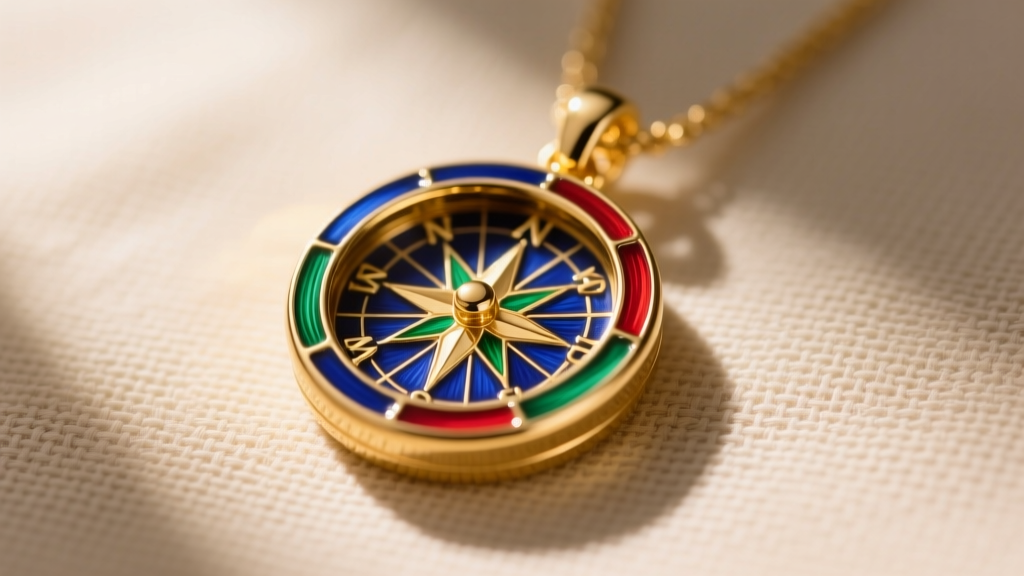
| The Compass | Represents the 'Where We Are' world tour and adventure themes | Oxidized Sterling Silver | 14-Gauge Rope Chain | $85 - $200 |
| Feather Pendant | Nods to Harry Styles' classic arm tattoo and bohemian era | Rose Gold Vermeil | 20-Gauge Rolo Chain | $50 - $110 |
Material Grades: Avoiding the 'Green Neck' Trap
The biggest mistake beginners make when shopping for fandom-inspired jewelry is purchasing from fast-fashion retailers that use base metals. If your one direction necklace turns your skin green, you are likely wearing a copper or zinc alloy plated with a microscopic layer of silver or gold. To ensure your jewelry lasts, you must understand the difference between plating, vermeil, and solid metals.
925 Sterling Silver
Sterling silver is an alloy consisting of 92.5% pure silver and 7.5% copper. The copper adds necessary tensile strength, as pure silver is too soft for daily wear. According to the Gemological Institute of America (GIA), sterling silver is the industry standard for high-quality, affordable jewelry. It will naturally tarnish over time due to the copper content reacting with sulfur in the air, but it can be easily polished back to its original shine.
14k Gold Vermeil vs. Standard Plating
If you prefer the look of gold for your paper airplane or feather pendant, you must look for the word 'vermeil' (pronounced ver-may). The GIA notes that while standard gold plating can be applied to any cheap base metal like brass, true vermeil legally requires a solid sterling silver base coated with a minimum of 2.5 microns of gold (usually 14k or 18k). This thick layer ensures the gold will not rub off after a few weeks of wear, making it a safe, hypoallergenic investment for nostalgic pieces.
Chain Mechanics: Gauges, Weaves, and Clasps
A pendant is only as good as the chain that holds it. When sourcing your necklace, pay close attention to the gauge (thickness) and the weave style. Using the wrong chain can result in breakage or an unbalanced aesthetic.
- Cable Chains (18 to 20 Gauge / 0.8mm to 1.0mm): The most classic and delicate option. An 18-gauge cable chain is perfect for lightweight motifs like the silver arrow or a tiny initial pendant. It offers a minimalist look that sits flush against the collarbone.
- Box Chains (14 to 16 Gauge / 1.2mm to 1.5mm): Composed of square links, box chains are incredibly durable and reflect light beautifully. A 14-gauge box chain is necessary if you are hanging a heavier, solid silver compass or a pendant with inset gemstones.
- Rope Chains (16 to 18 Gauge): These feature a twisted, spiral design that mimics a rope. They are highly textured and catch the light from multiple angles, making them ideal for oxidized silver pieces where you want a slightly edgier, vintage aesthetic.
Pro Tip on Clasps: Always check the clasp mechanism. Avoid 'spring ring' clasps on chains thicker than 16-gauge, as the internal spring mechanism often fails under the weight of heavier chains. Opt for 'lobster claw' clasps, which feature a secure, spring-loaded lever that locks firmly into the jump ring.
The 2026 Layering Framework for Nostalgia Pieces
Wearing a single, solitary fandom necklace can sometimes look a bit dated. The modern approach to styling a one direction necklace is to integrate it into a curated, semi-fine stack. This technique, often called the '2-3-4 Rule', relies on varying lengths and textures to create depth.
Step 1: The Base Layer (14 to 16 inches)
Start with a simple, unadorned chain that sits close to the base of your neck, functioning almost like a choker. A 16-inch sterling silver herringbone chain provides a sleek, liquid-metal foundation that frames the face without competing with your main pendant.
Step 2: The Focal Point (18 inches)
This is where your one direction necklace lives. An 18-inch 'princess' length allows the pendant (like the iconic silver arrow) to rest perfectly in the hollow of the collarbone. Ensure the pendant is proportionate to the chain; a 15mm arrow pendant on a delicate 20-gauge chain creates a balanced, elegant focal point.
Step 3: The Anchor (20 to 22 inches)
Finish the stack with a longer, heavier chain that drops below the neckline of your shirt. A 20-inch rope chain with a simple, unembellished bar pendant or a small signet ring adds weight to the bottom of the stack, drawing the eye downward and elongating the neck.

Sourcing Authentic and Artisan Pieces
To avoid the pitfalls of mass-produced, low-quality merchandise, shift your shopping focus away from standard mall retailers and toward specialized semi-fine brands and independent artisans. Platforms like Etsy are goldmines for independent jewelers who specialize in 'subtle fandom' jewelry. When browsing, filter your search by '925 Sterling Silver' or '14k Vermeil' and read the metallurgy descriptions carefully.
Brands like Catbird, Mejuri, and local silversmiths often carry universal motifs (arrows, compasses, feathers) that perfectly capture the essence of the era without infringing on copyrighted logos. This approach not only guarantees you are getting skin-safe, durable materials, but it also ensures your jewelry can be worn in professional environments where overt band merchandise might not be appropriate.
Care and Maintenance for Sentimental Jewelry
Nostalgia pieces often hold immense sentimental value, making proper care essential. To preserve the integrity of your sterling silver or vermeil necklaces, follow these strict maintenance protocols:
- The 'Last On, First Off' Rule: Always put your jewelry on after applying perfumes, lotions, and hairsprays. The chemicals and alcohols in cosmetics can strip the gold layer off vermeil and accelerate the tarnishing of sterling silver.
- Anti-Tarnish Storage: Never leave your necklaces exposed to the humid air of a bathroom. Store them in airtight ziplock bags with a small silica gel packet or an anti-tarnish tab to absorb ambient moisture and sulfur.
- Proper Polishing: Use a specialized microfiber jewelry polishing cloth treated with anti-tarnish compounds. Never use toothpaste or baking soda, as these are highly abrasive and will scratch the surface of your silver and strip vermeil entirely.
By treating your one direction necklace with the same care and respect as any high-end luxury piece, you ensure that your favorite nostalgic motifs remain a sophisticated, lasting part of your everyday wardrobe for decades to come.


