Orange Sapphire Necklace Troubleshooting: Fakes, Fading & Fixes
Is your orange sapphire necklace losing color or looking cloudy? Learn expert troubleshooting for beryllium treatments, fakes, and chain damage.

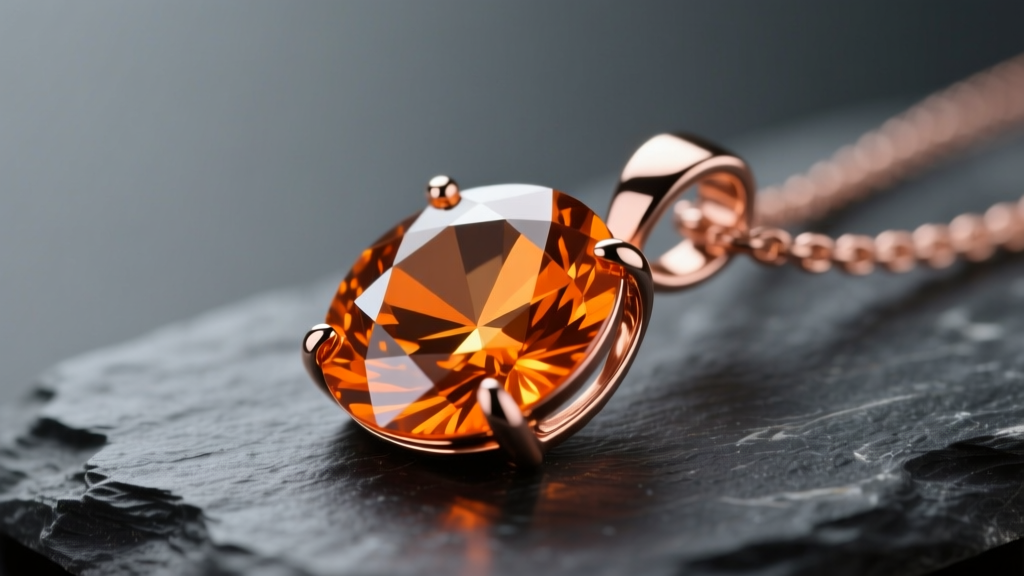
An orange sapphire necklace is a stunning, fiery statement piece. Whether you own a rare Padparadscha (a delicate salmon-pink-orange) or a vivid, heat-treated yellow-orange sapphire, these corundum gems are prized for their brilliance and durability. However, owning high-end colored gemstone jewelry comes with specific maintenance and authentication challenges. From sudden cloudiness and color fading to suspicious inclusions and structural wear, troubleshooting an orange sapphire necklace requires a deep understanding of gemology and jewelry mechanics.
In this comprehensive guide, we address the most common problems jewelry owners face with orange sapphires, providing expert-level diagnostics and actionable solutions to protect your investment.
Problem 1: The Color is Fading or Looking Cloudy
One of the most alarming issues for any gemstone owner is noticing a loss of vibrancy. If your orange sapphire appears cloudy, milky, or is losing its saturation, you are likely dealing with one of three issues: surface dirt accumulation, fracture filling degradation, or the revelation of a beryllium diffusion treatment.
Diagnosing the Cloudiness
First, rule out simple grime. Sapphires are highly refractive, meaning even a microscopic layer of skin oils or lotion on the pavilion (the bottom of the stone) will drastically reduce light return, making the stone look dull or gray. Clean the necklace using a soft baby toothbrush, warm water, and a drop of mild, ammonia-free dish soap.
If the cloudiness persists after a thorough cleaning, the issue is likely internal. According to the Gemological Institute of America (GIA), many orange sapphires on the market undergo beryllium lattice diffusion—a high-heat treatment that introduces beryllium into the crystal lattice to enhance or create the orange hue. While stable under normal conditions, if the stone was also fracture-filled with lead glass to improve clarity, exposure to harsh chemicals (like bleach, ammonia, or even prolonged ultrasonic cleaning) can etch the glass filling, resulting in a permanent cloudy appearance.
The Fix
- For Dirt/Oils: Routine cleaning with mild soapy water. Never use ultrasonic cleaners on fracture-filled stones.
- For Etched Fillings: The stone must be sent to a master lapidary to have the degraded filler carefully removed and re-filled, though this carries a risk of altering the stone's structural integrity.
- Prevention: Always remove your necklace before swimming in chlorinated pools or using household cleaning agents.
Problem 2: Suspecting a Fake or Synthetic Stone
The market for orange sapphires is flooded with imitations, ranging from synthetic flame-fusion corundum to orange spinel and even colored glass. If your stone lacks the expected weight, shows suspiciously perfect clarity, or was purchased at a price that seems too good to be true, troubleshooting its authenticity is critical.
Visual and Physical Diagnostics
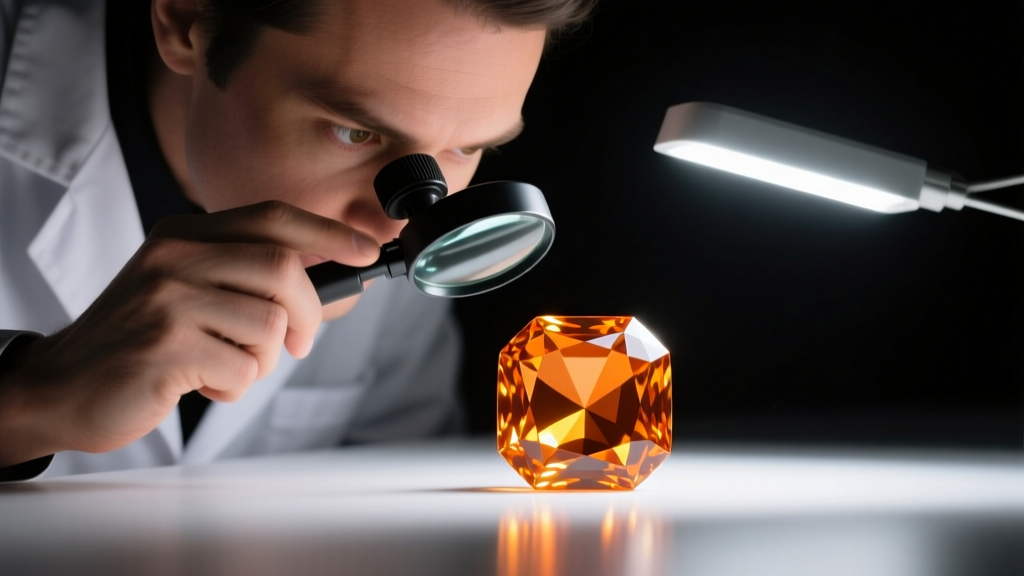
While definitive identification requires a gemological lab, you can perform preliminary troubleshooting using specific gravity and visual inclusion mapping. Natural corundum has a specific gravity of 4.00, meaning it feels noticeably heavier than glass (SG ~2.5) or quartz (SG ~2.65) of the same size.
Under a 10x triplet loupe, examine the stone for inclusions. Natural orange sapphires often contain angular silk (rutile needles), color zoning, and tiny liquid-filled fingerprints. Conversely, synthetic flame-fusion sapphires will exhibit curved striae (growth lines) and spherical gas bubbles, which never occur in nature.
| Material | Refractive Index | Hardness (Mohs) | Price Range (per ct) | Primary Identification Tell |
|---|---|---|---|---|
| Natural Orange Sapphire | 1.76 - 1.77 | 9 | $1,500 - $15,000+ | Angular silk inclusions, straight color zoning |
| Lab-Created (Flame Fusion) | 1.76 - 1.77 | 9 | $50 - $300 | Curved striae, spherical gas bubbles |
| Lab-Created (Flux-Grown) | 1.76 - 1.77 | 9 | $300 - $800 | Platinum inclusions, flux veils |
| Orange Spinel (Imitation) | 1.71 - 1.73 | 8 | $200 - $2,000 | Singly refractive, octahedral crystal inclusions |
| Glass / Paste | 1.50 - 1.70 | 5.5 | $5 - $20 | Swirl marks, mold marks, air bubbles |
If you suspect a synthetic or imitation, send the necklace to a reputable lab like the GIA or AGL for a comprehensive origin and treatment report.
Problem 3: Chain Tarnishing and Prong Wear
Sapphires rank a 9 on the Mohs scale of hardness, making them incredibly durable. However, this very hardness creates a hidden mechanical problem: differential wear. Because the sapphire is significantly harder than the precious metals used to set it, the gemstone can act like a file against the metal over time.
The Mechanics of Prong Degradation
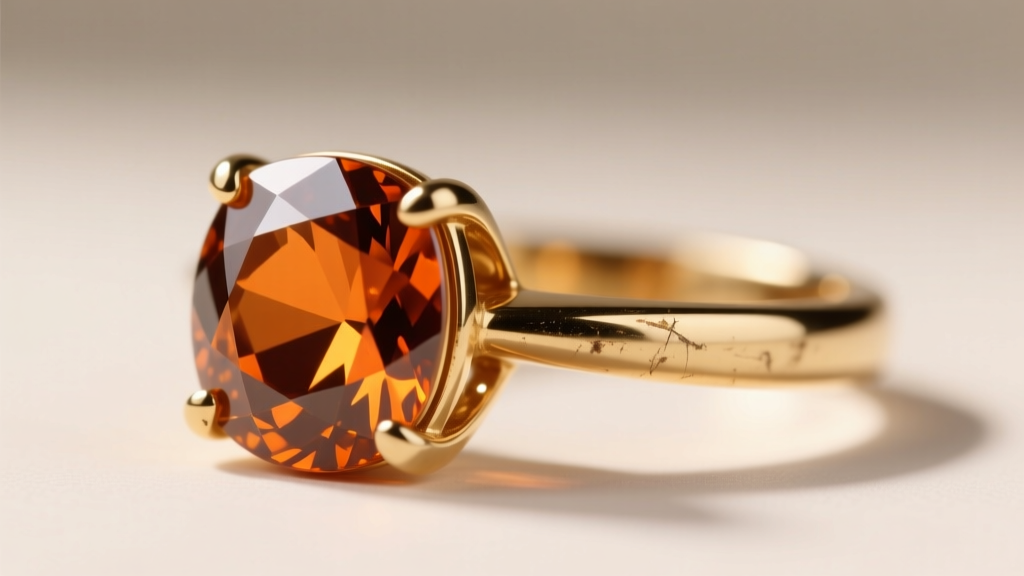
If you notice your orange sapphire pendant rattling in its setting, or if the chain is tarnishing rapidly, you are experiencing structural and metallurgical failure. Many commercial orange sapphires are set in 14k gold or sterling silver to keep retail prices accessible. Sterling silver tarnishes quickly when exposed to sulfur and humidity, while lower-karat golds can wear thin if the prongs were cast too delicately.
A sapphire's girdle can saw through a thin 14k gold prong in as little as three to five years of daily wear, leading to catastrophic stone loss.
Troubleshooting and Upgrades
Inspect the prongs every six months using a loupe. If the metal over the girdle is flat or visibly thinned, the necklace requires immediate bench jeweler intervention. For a permanent fix, have the pendant re-tipped or completely re-set in 18k gold or platinum. Platinum is highly recommended for heavy sapphire pendants (over 2.5 carats) because its tensile strength and durability resist the abrasive nature of corundum far better than gold. Ensure the prong wire gauge is at least 0.8mm to 1.0mm thick to withstand the weight and hardness of the stone.
Problem 4: The Pendant Sits Crooked or Flips Over
A common aesthetic frustration with heavy gemstone pendants is the tendency for the stone to flip upside down or slide off-center along the chain. This is not a defect in the stone, but rather a failure in the physics of the necklace assembly.
Bail Weight and Chain Friction
Orange sapphires are dense. A 3-carat sapphire pendant will naturally pull the chain downward, seeking the lowest gravitational point. If the bail (the loop connecting the pendant to the chain) is too small, lightweight, or smooth, it will slide freely along a thin cable or box chain, causing the necklace to sit crookedly on your collarbone.
The Fix: To troubleshoot this, you must alter the center of gravity or increase chain friction. You can have a jeweler solder a small, dense gold "counterweight" bead onto the back of the chain, directly opposite the pendant, to balance the necklace. Alternatively, swap the chain for a thicker, textured rope or wheat chain, which introduces enough friction to keep the bail anchored at the center of the décolletage. Upgrading to a larger, heavier bail with a ribbed interior can also prevent the pendant from flipping forward.
Final Thoughts on Sapphire Care
Troubleshooting an orange sapphire necklace requires a blend of gemological knowledge and practical jewelry maintenance. By understanding the risks of beryllium diffusion, recognizing the signs of synthetic imitations, and proactively managing the mechanical wear of precious metal prongs, you can ensure your fiery gemstone remains secure and brilliant for a lifetime. When in doubt, always rely on professional gemological grading rather than visual guesswork to protect the value of your jewelry.


