Choosing an Oshun Necklace: Material Properties & Care Guide
Discover the best materials for an Oshun necklace. We compare solid gold, brass, and glass beads for durability, water resistance, and spiritual care.

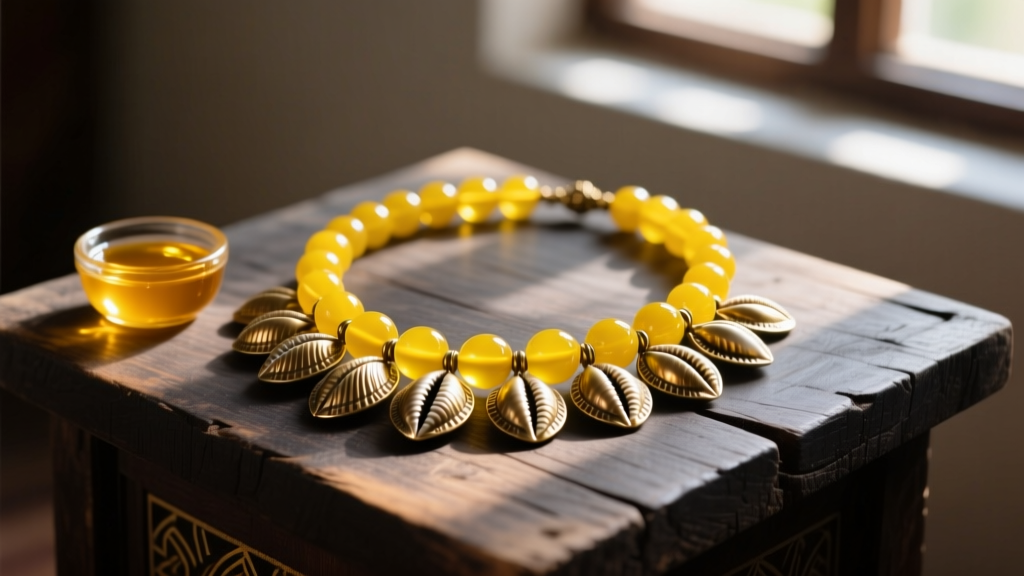
The Spiritual and Material Significance of the Oshun Necklace
In the Yoruba religion and its diaspora traditions like Santería (Lucumí) and Candomblé, Oshun (or Ochún) is the revered Orisha of fresh water, love, fertility, and prosperity. Her colors are yellow, gold, and amber, and her sacred number is five. An Oshun necklace—whether a traditional beaded eleke, a brass collar, or a modern gold pendant—is not merely jewelry; it is a spiritual conduit. Because Oshun is a water deity, her necklaces are frequently worn during river ceremonies, sweat-inducing drumming rituals, and herbal consecration baths known as omiero.
This constant exposure to moisture, botanical acids, and human perspiration makes material selection a critical factor in the longevity of the piece. According to the Smithsonian National Museum of African Art, traditional Yoruba beadwork has always relied on the intersection of aesthetic symbolism and environmental durability. In 2026, practitioners and jewelry enthusiasts alike must navigate a market flooded with mass-produced alloys and synthetic resins. Understanding the metallurgical and structural properties of these materials ensures your necklace remains both spiritually intact and physically resilient.
Core Material Breakdown: Traditional vs. Modern Adaptations
When commissioning or purchasing an Oshun necklace, you will generally encounter three primary material categories. Each interacts differently with water, skin pH, and the acidic components of ritual baths (which often include sour orange juice, honey, and crushed rue).
Solid Gold (14k and 18k)
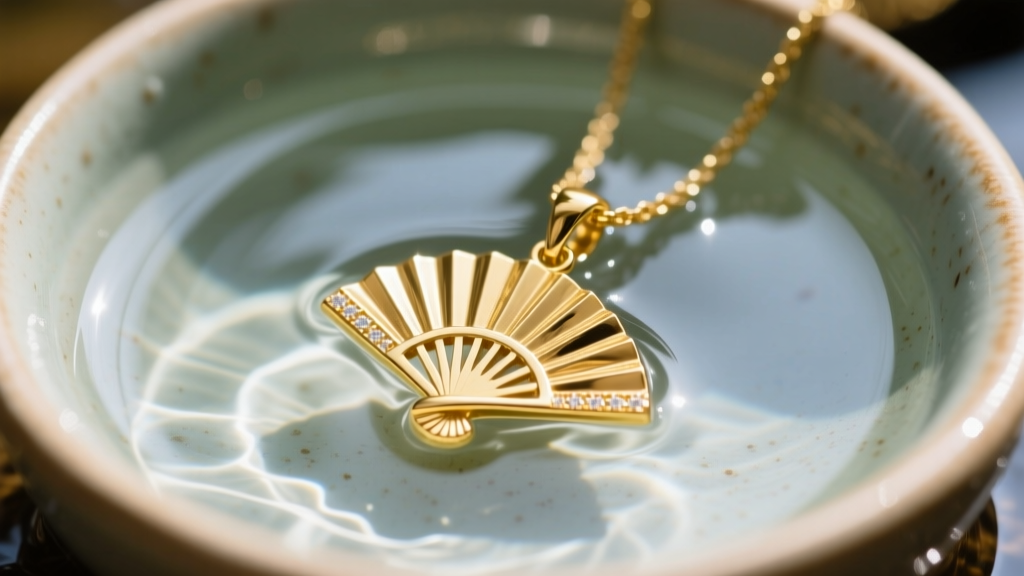
Solid gold is the ultimate expression of Oshun’s essence. The Gemological Institute of America (GIA) notes that gold’s noble status makes it highly resistant to corrosion and oxidation. A 14k or 18k solid gold Oshun pendant (such as a fan, crown, or cowrie shell motif) will not tarnish when submerged in river water or washed in an acidic omiero. However, pure 24k gold is too soft for daily wear and will easily bend or scratch. 14k gold (58.5% pure gold alloyed with copper and silver) offers the ideal balance of rich yellow color and structural hardness for pendants weighing between 3 and 10 grams.
Brass and Bronze Alloys
Historically, brass (an alloy of copper and zinc) was widely used in West African and early diaspora metalwork due to its gold-like appearance and lower cost. However, brass is highly reactive to the citric and ascorbic acids found in ritual herbal baths. Prolonged exposure causes dezincification, leading to a porous surface and the formation of verdigris (green copper carbonate). While some practitioners appreciate the aging process, brass requires frequent polishing with a mild acid like lemon juice and salt to maintain its bright yellow luster. Furthermore, brass can cause contact dermatitis or turn the skin green when mixed with sweat.
Yellow Glass, Amber, and Resin Beads
For beaded elekes, yellow glass beads are the most common and historically accurate choice for the diaspora. Glass is completely inert, meaning it will not react with omiero or salt water. True amber is also used but is softer (2-2.5 on the Mohs scale) and can be damaged by harsh chemicals or alcohol-based perfumes. Modern resin beads offer a lightweight, shatterproof alternative, though they can become cloudy over time if exposed to prolonged UV sunlight or harsh botanical oils.
Material Comparison Matrix: Water, Sweat, and Tarnish Resistance
To help you choose the right foundation for your necklace, we have mapped the physical properties of common Oshun jewelry materials against the environmental factors they face during spiritual practice and daily wear.
| Material | Water & Sweat Resistance | Omiero (Acidic Bath) Reactivity | Approx. Price Range (USD) | Maintenance Required |
|---|---|---|---|---|
| 14k / 18k Solid Gold | Excellent | Non-reactive | $350 - $1,200+ | Minimal; mild soap wash |
| Gold-Plated Brass | Poor (plating wears off) | High (acids strip plating) | $40 - $120 | High; avoid water entirely |
| Solid Brass / Bronze | Moderate (will patina) | Moderate (accelerates patina) | $50 - $200 | Regular polishing needed |
| Yellow Glass Beads | Excellent | Non-reactive | $15 - $60 | Thread replacement every 2-3 years |
| Yellow Resin / Acrylic | Good | Low (may cloud with harsh herbs) | $10 - $35 | Wipe clean; avoid alcohol |
Sizing, Threading, and Hardware Specifications
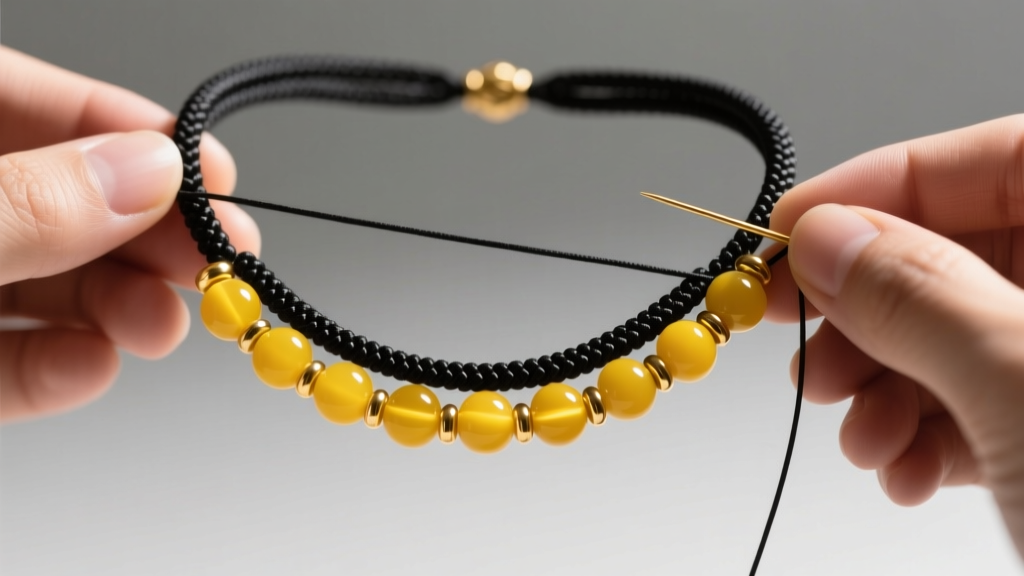
The structural integrity of a beaded Oshun necklace is entirely dependent on its threading material and hardware. Traditional elekes are constructed in multiples of five (e.g., 25, 50, or 100 beads) and are often designed as continuous loops without clasps, meant to be slipped over the head.
- Threading Material: Never use silk thread for an Oshun necklace. Silk is a natural protein fiber that absorbs water and rots rapidly when exposed to the moisture of river rituals or sweat. Instead, use C-lon or Super-Lon nylon bead cord (size D or 0.30mm). Nylon is hydrophobic, rot-resistant, and possesses a high tensile strength.
- Wire Alternatives: If you prefer the drape of wire, use 49-strand stainless steel beading wire (0.018-inch gauge) coated in yellow nylon. Ensure the steel is 316L (surgical grade) to prevent rusting when exposed to fresh or salt water.
- Clasps and Findings: If your design requires a clasp rather than a continuous loop, opt for a solid 14k gold lobster claw. Brass or base-metal magnetic clasps will corrode quickly in humid environments and fail during movement-heavy ceremonies.
- Crimps and Knots: For nylon cord, use a surgeon’s knot sealed with a micro-drop of cyanoacrylate (super glue) or clear nail polish, hidden inside a 4mm gold-filled or brass crimp cover. Avoid crushing metal crimp beads directly onto nylon, as the sharp inner edges of the metal will slice the cord over time.
Cleansing Protocols Based on Material Composition
Spiritual cleansing often involves physical washing. How you wash your Oshun necklace must align with its metallurgical properties to prevent irreversible damage.
For Solid Gold Pendants: Gold can withstand almost any spiritual bath. After an omiero ritual, simply rinse the pendant under lukewarm tap water to remove sticky honey or botanical residue, then dry it with a microfiber cloth. According to Encyclopedia Britannica, noble metals like gold do not form oxides in standard atmospheric or aqueous conditions, making them the safest choice for frequent ritual immersion.
For Brass Elements: If your necklace features brass cowrie shells or spacers, avoid leaving it submerged in acidic omiero for more than a few minutes. The citric acid will strip the zinc from the surface alloy. After ritual use, rinse immediately with distilled water and dry thoroughly. To restore shine, use a specialized brass polish or a paste of baking soda and lemon juice, applied with a soft-bristled toothbrush to reach crevices.
For Glass and Resin Beads: The beads themselves are easy to clean with mild dish soap and water. The danger lies in the thread. After a water ritual, gently pat the entire strand dry with a towel and allow it to air-dry completely in a well-ventilated area before storing it in a closed jewelry box. Trapped moisture against the nylon or wire can degrade the crimp covers or cause metallic spacer beads to rust from the inside out.
Final Verdict: Selecting Your Eleke or Pendant
Choosing the right Oshun necklace requires balancing your budget, your aesthetic preferences, and the reality of your spiritual practice. If you plan to wear your necklace daily and submerge it regularly in river water or herbal baths, investing in a 14k solid gold pendant on a waterproof nylon cord is the most practical and enduring choice. It honors the Orisha’s association with imperishable wealth while eliminating the anxiety of tarnish and skin reactivity.
However, if you are constructing a traditional beaded eleke for initiation or altar use, yellow glass beads strung on heavy-duty C-lon nylon remain the gold standard of the diaspora. They are historically resonant, chemically inert, and financially accessible. By avoiding cheap gold-plated brass and silk threads, you ensure that your Oshun necklace remains a vibrant, unbroken conduit for the Orisha’s ashé for years to come.


