Assessing the Real-World Value of an OSRS Ruby Necklace
Discover the real-world cost of an OSRS ruby necklace equivalent. We break down ruby grades, carat weights, and 2026 market pricing for gamers.

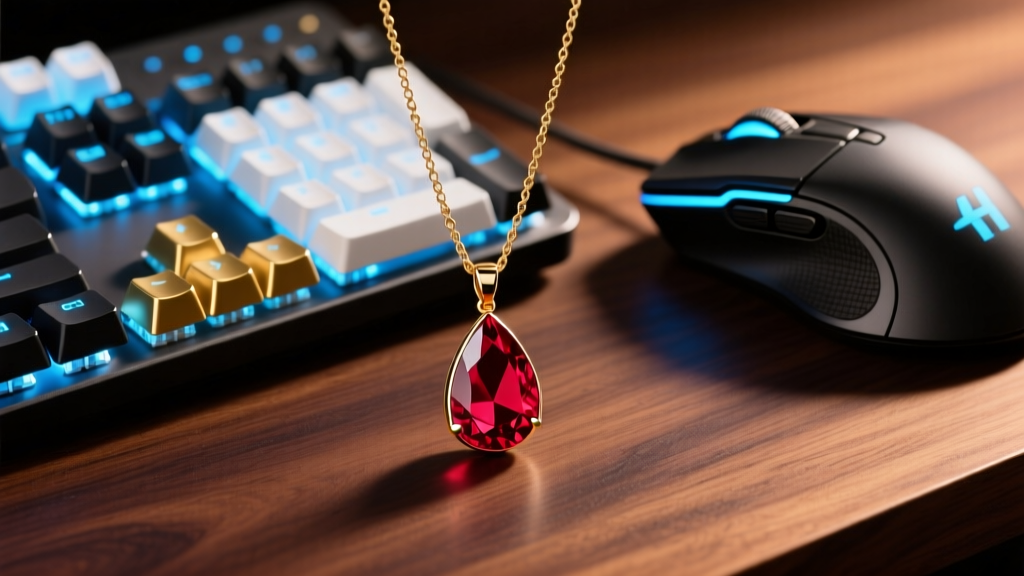
From Gielinor to Reality: The OSRS Ruby Necklace
If you have spent countless hours grinding your Crafting skill to level 50, mining gold ore, and hunting for rubies in the Shilo Village mine, you are intimately familiar with the iconic osrs ruby necklace. In Old School RuneScape, this piece of jewelry is a staple for high-alchemy training and a prerequisite for the Amulet of Eternal Glory. But what happens when you step away from the screen and want to wear this legendary item in the real world?
Translating a digital asset into a physical piece of fine jewelry requires a deep understanding of gemology, metallurgy, and current market economics. As of 2026, the market for colored gemstones has shifted dramatically, with lab-created alternatives and ethically sourced African rubies disrupting traditional Burmese monopolies. This comprehensive budget and value assessment will break down exactly what it costs to acquire a real-world equivalent of the OSRS ruby necklace, exploring material grades, chain specifications, and investment viability.
Decoding the Gemstone: What is a "Ruby" in Real Life?
In OSRS, a ruby is simply a red gemstone that you cut from an uncut ruby using a chisel. In reality, a ruby is the red variety of the mineral corundum (aluminum oxide). The red coloration is caused by trace amounts of chromium. According to the Gemological Institute of America (GIA), the most prized color grade is "Pigeon's Blood," a vivid, highly saturated red with a slight purplish secondary hue and strong red fluorescence under UV light.
The Chromium Factor and Pigeon Blood Grading
To replicate the bright, pixelated red of the in-game sprite, you need a stone with high chromium content and low iron content. Iron suppresses fluorescence, making the stone look darker and less vibrant. When shopping for your pendant, you must request a spectroscopic analysis or a reputable lab report to ensure the stone isn't just a red spinel or a garnet masquerading as a ruby. A genuine, untreated Pigeon's Blood ruby of 1.5 carats (the approximate visual weight of the OSRS pendant) is an ultra-rare investment-grade asset.
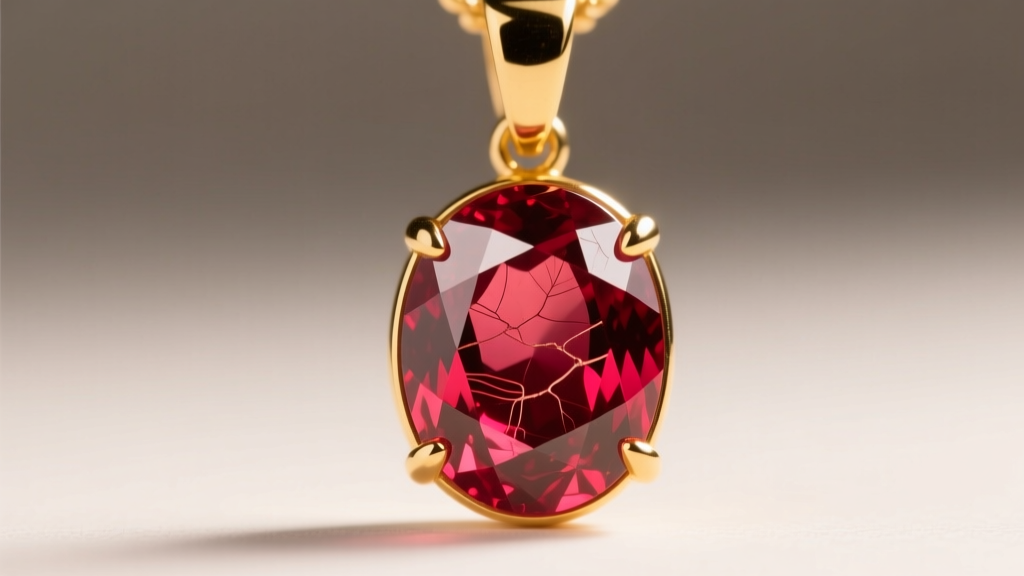
2026 Market Pricing: Budget vs. High-End Rubies
The price disparity in the ruby market is staggering. Unlike gold, which has a standardized spot price, rubies are priced based on origin, treatment, and color. Below is a 2026 market breakdown for a 1.5-carat oval-cut ruby, which closely matches the proportions of the classic OSRS pendant.
| Ruby Origin / Type | Treatment Status | Color Grade | Price Per Carat (2026) | Total Pendant Cost (1.5ct) |
|---|---|---|---|---|
| Burmese (Myanmar) | Unheated | Pigeon's Blood | $18,000 - $35,000 | $27,000 - $52,500 |
| Mozambique | Heated | Vivid Red | $2,500 - $4,500 | $3,750 - $6,750 |
| Thai / Cambodian | Heated | Deep Red (High Iron) | $800 - $1,500 | $1,200 - $2,250 |
| Lab-Created (Flux) | N/A (Synthetic) | Vivid Red | $250 - $400 | $375 - $600 |
| Glass-Filled (Composite) | Fracture Filled | Opaque Red | $10 - $30 | $15 - $45 |
For the dedicated OSRS collector who wants the authentic look without liquidating their savings, a heated Mozambique ruby offers the best balance of natural origin, excellent durability, and vivid color. However, if you are strictly after the aesthetic for cosplay or daily gaming sessions, a flux-grown lab-created ruby is chemically identical to a natural ruby and provides flawless clarity at a fraction of the cost.
Chain Selection: Matching the In-Game Aesthetic
The OSRS ruby necklace features a thick, uniform yellow gold chain. In the real world, chain selection is critical for both aesthetics and structural integrity. A heavy 1.5-carat ruby pendant requires a chain with adequate tensile strength to prevent snapping.
Gold Purity and Gauge Specifications
To achieve the bright yellow hue seen in the game's inventory sprite, 18k yellow gold (75% pure gold) is the ideal choice. 14k gold will appear slightly paler, while 22k gold is too soft for daily wear. For the chain style, a 1.5mm to 2.0mm solid cable chain or a 1.2mm box chain perfectly mimics the pixelated links of the OSRS design. Avoid hollow or semi-solid chains; a solid 18k gold cable chain weighing approximately 4 to 6 grams will cost between $450 and $750 in 2026, depending on the exact gold spot price. Always ensure the clasp is a sturdy lobster claw rather than a fragile spring ring, as the weight of the ruby pendant will put constant tension on the closure mechanism.
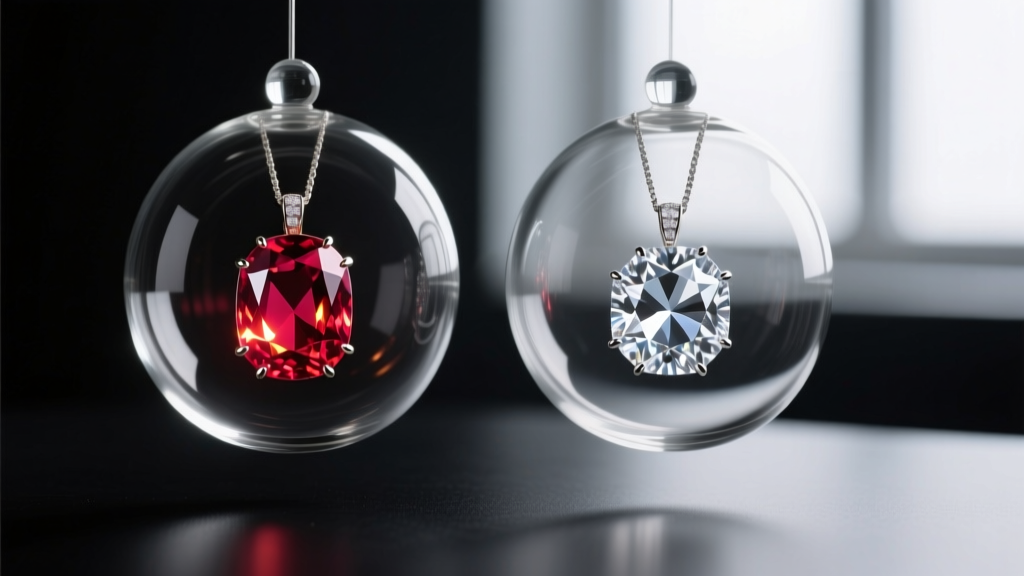
Value Assessment: Lab-Created vs. Natural
When conducting a budget assessment for your OSRS-inspired jewelry, you must decide between natural and lab-created stones. Experts at Lotus Gemology frequently note that while natural rubies hold historical and investment value, lab-created rubies (grown via the Verneuil or flux-melt processes) are optically and chemically identical to their mined counterparts.
- The Investment Angle: If you view this purchase as a store of value (similar to hoarding rare items in the OSRS Grand Exchange), an unheated Mozambique or Burmese ruby with a Gübelin or SSEF certificate is mandatory. These stones appreciate over time due to geopolitical supply constraints.
- The Gamer's Budget: If you want a durable, visually stunning piece to wear to gaming conventions or RuneFest, a Chatham lab-created ruby set in 14k gold is the ultimate meta. It costs under $1,000 total, eliminates the anxiety of losing a $30,000 asset, and offers the exact "Pigeon's Blood" saturation that is incredibly rare in nature.
Certification and Avoiding the "Glass-Filled" Trap
The most critical warning for any buyer entering the colored gemstone market is the prevalence of lead-glass-filled rubies. These are low-grade, opaque corundum stones that have been infused with lead glass to improve transparency and color. They are structurally compromised, highly susceptible to damage from common household acids (like lemon juice), and possess virtually zero resale value. Unscrupulous vendors often sell these to tourists or uninformed buyers online as "natural rubies." Always demand a report from a tier-one laboratory (GIA, AGL, or Lotus) that explicitly states "No indications of heating" or "Fissures filled with a foreign substance" to ensure you are getting what you pay for.
Final Verdict for the OSRS Collector
Recreating the osrs ruby necklace in the physical world is a fantastic intersection of gaming culture and fine jewelry appreciation. For a budget-conscious fan, a $600 lab-created ruby on a $400 solid 14k gold cable chain delivers 95% of the visual impact for 1% of the cost of a high-end natural equivalent. However, for the high-level player with a real-world bank account to match their in-game GP, sourcing a 1.5-carat heated Mozambique ruby in an 18k gold bezel setting provides a breathtaking, heirloom-quality tribute to one of Gielinor's most beloved crafting milestones. Whichever path you choose, prioritize structural integrity, verified gemological data, and reputable sourcing to ensure your real-world amulet stands the test of time.


