How to Choose the Perfect Pastel Bead Necklace in 2026
Discover how to choose the perfect pastel bead necklace in 2026. Our expert buying guide covers bead materials, stringing gauges, clasps, and pricing.

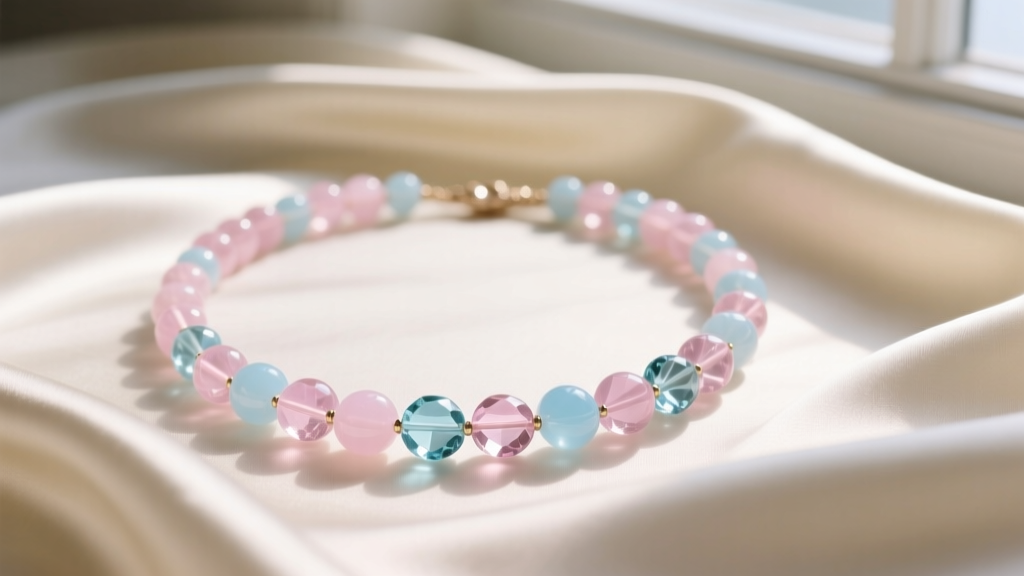
The pastel bead necklace has evolved far beyond its early-2000s nostalgia roots. In 2026, the market is dominated by artisan-crafted, high-quality pieces that blend playful color palettes with fine jewelry construction. Whether you are looking for a delicate layering piece or a bold matinee-length statement, understanding the anatomy of a beaded necklace is crucial to making a purchase that lasts. This comprehensive buying guide breaks down the exact materials, stringing gauges, and hardware specifications you need to look for when investing in a pastel bead necklace.
Decoding Bead Materials: Gemstones vs. Synthetics
The first indicator of quality in any pastel bead necklace is the raw material. Pastel hues can be achieved through natural semi-precious gemstones, high-end lampwork glass, or synthetic polymers. Each category requires different care and offers varying levels of longevity.
Natural Pastel Gemstones
For heirloom-quality pieces, natural gemstones are the gold standard. According to the GIA Gem Encyclopedia, stones like morganite (pink), aquamarine (pale blue), and rose quartz (blush) offer exceptional durability. Morganite and aquamarine rank between 7.5 and 8 on the Mohs hardness scale, making them highly resistant to scratching. However, buyers should be wary of dyed howlite or dyed quartz, which are frequently passed off as natural pastel stones. Dyed stones often exhibit color pooling in the microscopic crevices of the bead and will fade when exposed to UV light or harsh chemicals.
Polymer Clay and Artisan Glass
For a more contemporary, lightweight aesthetic, polymer clay (such as Fimo or Cernit) and Murano-style lampwork glass are excellent choices. High-quality polymer beads are baked to a durable finish and sealed with a UV-resistant resin to prevent the soft pastel pigments from yellowing over time. When buying glass, look for kiln-annealed beads, which have been slowly cooled to relieve internal stress and prevent spontaneous cracking.
The Hidden Framework: Stringing Wires and Threads
A pastel bead necklace is only as strong as its stringing material. Fast-fashion brands often use cheap elastic or thin nylon thread that stretches, sags, or snaps under the weight of glass and gemstone beads. When evaluating a piece, check the product specifications for the following premium stringing materials:
- 49-Strand Stainless Steel Wire (0.018" gauge): The industry standard for gemstone and glass beads. Brands like Beadalon produce 49-strand wires that offer the drape of silk with the tensile strength of steel. The 0.018-inch diameter is thick enough to support 8mm stone beads without kinking.
- Braided Polyethylene (Power Pro): Ideal for smaller, lightweight pastel seed beads or delicate 4mm gemstones. It does not stretch and is incredibly resistant to fraying.
- Knotted Silk Thread: Traditional for pearls, but requires high maintenance. If buying a pastel pearl necklace, ensure the silk is hand-knotted between every single bead to prevent total loss if the strand breaks.
| Material | Best For | Tensile Strength | Drape Quality |
|---|---|---|---|
| 49-Strand Wire (0.018") | Glass, Gemstones (6mm-10mm) | High (up to 20 lbs) | Fluid, heavy |
| Braided Polyethylene | Seed beads, small crystals (2mm-4mm) | Medium (up to 10 lbs) | Soft, flexible |
| Stretch Magic (0.8mm) | Casual polymer clay, slip-on styles | Low (Degrades over time) | Snug, elastic |
Clasp Hardware and Findings
The clasp is the primary failure point on any beaded necklace. Avoid base metals plated with thin layers of silver or gold, as the friction from daily wear will quickly expose the brass or copper underneath, leading to green skin and structural weakness.
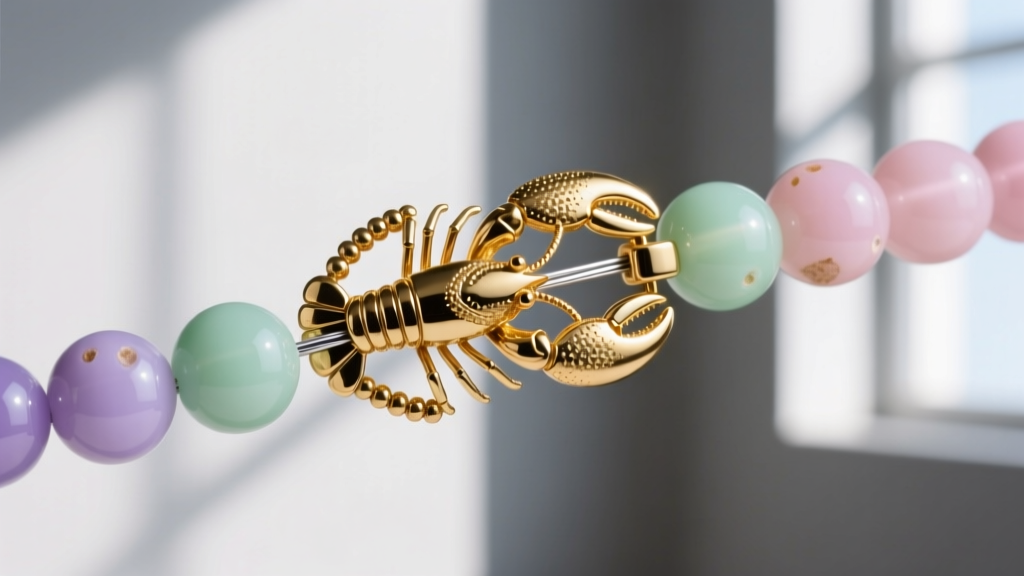
Look for 14k gold-filled or solid sterling silver hardware. Gold-filled components contain 5% to 10% solid gold by weight, bonded to a brass core, making them exponentially more durable than gold-plated findings. For pastel bead necklaces, a 10mm to 12mm lobster claw clasp is ideal for security, while a decorative toggle clasp can serve as a functional focal point at the front of the neck. Ensure the jump rings connecting the clasp to the beading wire are soldered shut or made of heavy-gauge wire (minimum 18-gauge) to prevent them from pulling open under tension.

Proportions, Sizing, and Neckline Pairing
The visual impact of a pastel bead necklace relies heavily on bead diameter and overall length. In 2026, proportional styling is key to elevating the look from juvenile to chic.
Bead Diameter Guidelines
- 4mm - 6mm Beads: Perfect for 16-inch chokers or 18-inch princess lengths. These delicate sizes are ideal for layering with fine gold chains or wearing with high-neck blouses and collared shirts.
- 8mm - 10mm Beads: Best reserved for 20-inch to 24-inch matinee lengths. The larger beads provide a satisfying weight and drape beautifully over crew necks and simple linen dresses, allowing the pastel colors to act as the primary accessory.
2026 Pricing Guide: What You Should Actually Pay
Understanding the market value of materials will protect you from inflated pricing. While artisan craftsmanship commands a premium, you should expect to pay within the following ranges based on material grades:
- Acrylic & Basic Polymer ($20 - $45): Mass-produced or entry-level handmade pieces. Expect elastic stringing and base-metal clasps.
- Artisan Glass & Gold-Filled Hardware ($60 - $120): Handcrafted lampwork beads strung on 49-strand wire with 14k gold-filled lobster clasps and soldered jump rings.
- Semi-Precious Gemstones ($150 - $350+): Natural, un-dyed morganite, aquamarine, or high-grade rose quartz, often featuring graduated bead sizing and sterling silver or solid gold clasps.
Care, Maintenance, and UV Fading
Pastel hues require specific care to maintain their soft, ethereal glow. Natural gemstones are generally stable, but prolonged exposure to direct sunlight can cause certain treated stones to lose their saturation. Polymer clay and dyed synthetics are highly susceptible to UV degradation. Always store your pastel bead necklace in a dark, fabric-lined jewelry box rather than leaving it on a sunlit vanity. Furthermore, remove the necklace before swimming or applying chemical sunscreens, as the active ingredients in SPF lotions can create a cloudy, irreversible film on the surface of porous gemstones like rose quartz and moonstone. For routine cleaning, simply wipe the beads with a damp, lint-free microfiber cloth and dry them immediately.
By prioritizing premium stringing materials, solid hardware, and authentic bead compositions, you can invest in a pastel bead necklace that remains a vibrant, structurally sound staple in your wardrobe for years to come. For further reading on gemstone durability and care, consult the Fire Mountain Gems Encyclopedia.


