The Peapod Necklace Gift Guide: Occasions & 2026 Picks
Discover the perfect peapod necklace for every milestone. Our 2026 gift guide covers symbolism, material grades, pricing, and expert styling tips.

The Botanical Renaissance: Why the Peapod Necklace is 2026’s Most Meaningful Gift
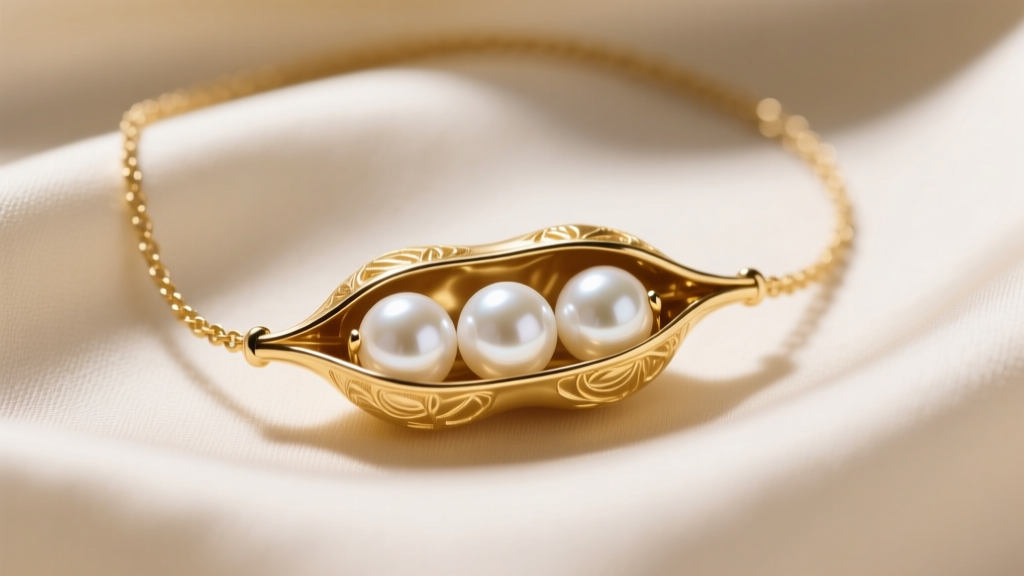
In the landscape of fine jewelry, botanical motifs have long served as a bridge between the natural world and human emotion. While floral pendants and leaf-shaped lockets remain staples, the peapod necklace has emerged as a profoundly symbolic, highly customizable choice for milestone gifting. Unlike a simple blossom that fades, a peapod represents a vessel of potential, protection, and enduring growth. Whether crafted in oxidized sterling silver or polished 18-karat gold, the peapod’s elongated, curved silhouette offers a unique canvas for gemstone "peas" that can be tailored to tell a deeply personal story.
As we navigate the 2026 gifting season, consumers are moving away from generic jewelry and toward pieces with narrative weight. The peapod necklace perfectly satisfies this demand, acting as a wearable metaphor for family, new beginnings, and hidden treasures. But selecting the right combination of metal, gemstone, and chain requires a nuanced understanding of material science and occasion-matching. This comprehensive guide will decode the symbolism, outline precise material grades, and help you select the perfect peapod pendant for any recipient.
Decoding the Symbolism: What Does a Peapod Represent?
The idiom "two peas in a pod" speaks to intimacy, similarity, and inseparable bonds. In jewelry design, the peapod motif leverages this cultural shorthand to convey specific emotional messages:
- Family and Motherhood: Each pearl or gemstone nestled inside the open pod frequently represents a child. It is a celebration of fertility, maternal protection, and the unique individuals sheltered within a family unit.
- Growth and Potential: Because a pod is a seed-bearing vessel, it symbolizes latent potential, making it an ideal metaphor for graduation, career transitions, or personal reinvention.
- Unity and Friendship: The peas, sitting flush against one another, represent unbreakable bonds of friendship or romantic partnership.
Matching the Peapod Necklace to the Perfect Occasion
To gift a peapod necklace effectively, you must align the gemstone "peas" and metal color with the specific milestone being celebrated. Here is a strategic framework for occasion matching.
1. The "Push Present" and Mother’s Day
For new mothers or established matriarchs, freshwater pearls or Akoya pearls are the definitive choice. Pearls have historically been linked to wisdom gained through experience and maternal energy. A custom 14k yellow gold pod featuring three perfectly matched 4mm white freshwater pearls is a classic "family tree" alternative that sits elegantly on the collarbone. For a modern twist, consider black Tahitian pearls for a mother of boys, or pink freshwater pearls for a mother of girls.
2. Graduations and New Beginnings
When celebrating a graduation, the focus shifts from family to personal growth. Green gemstones are the optimal choice here, symbolizing spring, renewal, and the blossoming of a new life chapter. A sterling silver peapod set with vibrant, faceted peridot (Mohs 6.5-7) or deep green tsavorite garnet (Mohs 7-7.5) offers a youthful, energetic aesthetic that pairs beautifully with the casual wardrobes of recent graduates.
3. Romantic Anniversaries
For romantic milestones, the peapod takes on a more luxurious, intimate meaning. Opt for an 18k rose gold pod—rose gold’s warm, coppery undertones flatter almost all skin tones and convey deep affection. Instead of round pearls, look for pods featuring marquise-cut or baguette diamonds that run horizontally along the slit of the pod, mimicking the natural elongation of the seeds while providing exceptional brilliance.
Material Grades, Pricing Tiers, and Durability
Not all peapod necklaces are created equal. The price and longevity of the piece depend heavily on the metal alloy and the gemstone setting technique. Below is a comparative breakdown to help you budget and assess quality.
| Material Combination | Price Range (2026) | Setting Style | Durability & Care Profile |
|---|---|---|---|
| 925 Sterling Silver + Freshwater Pearls | $45 - $120 | Bead-set or friction-fit | Silver tarnishes; requires rhodium plating. Pearls are soft (Mohs 2.5) and scratch easily. |
| 14k Yellow Gold + Peridot or Emerald | $350 - $850 | Prong or bezel-set | Highly durable gold. Emeralds are brittle and often oil-treated; avoid ultrasonic cleaners. |
| 18k Rose Gold + Round Brilliant Diamonds | $1,200 - $3,500+ | Pave or shared-prong | Excellent scratch resistance. Diamonds (Mohs 10) are impervious to daily wear damage. |
Chain Mechanics: Selecting the Right Suspension
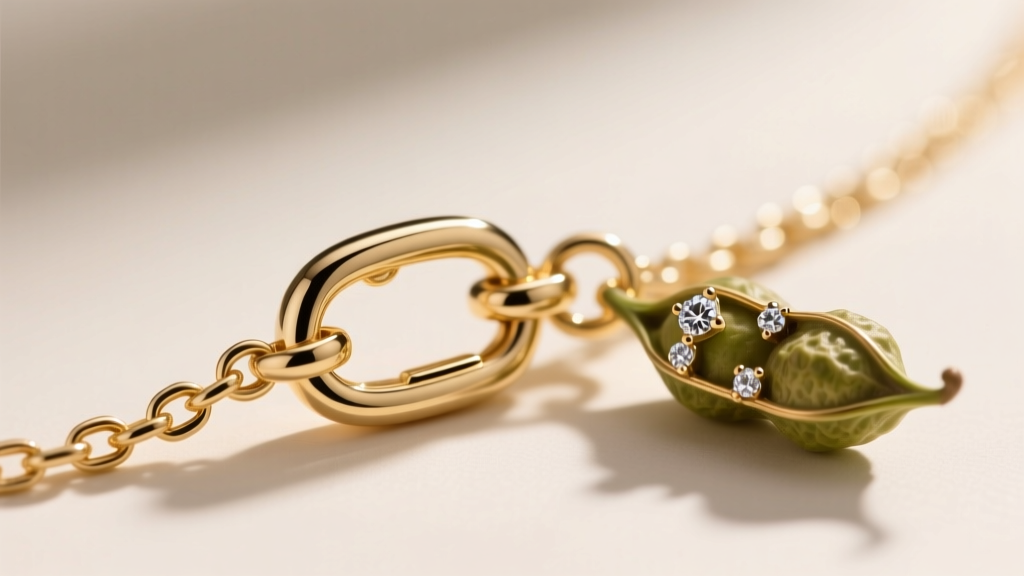
The pendant is only half the equation; the chain determines how the peapod lays against the chest and how well it withstands daily wear. A common failure mode in botanical jewelry is pairing a heavy, solid-cast pod with a flimsy chain, leading to breakage.
For a standard solid gold or silver peapod pendant (weighing between 3 to 6 grams), avoid delicate 0.6mm snake chains, which are prone to permanent kinking if bent. Instead, opt for a 1.0mm to 1.2mm box chain or a 1.5mm cable chain. Box chains are particularly advantageous for peapod pendants because their geometric links lay flat against the skin, preventing the pendant from flipping backward—a common annoyance with rounded snake or herringbone chains.
Furthermore, ensure the clasp is a sturdy lobster claw rather than a spring-ring clasp. Lobster clasps feature a solid internal spring mechanism that is far less likely to snap open when catching on knitwear or scarves.
Expert Care Protocols: Preventing Common Failure Modes
Because peapod necklaces frequently incorporate organic gems or treated stones, standard jewelry cleaning methods can cause catastrophic damage. Understanding the specific failure modes of your chosen materials is critical for preserving the piece.
The Pearl Nacre Threat
If your peapod features pearls, you must adhere to the "Last On, First Off" rule. Pearls are highly porous organic gems. According to the Gemological Institute of America (GIA), exposure to the acids in perspiration, or the alcohol in perfumes and hairsprays, can dull the pearl's nacre and permanently destroy its luster. Never use an ultrasonic cleaner on a pearl peapod necklace; the high-frequency vibrations can shatter the drill holes or strip the nacre entirely. Clean only with a damp, lint-free microfiber cloth.
The Emerald Inclusion Risk
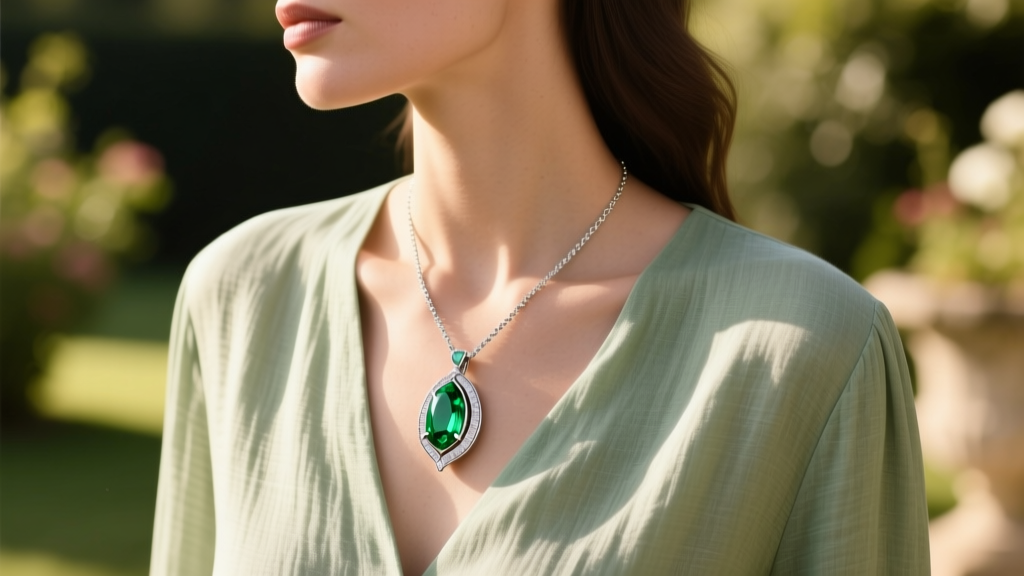
If you have chosen an emerald peapod to symbolize growth, be aware that over 90% of commercial emeralds are fracture-filled with cedar oil or synthetic resins to improve clarity. As highlighted in the GIA's emerald care guidelines, exposing these stones to heat, harsh detergents, or ultrasonic waves will boil out the oil, leaving the stone looking fractured and cloudy. Wash emerald peapods only in lukewarm water with a drop of mild, phosphate-free dish soap, using a baby-hair brush to gently sweep dirt from behind the gemstone settings.
Pro-Tip for Gifting: When presenting a pearl or emerald peapod necklace, include a specialized jewelry care card outlining these specific restrictions. It elevates the unboxing experience and demonstrates a level of thoughtfulness that matches the deep symbolism of the pendant itself.
Final Gifting Verdict
The peapod necklace transcends fleeting jewelry trends by anchoring itself in universal themes of family, growth, and protection. By carefully selecting the metal grade, matching the gemstone "peas" to the recipient's specific milestone, and pairing it with a structurally sound box chain, you are not just giving a piece of metal and stone. You are gifting a wearable narrative—a tiny, glittering vessel of meaning that the recipient will carry close to their heart for decades to come.