Pearl Cameo Necklace Value Guide: Budget to Heirloom
Discover how to evaluate a pearl cameo necklace in 2026. Learn to spot hand-carved shells, grade cultured pearls, and avoid overpriced resin fakes.

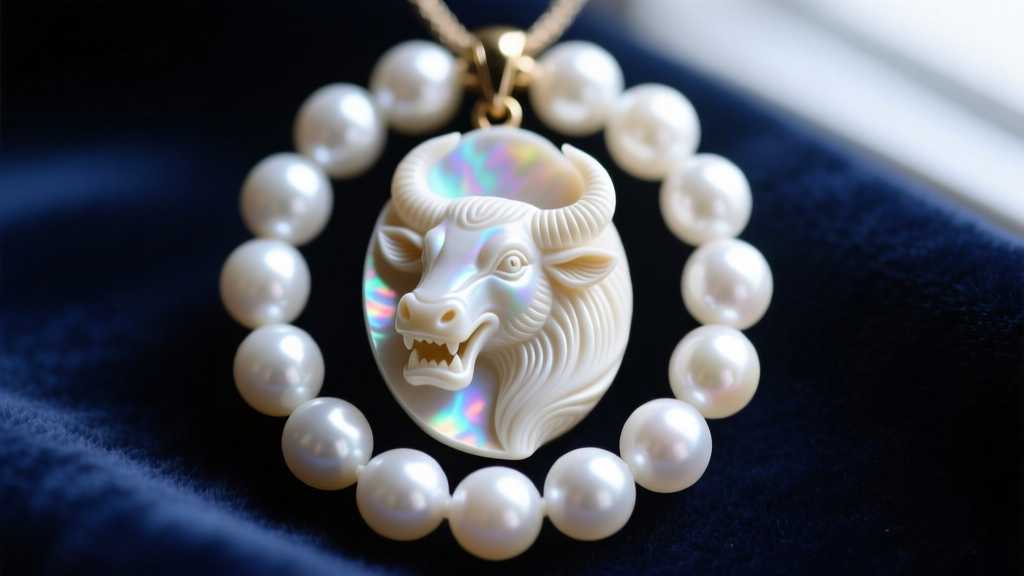
The resurgence of vintage-inspired jewelry has pushed the pearl cameo necklace back into the spotlight. Once relegated to Victorian relic status, these intricate pieces are now highly sought after by collectors and modern minimalists alike. However, this surge in demand has flooded the market with mass-produced imitations, laser-etched stones, and plastic molds disguised as heirlooms. For the savvy buyer, distinguishing between a $40 tourist-trinket and a $4,000 investment piece requires a deep understanding of materials, carving techniques, and pearl grading.
In this comprehensive 2026 value assessment, we break down the exact metrics gemologists and antique appraisers use to evaluate pearl cameo necklaces, ensuring you pay a fair price for genuine craftsmanship.
Decoding the Base Material: Shell vs. Stone vs. Synthetic
The foundation of any cameo's value lies in its base material. Historically, cameos were carved from specific shells or hardstones, each presenting unique visual properties and price points.
Shell Cameos: The Traditional Standard
Authentic shell cameos are predominantly carved from two species. The Cassis rufa (bullmouth helmet shell) yields a striking orange and white contrast, while the Cassis madagascariensis (emperor helmet shell) offers a deeper brown and white palette. According to the Victoria and Albert Museum's archives on cameo history, shell is softer than stone, allowing master carvers to achieve delicate, translucent details in the subject's drapery and hair. A genuine shell cameo will feel warm to the touch and exhibit subtle, natural growth lines on the uncarved back.
Hardstone Cameos: The Premium Tier
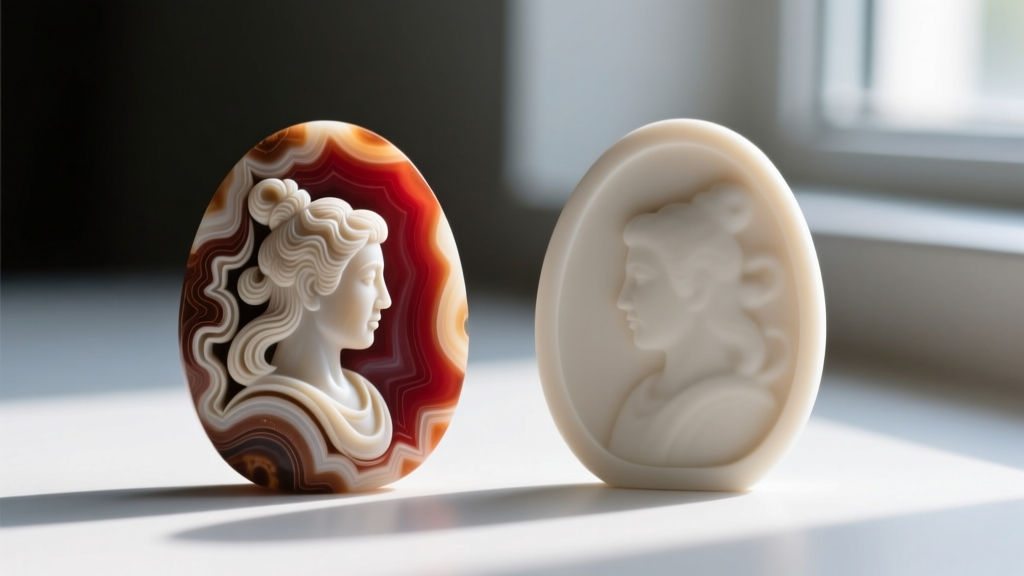
Sardonyx agate is the pinnacle of cameo materials. Its naturally occurring, parallel color bands allow carvers to create high-contrast profiles (usually white against a grey, blue, or black background). Stone cameos are significantly harder to carve, requiring diamond-tipped tools and weeks of labor. Consequently, a hand-carved sardonyx pearl cameo necklace commands a massive premium, often starting in the thousands.
Synthetic and Molded Fakes: The Budget Trap
Modern manufacturing has introduced resin and plastic molded cameos. These are created by pouring liquid resin into a silicone mold taken from an original carving. While they may look convincing at a glance, they lack depth. Under magnification, resin cameos appear "melted" or bubbly, and they lack the microscopic, directional tool marks left by a carver's burr.
Evaluating the Pearl Accompaniments: Cultured vs. Imitation
A true pearl cameo necklace typically features either a strand of pearls suspending the pendant or a halo of pearls framing the carved subject. Assessing the value of these pearls is just as critical as evaluating the cameo itself.
Nacre Thickness and Luster
When dealing with cultured pearls (such as Akoya or high-grade Freshwater), nacre thickness dictates longevity and value. The Gemological Institute of America (GIA) emphasizes that high-luster pearls with thick nacre will exhibit a deep, mirror-like reflection and a subtle "orient" (iridescence). Budget necklaces often use heavily bleached, thin-nacre freshwater pearls that appear chalky and will peel over time.
The Tooth Test and Surface Mapping
To quickly differentiate between genuine cultured pearls and glass/plastic imitations coated in essence d'orient (a synthetic pearlescent paint), use the tooth test. Gently rub the pearl against the biting edge of your front tooth. Genuine nacre feels distinctly gritty or sandy due to its microscopic crystalline structure. Imitation pearls will feel perfectly smooth. Furthermore, examine the drill holes; genuine pearls will show a sharp, clean edge, while coated imitations often show peeling paint or a glassy core peeking through.
The 2026 Value Matrix: Pricing Tiers for Pearl Cameo Necklaces
Understanding where a piece falls in the market hierarchy prevents overpaying. Below is the current valuation framework for pearl cameo necklaces based on material integrity and craftsmanship.
| Market Tier | Cameo Material & Method | Pearl Quality | Chain & Hardware | Estimated Price Range (2026) |
|---|---|---|---|---|
| Budget / Fast Fashion | Molded resin or laser-etched agate; flat relief, no undercutting. | Imitation glass/plastic pearls or chalky, low-grade freshwater. | Gold-plated brass; spring-ring clasp; glued settings. | $25 – $120 |
| Mid-Range / Artisan | Hand-carved Cassis rufa shell; good detail, moderate depth. | Medium-luster cultured freshwater pearls; minor surface blemishes. | Gold-filled or sterling silver; lobster clasp; basic bezel. | $150 – $600 |
| Heirloom / Antique | Hand-carved sardonyx or emperor shell; deep undercutting, master detail. | High-luster Akoya or natural saltwater pearls; thick nacre. | Solid 14k/18k gold; secure prong or custom-fitted bezel. | $800 – $5,000+ |
Hardware and Chain Assessment: Where Budget Brands Cut Corners
The cameo and pearls might be genuine, but the hardware can severely limit the necklace's overall value and lifespan. When conducting a budget assessment, scrutinize the chain and the setting.
Precious Metal Purity and Plating
Budget pieces often use "gold-tone" or flash-plated brass. This plating is measured in microns and will wear off within months, exposing the base metal which can cause skin discoloration or allergic reactions. Mid-tier pieces utilize gold-filled wire (which contains a thick, mechanically bonded layer of 14k gold comprising at least 5% of the item's total weight). Heirloom pieces will be stamped with solid gold hallmarks (e.g., 14K, 18K, 585, 750).
Setting Mechanics: Prong vs. Glue
How is the cameo secured in its frame? High-value pearl cameo necklaces feature custom-fitted metal bezels or secure prongs that physically grip the carved piece. If you notice a thick, yellowish line of adhesive around the cameo's edge, or if the stone shifts when gently pressed, the piece is glued. Glued settings are a hallmark of mass production and drastically reduce the jewelry's resale value and structural integrity.

Authentication Field Tests for the Savvy Buyer
Whether you are browsing an estate sale or an online auction, employ these non-destructive field tests to verify the authenticity of a pearl cameo necklace before committing your budget.
- The Light Transmission Test: Hold the cameo up to a strong light source. Genuine shell and agate will allow some light to pass through, revealing natural banding, striations, or a warm, translucent glow. Resin and opaque plastic will block light entirely or appear artificially uniform.
- The Undercutting Check: Examine the profile's chin, nose, and neck. A master carver will "undercut" these features, carving deeply beneath them to create a 3D shadow effect that lifts the face off the background. Laser-etched and molded cameos feature a flat, sloped relief with no true vertical depth.
- The Temperature Test: Touch the cameo to your cheek or the inside of your wrist. Genuine shell and stone are thermal conductors and will feel noticeably cool to the touch, taking a few seconds to warm to your body temperature. Resin and plastic are insulators and will feel room-temperature or warm immediately.
Final Verdict on Value
When evaluating a pearl and cameo piece, always prioritize the carving method over the metal weight. A beautifully hand-carved shell cameo set in sterling silver with genuine cultured pearls holds vastly more artistic and intrinsic value than a machine-stamped resin replica set in 10k gold. By focusing on the micro-details—tool marks, nacre luster, and setting mechanics—you can confidently navigate the market and secure a piece that offers true generational value.


