Pearl Layering Necklace Troubleshooting: Tangles & Care
Learn how to untangle, repair, and maintain your pearl layering necklace. Expert troubleshooting tips for silk threads, clasps, and knotting.

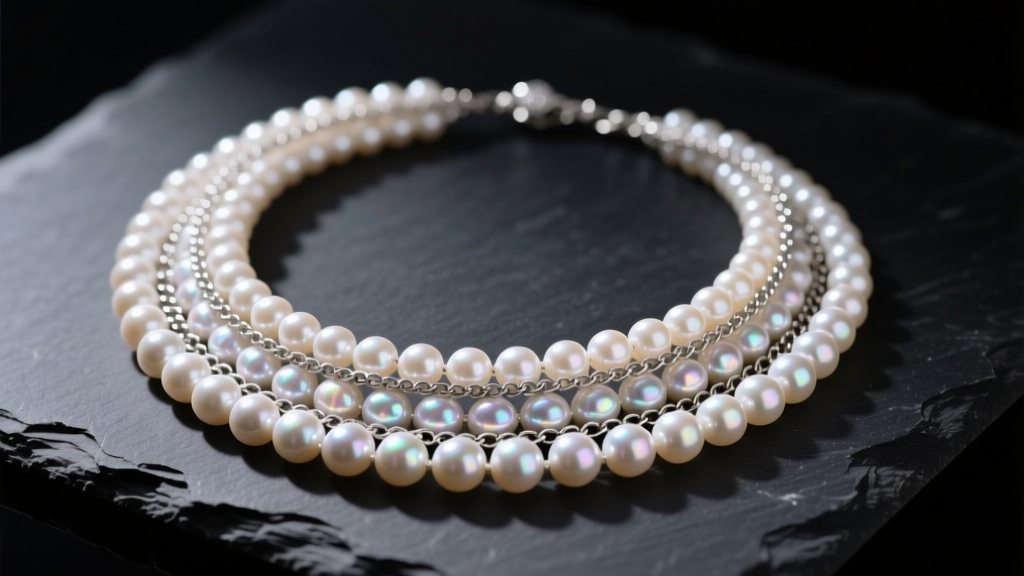
The Physics of Pearl Layering Tangles
Layering pearls has evolved from a classic vintage aesthetic into a dominant staple of modern jewelry styling. However, wearing multiple strands simultaneously introduces complex mechanical friction. When a 16-inch princess strand crosses an 18-inch matinee strand at the sternum, everyday movement creates a pivot point. The friction coefficient between porous nacre and metal chains (like 14k gold-filled cable chains) causes micro-catches. Over time, these catches compound into severe tangles, particularly around the clasp mechanisms where the chain gauge drops below 1.0mm.
Understanding the anatomy of your pearl layering necklace is the first step in troubleshooting. Most tangles occur not in the center of the pearls, but at the junctions where metal jump rings meet the drill holes of the end pearls. If your pearls are strung on traditional silk thread without French wire (gimp) protection, the thread can fray and expand, catching on adjacent metal links and creating a structural lock that mimics a knot.
Step-by-Step Untangling Protocols
Before attempting to pull apart a knotted pearl layering necklace, you must identify the stringing material. Applying the wrong lubricant can permanently destroy the structural integrity of the piece.
Scenario A: Metal Chain Tangles
If your layering setup consists entirely of metal chains holding individual pearl pendants, you can safely use a micro-drop of mineral oil or specialized jewelry detangler. Place the necklace on a non-porous ceramic plate. Apply a single drop of oil directly to the knot's center using a pin. Let it sit for three minutes to reduce the metal-on-metal friction coefficient, then gently work the links apart using two size-0 beading awls.
Scenario B: Silk-Threaded Pearl Tangles
Never use oil on authentic knotted pearls. Oil degrades the protein structure of natural silk, leading to catastrophic thread failure and a scattered necklace. Instead, use a talc-free cornstarch or specialized jewelry powder. Dust the knot lightly, tap the plate to allow the powder to settle into the microscopic gaps between the silk and the nacre, and use the awls to gently coax the thread loops outward. The Gemological Institute of America (GIA) strongly advises against harsh chemicals or oil-based lubricants near untreated nacre surfaces.
Diagnosing Structural Failures: Thread & Wire
If your pearl layering necklace frequently stretches, sags, or breaks, the issue lies in the foundational stringing material. In 2026, jewelers have access to advanced synthetics, but traditionalists still debate their merits. Below is a diagnostic breakdown of common stringing materials and their failure modes.
| Material | Thickness / Size | Best Pearl Drill Hole | Common Failure Mode |
|---|---|---|---|
| Griffin Natural Silk | No. 2 (0.30mm) / No. 6 (0.45mm) | 0.8mm - 1.2mm | Stretches over time; degrades with sweat/oils. |
| Bonded Nylon (C-Lon) | Size D (0.11mm) / Size F (0.15mm) | 0.6mm - 0.9mm | Does not stretch, but knots can slip if not melted. |
| Stainless Steel Wire (49-strand) | 0.015" (0.38mm) | 1.0mm+ | Kinks permanently; cannot be traditionally knotted. |
For a high-tension layering piece that is worn daily, bonded nylon offers superior tensile strength compared to silk. However, if you are restringing heirloom Akoya pearls, natural silk remains the gold standard for drape and knot aesthetics, provided you restring every 18 to 24 months.
The Restringing Protocol: Knotting Techniques
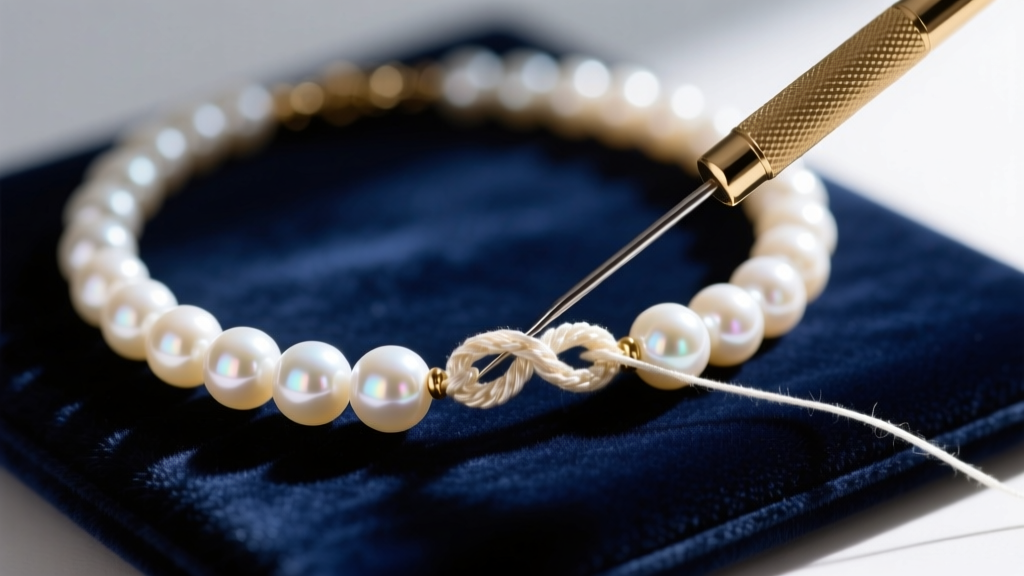
When a pearl layering necklace suffers a thread snap, proper restringing is non-negotiable. According to master jewelers at Fire Mountain Gems, the overhand knot is the only acceptable method for securing nacre beads. The knot must sit flush against the pearl to prevent adjacent pearls from grinding against one another, which destroys the nacre's orient and luster.
To achieve professional results, use a beading awl to push the knot tight against the pearl's drill hole. Furthermore, the connection between the silk thread and the metal clasp must be protected by French wire (also known as gimp). This 0.4mm coiled metal tubing prevents the silk from sawing against the inside of the jump ring—a structural failure responsible for 80% of sudden pearl necklace breaks.
Preventative Storage & The Length Gap Rule
The most effective troubleshooting method is preventing the tangle before it occurs. When curating a pearl layering necklace set, adhere strictly to the "2-Inch Gap Rule." If your choker sits at 14 inches, your next strand must be exactly 16 inches, and the third 18 inches. This precise spacing ensures the pearls rest on different anatomical planes of the chest, drastically reducing the friction points where tangles originate.
"A layered pearl necklace is only as functional as its storage. Tossing multiple strands into a single velvet pouch guarantees micro-tangles and nacre scratching within 48 hours."
For long-term maintenance, store each strand individually in a soft, anti-tarnish cloth pouch. Include a 3M anti-tarnish strip in your primary jewelry box to absorb atmospheric sulfur, which can dull the metal clasps and chains that accompany your pearls. Keep the pearls away from extreme heat and low humidity, which can cause the nacre to crack or the internal conchiolin to dehydrate and peel.

Final Troubleshooting Checklist
- Clasp Slippage: If your lobster clasp constantly rotates to the front, the counterweight of your pendant or pearl drop is too heavy for the chain gauge. Upgrade to a 1.2mm cable chain or add a small metal counterweight tag near the clasp.
- Dull Nacre: If your pearls lose their luster after a few wears, you are likely exposing them to aerosol hairspray or acidic skin pH. Wipe them down with a damp microfiber cloth immediately after removal.
- Visible Thread: If you can see gaps of thread between the pearls, the silk has stretched. It is time for an immediate professional restringing before a catastrophic snap occurs.
By understanding the mechanical and chemical vulnerabilities of your jewelry, you can maintain a flawless, tangle-free pearl layering necklace that withstands the rigors of daily wear while preserving its timeless elegance.


