Pearl Necklace How to Buy: Quality, Pricing & Care Guide
Master the pearl necklace how to buy process. Learn expert grading, pricing, nacre thickness checks, and lifelong cleaning protocols.

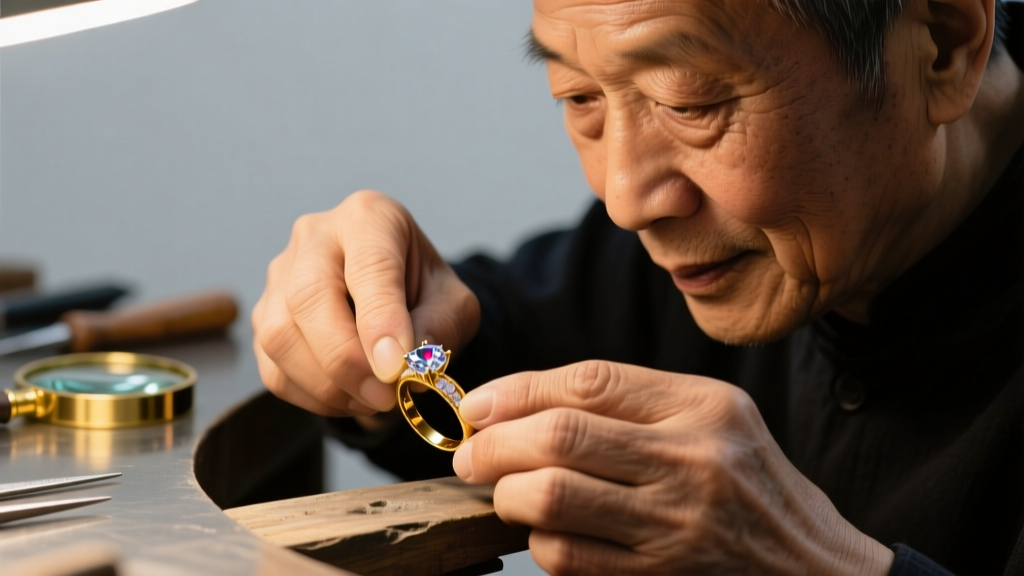
The Core of Pearl Necklace How to Buy Decisions: Nacre & Luster
When researching a pearl necklace how to buy, most consumers focus solely on color and shape. However, as organic gemstones, pearls require a deeply informed approach to purchasing that inherently accounts for their long-term care, maintenance, and structural vulnerabilities. Unlike diamonds or sapphires, pearls are composed of calcium carbonate and conchiolin, making them highly susceptible to environmental degradation, chemical etching, and physical abrasion. Understanding how to buy a pearl necklace means understanding how it will age over the next fifty years.
The most critical factor in pearl longevity is nacre thickness. Nacre is the crystalline substance the mollusk secretes over the nucleus. According to the Gemological Institute of America (GIA), nacre thickness directly dictates both the luster (the sharp reflection of light) and the structural integrity of the gem. When evaluating an Akoya pearl strand, demand a minimum nacre thickness of 0.4mm. Anything thinner risks a catastrophic failure mode known as "peeling," where the outer nacre layers flake off the shell bead nucleus due to minor impacts or temperature fluctuations. For South Sea and Tahitian pearls, the nacre should be a minimum of 1.5mm to 2.0mm to ensure generational durability.
Understanding Pearl Grading and Hidden Treatments
The pearl industry lacks a universally standardized grading system, which complicates the buying process. You will typically encounter two systems: the Tahitian A-D system and the Japanese/Akoya AAA-A system. An "AAA" grade indicates a pearl with 95% or more blemish-free surface area and very high luster. However, grading does not always account for chemical treatments.
Beware of heavily processed pearls. "Maeshori" is a common Japanese pre-treatment involving heating and cooling to enhance luster by tightening the nacre crystals. While standard maeshori is generally safe, over-processing makes pearls brittle and prone to crazing (surface cracking) years later. Furthermore, dyed freshwater pearls—often deceptively marketed as budget Tahitians—will rapidly fade and blotch when exposed to the mild lactic acids in human sweat. Always ask the jeweler for a disclosure of any bleaching, dyeing, or irradiation treatments, as these directly alter your cleaning and maintenance protocols.
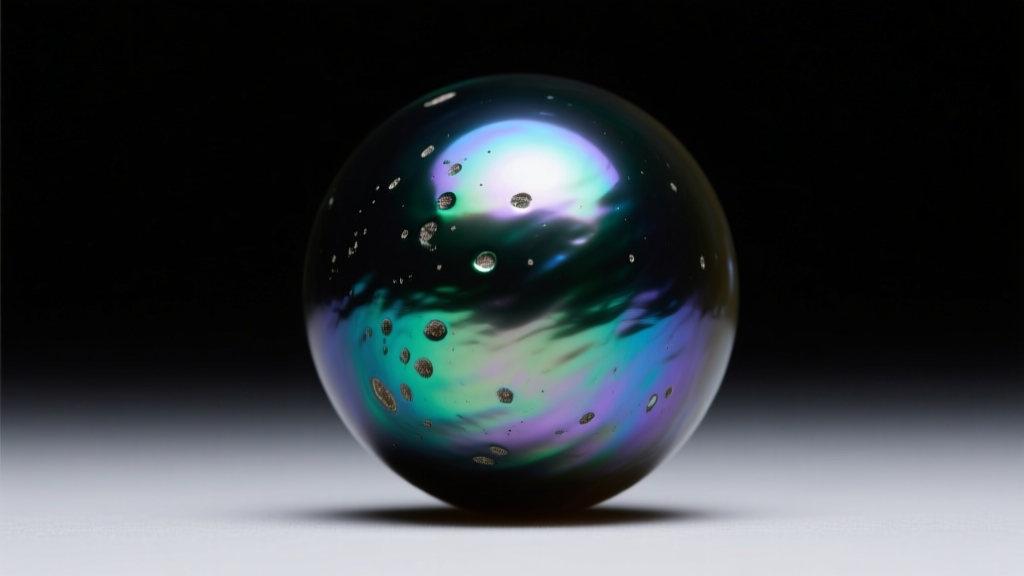
Pearl Varieties: Pricing, Sizing, and Specific Vulnerabilities
To make an informed purchase, you must align your budget with the specific care requirements of different pearl varieties. The 2026 market reflects significant price variations based on cultivation time, which directly correlates to nacre density and care needs. Below is a comparative breakdown to guide your investment and maintenance strategy.
| Pearl Type | Avg Size | Min Nacre | Price Range (Strand) | Primary Care Vulnerability |
|---|---|---|---|---|
| Akoya | 7.0 - 9.0mm | 0.4mm | $800 - $4,500 | Thinner nacre prone to chipping on edges |
| Freshwater | 8.0 - 12.0mm | Solid | $200 - $1,500 | Softer surface, easily scratched by other gems |
| Tahitian | 9.0 - 14.0mm | 1.5mm | $1,500 - $8,000 | Dark dyes (if treated) fade with UV/sweat exposure |
| South Sea | 10.0 - 15.0mm | 2.0mm | $5,000 - $25,000+ | Highly porous; absorbs oils and yellows easily |
Lifetime Care: Cleaning and Maintenance Protocols
Once you have navigated the pearl necklace how to buy process, implementing a strict maintenance routine is non-negotiable. Pearls rank a mere 2.5 to 3.0 on the Mohs hardness scale, making them as soft as a copper coin. They require specialized cleaning methods that differ vastly from crystalline gemstones.
The "Last On, First Off" Chemistry Rule
Pearls are highly reactive to acids and alcohols. The Cultured Pearl Association of America (CPAA) strictly advises that pearls should be the last jewelry you put on when dressing, and the first you take off. Perfumes, hairsprays, and cosmetics contain alcohols and volatile organic compounds that will strip the pearl's natural orient and luster. Human sweat contains lactic acid, which slowly etches the calcium carbonate surface, leaving permanent dull spots.
- Never use ultrasonic cleaners: The high-frequency cavitation bubbles will literally shatter the microscopic nacre layers.
- Avoid ammonia and bleach: Generic jewelry dips and glass cleaners will dissolve the pearl's surface.
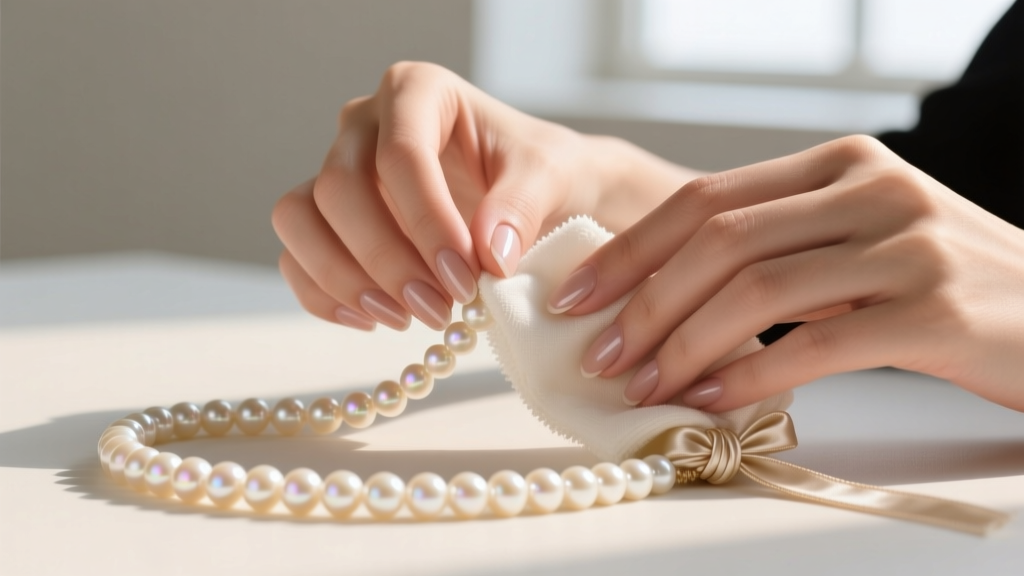
- Routine Cleaning: After every wear, gently wipe the strand with a soft, slightly damp microfiber cloth to remove skin oils and environmental pollutants.
- Deep Cleaning: If heavily soiled, use a drop of pH-neutral, phosphate-free dish soap in distilled water. Wipe gently and let air dry completely on a towel before storing.
Restringing and Silk Thread Maintenance
The structural failure point of a pearl necklace is rarely the pearl itself; it is the stringing material. High-quality pearl necklaces are strung on 100% silk thread (typically size F or FF for standard strands) with individual knots between each pearl to prevent loss if the strand breaks and to prevent the pearls from rubbing against one another.
Silk is a protein fiber that stretches, weakens, and degrades when exposed to moisture, skin oils, and friction. If you wear your pearl strand on a weekly basis, it requires professional restringing every 18 to 24 months. You can perform a simple diagnostic check at home: inspect the thread between the knots. If the silk appears frayed, darkened, or if you can slide the pearl more than 1 millimeter along the thread, the structural integrity is compromised. Continuing to wear a strand in this condition risks a catastrophic break.
Proper Storage Environments for Organic Gems
How you store your pearls when they are not being worn is just as critical as how you clean them. A common and destructive mistake is storing pearls in sealed plastic bags or safety deposit boxes for extended periods.
Pearls contain roughly 2% to 4% water. Storing them in sealed plastic environments or ultra-dry bank vaults will cause them to dehydrate, leading to "crazing"—a network of fine, irreversible surface cracks. Furthermore, certain plastics emit polyvinyl chloride (PVC) gases that can chemically react with the pearl's surface. Always store your pearl necklace flat in a soft, breathable cotton or linen pouch. Never hang a heavy pearl strand on a jewelry hook for long-term storage, as the weight of the pearls will permanently stretch the silk thread, causing unsightly gaps between the knots over time.
Summary Checklist for the Informed Buyer
Mastering the pearl necklace how to buy journey requires looking past the initial shine and evaluating the gem's lifelong viability. By prioritizing thick nacre, avoiding undisclosed chemical treatments, and committing to a rigorous, chemistry-aware maintenance routine, your pearl necklace will retain its heirloom quality for generations. Always purchase from vendors who provide transparent disclosures regarding nacre thickness and treatments, and establish a relationship with a qualified bench jeweler for annual restringing inspections.


