Evaluating Drape & Value: What a Pearl Necklace GIF Reveals
Learn how analyzing a pearl necklace GIF or looping video helps assess drape, luster, and stringing quality to determine true budget value before buying.

The Digital Drape Test: Why Static Images Fail
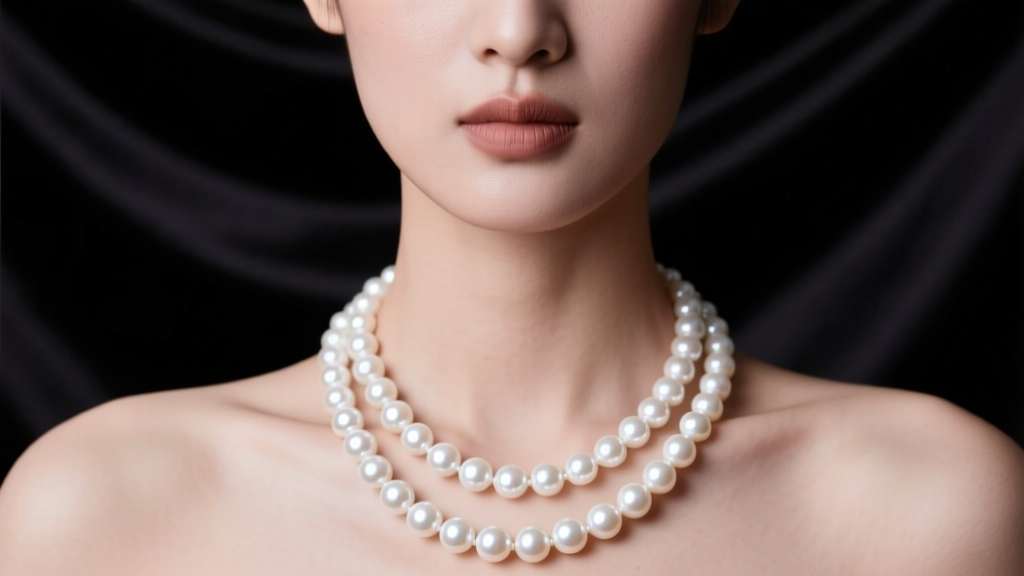
Buying pearls online in 2026 presents a unique challenge: heavily edited, static studio photography can make a $200 low-grade freshwater strand look indistinguishable from a $5,000 Hanadama Akoya necklace. Studio lights flatten imperfections, and rigid posing hides poor stringing. To truly assess value and protect your budget, savvy buyers are turning to motion. Searching for a pearl necklace gif or requesting a short looping video from a seller isn't just for social media aesthetics; it is a critical, real-world value assessment tool. When pearls move, they reveal their true nacre quality, structural integrity, and grading accuracy.
Static images cannot capture the 'orient'—the iridescent play of color that shifts just beneath the surface of high-quality nacre. Furthermore, a photograph cannot show you how the necklace behaves under its own weight. A strand strung cheaply on stiff beading wire will hang in a rigid, unnatural horseshoe shape, while a professionally hand-knotted silk strand will drape fluidly, conforming to the collarbone. By analyzing a looping pearl necklace gif, you can perform a digital drape test, saving yourself from expensive returns and ensuring your budget is allocated to genuine quality.
Decoding Luster and Orient in Motion
According to the Gemological Institute of America (GIA), luster is the most critical quality factor in determining a pearl's value. Luster refers to the sharpness and intensity of light reflected from the pearl's surface. In a static image, a polyurethane coating or heavy digital smoothing can fake a shiny surface. However, in a looping animation or video, the truth is exposed.
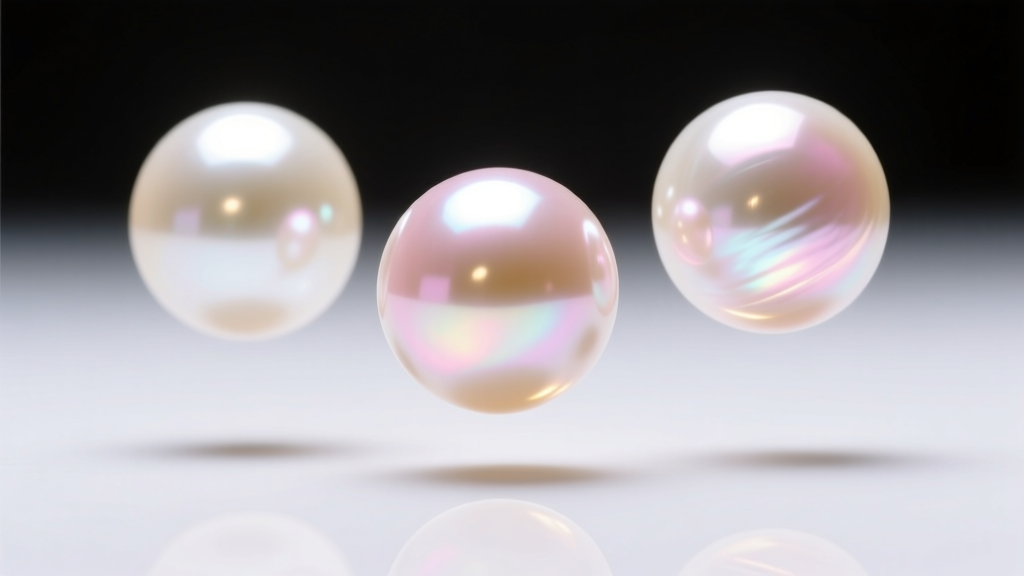
When watching the pearls move, look for the 'rolling' effect of the light. High-grade Akoya and South Sea pearls possess thick, densely packed crystalline nacre layers. As the pearl rotates in the gif, the reflection should remain sharp, almost mirror-like, and you should be able to see the outline of the light source clearly on the surface. Conversely, low-grade freshwater pearls often have a chalky, milky, or blurry reflection. The light will seem to scatter across the surface rather than bounce off it. Furthermore, motion reveals the pearl's overtone. A high-value white Akoya will flash subtle rosé or silver overtones as it turns, whereas a lower-value pearl will appear flat and monochromatic throughout the entire loop.
Assessing Stringing Quality and Knotting
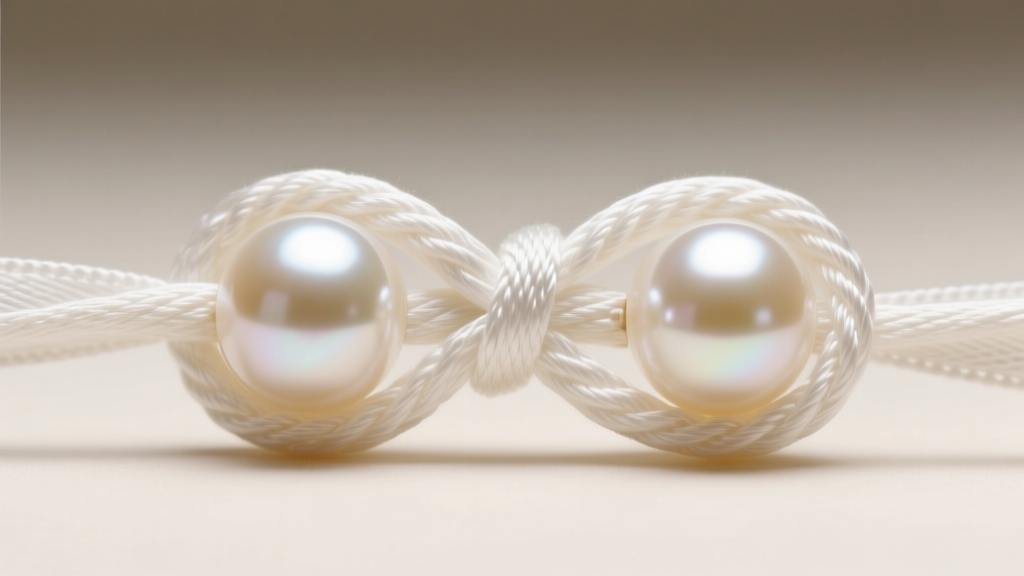
A pearl necklace is only as valuable as its structural foundation. The traditional and most prized method of stringing is hand-knotting on pure silk thread, typically using Size F or G silk for 7mm to 9mm pearls. A pearl necklace gif provides a rare opportunity to inspect the knotting without needing a jeweler's loupe.
The Flex Test: Spotting Cheap Wire vs. Silk
Watch how the strand behaves when the model or display moves. If the necklace shifts as a single, stiff unit, it is likely strung on nylon-coated beading wire or monofilament. While wire is durable, it prevents the pearls from resting flush against one another, causes the necklace to stick out awkwardly from the neck, and is a hallmark of mass-produced, budget-tier manufacturing. Silk, however, allows for micro-movements between each pearl. In a high-quality gif, you should see the strand ripple and cascade like liquid, with each pearl moving independently yet cohesively.
Additionally, zoom in on the gaps between the knots. If the animation shows stretched gaps where the thread is visibly pulling through the pearl's drill hole, the necklace was strung too loosely or the silk has already begun to degrade. Properly tensioned knots should sit flush against the pearl, leaving no more than a fraction of a millimeter of exposed thread.
Value Matrix: Price Expectations by Pearl Type
Understanding the baseline market value helps you contextualize what you are seeing in motion. If a seller is asking premium prices but the drape and luster in their animated previews look rigid and chalky, you are being overcharged. Below is a 2026 market assessment for standard 18-inch princess-length strands.
| Pearl Type | Typical Size Range | Expected Luster in Motion | Budget Price Range (USD) |
|---|---|---|---|
| Freshwater (Commercial) | 6mm - 8mm | Moderate to Chalky; soft, blurry reflections | $150 - $400 |
| Freshwater (Gem Grade) | 8mm - 11mm | High; sharp reflections, slight off-round shapes | $800 - $2,500 |
| Akoya (Standard AAA) | 7mm - 8.5mm | Very High; mirror-like, distinct rosé overtones | $1,500 - $4,000 |
| Akoya (Hanadama) | 8mm - 9.5mm | Extreme; flawless mirror finish, deep orient | $4,500 - $9,000+ |
| White South Sea | 10mm - 14mm | Satin to High; soft, luxurious, glowing reflections | $5,000 - $25,000+ |
When evaluating a pearl necklace gif, cross-reference the visual data with this matrix. If a seller claims a strand is 'Gem Grade South Sea' but it costs $800 and exhibits the rigid drape of wire-stringing, you are looking at a synthetic or heavily treated imitation.
Red Flags to Watch for in Animated Previews
While motion reveals quality, it also exposes critical flaws and deceptive practices. The American Gem Society (AGS) emphasizes the importance of inspecting pearls for surface blemishes and uniformity. When reviewing a looping animation, pause and look for these specific red flags:
- The 'Blinking' Blemish: As the pearl rotates, a dark spot or dull patch may suddenly appear and disappear. This indicates a surface blemish, pit, or thin-nacre spot that the seller tried to hide by positioning the flaw against the drill hole in static photos.
- Inconsistent Drill Holes: Watch the ends of the pearls where they meet the knots. If the holes look jagged, overly large, or 'blown out,' the pearls were likely mass-drilled with dull bits, a common trait in low-budget commercial strands that compromises the nacre's structural integrity.
- Clasp Hardware Quality: A high-value pearl necklace will feature a solid 14k or 18k gold clasp, often secured with a tiny coil of precious metal called 'French wire' or 'gimp' to protect the silk from fraying against the metal ring. If the gif shows a base-metal lobster clasp attached directly to the thread without a bead-tip or French wire, the manufacturer cut corners on the finishing details.
- Color Banding: In lower-quality dyed pearls, the color concentration often pools around the drill holes. In a rotating gif, look for dark rings near the knots, which is a dead giveaway of artificial color enhancement.
Final Verdict: Maximizing Your Pearl Budget
In the modern digital jewelry market, relying solely on curated, static photography is a financial risk. A pearl necklace is a dynamic, wearable piece of art, and its true value is intrinsically linked to how it moves, catches the light, and rests against the skin. By actively seeking out a pearl necklace gif, requesting video walk-arounds, and applying a critical eye to the drape, luster, and knotting in motion, you transition from a passive consumer to an informed appraiser. This simple shift in evaluation strategy ensures that your budget is spent on genuine craftsmanship, thick nacre, and heirloom-quality stringing, rather than clever lighting and digital manipulation.


