The Ultimate Pendant Necklace Buying Guide: What to Look For
Discover how to choose the perfect pendant necklace. Our expert buying guide covers chain types, metal grades, bail sizes, and pricing for 2026.

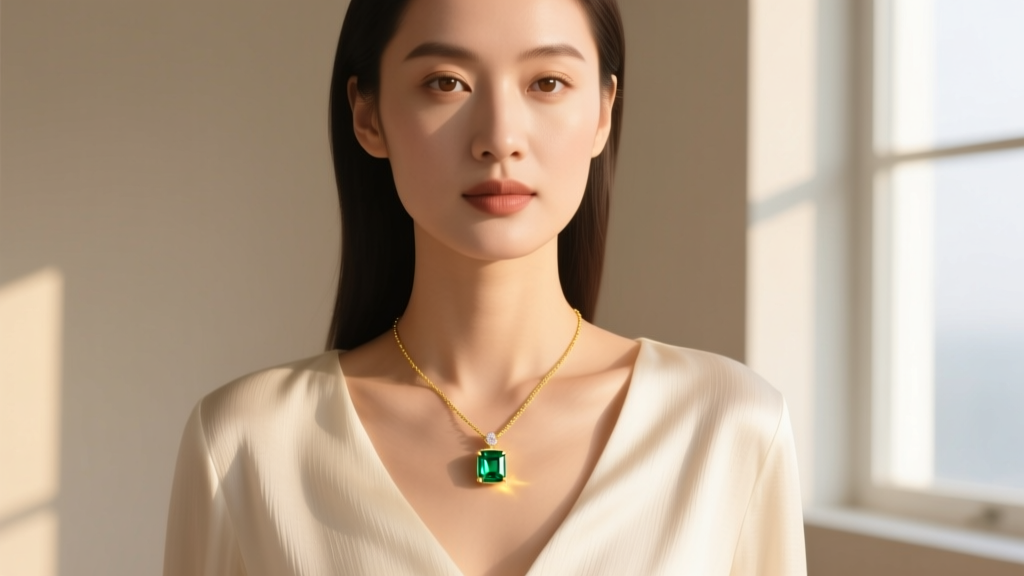
The Evolution of the Pendant Necklace in 2026
The pendant necklace has transitioned from a simple decorative accessory to a highly engineered piece of wearable architecture. In 2026, consumers are moving away from fast-fashion novelty pieces, prioritizing structural integrity, ethical material sourcing, and versatile layering capabilities. Whether you are investing in a heavy gemstone statement piece or a minimalist everyday talisman, understanding the mechanical and metallurgical nuances of pendant necklaces is critical. This guide breaks down the exact specifications you need to evaluate before making a purchase, ensuring your jewelry withstands the rigors of daily wear while maintaining its aesthetic brilliance.
Decoding Metal Grades: Beyond the Karat Stamp
The longevity of your pendant necklace is dictated primarily by its metal composition. While karat stamps indicate gold purity, they do not tell the full story regarding tensile strength and wear resistance. For instance, 18k gold (75% pure gold) offers a rich, warm hue but is inherently softer, making it prone to scratching and bending if used for heavy, oversized pendants. Conversely, 14k gold (58.3% pure gold) is alloyed with metals like zinc and copper, providing superior structural rigidity for intricate prong settings and heavy bails.
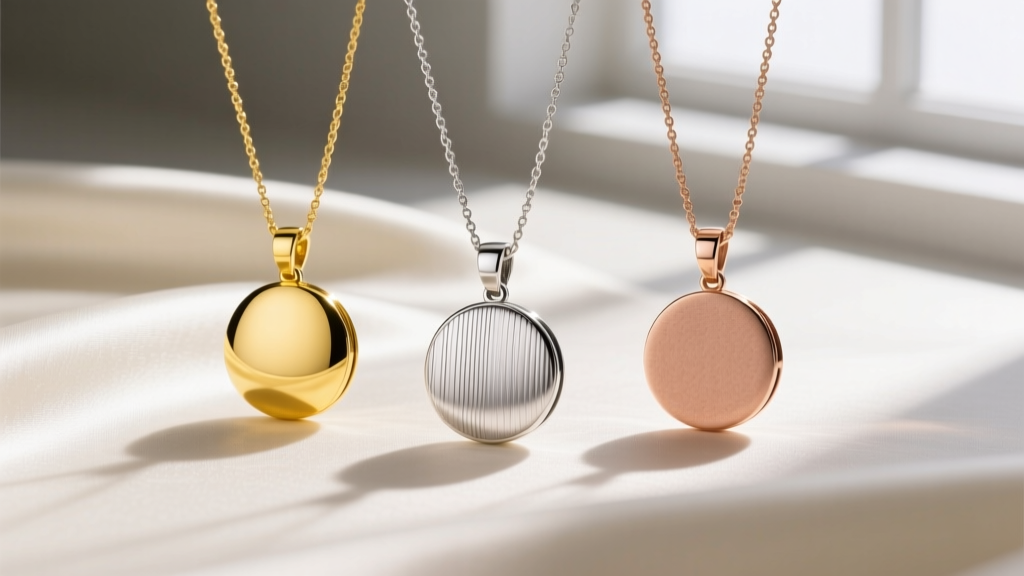
Solid Gold vs. Vermeil vs. Plated
Understanding the distinction between gold vermeil and standard gold plating is essential for budget-conscious buyers. According to the Federal Trade Commission (FTC) Jewelry Guides, a piece can only be legally labeled as "gold vermeil" if it features a sterling silver (925) base and a gold plating thickness of at least 2.5 microns. Standard gold-plated jewelry often utilizes a brass or copper base with a microscopic gold layer (under 0.5 microns), which will inevitably wear through and cause skin discoloration within months of daily friction.
| Metal Type | Base Material | Gold Thickness | Expected Lifespan (Daily Wear) | Price Tier |
|---|---|---|---|---|
| Solid 14k Gold | N/A (Alloyed) | N/A | Lifetime (Generational) | $$$ |
| Gold Vermeil | 925 Sterling Silver | 2.5+ Microns | 3 to 7 Years | $$ |
| Gold Plated | Brass / Copper | < 0.5 Microns | 3 to 12 Months | $ |
| Platinum 950 | N/A (Alloyed) | N/A | Lifetime (Hypoallergenic) | $$$$ |
The Anatomy of a Pendant: Bails and Settings
The bail—the loop that connects the pendant to the chain—is the most critical failure point on any necklace. A poorly engineered bail will cause excessive friction, acting like a microscopic saw that slowly cuts through your chain. When evaluating a pendant, inspect the interior of the bail. High-quality manufacturers polish the interior or line it with rhodium to reduce friction.
Matching Bail Inner Diameter to Chain Width
A common mistake buyers make is pairing a thick chain with a pendant featuring a narrow bail, leading to structural stress. As a strict rule of thumb, the inner diameter of the bail must be at least 20% larger than the width of the chain. If you are using a 2.0mm rope chain, the bail's inner opening must be a minimum of 2.4mm. Furthermore, consider the setting style. According to GIA News & Research, while traditional prong settings maximize light return in diamond pendants, modern bezel and half-bezel settings offer significantly better protection against impact and snagging, which is vital for active lifestyles.
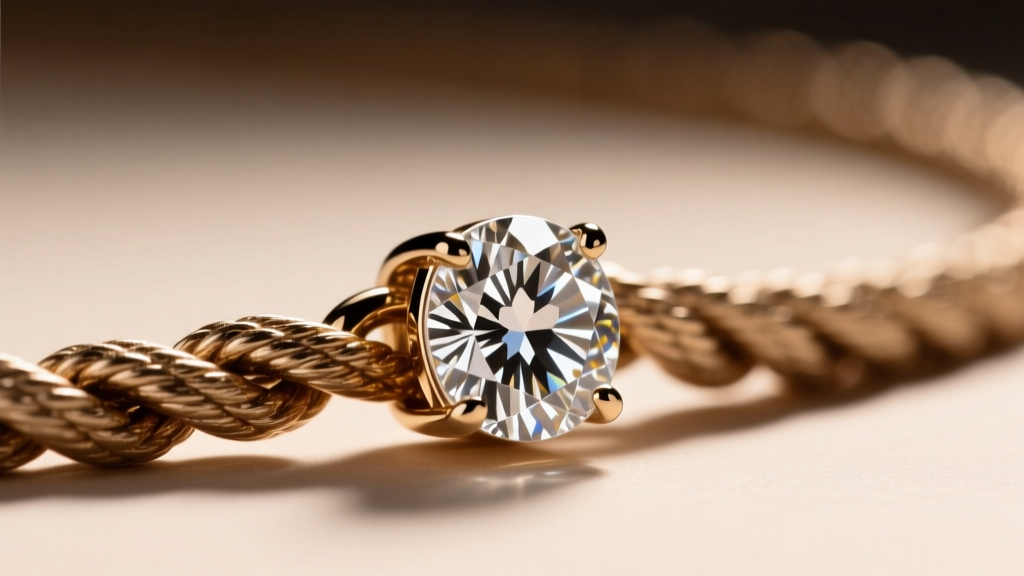
Chain Selection: Weight Capacity and Link Integrity
The chain must be engineered to support the dynamic weight of the pendant. A pendant weighing 8 grams exerts significantly more force on a chain when the wearer bends over or moves quickly due to kinetic momentum. Do not rely solely on the chain's visual thickness; the link construction determines its tensile strength.
- Cable Chain (1.0mm - 1.5mm): Features simple oval links. Best for lightweight pendants (under 3 grams). Tensile strength is relatively low; prone to snapping if caught.
- Box Chain (1.2mm - 2.0mm): Composed of square, interlocking links. Highly resistant to kinking and can comfortably support medium-weight pendants (4 to 10 grams) without stretching.
- Rope Chain (2.0mm - 3.5mm): Twisted links that mimic a rope. Offers the highest tensile strength and is mandatory for heavy gemstone or solid gold pendants exceeding 12 grams.
- Curb Chain (1.5mm - 3.0mm): Flat, interlocking links that lay flush against the skin. Excellent for modern, geometric pendants, though the flat surface can be prone to scratching.
Proportion and Drop Length: The Layering Rules
The visual impact of a pendant necklace relies heavily on its drop length relative to the wearer's anatomy. In 2026, the standard 18-inch princess length is being replaced by more intentional, customized sizing to accommodate multi-layered stacks.
"A pendant should never float aimlessly. For a solo piece, a 16-inch choker length with a 15mm drop pendant draws the eye to the collarbone. For layering, anchor your stack with a 20-inch matinee chain featuring a heavier, 25mm pendant, allowing lighter 14-inch chains to frame the face without tangling."
When calculating the total drop, remember to add the length of the bail to the physical height of the pendant itself. A 20mm pendant with an 8mm hidden bail effectively creates a 28mm drop, which drastically changes where the piece rests on the sternum.
Pricing Tiers: What You Should Actually Pay
Navigating the pricing landscape requires an understanding of material costs versus brand markup. Use this framework to determine if a pendant necklace is fairly priced based on its intrinsic value.
| Tier | Materials & Construction | Expected Price Range | Best Use Case |
|---|---|---|---|
| Fashion | Brass base, flash plated, glass or CZ stones | $25 - $85 | Trend-driven, seasonal wear |
| Demi-Fine | 925 Silver base, 2.5 micron vermeil, semi-precious stones | $90 - $250 | Everyday office wear, gifting |
| Fine Jewelry | Solid 14k/18k gold, genuine diamonds/sapphires, cast & polished | $400 - $2,500 | Milestones, daily heirlooms |
| High Jewelry | Platinum/18k Gold, GIA-certified unheated gems, hand-fabricated | $5,000+ | Investment, red-carpet events |
Final Pre-Purchase Checklist
Before finalizing your pendant necklace purchase, run through this rapid diagnostic checklist to ensure you are acquiring a piece built for longevity:
- Hallmark Verification: Is the metal stamped with a recognized hallmark (e.g., 14k, 925, PT950)?
- Bail Clearance: Does the bail comfortably slide over the thickest part of the chain's clasp without forcing?
- Setting Security: Run a piece of silk thread or a soft cloth over the gemstone setting. If it snags, the prongs are poorly finished and will tear your clothing.
- Weight Distribution: Hold the chain up. Does the pendant hang perfectly perpendicular, or does the bail cause it to tilt? A tilted pendant indicates a poorly balanced bail placement.
- Clasp Integrity: Ensure the chain features a spring-ring or lobster clasp that is proportionate to the chain's weight. A heavy pendant requires a clasp with a strong internal spring mechanism.


