The Difference Between Pendant and Necklace: A Buyer's Guide
Confused about the difference between pendant and necklace? Our buyer's guide breaks down chain types, hardware, weight, and how to shop for both.

The Core Distinction: Chain vs. Focal Point
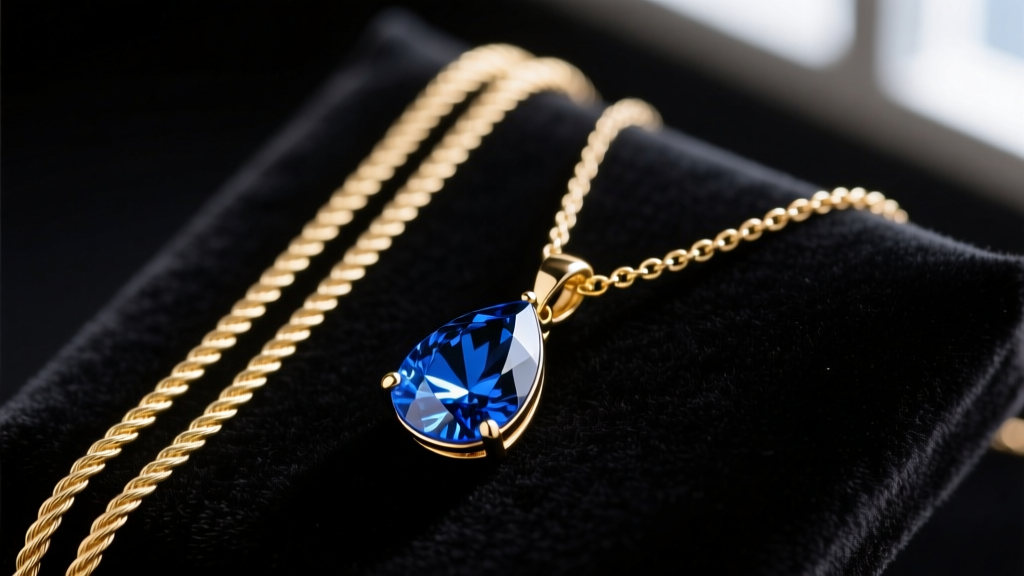
When shopping for fine jewelry, understanding the fundamental difference between pendant and necklace structures is critical for making informed purchasing decisions. While the terms are frequently used interchangeably in casual conversation, jewelers and gemologists treat them as distinct entities with unique structural requirements, pricing models, and styling rules.
A necklace refers to the complete, continuous loop of material—typically a metal chain, leather cord, or beaded strand—that encircles the neck. It is the foundational architecture. A pendant, conversely, is the detachable focal ornament that hangs from the necklace. Think of the necklace as the canvas and the pendant as the artwork. As we navigate the jewelry market in 2026, the rise of modular, interchangeable jewelry has made understanding this distinction more important than ever, allowing collectors to buy high-quality chains and swap pendants based on the occasion.
Anatomy of a Necklace: What You Are Actually Buying
When you purchase a standalone necklace (without a pendant), you are paying for the integrity of the chain links, the clasp mechanics, and the metallurgical durability. Not all chains are created equal, and selecting the wrong chain style can lead to premature stretching or breakage.
Chain Styles and Link Integrity
The structural strength of a necklace depends heavily on its link pattern and gauge (thickness). For everyday wear, a gauge between 1.0mm and 1.5mm is the sweet spot for durability without sacrificing a delicate aesthetic.
- Cable Chains: The most traditional style, featuring uniform oval links. Excellent for lightweight charms, but prone to kinking if the gauge is under 0.9mm.
- Rolo Chains: Composed of alternating round or flat links. The interlocking nature of the rolo link provides superior tensile strength, making it a premier choice for holding heavier pendants.
- Figaro and Curb Chains: Features flattened, interlocking links that lay flush against the skin. These are highly resistant to tangling and are often worn as standalone necklaces due to their visual weight and texture.
- Box Chains: Made of square links connected to form a smooth, continuous square column. While beautiful, box chains under 1.2mm are notorious for stretching irreparably if pulled.
Clasp Mechanics and Hardware
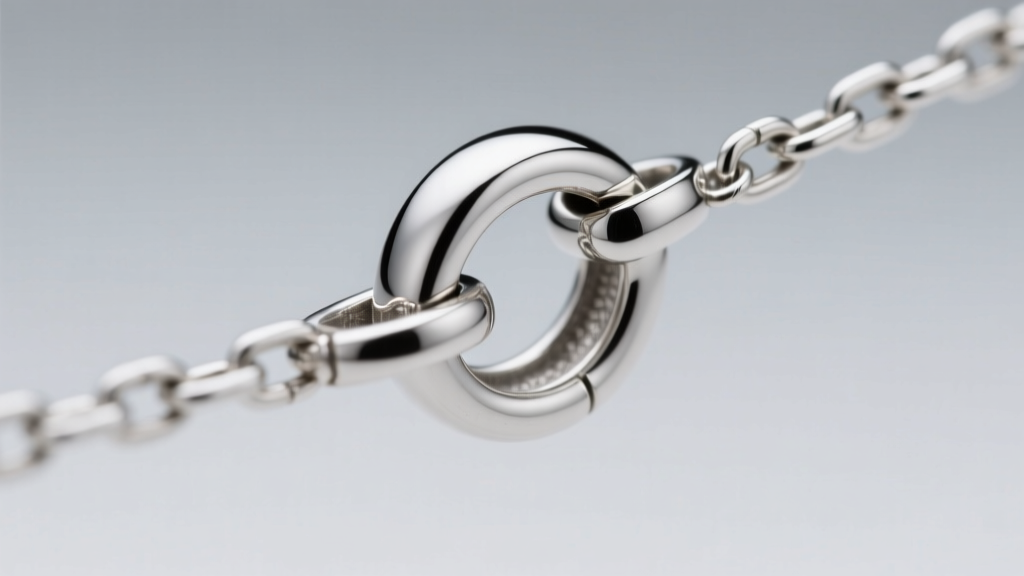
The clasp is the most common point of failure on any necklace. According to manufacturing standards highlighted by the Jewelers of America, matching the clasp to the chain's weight is non-negotiable.
- Spring Ring: Cheap and lightweight. Suitable only for delicate chains under 1.0mm. The internal spring mechanism frequently fails over time.
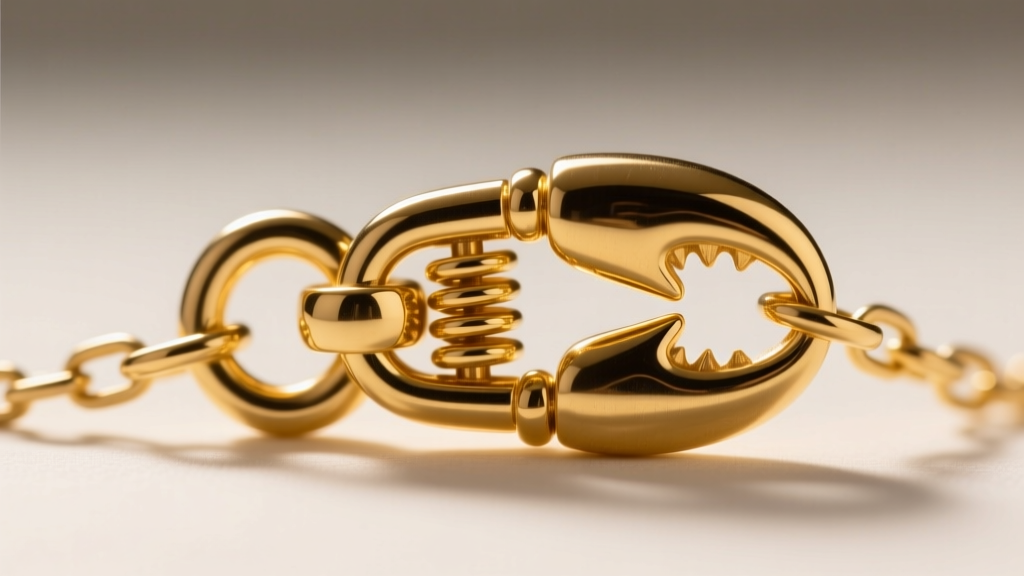
- Lobster Clasp: The industry standard for mid-weight chains (1.0mm to 2.5mm). The teardrop shape and robust internal spring offer excellent security.
- Toggle Clasp: A bar that slips through a ring. Ideal for heavy, thick chains (3.0mm+) where the weight of the necklace itself keeps the bar securely seated in the ring.
Anatomy of a Pendant: Weight, Bails, and Proportions
A pendant is defined by its focal nature. Whether it is a solitary lab-grown diamond, a vintage locket, or an intricate enamel motif, the pendant dictates the visual center of gravity. However, buying a pendant requires careful attention to its hardware—specifically, the bail.
The Bail: The Unsung Hero of Drape
The bail is the metal loop or connector at the top of the pendant that allows it to slide onto the necklace chain. The GIA Gem Encyclopedia notes that the proportions of the bail must harmonize with both the pendant's mass and the chain's thickness.
- Standard Bails: A simple loop soldered to the top of the pendant. Best for lightweight pieces and thin cable chains.
- Tube Bails: A cylindrical metal tube glued or soldered to the top of a gemstone. Common in pearl pendants, but the adhesive can degrade over time if exposed to perfumes or lotions.
- Hidden Bails: Designed to slide through a hole drilled in the gemstone itself, allowing the stone to appear as though it is floating on the chain. Requires a very specific, thin chain gauge to function properly.
Material Weight and Chain Strain
A common buying mistake is pairing a heavy, solid gold or large gemstone pendant with a delicate, hollow chain. A pendant weighing more than 10 grams requires a chain with a minimum gauge of 1.8mm and a robust rolo or curb link structure. If the pendant outweighs the chain by a ratio greater than 3:1, the chain will eventually stretch, warp, or snap at the clasp jump ring due to kinetic stress from daily movement.
Comparative Buying Matrix: Pendants vs. Standalone Necklaces
To streamline your purchasing decisions, refer to this structural comparison matrix:
| Feature | Standalone Necklace | Pendant (Focal Piece) |
|---|---|---|
| Primary Function | Encircles the neck; provides structural foundation. | Draws the eye; serves as the stylistic centerpiece. |
| Pricing Structure | Priced by metal weight, chain complexity, and brand. | Priced by gemstone quality, carat weight, and artistry. |
| Hardware Focus | Clasp security, link soldering, jump ring integrity. | Bail dimensions, prong tension, bezel setting quality. |
| Layering Utility | High; multiple chains of varying lengths stack easily. | Low; bulky pendants tangle and compete for visual space. |
How to Shop: Matching Pendants to Chains
Buying a pendant and a necklace separately gives you ultimate control over the final aesthetic, but it requires a strategic approach to metallurgy and proportions.
1. Match the Metal Alloy Hardness
If you are buying a heavy pendant, avoid 18k or 22k gold chains. Pure gold is inherently soft. An 18k gold chain (75% pure gold) has lower tensile strength than a 14k gold chain (58.3% pure gold). The copper and zinc alloys in 14k gold provide the necessary rigidity to support a heavy pendant without the links pulling apart over time.
2. Calculate the Bail-to-Chain Ratio
Before purchasing a pendant online, check the interior millimeter (mm) dimensions of the bail. If the bail has an interior width of 4mm, you cannot use a 2mm curb chain, as the links will not pass through the bail smoothly, causing friction and metal wear. Always ensure the chain's maximum width is at least 1mm smaller than the bail's interior diameter.
3. Consider the Neckline and Drop Length
Pendants require specific chain lengths to sit correctly on the chest. A standard 18-inch chain will place a pendant at the collarbone, ideal for crew necklines. For V-necks or scoop necks, a 20-inch to 24-inch chain allows the pendant to rest in the negative space of the garment, elongating the torso.
Expert Troubleshooting: Common Failure Points
"The most frequent repair we see is not a broken chain link, but a stretched jump ring connecting the clasp to the chain. When a heavy pendant acts as a pendulum during walking, the kinetic energy transfers to the clasp hardware, pulling the soft metal jump ring into an oval shape until it slips open."
To prevent this, always inspect the jump rings on a new necklace. They should be soldered shut (meaning there is no visible gap in the metal ring) or made of thick, hard-tempered wire. If you are attaching a valuable diamond pendant to a chain, have a jeweler laser-weld the jump ring shut for permanent security.
Final Verdict for Collectors
Mastering the difference between pendant and necklace components transforms you from a passive shopper into an informed collector. By prioritizing chain tensile strength, matching bail proportions, and selecting the correct clasp hardware for the specific weight of your focal piece, you ensure that your jewelry not only looks exceptional but survives the rigors of daily wear. Invest in a high-quality, modular 14k gold rolo chain as your foundational piece, and curate a diverse collection of pendants to suit your evolving style.


