2026 Gift Guide: The Perfect Pink Color Stone Necklace
Discover the ultimate 2026 gift guide for a pink color stone necklace. Match morganite, sapphire, and quartz pendants to any milestone.

The Emotional Resonance of Pink Gemstones in 2026
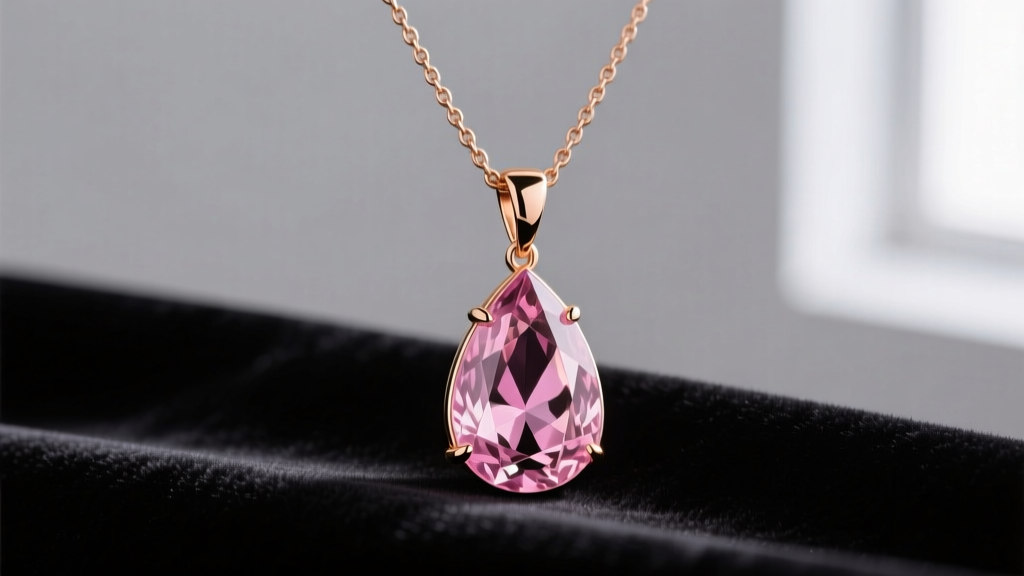
Gifting jewelry is an intimate act of translation. You are taking a feeling—love, pride, gratitude, or devotion—and crystallizing it into a wearable artifact. As we navigate the 2026 jewelry market, the demand for colored gemstones has surged past traditional diamonds, with buyers increasingly seeking pieces that carry emotional weight and distinct personality. At the forefront of this shift is the pink color stone necklace. Pink gemstones universally symbolize compassion, nurturing, and romantic affection, making them an unparalleled choice for milestone gifting.
However, the term 'pink stone' encompasses a vast geological spectrum. From the indestructible brilliance of a padparadscha-adjacent pink sapphire to the soft, milky translucence of rose quartz, choosing the right material requires a deep understanding of gemology, durability, and the specific occasion you are honoring. This guide will decode the market, providing actionable frameworks to match the perfect pink pendant to your recipient's lifestyle and your specific milestone.
Decoding Pink Gemstones: Hardness, Hue, and Price
Before selecting a setting or chain length, you must understand the physical properties of the stone. A necklace rests against the collarbone and is subject to accidental impacts, perfume exposure, and temperature changes. The Mohs scale of mineral hardness is your primary metric for determining whether a stone can survive daily wear or requires careful, occasional use.
| Gemstone | Mohs Hardness | Avg. Price/Carat | Durability & Best For |
|---|---|---|---|
| Pink Sapphire | 9.0 | $1,500 - $10,000+ | Exceptional; Daily Wear & Anniversaries |
| Morganite | 7.5 - 8.0 | $100 - $300 | Very Good; Romantic Milestones |
| Pink Tourmaline | 7.0 - 7.5 | $50 - $400 | Good; Birthdays & Evening Wear |
| Rhodochrosite | 3.5 - 4.0 | $20 - $150 | Poor; Collectors & Occasional Wear |
| Rose Quartz | 7.0 | $2 - $15 | Good; Self-Gifting & Casual Layering |
According to the Gemological Institute of America (GIA), pink sapphires owe their hue to trace amounts of chromium. The higher the chromium content, the deeper the pink, eventually crossing the threshold into ruby territory. For a necklace intended for daily, never-take-off wear, pink sapphire is the only logical choice among pink stones, as its 9.0 Mohs rating ensures it will not scratch from airborne dust (which contains quartz particles at a 7.0 hardness).
Occasion Matching: Which Pink Stone for Which Milestone?
1. Anniversaries & Romantic Milestones (Pink Sapphire & Morganite)
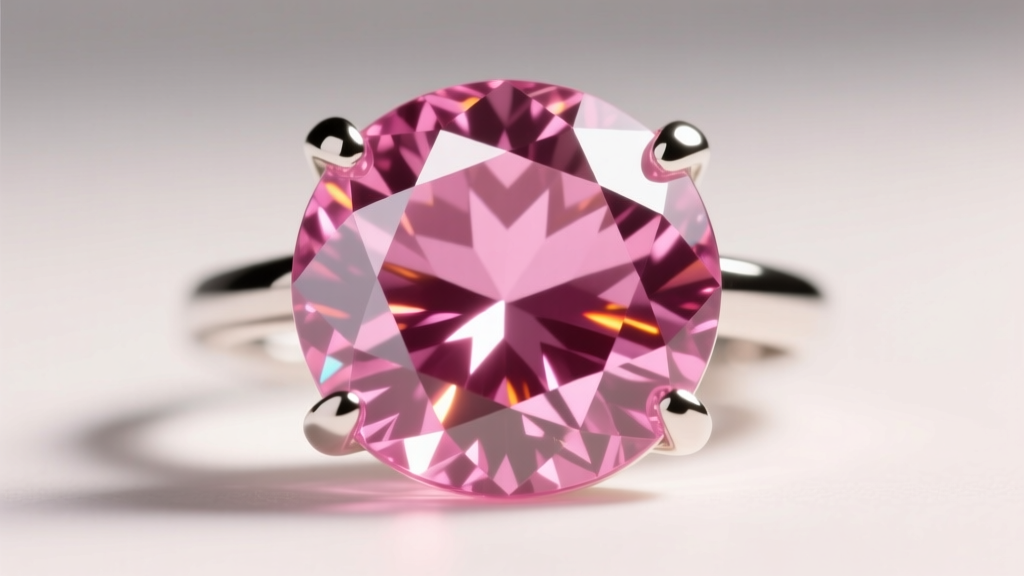
For major romantic milestones—such as a 5th or 10th anniversary, or a Valentine's Day proposal—the stone must convey permanence and luxury. Morganite, a variety of beryl, has become a staple for romantic gifting due to its peachy-pink hue and high clarity. However, because morganite is often cut in large carat weights (3 to 8 carats) to maximize its pastel color, it requires a protective setting like a bezel or a heavy six-prong basket to prevent chipping at the girdle. If your budget allows, a vivid, unheated pink sapphire set in platinum remains the ultimate declaration of enduring love, offering unparalleled brilliance and scratch resistance.
2. Birthdays & Graduations (Pink Tourmaline & Rhodochrosite)
Pink tourmaline (rubellite) is the official birthstone for October. It offers a neon, electric pink that rivals top-tier sapphires but at a fraction of the cost. Tourmaline is highly pleochroic, meaning it shows different colors when viewed from different angles. A skilled lapidary will cut the stone to maximize the pink face-up color. Rubellite makes an exceptional graduation gift, symbolizing creativity and emotional healing. Conversely, rhodochrosite, with its striking red and white banding, is a phenomenal gift for the geology enthusiast or art collector, though its low hardness (3.5-4.0) dictates it must be set in a pendant that sits high on the chest to avoid impact.
3. 'Just Because' & Self-Gifting (Rose Quartz & Pink Opal)
The modern jewelry consumer heavily embraces self-gifting and intention-setting. Rose quartz, often carved into cabochons or raw, unpolished geometric shapes, is deeply tied to the heart chakra and self-love narratives. It is highly affordable, allowing buyers to invest in heavier, more intricate 14k or 18k gold chain work rather than spending the entire budget on the stone itself.
Chain Lengths and Metal Pairings for Pink Pendants
The metal alloy you choose will fundamentally alter the perception of the pink stone. In 2026, 14k rose gold remains the dominant pairing for morganite and rose quartz. The copper content in rose gold creates a monochromatic, harmonious gradient that amplifies the warmth of the gemstone. However, if you are gifting a vivid pink sapphire or a deep rubellite tourmaline, platinum or rhodium-plated 18k white gold is superior. The cool, stark white metal provides maximum contrast, making the pink appear more saturated and electric.
Chain length dictates the necklace's interaction with the wearer's wardrobe:
- 16 Inches (Choker/Collar): Sits tightly at the base of the neck. Best for small, delicate diamond-accented pink sapphire pendants worn with V-necks or off-the-shoulder tops.
- 18 Inches (Princess): The industry standard. Rests perfectly on the collarbone. Ideal for 2-4 carat morganite pendants.
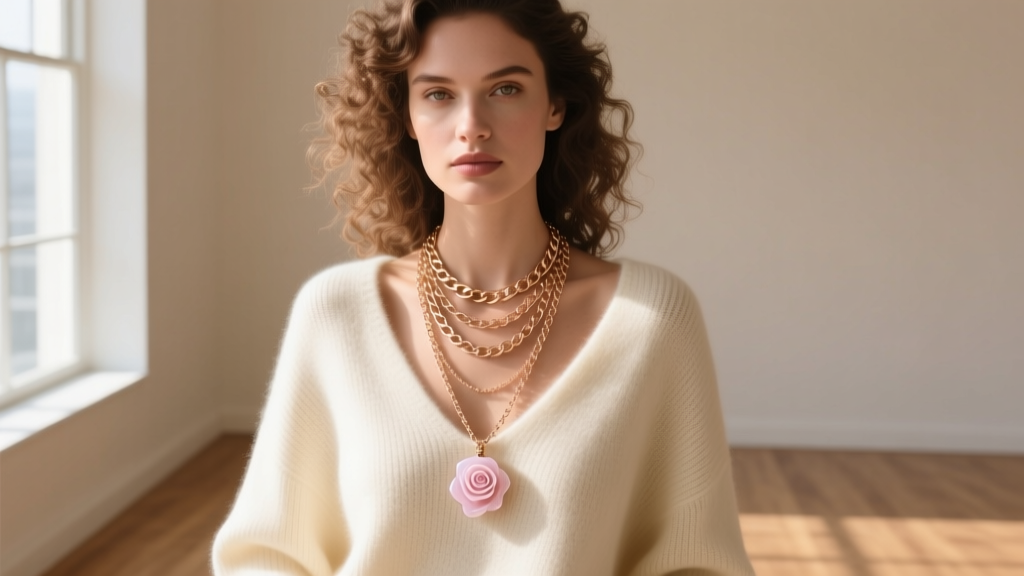
- 22 to 24 Inches (Matinee): Drops below the neckline. Perfect for large, opaque stones like carved rose quartz or banded rhodochrosite worn over cashmere sweaters or silk blouses.
Expert Buying Checklist: Avoiding Treated Stone Traps
The colored gemstone market is rife with treatments that drastically affect value and durability. When purchasing a high-ticket pink color stone necklace, you must ask the jeweler specific questions about enhancements.
The Golden Rule of Colored Gemstones: Always assume a stone is treated unless accompanied by a report from a tier-one laboratory (GIA, AGL, or Gübelin) stating 'No Evidence of Heat or Treatments'.
According to GIA's morganite research, while morganite is rarely heat-treated (because heat can actually remove its pink color, turning it yellow), it is frequently fracture-filled with epoxy resins to improve apparent clarity. If a fracture-filled morganite necklace is taken to a standard jeweler for ultrasonic cleaning or steam polishing, the filler can melt or cloud, ruining the stone. Always inform your jeweler of any known treatments before allowing them to service the piece.
For pink sapphires, beware of beryllium lattice diffusion. This process introduces beryllium into the crystal structure during heating to artificially induce or enhance a pink or padparadscha color. Beryllium-diffused sapphires are worth a fraction of the price of traditionally heat-only sapphires. Demand an origin and treatment report for any pink sapphire priced above $2,000 per carat.
Final Thoughts on Gifting Pink
A pink gemstone necklace is more than an accessory; it is a curated emotional artifact. By aligning the Mohs hardness with the recipient's daily habits, matching the stone's symbolism to the milestone, and pairing it with the correct metallurgical alloy, you elevate a simple gift into a lifelong heirloom. Whether you opt for the indestructible romance of a pink sapphire or the nurturing, earthy tones of a rose quartz cabochon, the key to successful gifting in 2026 lies in intentionality and gemological literacy.


