The Beginner's Guide to Choosing a Pink Gemstone Necklace
Discover how to choose the perfect pink gemstone necklace. Compare morganite, sapphire, and rose quartz for durability, price, and daily wear.

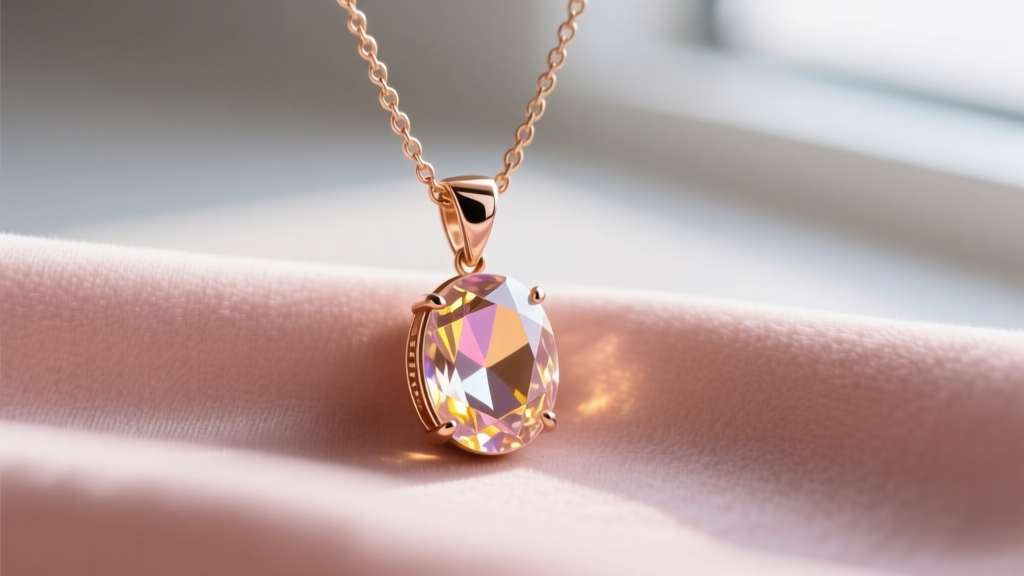
A pink gemstone necklace is more than just a pop of color; it is a versatile staple that bridges the gap between romantic elegance and everyday wearability. Whether you are drawn to the soft, peachy hues of morganite or the vivid, saturated tones of a pink sapphire, navigating the gemstone market can be overwhelming for a beginner. With synthetic alternatives, treated stones, and varying durability levels, making an informed purchase requires a basic understanding of gemology.
In this comprehensive guide, we will break down the most popular pink gemstones used in necklaces, evaluate their hardness for daily wear, and provide actionable advice on how to pair them with the right metals and chains. By the end, you will know exactly what to look for when investing in your next piece of jewelry.
The Big Four: Popular Pink Stones for Necklaces
Not all pink stones are created equal. Their chemical composition dictates their brilliance, durability, and price point. Here are the four most common pink gemstones you will encounter when shopping for pendants and necklaces.
1. Morganite (The Romantic Choice)
Morganite is a variety of the mineral beryl, making it a close relative to emerald and aquamarine. It typically ranges from a soft, pastel pink to a warmer peach-pink. According to the Gemological Institute of America (GIA), morganite is often heat-treated to remove yellow or orange undertones, resulting in a purer pink hue. This treatment is stable and widely accepted in the jewelry industry. Morganite is highly prized for its high clarity and vitreous luster, but it requires a protective bezel or halo setting if worn daily, as it can be prone to chipping along its cleavage planes.
2. Pink Sapphire (The Durable Luxury)
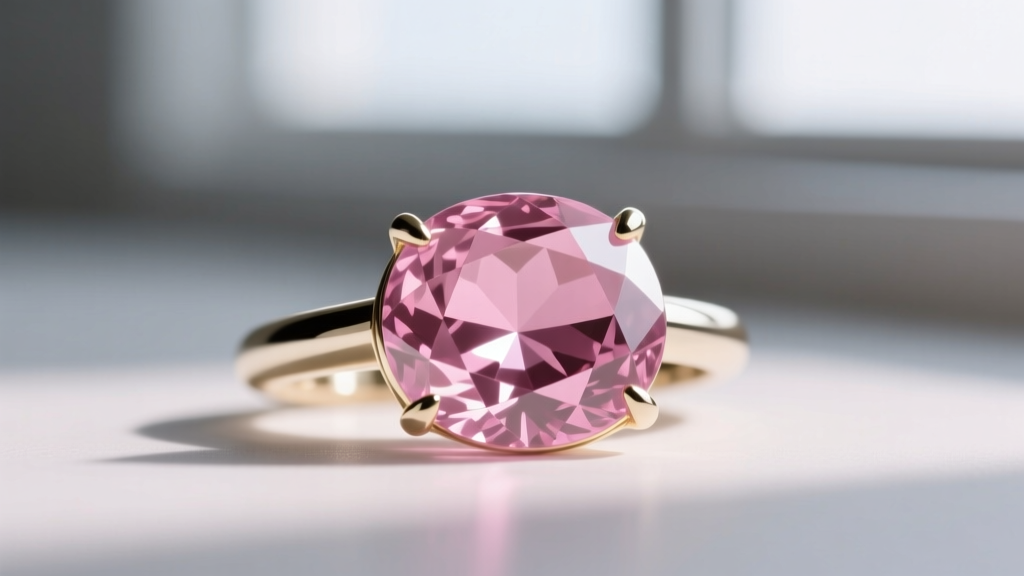
If durability is your top priority, pink sapphire is the undisputed champion. Belonging to the corundum family, pink sapphires score a 9 on the Mohs hardness scale, second only to diamonds. Their color is caused by trace amounts of chromium. The more chromium present, the deeper and more saturated the pink. While natural, untreated pink sapphires with vivid saturation command premium prices (often exceeding $2,000 per carat), lab-created pink sapphires offer identical chemical and physical properties at a fraction of the cost, making them an excellent choice for budget-conscious buyers who refuse to compromise on durability.
3. Rose Quartz (The Accessible Healer)
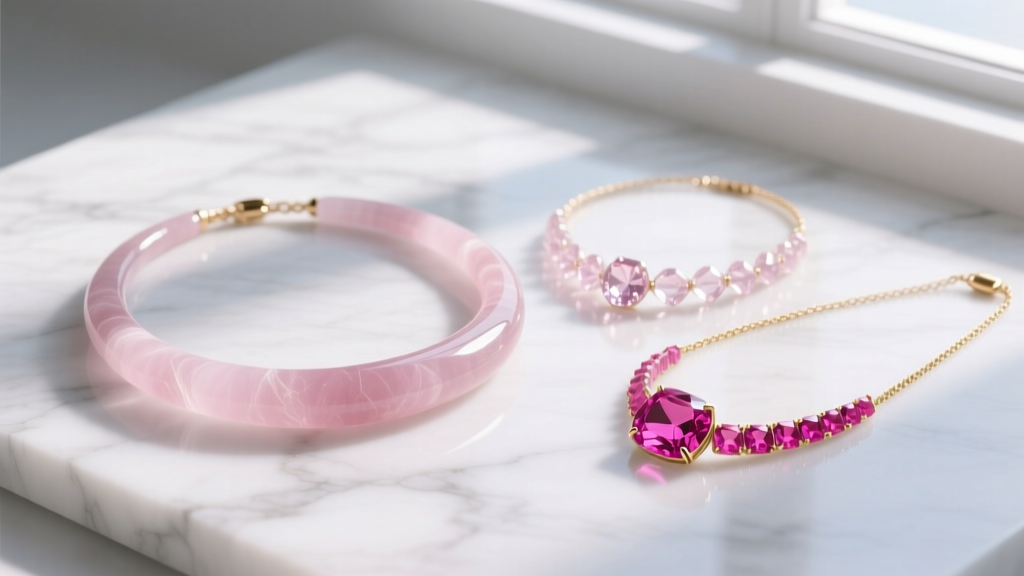
Rose quartz is a macrocrystalline variety of quartz that is famous for its cloudy, translucent to opaque appearance. Unlike faceted gems, rose quartz is almost always cut en cabochon (smooth and rounded) or carved into beads. It is incredibly affordable, with high-quality pendant stones rarely exceeding $50. However, its milky appearance means it lacks the sparkle of faceted stones. It is an ideal choice for bohemian, minimalist, or spiritual jewelry designs.
4. Pink Tourmaline (The Vibrant Alternative)
Pink tourmaline offers some of the most electric, neon-pink hues in the gemological world. The most valuable variety is 'rubellite,' which maintains its vivid pink-to-red color under both natural and artificial light. Tourmaline is strongly pleochroic, meaning it can show different colors when viewed from different angles. This requires a skilled lapidary to cut the stone correctly to maximize the best color face-up.
Durability Check: Mohs Hardness and Daily Wear
When buying a necklace, the pendant rests against the sternum and is less prone to impact than a ring. However, it can still swing against tables, zippers, and other jewelry. Understanding the Mohs scale of mineral hardness and a stone's 'toughness' (resistance to chipping and breaking) is critical.
| Gemstone | Mohs Hardness | Toughness | Daily Wear Suitability | Avg. Price per Carat |
|---|---|---|---|---|
| Pink Sapphire | 9.0 | Excellent | Highly Recommended | $800 - $3,000+ |
| Morganite | 7.5 - 8.0 | Good (but brittle) | Good (with care) | $150 - $400 |
| Pink Tourmaline | 7.0 - 7.5 | Fair to Good | Moderate | $100 - $600 |
| Rose Quartz | 7.0 | Good | Good (for cabochons) | $2 - $15 |
Note: Prices are estimates for medium-to-high quality, natural, faceted stones (except rose quartz) and can fluctuate based on market demand and origin.
Chain Pairings: Matching Metals to Pink Stones
The metal you choose for your necklace chain and pendant bail dramatically alters the visual impact of the pink gemstone. Color theory plays a significant role in jewelry design.
- Rose Gold: The copper alloy in rose gold enhances the warm, peachy undertones of morganite and light pink tourmaline. This is the most popular pairing for romantic, vintage-inspired designs.
- White Gold / Platinum: Cool-toned metals provide a stark, high-contrast backdrop that makes the pink color pop. This is the preferred setting for vivid pink sapphires and rubellite tourmaline, as it prevents the stone from looking overly warm or muddy.
- Yellow Gold: While less common with pink stones, a rich 14k or 18k yellow gold creates a striking, retro aesthetic, particularly with deeper, almost magenta pink sapphires.
For the chain itself, a delicate 14-inch to 16-inch cable or box chain works best for small solitaire pendants (under 1 carat). For heavier stones like large rose quartz carvings or multi-carat morganites, opt for a 2mm to 3mm rope chain or a sturdy wheat chain to prevent the metal from stretching or snapping under the pendant's weight.
Spotting Fakes: A Beginner's Authenticity Checklist
The market is flooded with glass imitations, dyed quartz, and synthetic spinel passed off as natural pink gemstones. While definitive identification requires a certified gemologist, beginners can use these practical checks when shopping:
- The Inclusion Test: Natural stones rarely have perfect clarity. Use a 10x jeweler's loupe to inspect the stone. If you see perfectly round air bubbles, it is almost certainly glass. Natural sapphires will show microscopic 'silk' (rutile needles) or color zoning, while natural tourmaline often contains thread-like liquid inclusions.
- The Temperature Test: Genuine gemstones feel noticeably cold to the touch and take longer to warm up against your skin compared to glass or plastic. While not foolproof, it is a good initial indicator for beads and cabochons.
- Dye Concentration: Dyed rose quartz or dyed beryl will often show color concentrating in the cracks and fractures of the stone. If the pink looks web-like or unnaturally uniform in a heavily included stone, it has likely been treated with chemical dyes.
Always ask the American Gem Society certified jeweler for a disclosure statement regarding any treatments, specifically fracture-filling or irradiation, which are common in lower-grade tourmaline and beryl.
Care and Maintenance Protocols
Pink gemstones require specific care routines to maintain their luster and structural integrity. The biggest mistake beginners make is using ultrasonic cleaners indiscriminately.
What to Avoid
Never put morganite, tourmaline, or rose quartz in an ultrasonic cleaner. The high-frequency vibrations can cause internal fractures to expand, potentially shattering the stone. Furthermore, if a stone has been fracture-filled with resin or oil (a common practice for tourmaline), the ultrasonic waves will strip the filler out, leaving the stone cloudy and structurally compromised.
The Safe Cleaning Method
For all pink gemstones, the safest and most effective cleaning method is the lukewarm soapy bath:
- Mix a few drops of mild, ammonia-free dish soap (like Dawn) into a bowl of lukewarm water.
- Submerge the necklace and let it soak for 10 to 15 minutes to loosen body oils and lotion residue.
- Gently scrub the back of the gemstone (the pavilion) with a soft-bristled baby toothbrush. This is where the most dirt accumulates, blocking light return and killing the stone's sparkle.
- Rinse thoroughly under a gentle stream of lukewarm water, ensuring the drain is closed.
- Pat dry with a lint-free microfiber cloth.
Final Thoughts on Your Purchase
Choosing the right pink gemstone necklace comes down to balancing your budget, your aesthetic preferences, and your lifestyle. If you want a worry-free, everyday piece that will survive decades of wear, invest in a pink sapphire. If you prefer a larger, statement-making stone with a romantic vibe and are willing to practice mindful wear, morganite is an exquisite choice. By understanding the gemological properties and proper care techniques outlined above, you can confidently select a necklace that will remain a cherished part of your collection for years to come.


