The Ultimate Pink Rose Necklace Buying Guide: Metals, Stones & Care
Discover how to buy a genuine pink rose necklace. Compare 14k vs 18k rose gold, morganite vs sapphire, pricing tiers, and red flags.

The Anatomy of a Pink Rose Necklace
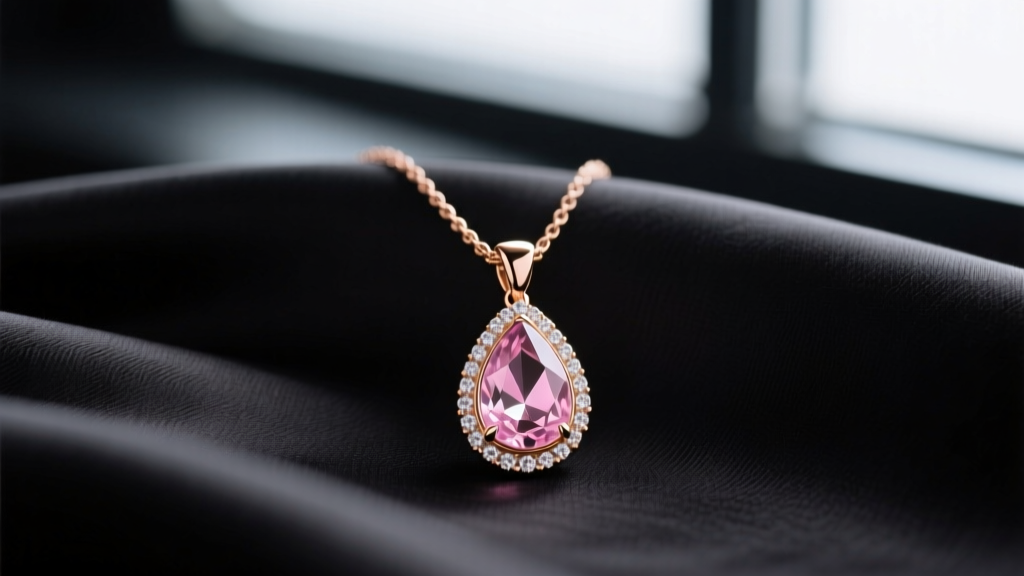
When searching for the perfect pink rose necklace, buyers are often confronted with a maze of marketing terms, synthetic alternatives, and confusing metallurgy. Whether you are drawn to the romantic hue of a literal rose-shaped pendant or the sophisticated blush of a gemstone set in rose gold, understanding the material science behind these pieces is critical. As of 2026, the jewelry market has seen a massive influx of lab-grown stones and copper-heavy alloys that mimic high-end pieces but fail in longevity. This comprehensive buying guide cuts through the fluff, providing you with the exact metallurgical ratios, gemological data, and structural benchmarks you need to make an informed investment.
Decoding Rose Gold: Why 14k is Actually "Pinker" Than 18k
The most common misconception in jewelry buying is that a higher karat weight always equates to a better color. In the case of rose gold, the exact opposite is often true. Pure gold (24k) is naturally yellow. To create rose gold, jewelers alloy pure gold with copper and a small amount of silver. The copper is what provides the pink/red hue.
The Alloy Breakdown
- 18k Rose Gold: Contains 75% pure gold, 22.25% copper, and 2.75% silver. Because the gold content is so high, the resulting color is a soft, peachy-champagne. It is highly tarnish-resistant but less intensely pink.
- 14k Rose Gold: Contains 58.3% pure gold, 31% copper, and 10.7% silver. The higher copper content yields a much deeper, richer, and distinctly "pinker" or reddish hue. This is the industry standard for a vibrant pink rose necklace.
- 10k Rose Gold: Contains 41.7% pure gold and up to 45% copper. While very pink and highly durable, the high copper content makes it prone to oxidation and can cause skin discoloration (the dreaded "green neck" effect) for those with acidic body chemistry.
Expert Tip: If you want a vivid pink metal tone that will not tarnish easily, 14k rose gold is your optimal choice. Avoid anything labeled "rose gold plated" over brass if you intend to wear the necklace daily, as the plating will wear through to the base metal within 6 to 12 months of friction.
The Big Three: Pink Gemstones Compared
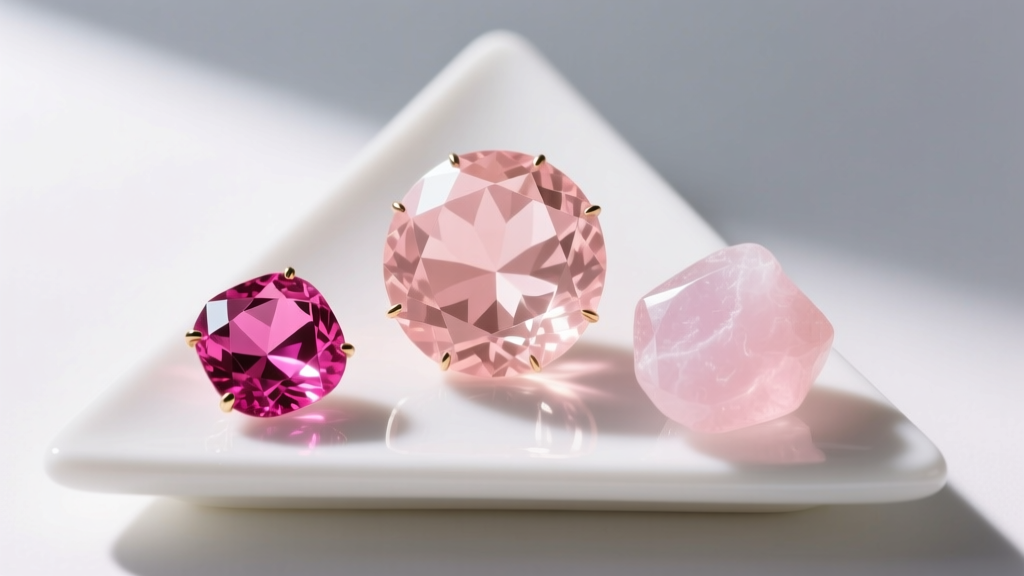
A pink rose necklace typically features one of three primary gemstones. Each has distinct optical properties, durability ratings, and common treatments that you must verify before purchasing.
1. Morganite (The Peach-Pink Favorite)
Part of the beryl family (like emeralds and aquamarines), morganite is beloved for its soft, pastel peach-pink tones. According to the Gemological Institute of America (GIA), morganite rates a 7.5 to 8 on the Mohs hardness scale. While durable enough for daily wear, it is brittle and can chip if struck against a hard surface. What to look for: Most morganite on the market is heat-treated to around 400°C to remove yellow or orange undertones, stabilizing the pure pink color. This treatment is permanent and universally accepted. Always insist on a pear or cushion cut with protective V-prongs at the pointed tips to prevent cleavage fractures.
2. Pink Sapphire (The Vivid Powerhouse)
If you want a hot, vivid pink that rivals a ruby, pink sapphire is the answer. Rating a 9 on the Mohs scale, it is exceptionally durable. However, the GIA Sapphire Guide warns that the market is flooded with beryllium-diffused pink sapphires. This lattice-diffusion treatment introduces color-causing elements into the stone during heating, turning pale, near-worthless sapphires into vivid pink gems. What to look for: Always demand a lab report (from GIA or AGL) stating whether the stone is "Be-diffused" or "unheated." Unheated, naturally vivid pink sapphires command a massive premium, while Be-diffused stones should be priced significantly lower.
3. Rose Quartz (The Budget-Friendly Classic)
Natural rose quartz is a macrocrystalline quartz that is almost always translucent or cloudy. It is rarely faceted; instead, it is usually cut en cabochon or carved into literal rose shapes. What to look for: If you see a "rose quartz" pendant that is perfectly transparent, glass-clear, and hot pink, you are looking at dyed glass or synthetic spinel. Genuine rose quartz should have a milky, cloudy translucency and a softer, dusty pink hue.
Price Tiers and Market Expectations
Understanding the pricing matrix prevents you from overpaying for synthetic stones or underpaying for suspiciously cheap "natural" gems. Below is the 2026 market baseline for a standard 1.5-carat equivalent pendant set in 14k rose gold.
| Material / Stone | Avg. Price Range (14k Setting) | Durability (Mohs) | Best For |
|---|---|---|---|
| Lab-Grown Pink Sapphire | $450 - $800 | 9 | Vivid color on a budget; daily wear |
| Natural Morganite (AAA) | $900 - $1,800 | 7.5 - 8 | Romantic, pastel aesthetics; evening wear |
| Natural Pink Sapphire (Heated) | $2,500 - $5,000+ | 9 | Heirloom investment; high-impact color |
| Carved Natural Rose Quartz | $150 - $350 | 7 | Bohemian styles; casual layering |
Chain Mechanics: Supporting the Pendant
The pendant is only half the equation. A heavy morganite or carved rose quartz pendant will quickly destroy a delicate chain. When selecting your pink rose necklace, pay strict attention to the chain gauge and link style.
- Box Chains (0.9mm - 1.2mm): The superior choice for heavy pendants. The interlocking square links distribute weight evenly and resist kinking. A 1.0mm 14k rose gold box chain can comfortably support up to 15 grams of pendant weight.
- Cable Chains (0.6mm - 0.8mm): Ideal for lightweight, delicate gemstone solitaires. However, they are highly susceptible to kinking if slept in, which weakens the solder points and leads to sudden snapping.
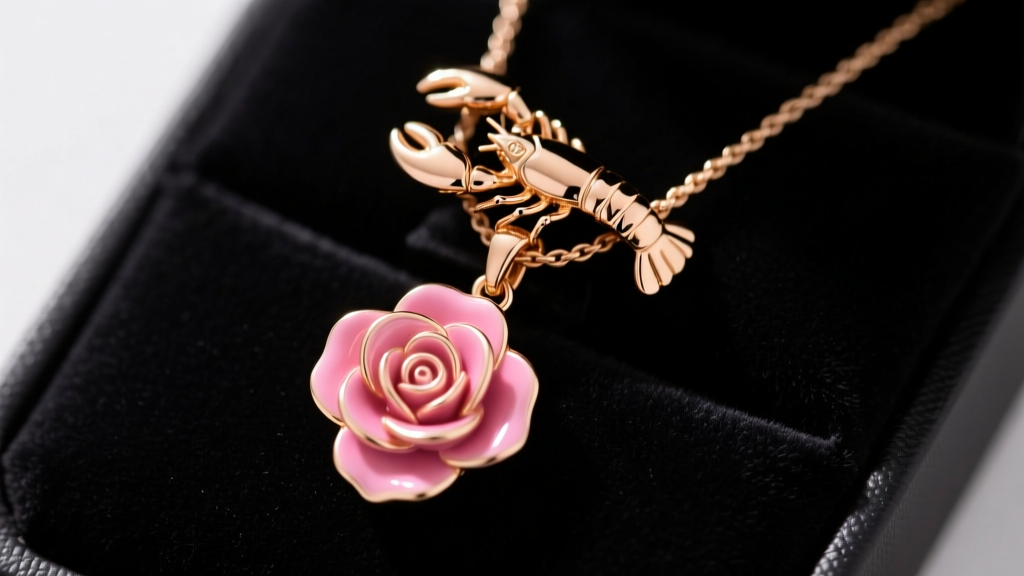
- The Clasp: Always opt for a solid lobster clasp with a properly soldered jump ring. Avoid spring-ring clasps on any necklace over $500; their internal springs fail frequently, leading to lost pendants.
The Literal "Rose": Enamel and Carved Stones
If your search for a pink rose necklace is leaning toward a literal floral design, you will likely encounter enamel or carved stone options. Guilloché enamel involves fusing glass powder to a textured metal base at high temperatures. It creates a stunning, translucent, multi-tonal pink rose that catches the light beautifully. However, enamel is essentially glass—it will shatter if dropped on a tile floor. Alternatively, hand-carved rose quartz flowers offer a matte, organic look that is virtually indestructible by comparison, though it lacks the brilliant light return of faceted gems or glass enamel.
Red Flags and Failure Modes to Avoid
Protect your investment by watching out for these common structural and material failures:
"Never buy a pear-cut morganite pendant set in standard four-prong settings without a V-prong at the tip. The pointed culet of a pear cut is a structural weak point, and a standard prong will eventually slip, resulting in a chipped stone." — Senior Bench Jeweler Insight
- Hollowed-Out Backs: Many commercial manufacturers carve out the back of the pendant setting to save on gold weight. This traps sweat, lotions, and dead skin against the gemstone, dulling its brilliance and accelerating copper oxidation in the rose gold alloy.
- "Rose Gold Filled" Mislabeling: Gold-filled is a legitimate, durable process (a thick sheet of gold mechanically bonded to a brass core). However, it is not solid gold. If you have sensitive skin or nickel/copper allergies, the base metal may eventually leach through micro-abrasions.
- Fracture-Filled Stones: Lower-quality morganite is sometimes fracture-filled with lead glass to improve clarity. This makes the stone highly vulnerable to damage from ultrasonic cleaners or even mild acids like lemon juice.
Care and Maintenance for Copper-Rich Alloys
Rose gold requires slightly different care than yellow or white gold due to its copper content. Copper is reactive. When exposed to sulfur (found in hard water, hot springs, and some lotions) or chlorine, the copper in your 14k rose gold necklace can oxidize, creating a dark, purplish-black patina. While some vintage lovers appreciate this antiquing, it can be easily reversed. The Jewelers of America recommends cleaning rose gold with a simple solution of warm water and a few drops of mild, phosphate-free dish soap. Use a baby-bristle brush to gently clean behind the gemstone, and always dry it thoroughly with a microfiber cloth to prevent water spotting. Never use harsh chemical dips or silver polish on rose gold, as these will strip the copper oxidation unevenly and ruin the metal's finish.
Final Verdict: Sourcing Your Necklace
A high-quality pink rose necklace is a masterclass in material balance. For the ultimate blend of vibrant color, daily durability, and structural integrity, seek out a 14k rose gold setting paired with a bezel-set or V-prong-set morganite, or a lab-grown pink sapphire for maximum scratch resistance. By demanding transparent alloy breakdowns, verifying gemstone treatments, and selecting the correct chain gauge, you ensure your necklace remains a timeless staple rather than a fleeting, tarnished trend.


