Gemological Guide to Choosing a PNG Pearl Necklace
Explore the gemological traits of a PNG pearl necklace. Learn about Pinctada maxima nacre thickness, luster grading, and Milne Bay farming techniques.

The Origins: Papua New Guinea’s South Sea Treasure
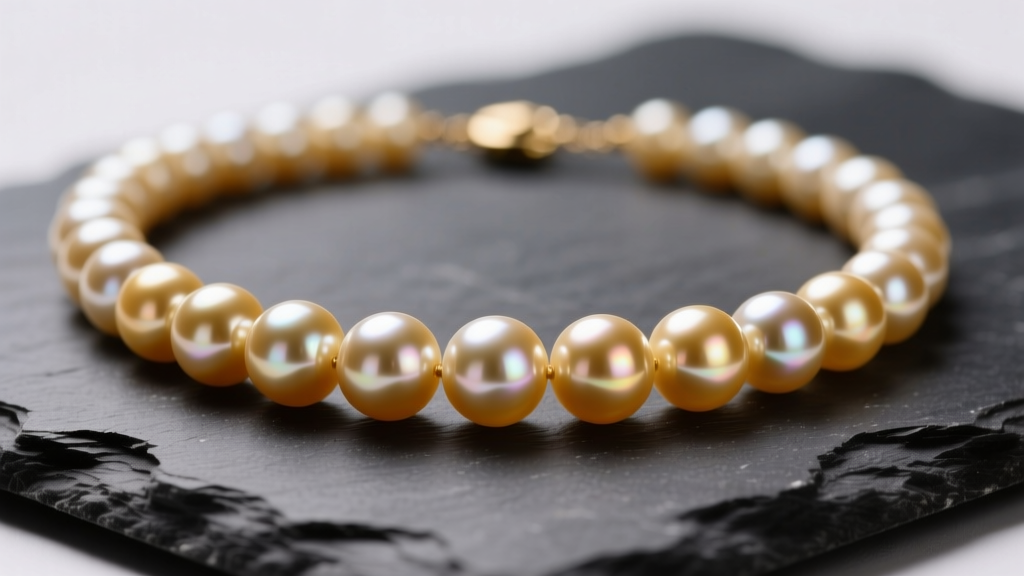
When connoisseurs discuss the pinnacle of saltwater pearl jewelry, the conversation inevitably turns to the South Sea. However, within this elite category, a PNG pearl necklace occupies a highly specialized tier. Papua New Guinea (PNG), particularly the pristine, nutrient-rich waters of Milne Bay and the Rabaul region, produces some of the most structurally sound and lustrous golden and white South Sea pearls on the global market. Unlike mass-produced freshwater alternatives, a genuine PNG South Sea strand is an exercise in marine patience, requiring up to four years of cultivation inside the Pinctada maxima oyster. This guide bypasses basic retail marketing to explore the strict gemological, structural, and assembly specifications that define a high-caliber PNG pearl necklace.
Gemological Profile: Pinctada Maxima and Nacre Density
The biological engine behind any authentic PNG pearl necklace is the Pinctada maxima, the largest pearl-producing oyster in the world. PNG farms primarily utilize the gold-lipped and silver-lipped varieties of this species. The defining gemological advantage of PNG waters is the optimal salinity and temperature stability, which directly influences the secretion rate of nacre.
Aragonite Platelets and Luster Refraction
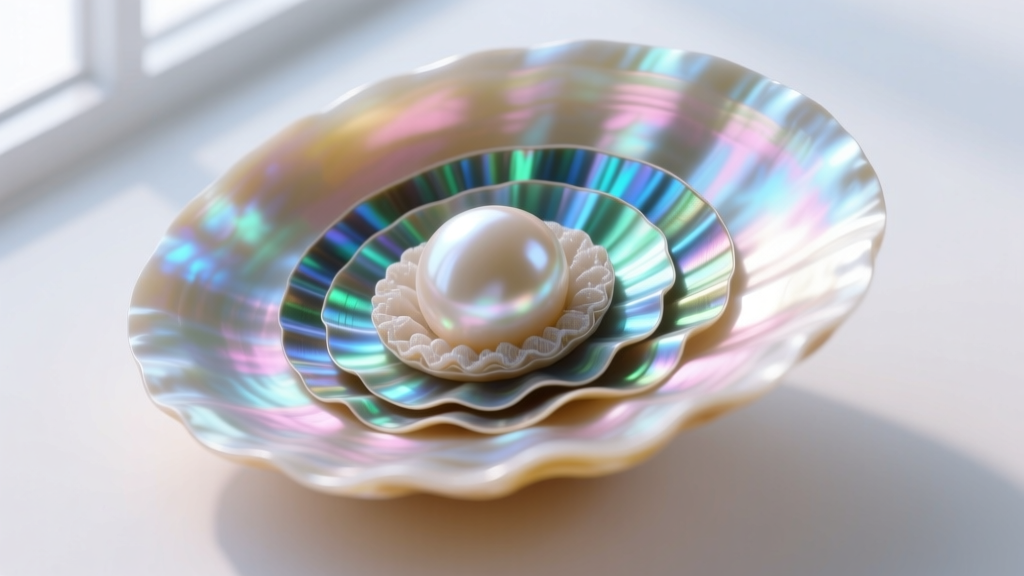
Luster in a PNG pearl is not merely surface shine; it is the result of light refracting through microscopic aragonite platelets bound by conchiolin. According to GIA's Pearl Quality Factors, the thickness and translucency of these layers dictate the pearl's optical performance. A premium PNG pearl boasts a nacre thickness ranging from 2.5mm to over 4.0mm, significantly exceeding the 0.8mm minimum often seen in lower-grade Akoya or Tahitian pearls. This dense crystalline structure yields a 'satiny' luster—a deep, glowing luminescence that appears to emanate from within the gem rather than reflecting off its surface.
Color Overtone Analysis
While body color is the primary descriptor (e.g., deep gold, champagne, or silver-white), the true value of a PNG pearl necklace lies in its overtones. Gold-lipped oysters in PNG frequently produce pearls with subtle green or rose overtones, which neutralize the yellow base and create a highly desirable 'peacock gold' effect. Silver-lipped variants often exhibit sharp blue or pink overtones. Matching these overtones across a 35-pearl strand requires sorting through tens of thousands of individual harvests, a process that can take master graders up to three years to complete for a single necklace.
Grading a PNG Pearl Necklace: The AAAA System
Unlike diamonds, pearls lack a single universal grading standard. However, the high-end South Sea market predominantly relies on the AAAA grading scale to evaluate strands. When appraising a PNG pearl necklace, gemologists assess six critical vectors: Size, Shape, Color, Luster, Surface Quality, and Nacre Thickness.
| Grade | Surface Quality | Luster Intensity | Nacre Thickness | Market Rarity |
|---|---|---|---|---|
| AAAA (Gem) | 95%+ Blemish-Free | Exceptional, sharp reflections | 3.0mm - 5.0mm+ | Top 2% of harvest |
| AAA (Fine) | 85% - 94% Clean | Very High, distinct glow | 2.0mm - 3.5mm | Top 10% of harvest |
| AA (Commercial) | 70% - 84% Clean | Medium to High | 1.5mm - 2.5mm | Top 30% of harvest |
| A (Utility) | Heavy blemishing | Dull, chalky appearance | < 1.5mm (often thin) | Bottom tier / rejected |
For an investment-grade PNG pearl necklace, buyers should accept nothing less than AAA. The surface of a South Sea pearl is rarely flawless due to the extended time spent in the ocean, but AAA-grade pearls will have minor blemishes that are invisible when the necklace is worn and the drill holes are oriented correctly.
Technical Assembly: Stringing, Knotting, and Clasp Mechanics
A common failure point in luxury jewelry is the assembly. A 14mm PNG South Sea pearl strand is incredibly heavy, often exceeding 80 grams. Standard stringing techniques will inevitably lead to catastrophic failure. As detailed in GIA's Pearl Description and care guidelines, proper structural engineering of the strand is non-negotiable.
Thread Selection and French Wire Protection
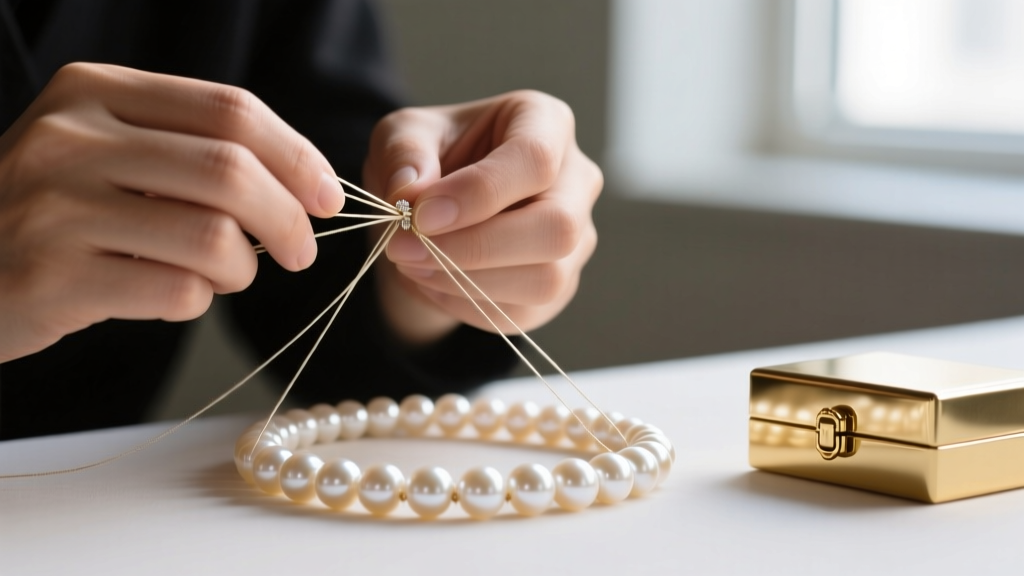
High-end PNG pearl necklaces are hand-knotted using 100% silk or advanced synthetic alternatives like Beadalon. For pearls ranging from 12mm to 15mm, a Size G or Size 8 silk thread is required to bear the tensile load. Crucially, the first and last three pearls must be protected by French wire (also known as gimp). This micro-coiled metal spring prevents the sharp interior edges of the metal clasp from sawing through the silk thread over time. If a vendor cannot confirm the use of French wire and individual knotting between every single pearl, the necklace is structurally compromised.
Clasp Mechanics: The Tongue-and-Groove Standard
Due to the immense weight of a PNG pearl necklace, a standard lobster clasp is entirely inadequate. The industry standard for these strands is a diamond-cut or plain 18k gold tongue-and-groove box clasp, reinforced by dual figure-8 safety catches on both sides. This redundant locking mechanism ensures that if the primary tongue releases under tension, the secondary safeties will hold the strand intact, preventing the loss of thousands of dollars worth of pearls.
Market Valuation and Pricing Tiers
The pricing of a PNG pearl necklace scales exponentially, not linearly, with millimeter size and color saturation. Because the Pinctada maxima oyster has a high rejection rate for perfectly round, deeply colored gems, larger sizes command massive premiums.
- 10mm - 12mm (AAA Grade): $4,500 – $9,000. Excellent for everyday luxury and younger collectors.
- 13mm - 15mm (AAA to AAAA Grade): $12,000 – $28,000. The sweet spot for deep golden colors and high luster.
- 16mm+ (AAAA Gem Grade): $40,000 – $85,000+. Museum-quality investment pieces, often featuring rare peacock-gold overtones and flawless matching.
Final Verdict for Collectors
Acquiring a PNG pearl necklace is an exercise in applied gemology. By prioritizing nacre thickness over superficial surface perfection, demanding rigorous tongue-and-groove assembly, and understanding the biological nuances of the Pinctada maxima, collectors can secure a piece of organic jewelry that holds both immense aesthetic gravity and long-term structural integrity.


