Pooka Shell Necklace Care: Cleaning & Maintenance Guide
Learn expert care, cleaning, and maintenance tips for your pooka shell necklace. Protect porous shells from damage and keep them pristine for years.

The Unique Anatomy of Pooka Shells: Why They Need Special Care
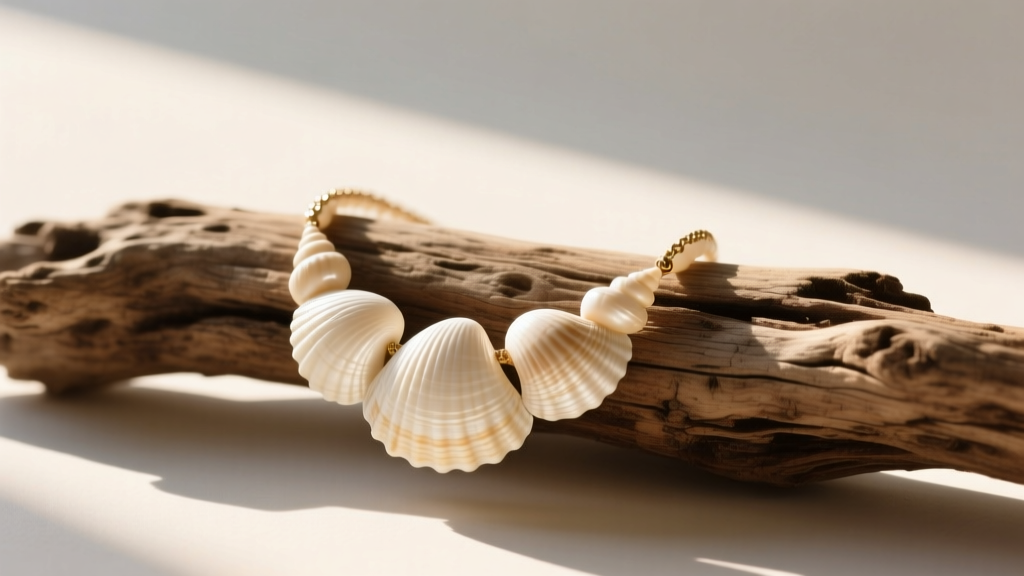
Pooka shell necklaces have transcended their mid-century surf culture origins to become a permanent fixture in modern bohemian and coastal jewelry aesthetics. However, unlike inert silicate gemstones such as quartz or sapphire, puka shells are organic gems. They are primarily composed of calcium carbonate (CaCO3) and a complex protein matrix called conchiolin. This biological makeup gives them their beautiful, natural luster but also makes them highly vulnerable to environmental stressors.
On the Mohs scale of mineral hardness, puka shells rank between 2.5 and 3.0. This means they are exceptionally soft—easily scratched by a copper coin or even a steel zipper. Furthermore, their microscopic structure is highly porous. As of 2026, the market is increasingly saturated with resin-cast and dyed howlite imitations masquerading as genuine puka. Genuine shells exhibit a distinct, asymmetrical concave cone shape and a pearlescent inner lip, whereas fakes are uniformly flat and lack the microscopic growth rings visible under a 10x jeweler's loupe. Understanding the delicate, porous nature of genuine calcium carbonate is the first step in preserving your necklace for decades.
Step-by-Step Cleaning Protocol for Pooka Shell Necklaces
Because puka shells are porous, they act like tiny sponges, absorbing oils, sweat, and environmental pollutants. According to guidelines for organic gems published by the Gemological Institute of America (GIA), aggressive cleaning methods will permanently destroy the shell's nacreous layers. Never use ultrasonic cleaners; the high-frequency cavitation bubbles will cause microscopic fractures and eventually shatter the shells. Similarly, steam cleaners will cook the conchiolin protein matrix, leading to irreversible dullness and peeling.
The Safe Washing Method
- Dry Dusting: Before introducing any moisture, gently wipe the necklace with a clean, untreated microfiber cloth to remove surface dust and grit. Rubbing grit into the soft shell will cause micro-scratches.
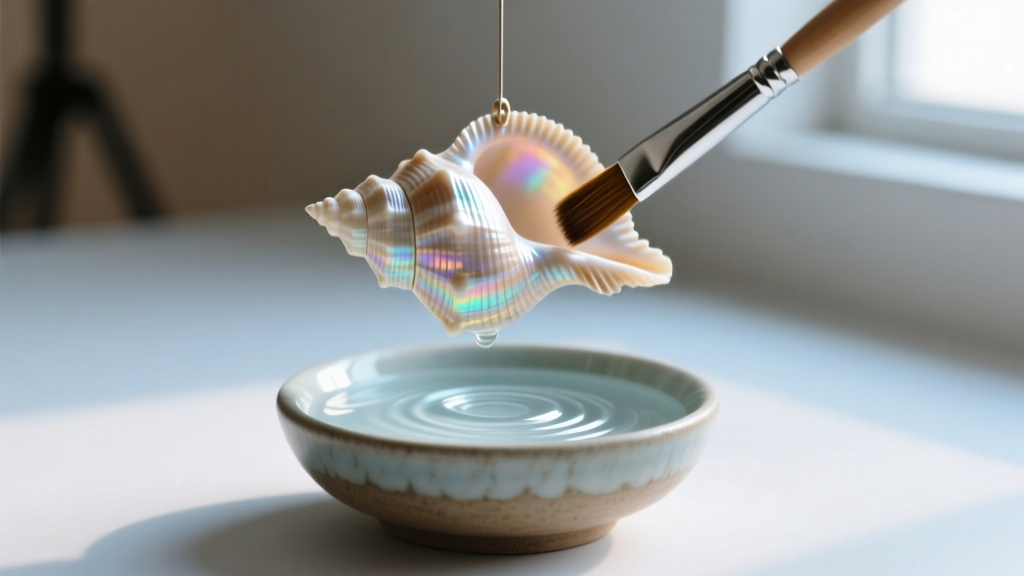
- Prepare the Solution: Mix two cups of lukewarm distilled water (tap water contains chlorine and heavy metals that can stain the shells) with three drops of a pH-neutral, unscented liquid castile soap, such as Dr. Bronner's Baby Mild.
- Gentle Agitation: Dip a soft goat-hair makeup brush or a dedicated, ultra-soft jewelry brush into the solution. Gently brush the surface of each shell, paying special attention to the concave inner 'puka' where dead skin cells and sebum accumulate.
- Rinsing: Quickly pass the necklace under a gentle stream of cool distilled water for no more than five seconds to rinse away the soap residue. Do not let the shells soak.
- Drying: Lay the necklace flat on a dry, absorbent cotton towel. Gently pat the shells dry. Never hang a wet puka shell necklace, as the weight of the waterlogged thread can stretch the stringing material and warp the necklace's drape.
The Danger Zone: Chemicals and Environments to Avoid
The calcium carbonate structure of puka shells is highly reactive to acids and harsh alkalis. Everyday grooming products are the silent killers of organic jewelry. The experts at Jewelers Mutual consistently note that chemical exposure is the leading cause of degradation in organic gems. Below is a breakdown of common substances and their specific destructive effects on puka shells.
| Common Substance | Approximate pH | Effect on Pooka Shell Structure |
|---|---|---|
| Chlorine (Pool/Spa) | 11.0 - 13.0 | Rapidly dissolves calcium carbonate, causing severe surface pitting and chalky degradation. |
| Human Sweat | 4.5 - 7.0 | Mild acidity breaks down the outer polish, leading to a dull, matte appearance over time. |
| Perfume / Body Spray | Alcohol / Acidic | Strips natural moisture from the conchiolin matrix, causing micro-cracking and brittleness. |
| Chemical Sunscreen | 7.0 - 8.0 | Leaves a stubborn, opaque film that traps heat and degrades the organic shell layers. |
| Hairspray | 8.0 - 9.0 | Coats the porous surface with sticky polymers that attract dust and are nearly impossible to remove safely. |
The Golden Rule of Wear: Always put your pooka shell necklace on after you have applied all cosmetics, perfumes, and sunscreens, and take it off before you shower, swim, or exercise.
Stringing and Structural Maintenance
The most overlooked aspect of pooka shell necklace care is the stringing material. The term 'puka' translates to 'hole' in Hawaiian, referring to the naturally occurring cone-shaped aperture created by the ocean's tumbling action. While the outer edges are smooth, the inner rim of this natural hole is often sharp and jagged. Over time, this inner rim acts like a microscopic saw blade against the necklace cord.
Choosing the Right Thread
If your puka necklace is strung on traditional silk thread or cotton cord, the sharp inner edges will fray and snap the material within 6 to 12 months of regular wear. When restringing or purchasing a high-quality piece, look for these specific materials:
- Nylon-Coated Stainless Steel Wire: A 49-strand micro-woven wire (such as Beadalon or Soft Flex) in a 0.015-inch to 0.018-inch diameter offers the perfect balance of flexibility and cut-resistance. The nylon coating protects the shell edges while the steel core prevents snapping.
- Braided Polyethylene Thread: Brands like WildFire offer ultra-thin, high-test braided fishing lines that are virtually impervious to being cut by the shell's inner rim. They are also entirely waterproof, making them superior to silk for coastal environments.
Pro-Tip: When restringing, ensure the jeweler uses sterling silver or gold-filled wire guardians (French wire) at the clasp connection point to prevent the metal clasp from sawing through the stringing material.
Proper Storage Techniques to Prevent Yellowing and Brittleness
Prolonged exposure to ultraviolet (UV) light and extreme heat will cause the beta-carotene and organic proteins within the shell to oxidize. This results in a yellowing effect and severe brittleness. Proper storage is non-negotiable for long-term preservation.
Expert Archival Tip: Never store puka shell necklaces in standard polyvinyl chloride (PVC) plastic bags. As PVC degrades, it releases hydrochloric acid gas, which will chemically etch the surface of your calcium carbonate shells. Always opt for acid-free tissue paper or unbleached cotton pouches.
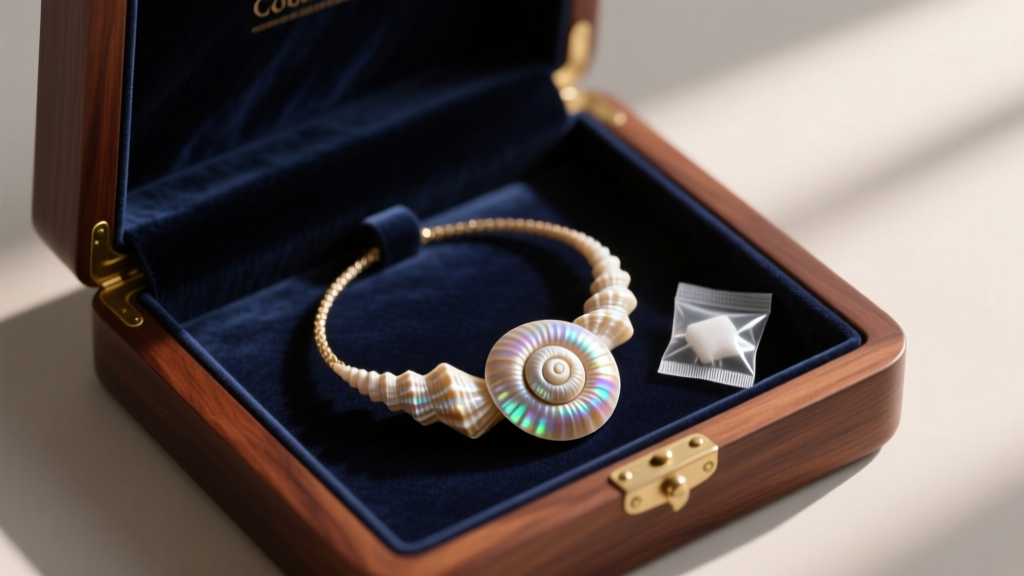
Store your necklace flat in a dark, climate-controlled drawer. If you live in a highly humid environment, place a small silica gel desiccant packet inside the storage box to regulate moisture levels and prevent the growth of mold or mildew on the organic shell surface. Keep the necklace separated from harder gemstones and metals; a stray diamond ring or steel chain tossed into the same drawer will easily gouge the soft 2.5 Mohs surface of the puka shells.
Quick Reference: Pooka Shell Care Do's and Don'ts
Keep this rapid-fire checklist handy to ensure your organic jewelry remains in pristine condition:
- DO wipe the shells with a dry microfiber cloth after every wear to remove acidic skin oils.
- DO use only distilled water and pH-neutral castile soap for deep cleaning.
- DO store the necklace flat in a dark, dry environment away from direct sunlight.
- DON'T ever use ultrasonic or steam cleaners, as they will shatter or cook the organic matrix.
- DON'T swim in chlorinated pools or the ocean while wearing the necklace; salt and chlorine will pit the surface.
- DON'T hang the necklace to dry when wet, as the water weight will stretch the stringing material.
By treating your pooka shell necklace as the delicate organic artifact it is, rather than a standard piece of stone jewelry, you will maintain its natural, ocean-tumbled beauty for a lifetime.


