Beginner's Guide to Choosing the Perfect Praying Hands Necklace
Discover how to choose the perfect praying hands necklace. Learn about metal grades, chain pairings, pendant sizing, and care tips in our guide.

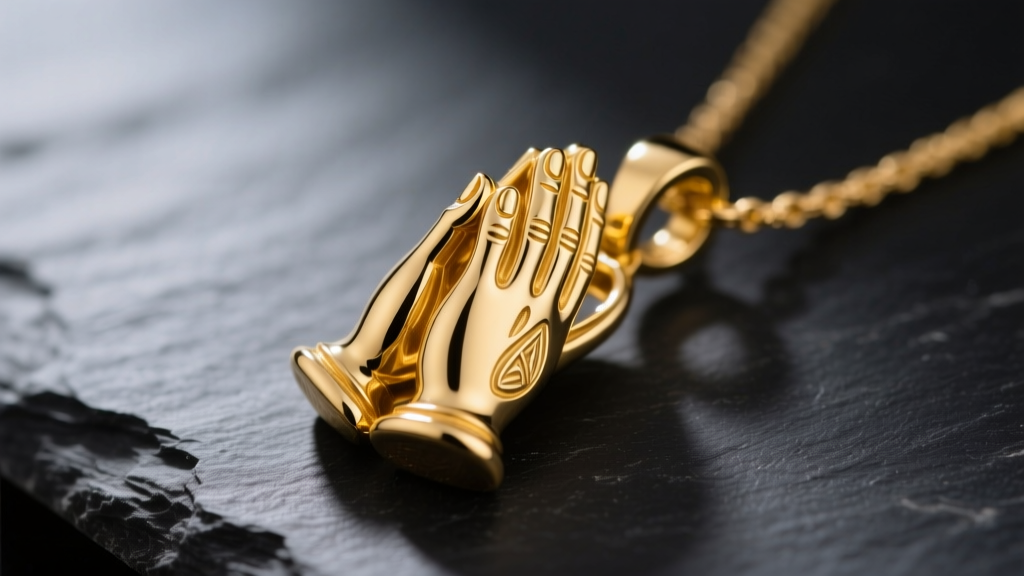
The Enduring Appeal of the Praying Hands Necklace
When it comes to jewelry that carries profound personal, spiritual, or cultural significance, few pieces resonate as deeply as the praying hands necklace. Whether you are purchasing this pendant as a token of faith, a memorial gift, or a daily reminder of mindfulness and gratitude, understanding the nuances of jewelry craftsmanship is essential. Many beginners make the mistake of focusing solely on the visual design of the pendant while ignoring critical factors like metal alloys, chain gauges, and bail proportions. This comprehensive explainer will walk you through the exact specifications you need to know to select a high-quality piece that will last a lifetime.
Decoding Metal Grades and Alloys
The longevity and skin-compatibility of your necklace depend entirely on the metal used to cast the pendant. Avoid vague terms like "silver-toned" or "gold-plated" if you want a piece that withstands daily wear. Here is a breakdown of the industry-standard metals used for religious and spiritual pendants.
Sterling Silver (925)
According to The Silver Institute, genuine sterling silver must contain exactly 92.5% pure silver and 7.5% alloy metals (usually copper) for structural integrity. Pure 999 silver is too soft to hold the intricate finger details of a praying hands casting. Sterling silver offers a brilliant luster but requires occasional polishing to remove tarnish caused by the copper alloy reacting to sulfur in the air.
Gold Karats: 10k vs. 14k vs. 18k
The Gemological Institute of America (GIA) defines gold purity by karats. For a pendant that will be worn daily against the skin and exposed to friction, 14k gold (58.5% pure gold) is the optimal choice. It provides the perfect balance of rich color and scratch resistance. While 18k gold offers a deeper yellow hue, it is softer and more prone to losing the fine detailing on the hands over decades of wear. 10k gold is highly durable but has a noticeably paler, less luxurious color.
Surgical Stainless Steel (316L)
For budget-conscious buyers or those with severe nickel allergies, 316L surgical steel is an exceptional alternative. It is highly resistant to tarnish, corrosion, and water damage. However, it cannot be resized or easily repaired by a traditional jeweler if the bail breaks.
| Metal Grade | Durability | Tarnish Resistance | Average Price Range |
|---|---|---|---|
| 316L Surgical Steel | Very High | Excellent | $20 - $60 |
| 925 Sterling Silver | Medium-High | Low (Requires Care) | $60 - $180 |
| 14k Solid Gold | High | Excellent | $350 - $800+ |
| 18k Solid Gold | Medium | Excellent | $600 - $1,500+ |
Matching the Chain: Gauges and Bails
A common beginner error is pairing a heavy, solid-cast pendant with a flimsy chain, leading to inevitable breakage. The relationship between the pendant's bail (the loop at the top) and the chain's gauge (thickness) is crucial.
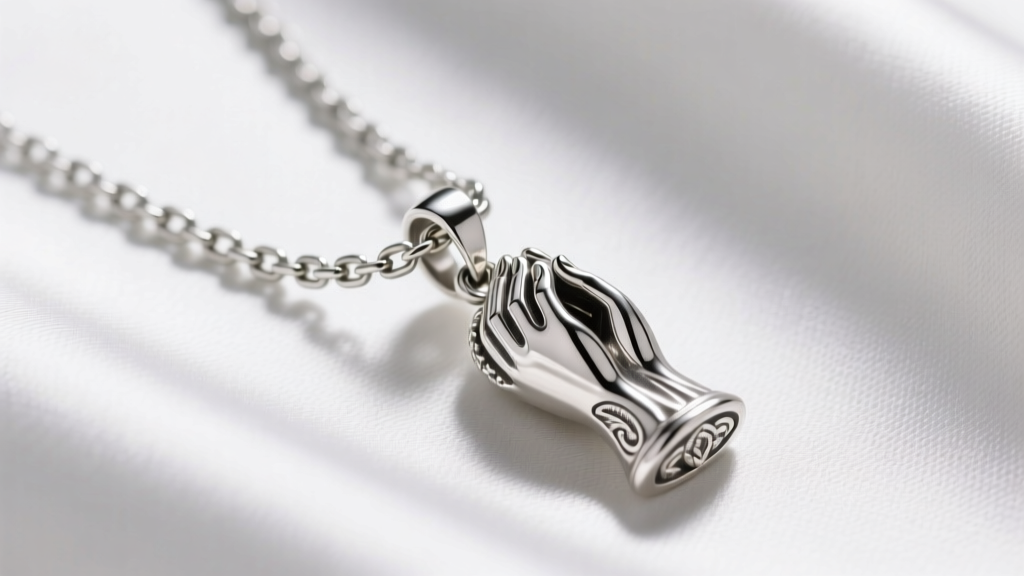
The Bail-to-Chain Ratio
The bail is the unsung hero of any pendant necklace. If you are buying a praying hands pendant that measures 30mm or larger, it will likely weigh between 4 and 8 grams. To support this weight safely, you need a chain with a minimum thickness of 1.5mm to 2.0mm.
- Box Chains (1.5mm - 2.5mm): Ideal for heavier pendants. The interlocking square links distribute weight evenly and resist kinking.
- Rope Chains (1.2mm - 2.0mm): Offer a classic, textured look that complements the traditional aesthetic of religious jewelry. Ensure the links are soldered for added strength.
- Cable Chains (0.8mm - 1.2mm): Best reserved for small, lightweight, or hollow-cast pendants (under 2 grams). Using a cable chain for a heavy solid pendant will result in the links stretching and snapping.
Sizing and Proportions: Finding the Right Drop
The visual impact of your necklace changes dramatically based on the chain length and the physical dimensions of the pendant.
Pendant Dimensions
Praying hands pendants generally fall into three size categories:
- Petite (15mm - 20mm): Subtle and understated. Perfect for layering with other chains or wearing tucked under a collar.
- Standard (25mm - 35mm): The most versatile size. It provides enough surface area to appreciate the sculpted details of the fingers and sleeves without overwhelming the neckline.
- Statement (40mm - 55mm+): Bold and highly visible. Often chosen for memorial pieces or worn over clothing as a primary focal point.
Chain Length Guide
For a standard 30mm pendant, an 18-inch chain is the industry standard for men and women, allowing the pendant to rest right at or slightly below the collarbone. If you prefer the pendant to rest on the upper chest (ideal for wearing over t-shirts or sweaters), opt for a 20-inch or 22-inch chain. Avoid 16-inch choker lengths for this specific pendant style, as the vertical orientation of the hands will look awkward and restrictive when sitting high on the neck.
Expert Care and Maintenance
Because the praying hands design features deep crevices between the fingers and intricate fabric folds on the sleeves, dirt, lotion, and skin oils can easily accumulate in the detailing.
Expert Warning: Never use an ultrasonic jewelry cleaner on a praying hands necklace that features an "oxidized" or "antiqued" finish. The high-frequency vibrations and chemical baths will strip the intentional dark patina from the crevices, leaving the piece looking flat and overly shiny.
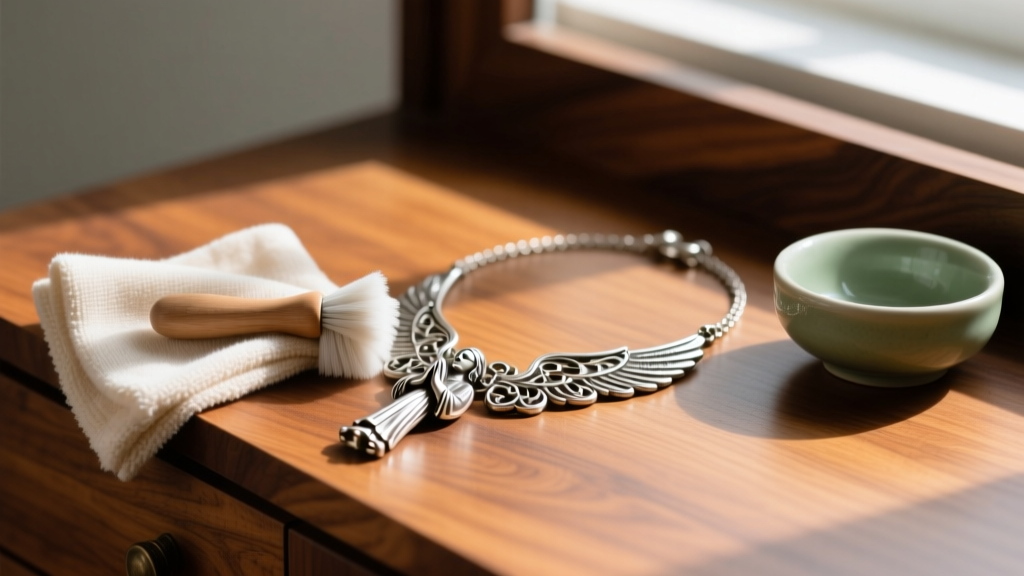
The Safe Cleaning Method
To clean your pendant without damaging the finish, mix a few drops of mild, phosphate-free dish soap into a bowl of lukewarm water. Use a baby toothbrush (which has ultra-soft bristles) to gently agitate the soapy water between the sculpted fingers. Rinse thoroughly under a gentle stream of water, and pat dry with a lint-free microfiber cloth. Always remove your necklace before swimming in chlorinated pools, as chlorine aggressively attacks the alloys in both silver and gold, leading to micro-fractures and permanent discoloration.
Final Thoughts on Purchasing
Investing in a praying hands necklace is a deeply personal decision. By prioritizing solid metal alloys over cheap plating, matching your chain gauge to the pendant's weight, and committing to gentle, regular cleaning, you ensure that your meaningful piece of jewelry remains a pristine heirloom for generations to come. Always request a hallmark stamp verification from your jeweler to guarantee the metal purity of your purchase.


