Prevent a Rash From a Necklace: Budget & Metal Value Guide
Stop getting a rash from a necklace. Compare the true cost of cheap plated metals vs. hypoallergenic titanium and solid gold for sensitive skin.

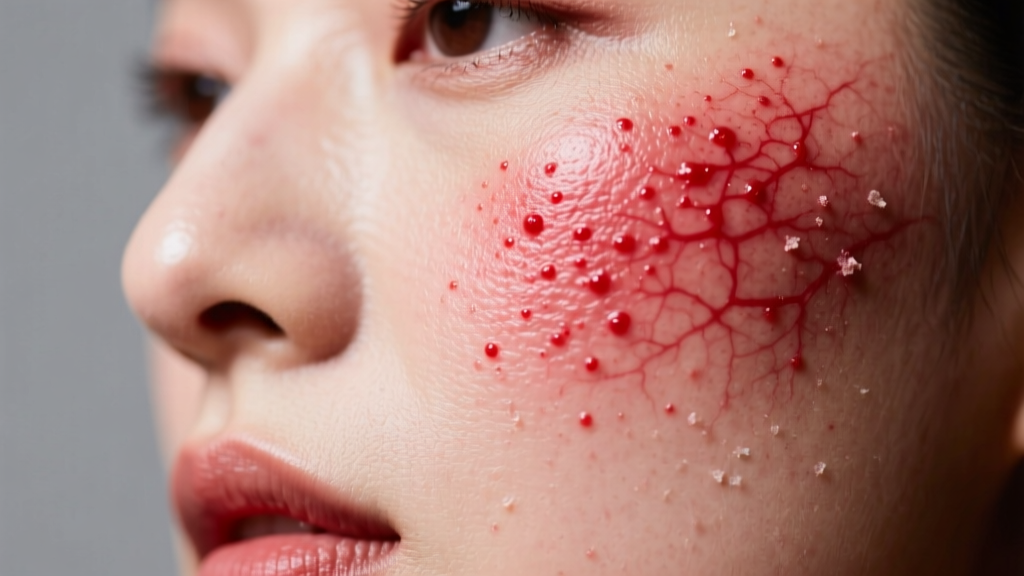
The True Cost of Cheap Jewelry: Why You Get a Rash From a Necklace
Developing a rash from a necklace is not merely a cosmetic annoyance; it is a biochemical reaction between your skin's moisture and the metallurgical composition of your jewelry. When consumers prioritize a low upfront price tag over material integrity, they often trigger either Allergic Contact Dermatitis (ACD) or Irritant Contact Dermatitis (ICD). According to the Mayo Clinic, nickel allergy is one of the most common causes of ACD, affecting roughly 15% to 20% of the global population. Yet, nickel is a primary hardening agent in cheap base metals and even some karat golds.
From a budget and value assessment perspective, a $15 fast-fashion necklace that causes a blistering rash after three wears has a terrible cost-per-wear ratio. Furthermore, the hidden costs of topical steroid creams and dermatologist copays quickly eclipse any initial savings. In 2026, with advanced hypoallergenic materials more accessible than ever, understanding the metallurgical breakdown of your necklace chain is the most effective way to protect both your skin and your wallet.
Budget vs. Value: Material Breakdown for Sensitive Skin
To assess true value, we must look beyond the display case and examine the exact alloy composition. Below is a comparative analysis of common necklace materials, evaluating their upfront cost against their long-term viability for reactive skin.
| Metal / Material | Avg. Chain Cost | Nickel / Allergy Risk | Estimated Lifespan | Overall Value |
|---|---|---|---|---|
| Brass / Copper Alloy | $10 - $25 | High (Often contains nickel/lead) | 1 - 3 Months | Poor |
| Flash Gold-Plated | $20 - $45 | Medium (Base metal exposes quickly) | 2 - 6 Months | Poor |
| Gold Vermeil (2.5μm) | $50 - $95 | Low (Sterling silver base) | 1 - 2 Years | Fair |
| ASTM F136 Titanium | $45 - $90 | Zero (Implant-grade) | Lifetime | Excellent |
| Niobium | $30 - $70 | Zero (Highly inert) | Lifetime | Excellent |
| Solid 14k/18k Gold | $180 - $500+ | Zero (If nickel-free alloy) | Lifetime | Excellent |
As the data illustrates, the 'sweet spot' for budget-conscious buyers with sensitive skin lies in ASTM F136 implant-grade titanium and Niobium. These metals offer lifetime durability at a fraction of the cost of solid precious metals.
The 'Plated' Trap: Assessing Long-Term Value
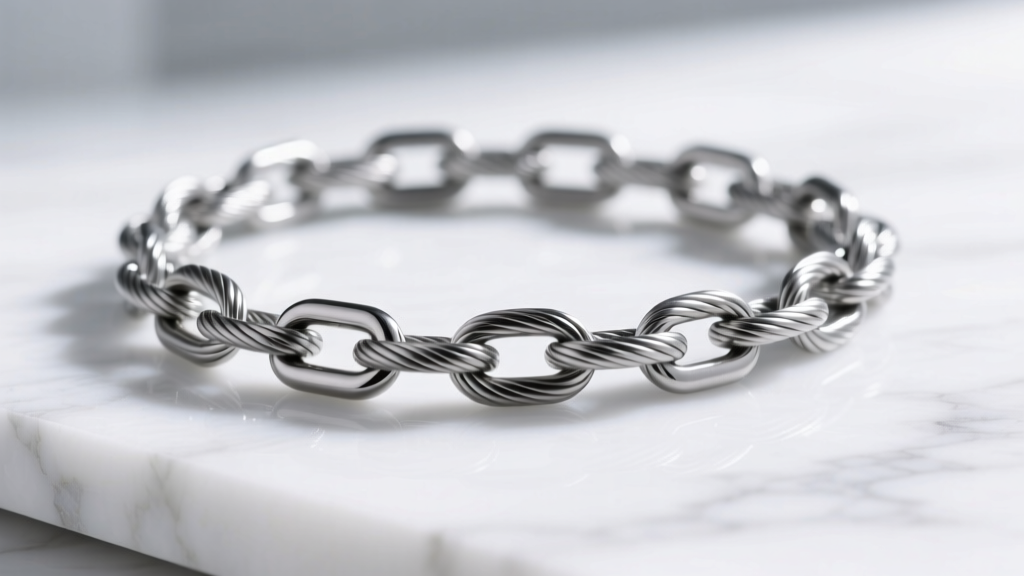
When shopping on a budget, plated jewelry seems like the logical compromise. However, the value proposition collapses when you factor in the failure modes of plating. Standard flash plating utilizes a microscopic layer of gold (usually 0.1 to 0.5 microns) over a brass or copper base. Friction from clothing, combined with the acidic pH of human sweat, degrades this layer in a matter of weeks.
Once the base metal is exposed, copper oxidizes and turns the skin green, while exposed nickel triggers an aggressive immune response. The American Academy of Dermatology notes that repeated exposure to allergens like nickel can cause the immune system to become increasingly sensitized, meaning a necklace that only caused mild itching last year might cause severe, weeping dermatitis this year.
PVD Coating: The 2026 Standard
If you prefer the look of steel or darker metals on a budget, look for PVD (Physical Vapor Deposition) coatings. PVD bonds titanium nitride to a 316L surgical steel base at a molecular level. While 316L steel does contain trace amounts of nickel, the PVD layer is so dense and durable that it prevents leaching for years, making it a vastly superior budget alternative to traditional electroplating.
The White Gold Warning: A Hidden Budget Killer
One of the most common triggers for an unexplained necklace rash comes from a supposedly 'high-end' material: standard 14k or 18k white gold. Pure gold is naturally yellow. To create white gold, jewelers alloy it with white metals—most commonly nickel. To hide the yellowish tint, the piece is plated with rhodium.
- The Failure Point: The back of the neck is a high-friction, high-sweat zone. The rhodium plating on the chain links and clasp wears off within 6 to 12 months of daily wear.
- The Reaction: Once the rhodium is gone, the nickel alloy is exposed directly to the skin, resulting in a severe, localized rash.
- The Value Fix: If investing in white gold, explicitly request palladium-alloyed white gold. It costs roughly 10-15% more upfront but eliminates the nickel entirely, saving you the $80-$120 cost of annual rhodium replating.
Investment Tiers: What to Buy Based on Your Budget
Building a skin-safe necklace collection requires strategic allocation of funds. Here is a practical framework for budgeting your jewelry purchases based on material safety and longevity.
Tier 1: The Strict Budget (Under $50)
At this price point, avoid anything labeled 'gold-plated' or 'silver-toned' unless the base metal is explicitly stated as surgical steel or titanium. Your best ROI is a simple, unadorned ASTM F136 titanium cable chain or a raw niobium pendant. These will never tarnish, never rust, and will never cause a rash, offering infinite cost-per-wear value.
Tier 2: The Mid-Range ($50 - $150)
Here, you can access high-quality Gold Vermeil (minimum 2.5 microns of gold over a nickel-free sterling silver base). While sterling silver contains copper (which can cause green skin if highly acidic), it rarely causes allergic contact dermatitis. To maximize value, reserve vermeil for occasional wear or pendants that do not sit flush against the sweaty décolletage.
Tier 3: The Lifetime Investment ($200+)
At this tier, transition exclusively to solid 14k or 18k gold. Ensure the jeweler provides a metallurgical guarantee that the alloy is nickel-free (often alloyed with silver, copper, or palladium instead). A solid 14k gold chain will outlive you and can be passed down as an heirloom, making its generational value undeniable.
Expert Troubleshooting: Fixing Your Current Collection
If you already own necklaces that cause a rash but hold sentimental or aesthetic value, you have a few mitigation options before discarding them:
"The internet often suggests painting the back of jewelry with clear nail polish to prevent a rash. While this works as a temporary barrier for a ring band, it is a terrible solution for necklaces. Nail polish chips quickly against the friction of collarbones and clothing, and the chemicals in the polish can cause their own irritant contact dermatitis when mixed with sweat."
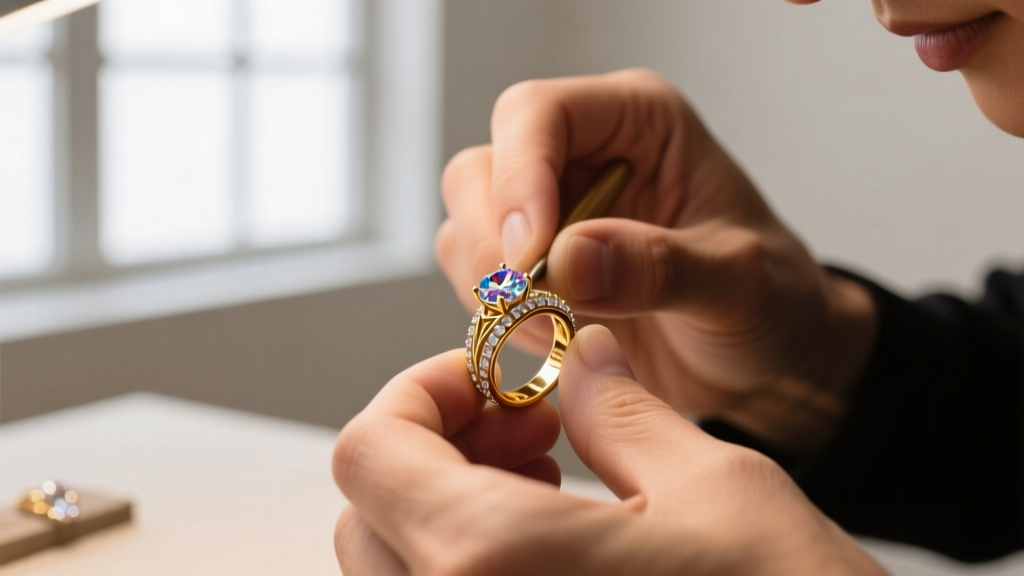
Instead, take your problematic chains to a local bench jeweler. For approximately $40 to $75, they can professionally electroplate the chain with a heavy layer of rhodium or platinum. This provides a durable, hypoallergenic barrier that will protect your skin for 1 to 3 years, depending on wear frequency, offering a highly cost-effective way to salvage expensive but allergenic pieces.
Final Verdict on Budgeting for Hypoallergenic Necklaces
Preventing a rash from a necklace is ultimately an exercise in material literacy. The illusion of 'cheap' jewelry vanishes the moment you factor in the discomfort, the rapid degradation of the piece, and the medical costs of treating contact dermatitis. By redirecting your budget away from flash-plated base metals and toward implant-grade titanium, niobium, or properly alloyed solid gold, you secure a jewelry collection that is as kind to your skin as it is to your long-term financial planning.


