Puerto Rican Necklace Metals: Gold, Silver & Steel Guide
Discover the best metals for a Puerto Rican necklace. Compare 14K gold, 925 silver, and 316L steel for tropical climates and cultural motifs.

The Cultural Weight and Climate Challenge
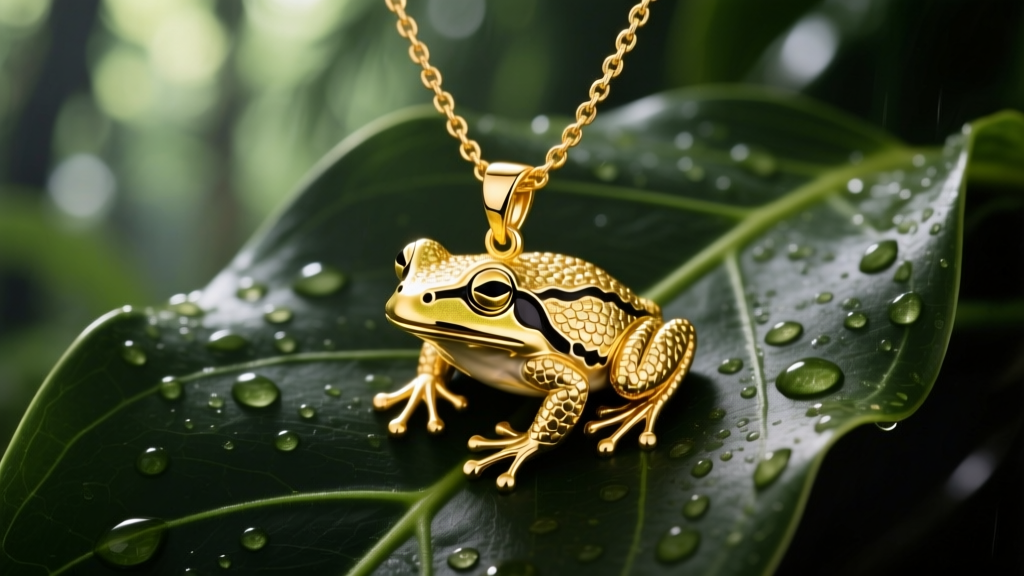
A Puerto Rican necklace is rarely just an accessory; it is a profound statement of heritage, identity, and belonging. Whether you are wearing a delicate coquí frog pendant, a solid gold map of the island, or a traditional Taino sun motif, the piece carries deep cultural resonance. However, choosing the right metal for these meaningful pendants requires navigating a unique environmental hurdle: the Caribbean climate.
Puerto Rico boasts an average annual humidity of 75% to 80%, coupled with intense UV exposure and salt-heavy coastal air. These elements are highly corrosive to certain alloys. A necklace that looks pristine in a dry, climate-controlled vault can quickly oxidize, pit, or lose its luster when worn daily in San Juan or Ponce. In 2026, modern metallurgy offers several distinct paths for crafting and purchasing a Puerto Rican necklace, each with specific structural properties, hardness ratings, and maintenance requirements. Understanding these material differences is critical to ensuring your cultural jewelry survives generational wear.
14K vs. 18K Gold: The Heritage Standard
Gold has been the premier choice for Puerto Rican heritage jewelry since the Spanish colonial era. High-karat gold is traditionally gifted for milestones like quinceañeras, graduations, and weddings. However, pure 24K gold is far too soft (Vickers Hardness of ~60 HV) for intricate, daily-wear pendants. Therefore, jewelers rely on gold alloys, primarily 14K and 18K.
Understanding Karatage and Vickers Hardness
According to the Gemological Institute of America (GIA), the durability of a gold necklace is dictated by its alloy composition. 18K gold contains 75% pure gold and 25% alloy metals (like copper, silver, or zinc), yielding a Vickers Hardness (HV) of approximately 125. While it offers a rich, buttery yellow hue that beautifully complements warm skin tones, it is susceptible to micro-scratches and denting if the pendant features thin, protruding elements like the legs of a coquí or the points of a Taino star.
Conversely, 14K gold (58.3% pure gold) boasts an HV of around 140 to 150, depending on the exact alloy mix. This increased tensile strength makes 14K gold the superior choice for intricate filigree work—often seen in traditional reloj (watch) or tres puños pendants. The higher copper or zinc content not only hardens the metal but also provides excellent resistance to the corrosive effects of sweat and humidity. While an 18K gold Puerto Rican necklace might range from $800 to over $2,000, a 14K equivalent offers a more durable, everyday alternative in the $400 to $900 range.
925 Sterling Silver and Argentium Alternatives
Sterling silver is the backbone of artisan-crafted Puerto Rican jewelry, offering an accessible price point ($50 to $150) and a brilliant, reflective luster. Standard 925 sterling silver consists of 92.5% pure silver and 7.5% copper. It is that 7.5% copper that creates a vulnerability in tropical environments.
The Tarnish Factor and Rhodium Plating
Copper reacts rapidly with sulfur and moisture in the air, creating copper sulfide—the dark, blackish tarnish that plagues silver jewelry. In Puerto Rico's humid, salt-air environment, an un-plated 925 silver necklace can begin to oxidize within weeks of daily wear. To combat this, high-end jewelers apply a rhodium flash plating (typically 0.1 to 0.5 microns thick). Rhodium, a platinum-group metal, is entirely impervious to oxidation and provides a hard, mirror-like shield.
The Rise of Argentium Silver
For those seeking an unplated alternative, Argentium silver has emerged as a premium choice. By replacing a portion of the copper with germanium, Argentium (usually 93.5% silver) forms a transparent, self-healing germanium oxide layer on the surface. The Silver Institute notes that this metallurgical tweak drastically slows tarnishing, making Argentium an exceptional, low-maintenance material for a Puerto Rican necklace meant to be worn on the beach without constant polishing.
316L Stainless Steel: The Modern Tropical Workhorse
For active lifestyles, beachgoers, and those seeking budget-friendly durability (typically $30 to $85), 316L surgical-grade stainless steel has revolutionized the tropical jewelry market. Unlike standard 304 stainless steel, 316L contains 2% to 3% molybdenum. This specific elemental addition drastically increases the metal's resistance to chloride pitting—meaning salt water from the Caribbean Sea will not degrade or rust the pendant.
PVD Coating in 2026
Historically, steel was limited to its natural silver-grey color. Today, Physical Vapor Deposition (PVD) technology allows manufacturers to bond a microscopic layer of titanium nitride or real 14K gold onto the steel surface in a vacuum chamber. PVD coatings are 4 to 5 times harder than traditional electroplating, meaning a gold-toned PVD steel Puerto Rican necklace will not flake or fade, even when exposed to heavy perspiration and ocean water.
Material Comparison Matrix
Use the following data table to evaluate which metal aligns with your lifestyle, budget, and aesthetic preferences when commissioning or purchasing a cultural pendant.
| Metal / Alloy | Composition | Hardness (HV) | Humidity & Salt Resistance | Avg. Price Range (USD) |
|---|---|---|---|---|
| 18K Yellow Gold | 75% Au, 25% Cu/Ag | ~125 | Excellent (Will not tarnish) | $800 - $2,500+ |
| 14K Yellow Gold | 58.3% Au, 41.7% Alloy | ~145 | Superior (Highly scratch-resistant) | $400 - $900 |
| 925 Sterling Silver | 92.5% Ag, 7.5% Cu | ~65 | Poor (Requires Rhodium plating) | $50 - $150 |
| Argentium Silver | 93.5% Ag, Ge/Cu | ~75 | Very Good (Tarnish-resistant) | $80 - $200 |
| 316L Stainless Steel | Fe, Cr, Ni, 2-3% Mo | ~160 | Exceptional (Chloride pitting proof) | $30 - $85 |
Matching Metal to Cultural Motifs
The physical properties of these metals dictate how well they can capture specific Puerto Rican designs. Master jewelers select materials based on the required level of detail and the intended wear environment.
- The Coquí Frog: Often features tiny, delicate legs and textured skin. 14K Gold or Argentium Silver are ideal, as they possess the ductility required for fine casting without becoming brittle.
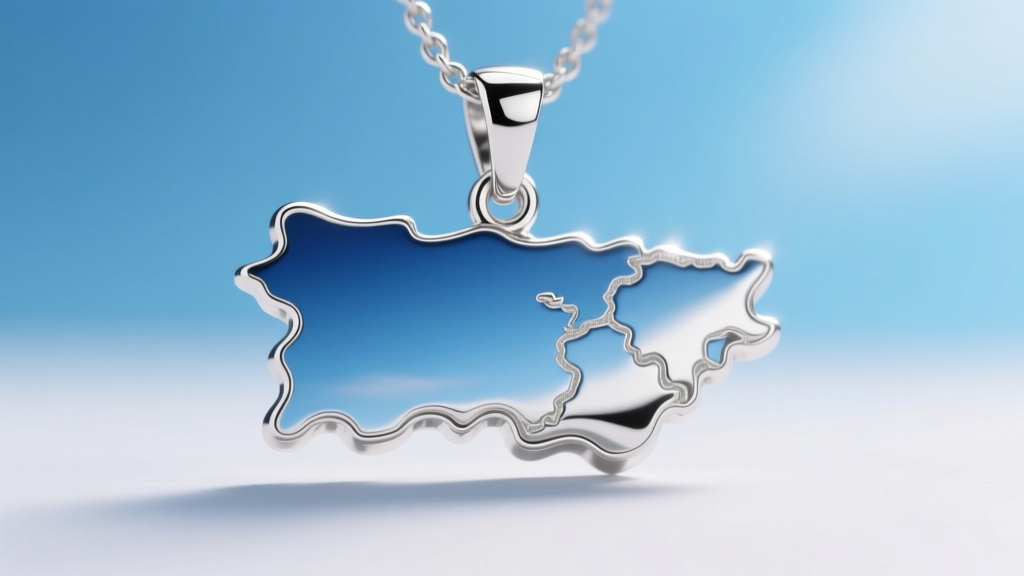
- The Island Map: A solid, geometric shape that requires a high-polish finish to reflect light. Rhodium-plated 925 Silver or PVD Steel offer the most brilliant, mirror-like reflections for this popular silhouette.
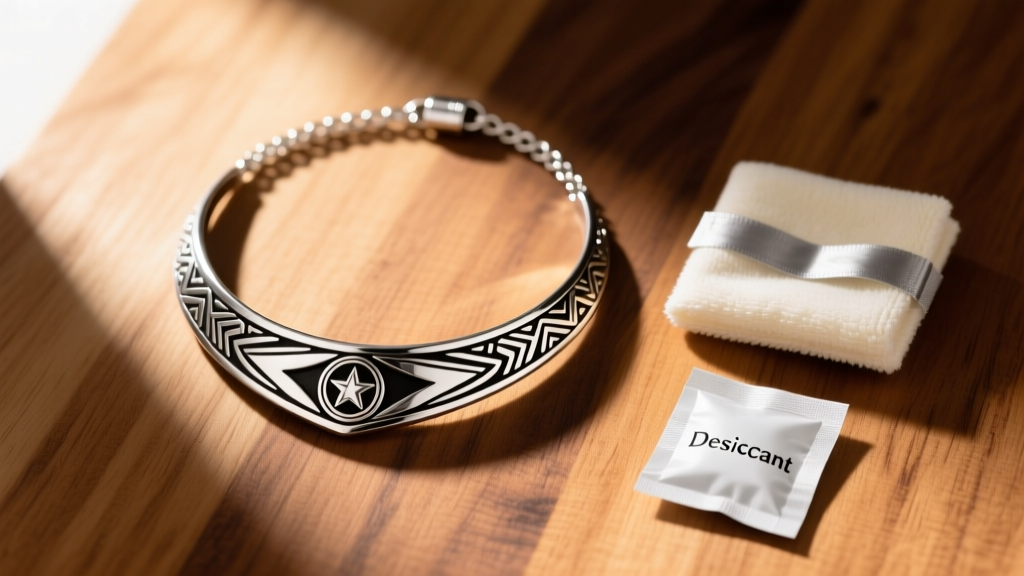
- Taino Sun (Cemí) & Petroglyphs: These designs rely on deep, oxidized recesses to create contrast. Un-plated 925 Silver or 14K Rose Gold (which naturally darkens in its crevices over time) enhance the ancient, rustic aesthetic of Taino artwork.
- The Puerto Rican Flag: Typically crafted using enamel or epoxy resin inlays. 316L Stainless Steel provides a rigid, unyielding bezel that prevents the enamel from cracking under pressure.
"When a client commissions a custom Puerto Rican necklace meant to be passed down to their granddaughter, I always steer them toward 14K gold. It survives the salt air, the humidity, and the inevitable bumps of daily life while retaining the exact detail of the artisan's original wax carving." — Master Bench Jeweler, Old San Juan
High-Humidity Care Protocols
Even the most resilient metals require basic maintenance to preserve their structural integrity and visual appeal in tropical climates. If your Puerto Rican necklace is crafted from standard 925 silver or un-plated brass, implement the following care routine:
- Post-Ocean Rinse: Always rinse your necklace in fresh, distilled water after swimming in the ocean. Salt crystals left on the metal will accelerate galvanic corrosion, particularly where the pendant bail meets the chain.
- Silica Gel Storage: When not wearing your necklace, store it in an airtight ziplock bag alongside a fresh silica gel packet and a Pacific Silvercloth anti-tarnish strip. This reduces the micro-climate humidity to near zero.
- Avoid Chlorine Exposure: While 316L steel can handle salt, no karat gold or silver alloy should be exposed to chlorinated resort pools. Chlorine reacts with the copper and zinc alloys in 14K and 18K gold, causing a phenomenon known as 'stress corrosion cracking,' which can literally snap a delicate chain.
- Ultrasonic Warnings: Never use ultrasonic cleaners on Puerto Rican necklaces featuring enamel flag inlays, porous coral, or oxidized Taino motifs. The high-frequency vibrations will strip the intentional patina and shatter resin fills.
Final Verdict: Choosing Your Puerto Rican Necklace
Selecting the perfect metal for your Puerto Rican necklace ultimately depends on how and where you plan to wear it. If you are seeking an heirloom piece to commemorate a major life event, 14K yellow gold remains the undisputed champion, offering a flawless blend of cultural prestige, structural hardness, and immunity to tropical tarnish. For everyday artisans and beachgoers who want a brilliant shine without the anxiety of losing a high-value asset, 316L PVD stainless steel or Argentium silver provide modern, bulletproof alternatives that honor the island's vibrant spirit without succumbing to its demanding climate.


