Queen Camilla Suffolk Necklace Jewelry: A Buyer's Guide
Discover our expert buying guide to Queen Camilla Suffolk necklace jewelry. Learn pearl grading, clasp anatomy, and pricing tiers.

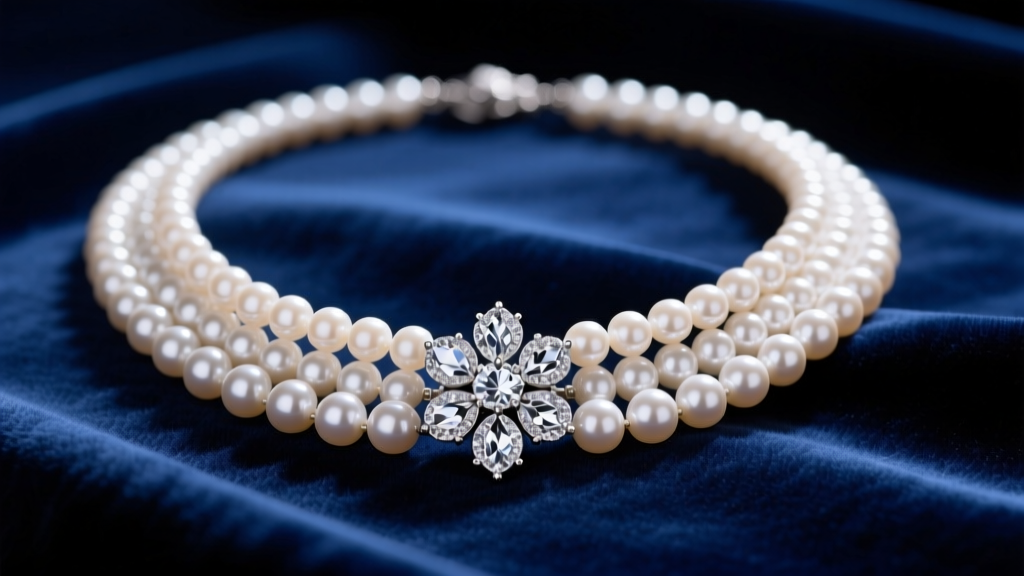
The Allure of Royal-Provenance Festoon Necklaces
When evaluating high-society and royal jewelry trends, few pieces capture the imagination quite like the multi-strand pearl and diamond festoon. The widespread search for queen camilla suffolk necklace jewelry stems from the Queen Consort’s frequent showcasing of heritage pearl pieces during regional engagements, including notable tours in Suffolk. These necklaces are not merely accessories; they are masterclasses in mid-century and Victorian jewelry engineering, characterized by their sweeping, graduated multi-strand designs and ornate, diamond-encrusted spacer clasps. For serious collectors and bespoke jewelry enthusiasts in 2026, understanding the exact specifications, material grades, and structural integrity of these pieces is paramount before making a significant investment.
Deconstructing the Festoon: Anatomy and Mechanics
A true royal-style festoon necklace is an engineering marvel. Unlike a simple single-strand pearl choker, a festoon consists of three to five individual strands of pearls that are suspended and separated by a central, often removable, ornate clasp or a series of diamond-set spacer bars.
The Crucial Role of the Spacer Clasp
The defining feature of the queen camilla suffolk necklace jewelry style is the intricate central clasp. This component must bear the tensile stress of multiple heavy pearl strands. In authentic antique and high-end bespoke replicas, this clasp is crafted from 18k white gold or platinum to prevent metal fatigue and tarnishing. The clasp typically features a tongue-and-groove box mechanism, reinforced by dual figure-eight safety catches on the sides. If a piece you are evaluating lacks these secondary safety catches, it is likely a modern fashion reproduction rather than a fine jewelry investment.
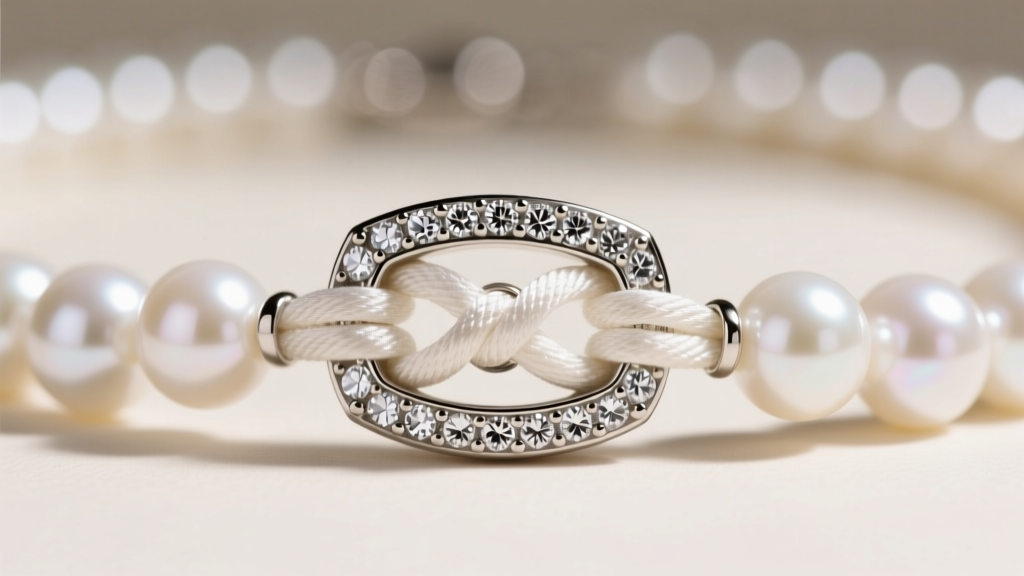
Pearl Grading: Matching the Royal Standard
To replicate or acquire a piece that mirrors the British Royal Collection's standards, you must look beyond basic "AAA" marketing terms and demand specific gemological data. According to the Gemological Institute of America (GIA), pearl value is determined by seven factors: size, shape, color, luster, surface quality, nacre quality, and matching.
Saltwater vs. Freshwater: The Luster Debate
While modern Edison freshwater pearls have improved dramatically, true royal-provenance styles historically utilize saltwater Akoya or White South Sea pearls. Akoya pearls (typically 7.0mm to 9.5mm) offer a sharp, mirror-like luster that perfectly complements the icy sparkle of diamond clasps. South Sea pearls (10.0mm to 14.0mm) offer a softer, satiny luster and a heavier drape, suitable for grand state occasions.
| Pearl Type | Ideal Size Range | Nacre Thickness | Luster Grade | Best Use Case |
|---|---|---|---|---|
| Hanadama Akoya | 8.0mm - 9.5mm | > 0.6mm | Excellent (Mirror) | Classic 3-strand daytime festoons |
| AAA White South Sea | 10.0mm - 12.0mm | > 2.0mm | Very High (Satiny) | Heavy 4-strand state event necklaces |
| Gem-Grade Edison | 11.0mm - 13.0mm | Solid Nacre | High (Metallic) | Budget-friendly bespoke alternatives |
Evaluating the Diamond Clasp and Melee
The clasp of a festoon necklace often contains 2.00 to 5.00 carats of melee diamonds. When inspecting queen camilla suffolk necklace jewelry replicas or antiques, pay close attention to the diamond grading. Because these diamonds are set in platinum or white gold and sit against bright white pearls, any yellow tint will be immediately obvious.
- Color: Insist on G or H color diamonds. Anything lower (I, J, or K) will appear yellowish against the white pearls.
- Clarity: VS1 to SI1 is the sweet spot. Melee diamonds do not require VVS clarity, but they must be eye-clean to maintain the icy aesthetic.
- Setting Style: Look for milgrain detailing and pavé or bezel settings. Prong settings in vintage pieces often catch on silk garments and can loosen over decades of wear.
Sourcing: Antiques, Auctions, and Bespoke Commissions
Acquiring a piece of this caliber requires navigating distinct market channels. As documented by the Royal Collection Trust, authentic royal provenance pieces rarely enter the open market, usually passing directly through inheritance or private estate sales. However, the secondary market and bespoke sector offer viable alternatives.
Pricing Tiers and Where to Buy
"In 2026, the most astute collectors are commissioning master jewelers to pair antique, salvaged Victorian diamond clasps with newly strung, ethically sourced Hanadama Akoya pearls. This hybrid approach guarantees historical authenticity at the focal point while ensuring the structural integrity of the silk and pearls."
- Antique Auction Houses ($25,000 - $150,000+): Sotheby’s and Christie’s frequently auction mid-century multi-strand pearl necklaces from estates like those of the Astor or Vanderbilt families. Look for pieces with original hallmarks on the box clasp.
- Master Bespoke Jewelers ($8,000 - $20,000): Commissioning a piece allows you to dictate the exact drape and length. A 16-inch inner strand with 18-inch and 20-inch outer strands creates the perfect cascading festoon effect.
- High-End Estate Dealers ($5,000 - $12,000): Specialized antique jewelry dealers in London’s Hatton Garden or New York’s Diamond District often carry unbranded but master-crafted 1950s festoons.
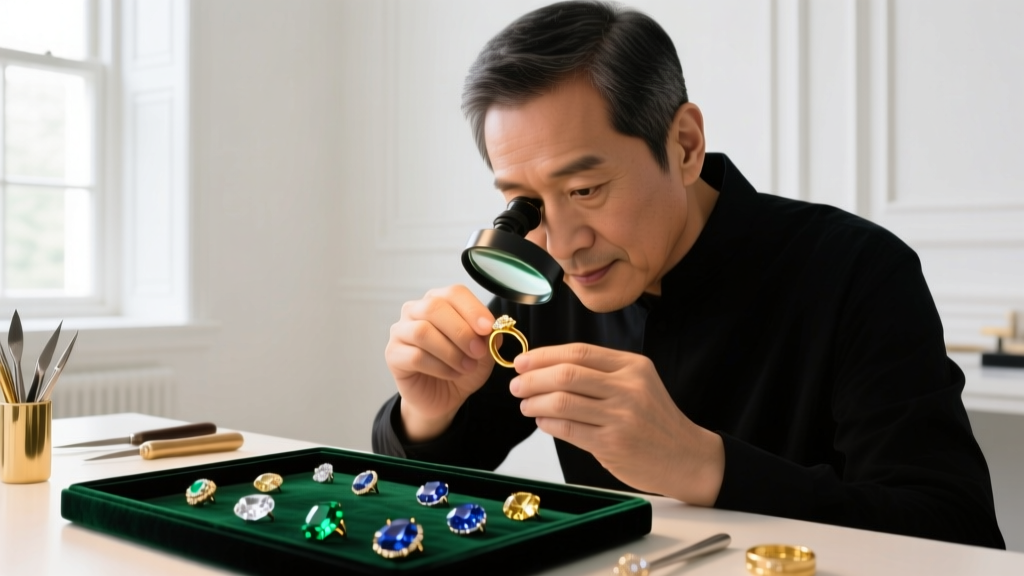
Long-Term Maintenance: Silk, Gimp, and Restringing
A multi-strand pearl necklace is a living, organic piece of jewelry that requires rigorous maintenance. The weight of three to five pearl strands places immense stress on the stringing material.
The Importance of French Wire and Knotting
When evaluating a piece, inspect the area where the pearls meet the metal clasp. There must be a protective coil of "French wire" (also known as gimp) wrapping the silk thread to prevent the metal from cutting through the silk over time. Furthermore, every single pearl must be individually knotted. This not only prevents pearl-on-pearl abrasion but ensures that if a strand snaps, you lose only one pearl rather than the entire strand.
Restringing Intervals
For a necklace worn regularly, professional restringing using Size E or F pure silk thread is required every 18 to 24 months. Avoid synthetic nylon threads; while stronger, they lack the supple drape of silk and can cause the drill holes of softer pearls to wear unevenly over decades. Store the necklace flat in a chamois leather pouch—never hang a multi-strand festoon, as gravity will permanently stretch the silk and distort the spacing.
Final Verdict for the Discerning Collector
The enduring fascination with queen camilla suffolk necklace jewelry is a testament to the timeless elegance of the British royal festoon style. Whether you are bidding on a mid-century estate piece at auction or commissioning a modern replica from a master jeweler, the key to a successful acquisition lies in the details. Demand Hanadama or AAA South Sea pearls with thick nacre, insist on a platinum box clasp with dual safety catches, and never compromise on the quality of the diamond melee. By focusing on these structural and gemological specifics, you secure not just a beautiful necklace, but a wearable heirloom capable of spanning generations.


