The Queen Necklace Guide: Styling the 24-Inch Length
Discover how to style a queen necklace. This beginner guide covers the 24-inch length, ideal necklines, material grades, and layering tips.


What Exactly is a Queen Necklace?
When building a versatile and sophisticated jewelry collection, understanding chain lengths is just as critical as selecting the right metal or gemstone. While terms like 'choker' and 'princess' are widely recognized, the queen necklace occupies a unique and highly elegant space in the jewelry lexicon. Specifically, a queen length necklace measures exactly 24 inches (approximately 61 centimeters).
According to Blue Nile's comprehensive necklace length guide, the 24-inch drop sits roughly two to three inches below the standard 18-inch princess length, resting gracefully at the bustline or the top of the cleavage. It bridges the gap between the professional Matinee (20 to 22 inches) and the dramatic Opera (28 to 36 inches). For beginners, the queen necklace offers a regal, elongating effect that draws the eye downward, making it an exceptional choice for both business-casual environments and evening wear.
The Anatomy of the 24-Inch Drop: Gauge and Clasp Mechanics
The physics of a 24-inch chain dictate that it will swing, drape, and interact with your clothing more than shorter lengths. Because of this 'pendulum effect,' choosing the correct gauge (the thickness of the chain) is paramount to prevent tangling and breakage.
Optimal Gauge Sizes for Queen Lengths
- 1.5mm to 2.0mm: Ideal for lightweight pendants and a delicate, feminine drape. Box chains and cable chains in this width resist knotting reasonably well.
- 2.5mm to 3.5mm: The sweet spot for standalone queen necklaces. Rope chains, Figaro chains, and Cuban links in this gauge provide enough visual weight to stand alone without a pendant.
- Under 1.0mm (Avoid): Ultra-thin snake chains or delicate thread chains at 24 inches are highly prone to permanent kinking and severe tangling due to the length and friction against fabrics.
Clasp Engineering
At 24 inches, you are dealing with a longer, heavier chain that often requires you to fasten it blindly behind your neck. Standard 4mm spring-ring clasps are notoriously difficult to secure at this length and can easily fail under the swinging weight of a heavier chain. Always opt for a 5mm to 7mm lobster clasp, or invest in a high-quality magnetic clasp for seamless, secure fastening.
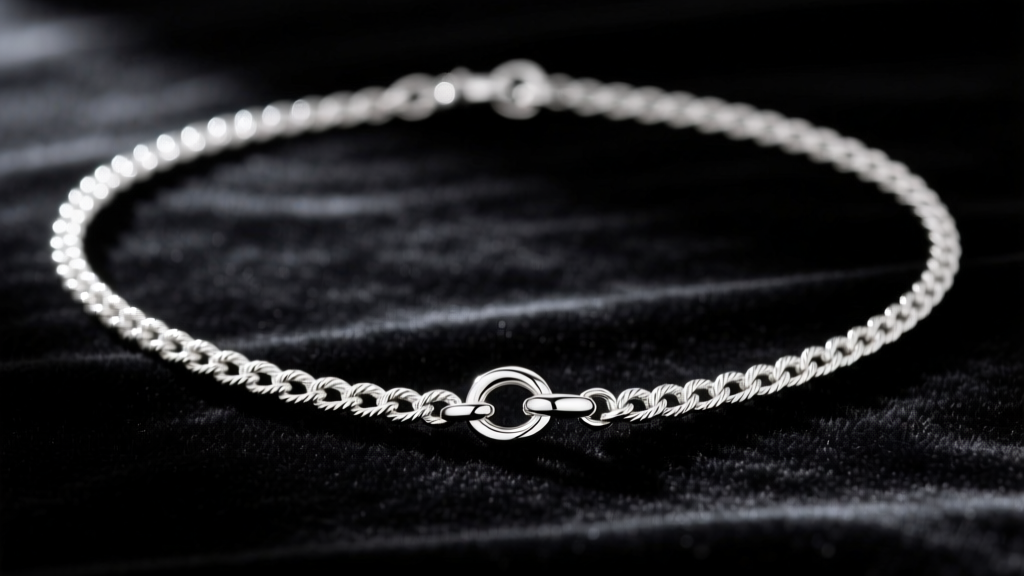
Best Necklines for Queen Length Chains
The 24-inch queen necklace is remarkably versatile, but it truly shines when paired with specific necklines that provide a 'canvas' for the metal to rest against. Because it sits at the bustline, it can easily get lost in busy patterns or high collars. Below is a structural framework for pairing your queen necklace with your wardrobe.
| Neckline Type | Styling Verdict | Recommended Chain Style |
|---|---|---|
| Deep V-Neck | Excellent. The chain mirrors the V-shape, elongating the torso. | 1.5mm Cable chain with a geometric pendant. |
| Scoop Neck | Very Good. Fills the negative space perfectly without crowding. | 2.5mm Rope chain worn standalone. |
| Turtleneck | Good (with caution). Works only over fitted, solid-color knits. | 3.0mm Figaro or Cuban link for contrast. |
| Button-Down Shirt | Excellent. Worn under the collar for a modern, layered look. | 2.0mm Box chain, partially unbuttoned. |
| High Crew Neck | Poor. The chain will compete with the hemline and look cluttered. | Avoid; opt for an 18-inch princess instead. |
Material Grades and Pricing for Beginners
When shopping for a queen necklace, understanding material grades will save you from overpaying for subpar metals or underestimating the longevity of your piece. The Gemological Institute of America (GIA) and the Federal Trade Commission (FTC) Jewelry Guides provide strict definitions for metal purity and plating that every beginner should memorize.
Pricing and Durability Breakdown
- Sterling Silver (925): Composed of 92.5% pure silver and 7.5% alloy (usually copper) for strength. A 24-inch sterling silver queen necklace in a 2mm gauge typically ranges from $45 to $120. It requires occasional polishing to prevent tarnish.
- Gold Vermeil (Pronounced Ver-may): By FTC standards, vermeil must be a thick layer of gold (at least 2.5 microns) plated over a sterling silver base. Priced between $80 and $200, it offers the look of solid gold with a durable core, making it ideal for statement 24-inch pieces.
- Gold-Plated (Brass Base): Often features less than 0.5 microns of gold over a cheap brass core. Priced under $40. Avoid this for 24-inch chains, as the friction against your chest will wear the plating off within months.
- Solid 14k or 18k Gold: The ultimate investment. A 24-inch solid 14k gold rope chain (2.5mm) will generally cost between $600 and $1,200+ depending on the daily spot price of gold and the gram weight. It will never tarnish and can be worn in the shower.
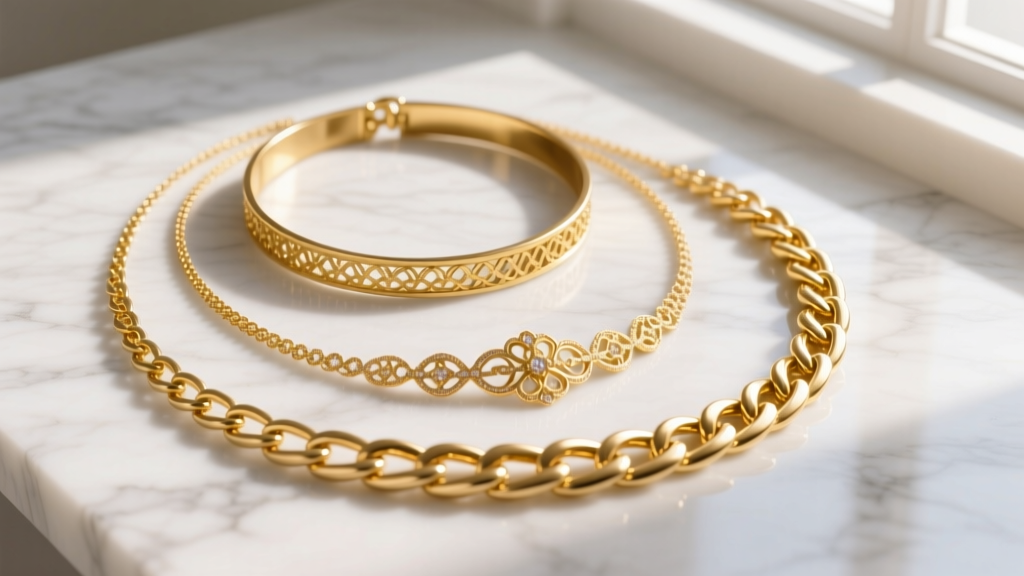
Layering the Queen Necklace: A Step-by-Step Framework
Layering is where the queen necklace truly acts as the anchor of your jewelry stack. Because of its 24-inch drop, it provides the necessary bottom tier to prevent your necklaces from tangling into a single knot. Follow the 16-18-24 Rule for a foolproof, professionally styled look:
- The Base (16 Inches): Start with a delicate 16-inch choker or collar. A simple 1mm gold cable chain or a small pearl strand sits right at the base of the throat.
- The Middle (18 Inches): Add an 18-inch princess length chain featuring a small, lightweight focal point, such as a 4mm bezel-set diamond or a minimalist coin pendant.
- The Anchor (24-Inch Queen): Finish with your 24-inch queen necklace. This should be the heaviest and thickest chain in the stack (e.g., a 2.5mm rope chain) or feature a bold, oversized pendant like a large malachite teardrop or a substantial gold medallion.
Pro Tip: To completely eliminate tangling when layering, ensure there is a minimum of 40 grams of weight difference between your 18-inch and 24-inch chains, or use a multi-strand clasp to keep the spacing rigid at the nape of your neck.
Common Beginner Mistakes to Avoid
Even with the right length and material, beginners often stumble when integrating the queen necklace into their daily rotation. Avoid these three critical errors:
- Ignoring Pendant Proportions: A 24-inch chain requires a pendant with visual weight. A tiny 3mm charm will look lost and disproportionate at the end of a two-foot chain. Aim for pendants that are at least 15mm to 25mm in diameter.
- Wearing with Busy Prints: The intricate links of a 24-inch Figaro or rope chain will visually clash with loud florals or complex geometric patterns. Treat the queen necklace as a complementary piece and wear it over solid, monochromatic fabrics.
- Sleeping in Long Chains: While you might get away with sleeping in a 16-inch choker, a 24-inch chain is highly likely to wrap around your neck or catch on bedding, leading to stretched links or a broken clasp. Always unclasp your queen necklace before bed.
Final Thoughts on Regal Elegance
The queen necklace is far more than just a measurement; it is a strategic styling tool that elongates the silhouette and adds an immediate touch of sophistication to any outfit. By paying close attention to gauge thickness, selecting secure lobster clasps, and understanding how the 24-inch drop interacts with your wardrobe's necklines, you can elevate your jewelry game from novice to expert. Whether you choose a brilliant sterling silver rope chain or invest in a solid 14k gold anchor piece, the queen length will remain a timeless, regal staple in your collection for decades to come.


