Expert Anatomy of a Fine Heart and Pearl Necklace
Discover the technical anatomy of a heart and pearl necklace, from pearl nacre grading and chain gauges to clasp mechanics and pricing.

The Architecture of Elegance: Beyond Aesthetics
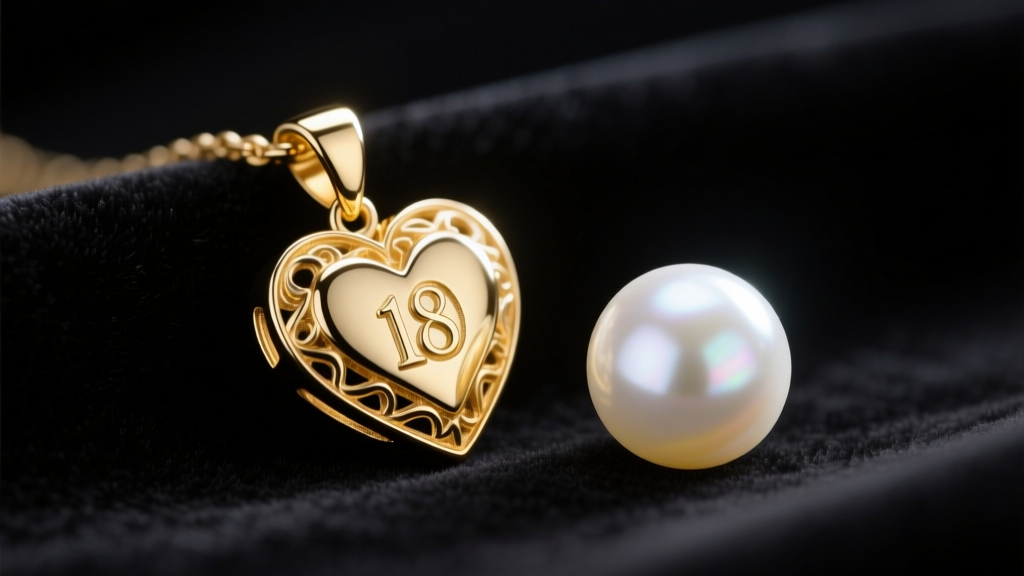
When evaluating a heart and pearl necklace, most consumers focus solely on the aesthetic harmony between the romantic silhouette of the heart and the organic luster of the pearl. However, from a gemological and metallurgical perspective, this specific combination presents unique structural challenges. A fine necklace is not merely a decorative item; it is a complex system of weight distribution, tensile strength, and organic gemstone preservation. The interplay between a dense metallic pendant and a delicate organic gem requires precise engineering to ensure longevity. In this technical deep dive, we deconstruct the anatomy of a luxury heart and pearl necklace, examining the exact material grades, chain gauges, and failure modes that separate heirloom-quality jewelry from disposable fashion accessories.
Pearl Grading: Nacre Thickness and Luster Metrics
The pearl is the most vulnerable component in this jewelry system. According to the Gemological Institute of America (GIA), pearl quality is dictated by seven value factors, but for a pendant necklace, nacre thickness and luster are the paramount metrics for durability and visual performance.
Akoya vs. Freshwater: The Crystalline Difference
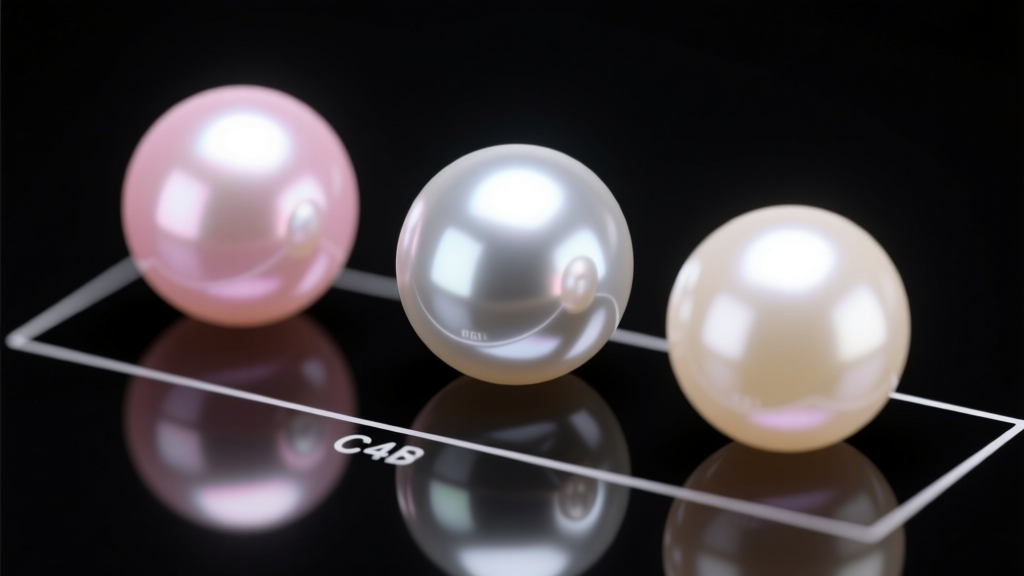
- Akoya Pearls (Bead-Nucleated): Prized for their mirror-like luster, fine Akoya pearls must possess a minimum nacre thickness of 0.4mm. Pearls with thinner nacre exhibit 'blinking'—a phenomenon where the internal shell bead nucleus becomes visible through the nacre under direct light, leading to eventual peeling and chalkiness.
- Freshwater Pearls (Tissue-Nucleated): Composed of nearly 100% solid nacre, freshwater pearls are structurally more resistant to chipping than Akoya pearls. However, their aragonite platelets are often less perfectly aligned, resulting in a softer, more satiny luster rather than a sharp, mirror-like reflection.
- South Sea Pearls: Ranging from 10mm to 14mm, these offer thick nacre (often 2.0mm to 4.0mm) but their massive size and weight can overwhelm a delicate heart pendant, throwing off the visual balance and physical weight distribution of the necklace.
Expert Insight: When pairing a pearl with a heart pendant, opt for an 8.0mm to 8.5mm Akoya pearl. This specific diameter provides enough visual gravity to anchor the design without adding excessive pendulum weight that accelerates chain wear.
The Heart Pendant: Metallurgy and Manufacturing Techniques
The heart shape, while universally beloved, contains an inherent structural weak point: the central 'cleft' at the top of the pendant. If this area is cast too thinly, it becomes a prime failure point for stress fractures.
Casting vs. Die-Striking
Most commercial heart pendants are created via lost-wax casting. While this allows for intricate 3D designs, cast gold is inherently porous at a microscopic level and relatively soft. In contrast, die-striking involves stamping the pendant from a solid sheet of gold under immense hydraulic pressure. According to jewelry manufacturing standards documented by Rio Grande, die-struck gold compresses the metal's crystalline grain structure, making the final piece up to 30% denser and significantly more resistant to denting and scratching than its cast counterpart.
Gold Alloys: 14k vs. 18k
While 18k gold (75% pure gold) offers a richer, deeper yellow hue, its higher purity makes it softer. For a heart pendant that will experience friction against the bail and the wearer's skin, 14k gold (58.3% pure gold) alloyed with copper and silver provides superior tensile strength and scratch resistance, ensuring the high-polish curves of the heart remain pristine over decades of daily wear.
Chain Gauge, Bail Mechanics, and Clasp Engineering
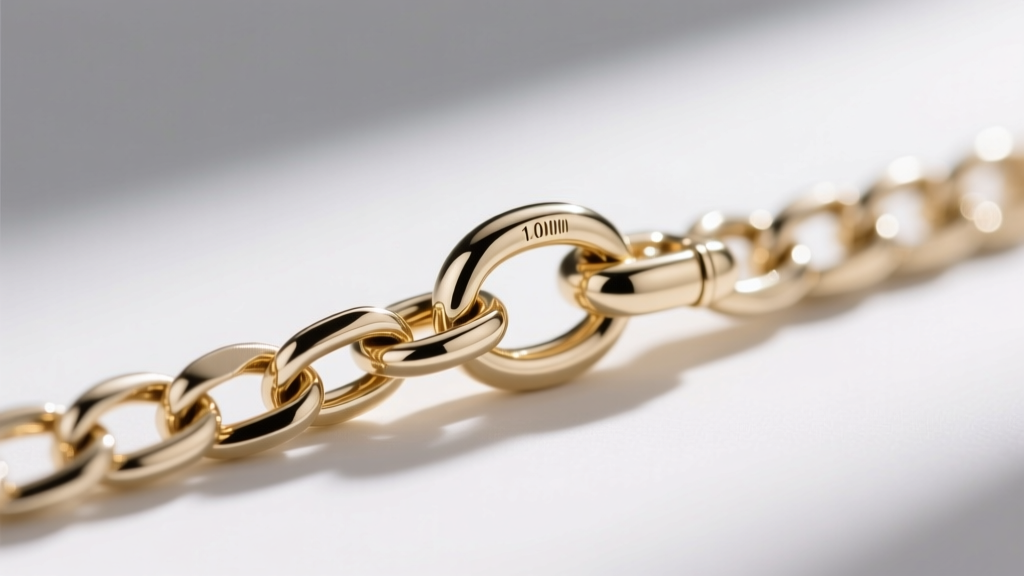
The chain is the load-bearing suspension system of the necklace. The bail (the loop connecting the heart to the chain) acts as a fulcrum. Every time the wearer moves, the bail creates friction against the chain links.
Chain Tensile Strength Comparison
| Chain Style | Optimal Gauge | Tensile Strength | Friction Wear Profile |
|---|---|---|---|
| Cable Chain | 0.9mm - 1.1mm | Moderate | High (oval links stretch over time) |
| Box Chain | 0.9mm - 1.2mm | Very High | Low (flat surfaces distribute weight) |
| Wheat Chain | 1.0mm - 1.5mm | High | Moderate (braided links resist stretching) |
| Rope Chain | 1.2mm - 1.5mm | High | Low (but prone to catching body hair) |
Clasp Mechanics: The Spring Ring Fallacy
Never rely on a spring ring clasp for a fine heart and pearl necklace. Spring rings utilize a tiny internal coil spring that is highly susceptible to metal fatigue and failure. A 12mm or 14mm solid lobster claw clasp is mandatory. Furthermore, the jump ring connecting the clasp to the chain must be soldered shut. An unsoldered jump ring will inevitably twist open under the pendulum weight of a gold heart pendant, resulting in the loss of the necklace.
2026 Pricing Matrix and Value Retention
Understanding the technical specifications allows for accurate valuation. The following matrix outlines the expected retail pricing for a fine heart and pearl necklace based on current precious metal markets and gemological grading standards.
| Pearl Type & Size | Pendant Material | Chain Specification | Estimated Retail Range |
|---|---|---|---|
| 8.0mm AAA Freshwater | 14k Yellow Gold (Cast) | 0.9mm 14k Cable Chain | $350 - $550 |
| 8.5mm AA+ Akoya | 14k White Gold (Die-Struck) | 1.1mm 14k Box Chain | $750 - $1,100 |
| 9.0mm AAA Akoya | 18k Rose Gold (Cast) | 1.2mm 18k Wheat Chain | $1,400 - $2,200 |
| 11.0mm AA South Sea | Platinum PT950 (Cast) | 1.5mm Platinum Box Chain | $3,500 - $5,500+ |
Maintenance and Failure Prevention Protocols
To preserve the structural integrity of a heart and pearl necklace, specific maintenance protocols must be followed. Pearls are organic and highly sensitive to acids, including human perspiration and cosmetics. Always adhere to the 'last on, first off' rule to prevent chemical degradation of the pearl's nacre.
For the metallic components, inspect the bail hole every six months. If the heart pendant is heavy, the bail can act like a saw, slowly cutting through the jump ring or the chain links. Applying a microscopic drop of synthetic watch oil to the bail interior can reduce friction wear by up to 40%. Finally, store the necklace flat or hanging; never toss it into a jewelry box where the gold heart can scratch the delicate surface of the pearl, permanently damaging its luster.


