The Queen's Necklace: A Beginner's Guide to Royal Collars
Discover how to style a queen's necklace. Learn the history of royal collars, modern multi-strand alternatives, and expert tips for wearing them daily.

The Allure of the Queens Necklace
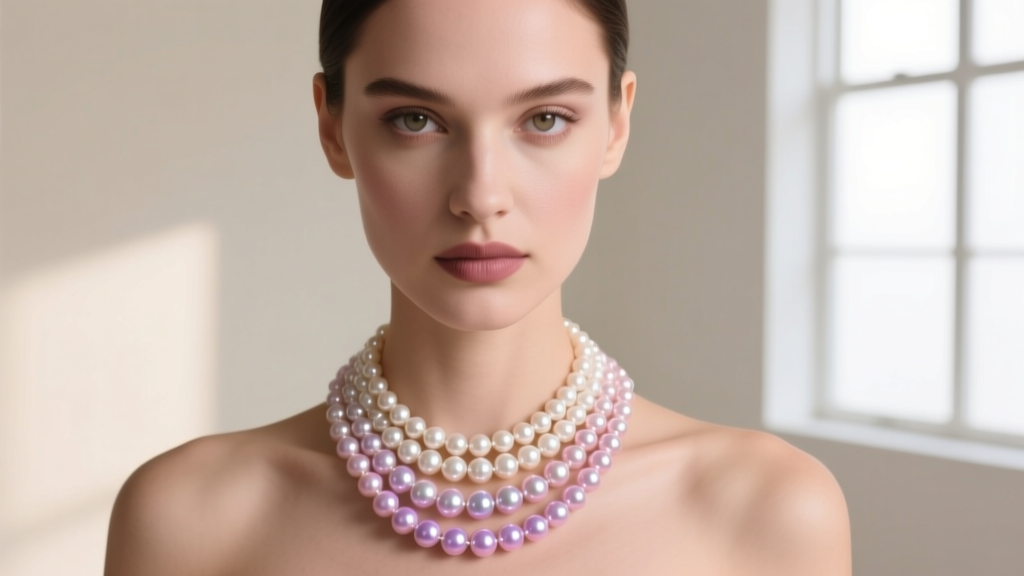
There is a distinct category of jewelry that instantly commands attention, evoking images of state dinners, royal portraits, and timeless elegance. Often referred to as a queen's necklace, this style typically encompasses multi-strand collars, festoons, and heavily embellished chokers that sit high on the neck. Unlike a simple pendant chain, a royal collar is a statement piece that frames the face and transforms the neckline of any garment. For beginners stepping into the world of fine or fashion jewelry, understanding how to select, style, and care for these regal pieces is essential. This guide will demystify the anatomy of the royal collar, providing actionable advice on how to integrate this historic silhouette into a modern, everyday wardrobe without looking like you are wearing a costume.
Historical Roots: From Marie Antoinette to Modern Royalty
The concept of the multi-strand collar is deeply rooted in European aristocracy. Perhaps the most infamous example in history is the Diamond Necklace Affair involving Marie Antoinette, a piece that featured intricate festoon designs—multiple strands of gemstones draped and connected by ornate central motifs. Fast forward to the 20th and 21st centuries, and the style became synonymous with British royalty. Queen Elizabeth II rarely appeared in public without her signature three-strand pearl necklace, a gift from her father, King George VI. According to the Royal Collection Trust, these multi-strand pearl collars were meticulously crafted to sit perfectly against the collarbone, utilizing custom spacer bars to ensure the strands never tangled or overlapped awkwardly. When browsing estate sales or antique shops for a vintage queens necklace, you will often encounter pieces from the Victorian and Edwardian eras that feature intricate seed pearl work and silver-gilt clasps, proving that this silhouette has been a marker of status for centuries.
The Anatomy of a Multi-Strand Collar
To appreciate the craftsmanship of a queen's necklace, you must understand its structural components. These pieces are significantly more complex to manufacture than single-strand chains.
- The Strands: A traditional royal collar features between three and five individual strands. In pearl necklaces, these are typically graduated, with the innermost strand sitting at a 12-inch collar length and the outermost cascading to 14 or 15 inches.
- Spacer Bars and Connectors: This is the secret to a flawless drape. High-quality multi-strand necklaces use vertical metal spacer bars (often hidden at the back or sides) to keep the strands perfectly parallel and prevent them from twisting.
- The Clasp Mechanism: Because multi-strand necklaces carry substantial weight, a standard spring-ring clasp will eventually fail. Look for pieces equipped with a box clasp, ideally secured with dual figure-eight safety catches on the exterior. This ensures that if the primary locking mechanism disengages, the necklace remains safely around your neck.
- Stringing Material: Authentic pearl and gemstone collars are strung on pure silk thread with individual knots between each bead. This prevents bead-on-bead friction and ensures that if the thread snaps, you only lose a single bead rather than the entire strand.
How to Style a Royal Collar for Everyday Wear
The most common mistake beginners make is reserving their queen's necklace exclusively for black-tie events. The key to modernizing this piece is juxtaposition—pairing a highly formal, structured necklace with relaxed, contemporary tailoring. Below is a structural framework for matching your collar to the right neckline.
| Neckline Type | Compatibility | Styling Advice & Visual Impact |
|---|---|---|
| V-Neck (Deep or Shallow) | Excellent | The V-shape naturally frames the multi-strand collar, drawing the eye upward toward the face. Ensure the lowest strand of the necklace sits at least one inch above the fabric's hem. |
| Crew Neck | Moderate | Can look cluttered if the collar is too thick. Opt for a sleek, three-strand gold chain rather than bulky pearls to avoid competing with the high fabric line. |
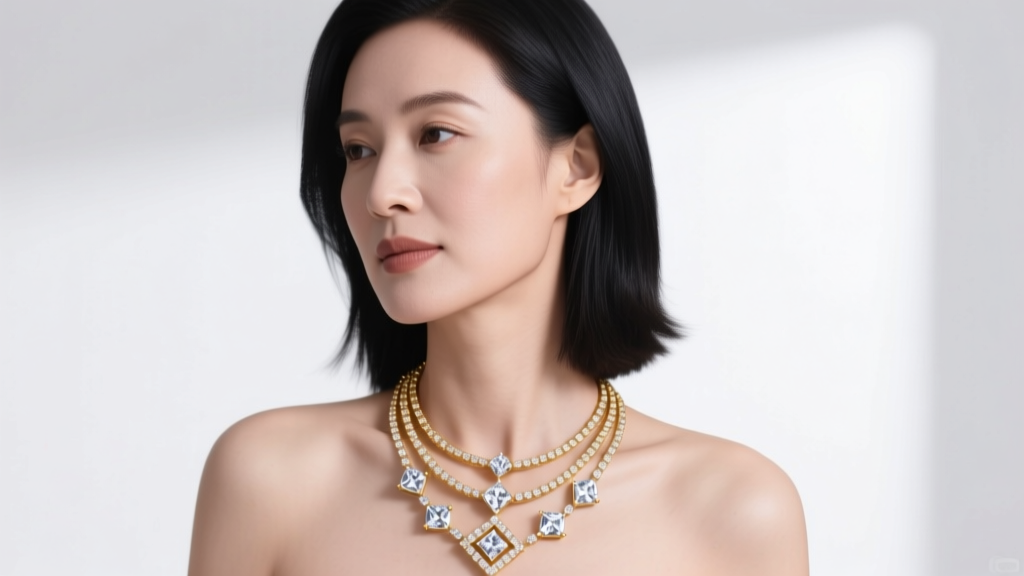
| Off-the-Shoulder | Perfect | Exposes the collarbones entirely, allowing the necklace to sit directly on bare skin. This is the most flattering and traditional way to wear a festoon or royal collar. |
| Turtleneck | Poor | Avoid. The bulk of the fabric combined with the thickness of a multi-strand collar creates an unflattering, heavy silhouette that obscures the neck entirely. |
| Button-Down (Unbuttoned) | Excellent | Leaving the top two buttons of a crisp white shirt undone creates a makeshift V-neck, offering a brilliant smart-casual contrast to the formality of the jewelry. |
A Buyer’s Guide: Pricing and Material Grades
Investing in a queen's necklace requires navigating a wide spectrum of materials and price points. Understanding the specific grades and manufacturing standards will protect you from overpaying for subpar craftsmanship.
Entry-Level and Fashion ($50 - $150)
In this tier, you will primarily find gold vermeil and freshwater pearls. By FTC guidelines, gold vermeil must have a base of sterling silver and a gold plating of at least 2.0 microns. However, for a piece that will endure the friction of a collar-style necklace, seek out brands that explicitly state a 2.5-micron or 3.0-micron thickness. The pearls used here are typically freshwater button or potato shapes, measuring 5mm to 7mm. While they lack the mirror-like luster of saltwater pearls, they offer a beautiful, organic warmth for daily wear.
Mid-Tier Investment ($200 - $800)
Stepping into the mid-tier introduces solid 14k gold and higher-grade gemstones. If you are purchasing pearls, look for Akoya pearls. Akoya pearls are renowned for their perfectly spherical shape and sharp, reflective luster. A three-strand Akoya collar in the 6.0mm to 6.5mm range is a classic staple. In this bracket, you should also expect to see secure box clasps crafted from solid gold, rather than plated brass alternatives.
Fine Jewelry and Heirlooms ($1,000+)
At the highest tier, you are paying for premium materials and master-level stringing. Expect 18k gold hardware, natural or cultured South Sea pearls (which can range from 9mm to 14mm in diameter), or diamond-set festoon connectors. Pieces in this category are often custom-strung to the wearer's exact neck measurement to ensure the collar sits flawlessly without gaping or choking.
Crucial Care Instructions for Multi-Strand Pieces
Maintaining a multi-strand queen's necklace requires more diligence than a simple chain. The primary point of failure in these pieces is the stringing material, not the beads themselves. According to the Gemological Institute of America (GIA), porous organic gems like pearls and coral are highly susceptible to damage from chemicals and extreme vibrations.
- Never Use Ultrasonic Cleaners: The high-frequency vibrations of an ultrasonic cleaner will shatter fragile gemstones like opals and emeralds, and can instantly snap the silk threads holding your collar together.
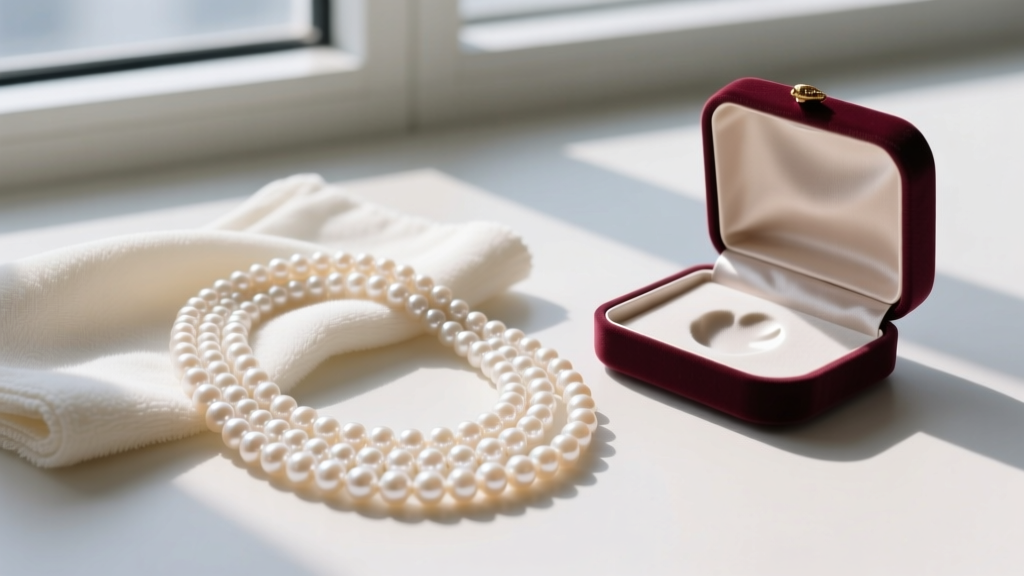
- Wipe After Every Wear: Human skin produces natural oils and acids that can degrade silk thread and dull the nacre of pearls over time. Always gently wipe the strands with a dry, lint-free microfiber cloth before storing.
- Store Flat and Unfastened: Hanging a heavy multi-strand necklace on a jewelry tree puts immense stress on the silk threads, causing them to stretch and eventually snap. Store the piece flat in a soft silk pouch to prevent the strands from tangling with other jewelry.
- Restringing Schedule: If you wear your royal collar frequently, have it professionally inspected and restrung every 18 to 24 months. A jeweler will check the integrity of the knots and the security of the clasp solder joints.
Final Thoughts on Regal Elegance
The queen's necklace is far more than a relic of historical aristocracy; it is a versatile, architectural piece of jewelry that can elevate the simplest of outfits. By understanding the vital importance of spacer bars, choosing the correct clasp mechanisms, and pairing the collar with complementary necklines, you can wear this regal style with absolute confidence. Whether you opt for an accessible gold vermeil festoon or invest in a timeless three-strand Akoya pearl collar, the key lies in respecting the craftsmanship of the piece and integrating it thoughtfully into your modern wardrobe.


