The Rainbow Chain Necklace Trend: 2026 Styling & Material Guide
Explore the 2026 rainbow chain necklace trend. Discover styling tips, material grades like anodized titanium and vitreous enamel, and layering techniques.

The rainbow chain necklace has undergone a radical transformation. Once relegated to the realm of nostalgic 1990s costume jewelry and playful beadwork, the multicolored chain has emerged in 2026 as a cornerstone of high jewelry and avant-garde street style. Driven by the enduring cultural momentum of "dopamine dressing"—a psychological approach to fashion that utilizes vibrant colors to elevate mood—the modern rainbow chain necklace is a masterclass in metallurgy, gemology, and structural design. This guide deconstructs the materials, styling frameworks, and market shifts defining this kaleidoscopic trend.
The Material Science of Color: Beyond Paint and Dye
In luxury jewelry, color is never an afterthought; it is engineered. The contemporary rainbow chain necklace relies on three primary techniques to achieve its spectrum, each with distinct durability profiles, manufacturing processes, and price points.
1. Anodized Titanium and Niobium
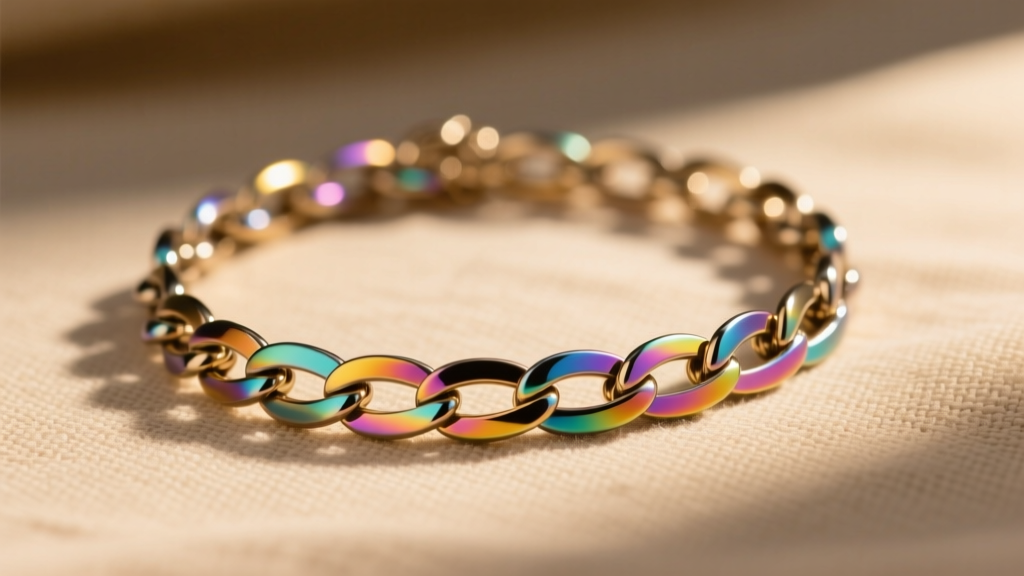
The most technically fascinating iteration of the rainbow chain utilizes Grade 2 Commercially Pure (CP) Titanium or Niobium. Unlike plated metals, anodizing does not apply a surface layer of paint or dye. Instead, an electrical current is passed through the metal in an electrolytic bath, thickening the naturally occurring oxide layer on the surface. This oxide layer refracts light, creating structural color. By precisely controlling the voltage, jewelers can dictate the exact hue: 15 volts yields a soft gold, 30 volts produces a deep sapphire blue, and 90 volts results in a vibrant green. Because the color is integral to the oxide layer, an anodized titanium rainbow chain will never chip or peel, though it can fade if subjected to extreme abrasion or harsh chemicals.
2. Vitreous Enamel on Precious Metals
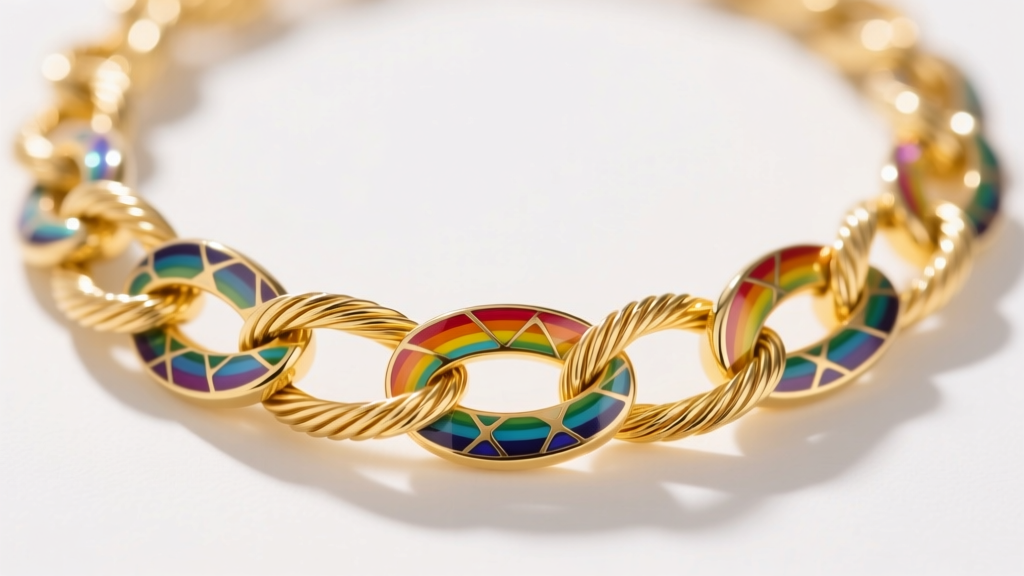
For those seeking traditional luxury, 18k yellow or rose gold cable chains adorned with vitreous enamel offer a heirloom-quality alternative. Vitreous enamel is essentially powdered glass fused to metal at temperatures exceeding 1400°F (760°C). The 2026 trend heavily favors the guilloché technique, where the gold link is first engine-turned with intricate geometric patterns before the translucent colored glass is applied. This creates a mesmerizing, three-dimensional depth within each colored link. Consumers must be wary of "cold enamel" (epoxy resin), which is merely painted on and will yellow, crack, or chip within two to three years of daily wear.
3. Multi-Gemstone Gradient Stations
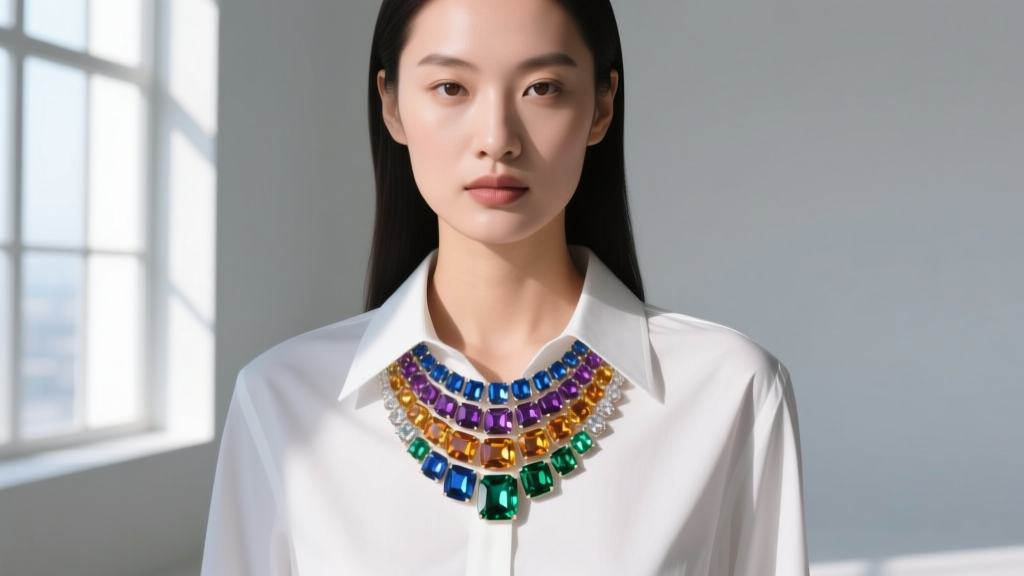
The pinnacle of the trend features precious gemstones bezel-set or station-linked along a fine chain. According to the Gemological Institute of America (GIA), sapphires are the premier choice for this design due to their 9 on the Mohs hardness scale, ensuring they withstand the friction of daily chain movement. Designers are currently favoring "rainbow sapphire" suites, transitioning from padparadscha (pink-orange) through vivid yellows, greens, and deep blues. While multi-colored tourmaline is a popular, more affordable alternative, the GIA Tourmaline Guide notes its lower hardness (7 to 7.5) makes it more susceptible to facet abrasion when set in high-friction rolo or paperclip links.
| Material Base | Color Technique | Durability Profile | Market Price Tier |
|---|---|---|---|
| Grade 2 Titanium | Voltage Anodizing | High (Scratch-resistant, no peeling) | Accessible ($150 - $600) |
| 18k Gold | Vitreous Enamel (Guilloché) | Medium (Impact-sensitive, shatter risk) | Luxury ($2,500 - $8,000) |
| Platinum / 18k Gold | Rainbow Sapphire Stations | Very High (Mohs 9, heirloom grade) | Haute Joaillerie ($12,000+) |
2026 Styling Frameworks: How to Wear the Spectrum
The key to styling a rainbow chain necklace in 2026 is avoiding a chaotic, "costume" aesthetic. The current sartorial consensus, frequently documented by Vogue's jewelry trend analysts, relies on intentional contrast, asymmetrical layering, and precise length calibration.
The Asymmetrical Layering Matrix
A standalone rainbow chain can sometimes overwhelm the decolletage if not properly anchored. The modern solution is to frame the vibrant piece with neutral, textured metals to ground the look.
- The Base (14-16 inches): A solid, oxidized sterling silver or matte black rhodium-plated choker. This dark base provides a visual "palate cleanser" that makes the colors of the rainbow chain pop without competing for attention.
- The Focal Point (18-20 inches): Your primary rainbow chain necklace. Opt for a mid-weight paperclip or rolo link (approx. 3mm to 5mm width) to ensure the colors are legible from a conversational distance. Ensure the clasp is a secure lobster clasp, as spring rings can easily unhook when layered.
- The Anchor (24-28 inches): A heavy, uncolored metal lariat or a simple geometric pendant on a thick curb chain. This draws the eye downward, elongating the neck and balancing the visual weight of the colors above.
Neckline Synergies and Contrast
The geometry of your neckline dictates the optimal chain length and link style. A 16-inch rainbow choker worn over a solid black or charcoal turtleneck creates a striking, high-contrast editorial look. The dark fabric absorbs ambient light, allowing the anodized or enameled links to reflect light brilliantly. Conversely, avoid wearing a single, short rainbow chain with a deep V-neck, as it interrupts the vertical line of the garment. Instead, use a 24-inch rainbow station necklace that follows the geometry of the neckline, terminating just above the sternum to elongate the torso.
Sourcing, Authenticity, and Maintenance
When investing in a high-end rainbow chain necklace, provenance and care are paramount. If purchasing an anodized titanium piece, inspect the links under a jeweler's loupe. Painted or lacquered imitations will show pooling in the crevices of the links and micro-scratches revealing the grey titanium beneath. True anodized titanium will show a uniform color shift depending on the angle of light refraction, with no physical pigment sitting on the surface.
For enameled pieces, verify that the brand uses kiln-fired vitreous enamel. Cold enamel (epoxy) is often used in mass-market "rainbow" chains to cut costs. You can identify cold enamel by its slightly plastic-like luster and susceptibility to denting under a fingernail, whereas vitreous enamel is hard, glass-like, and completely unyielding to pressure.
Critical Care Protocols
Maintenance requires a strict departure from standard jewelry cleaning protocols. Never place an enameled or anodized rainbow chain in an ultrasonic cleaner. The high-frequency cavitation bubbles can shatter vitreous enamel and degrade the oxide layer on titanium, resulting in patchy, faded links. Similarly, multi-gemstone rainbow chains often feature fracture-filled stones (particularly emeralds or lower-grade rubies) which can be destroyed by ultrasonic heat and chemical baths.
Instead, clean your rainbow chains using a solution of lukewarm distilled water and a single drop of pH-neutral dish soap. Agitate gently with a baby-soft toothbrush, rinse in cool distilled water to prevent hard water spotting, and pat dry with a lint-free microfiber cloth. Store the necklace flat or hung in a dark, climate-controlled environment, as prolonged UV exposure can degrade certain cold enamels and fade heat-treated gemstone stations over time. By respecting the material science behind these vibrant pieces, your rainbow chain necklace will remain a brilliant staple of your 2026 wardrobe and beyond.


