Raw Amber Necklace Value Guide: Pricing, Fakes & Quality Tiers
Discover how to assess raw amber necklace value. Learn pricing tiers, spot fakes like copal, and evaluate Baltic vs. Dominican inclusions.
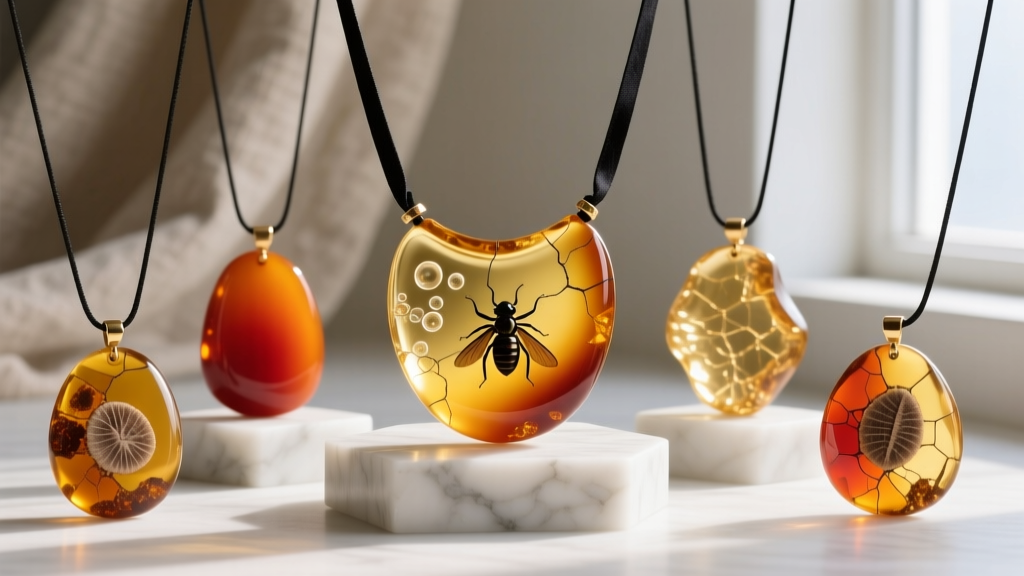
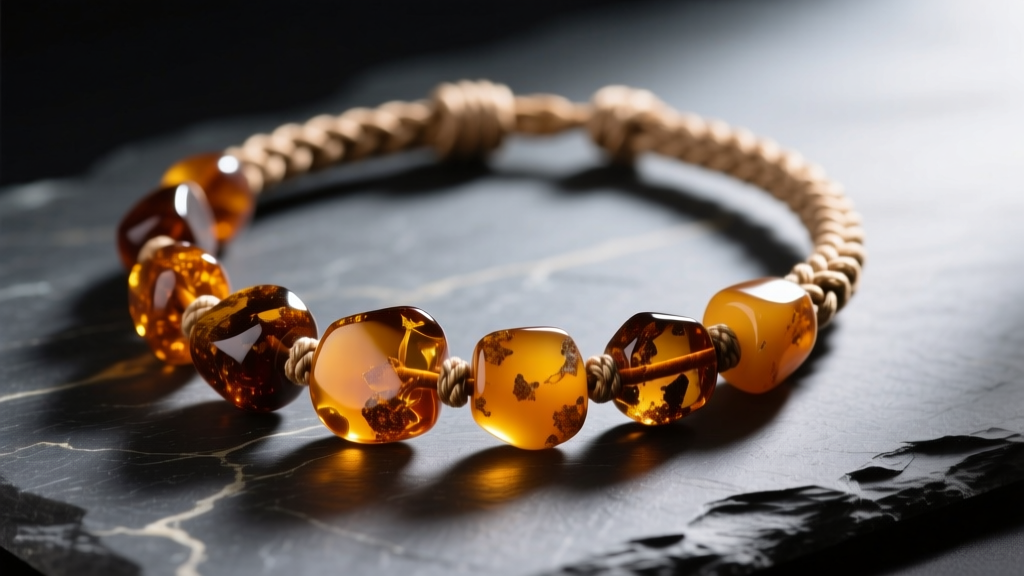
When shopping for a raw amber necklace, the line between a genuine prehistoric treasure and an overpriced piece of tree sap or plastic can be incredibly thin. Unlike faceted gemstones where value is dictated by the 4Cs, amber is an organic gemstone with a completely different set of valuation metrics. 'Raw' implies that the resin has not been tumbled, polished, or autoclaved, retaining its natural, matte exterior and prehistoric crust. However, this lack of polish also makes it notoriously difficult for the average consumer to assess true market value.
In this comprehensive budget and value assessment, we break down exactly what you should be paying for a raw amber necklace in the current market, how to identify hidden value killers, and the specific gemological tests you can perform at home to ensure your investment is authentic.
The True Cost of Raw Amber: What Are You Actually Paying For?
Unlike diamonds or sapphires, amber is fossilized tree resin. Its value is not derived from rarity in the earth's crust, but from its age, botanical origin, and the inclusions trapped within. According to the Gemological Institute of America (GIA), true amber must be at least 1 million years old, though most high-quality commercial amber is between 20 million and 50 million years old.
When you buy a raw amber necklace, you are paying for three primary factors:
- Geological Age & Origin: Baltic amber (Succinite) from the Eocene epoch is the industry standard, prized for its 3-8% succinic acid content. Dominican amber (Retinite) is younger (Miocene epoch) but highly valued for its optical clarity and rare blue fluorescence.
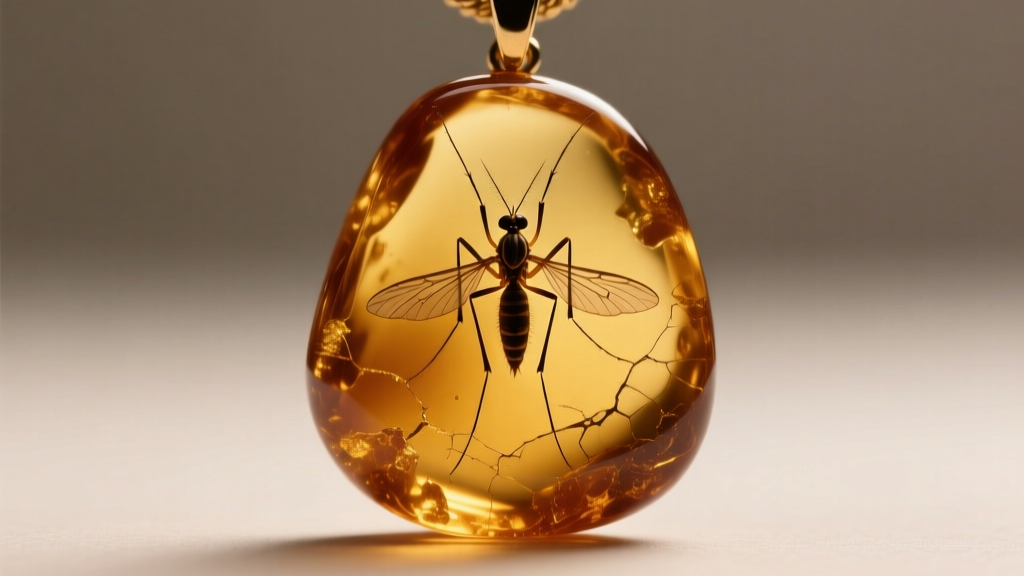
- Inclusions (Entombed Flora/Fauna):strong> A raw bead with a visible, perfectly preserved prehistoric insect or botanical matter can increase the per-gram value by 1,000% or more.
- Color Rarity: While cognac and honey are the most common (and affordable) colors, 'bone white' (bony amber), cherry red, and the elusive blue amber command massive premiums.
Pricing Tiers: Budget vs. Premium Raw Amber Necklaces
To accurately assess if a raw amber necklace is priced fairly, you must categorize it into one of the market's distinct tiers. The table below outlines the expected retail pricing based on 2026 market data for standard 18-inch necklaces (approx. 30-45 grams depending on bead size).
| Quality Tier | Characteristics | Price per Gram | Total Necklace Value (Approx.) |
|---|---|---|---|
| Commercial Grade | Opaque, heavy inclusions of bark/dirt, uneven shapes, butterscotch or dark brown. | $2.00 - $5.00 | $60 - $225 |
| Gem Grade (Clean) | Translucent raw finish, minimal surface pitting, vibrant cognac or cherry hues. | $8.00 - $15.00 | $240 - $675 |
| Collector Grade | Verifiable macro-inclusions (insects, lizards), rare colors (blue, bone white). | $30.00 - $100.00+ | $900 - $4,500+ |
Note: Be highly suspicious of 'commercial grade' raw amber necklaces selling for over $300. Conversely, 'collector grade' pieces selling for under $150 are almost certainly fake or heavily treated copal.
Copal, Glass, and Plastic: How to Avoid Overpaying for Fakes
The most common way buyers lose money on a raw amber necklace is by purchasing copal and paying amber prices. Copal is immature tree resin that is only hundreds or thousands of years old, rather than millions. It looks identical to raw amber to the untrained eye but lacks the geological stability and value of true fossilized resin.
The At-Home Authentication Toolkit
Before finalizing a high-ticket raw amber purchase, utilize these non-destructive and minimally invasive tests to verify authenticity:
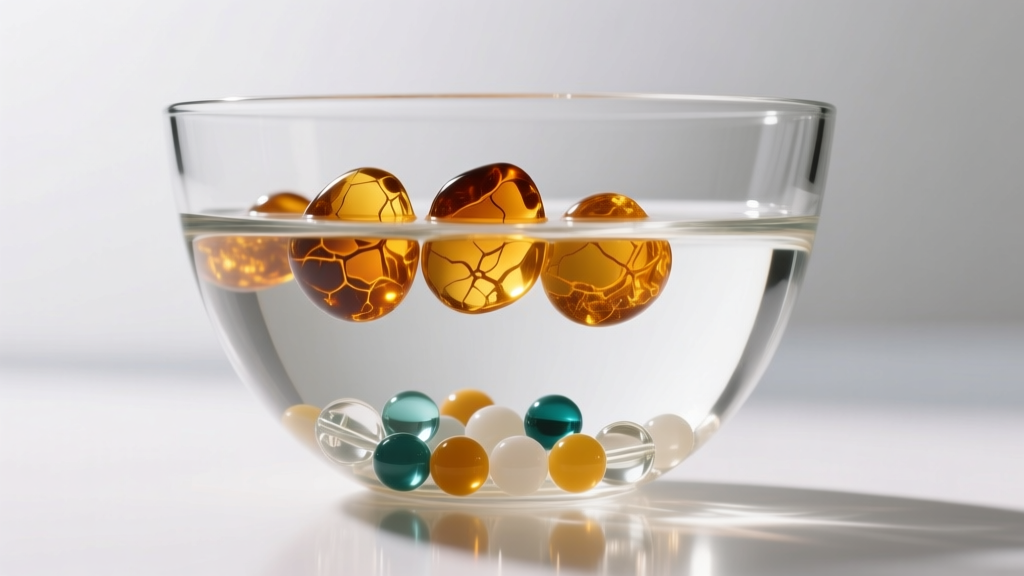
- The Saturated Saltwater Float Test: True amber has a specific gravity of 1.05 to 1.10. Mix 1 part salt to 10 parts warm water until fully dissolved. Genuine raw amber will float. Glass, phenolic resins, and most heavy plastics will sink. Caveat: Copal will also float, so this test only eliminates glass and heavy plastics.
- The Acetone (Solvent) Test: Place a single drop of nail polish remover (acetone) on an inconspicuous area of the raw bead. True amber is completely unaffected. Copal and immature resins will become tacky and sticky within seconds, leaving a fingerprint mark if touched.
- UV Fluorescence: Under a 365nm UV flashlight, genuine Baltic amber will fluoresce a pale green or yellowish-green. Dominican blue amber will glow a vivid, electric blue. Plastic imitations will generally show no fluorescence or a dull, milky white reflection.
According to the International Amber Association, heat-treated and clarified amber is common in the market, but true 'raw' amber should never have been subjected to autoclave processes, which alters its natural refractive index and destroys its raw exterior crust.
Baltic vs. Dominican: Does Origin Dictate Value?
When assessing your budget, you must decide which origin aligns with your value expectations. Baltic raw amber is typically more affordable, widely available, and comes in larger, chunkier bead sizes. It is the gold standard for therapeutic and everyday wear due to its high succinic acid content and durability.
Dominican raw amber, mined primarily from the Cordillera Septentrional, is inherently more expensive per gram. It is prized by collectors for its optical clarity even in its raw, unpolished state, and its higher likelihood of containing spectacular insect inclusions. If you are on a strict budget under $150, a high-quality Baltic raw amber necklace will offer far better value and durability than a low-grade, heavily pitted Dominican piece.
Hardware and Stringing: The Hidden Value Killers
A common mistake in budget assessment is focusing solely on the resin while ignoring the necklace's structural hardware. A $500 raw amber necklace strung on cheap, unknotted nylon wire is a poor investment. Raw amber beads have abrasive, unpolished edges; when they rub against each other without protective knots, they slowly grind away each other's surface, generating amber dust and permanently degrading the beads' mass and value over time.
What to Demand for Your Money:
- Hand-Knotted Silk or Linen: There must be a distinct knot between every single raw bead. This prevents bead-on-bead friction and ensures that if the cord snaps, you lose only one bead, not the entire strand.
- Clasp Materials: High-value raw amber should be fitted with a 925 Sterling Silver or 14k Gold clasp. If the seller is charging premium 'Gem Grade' prices but uses a base-metal magnetic clasp or a cheap plastic screw-barrel, negotiate the price down by at least 20% to account for the cost of professional re-stringing and hardware upgrades.
- Barrel vs. Pop-Up Clasps: Traditional screw-barrel clasps can strip over time and are difficult to secure with one hand. A high-quality sterling silver pop-up (push-pull) clasp adds $30-$50 to the manufacturing cost but vastly improves the necklace's longevity and daily wearability.
Final Verdict: Is a Raw Amber Necklace Worth the Investment?
From a strict financial perspective, a raw amber necklace is not a liquid asset like gold or diamonds; you will rarely resell it for more than its retail purchase price. However, from a value-for-money and aesthetic perspective, it is an exceptional investment if bought correctly.
A budget of $120 to $250 will secure a beautiful, authentic, hand-knotted Baltic raw amber necklace with natural color variations and excellent durability. If you are venturing into the $500+ range, you must demand verifiable macro-inclusions, rare color profiles (like blue or bone white), and premium sterling silver hardware. By utilizing the saltwater and acetone tests, and scrutinizing the stringing methodology, you can confidently navigate the market and ensure every dollar spent goes toward genuine, prehistoric history rather than modern synthetic imitations.


