Real Shark Tooth Necklace: Authenticity & Material Guide
Discover how to authenticate a real shark tooth necklace, compare preservation materials, and choose ethical sourcing for lasting ocean-inspired jewelry.

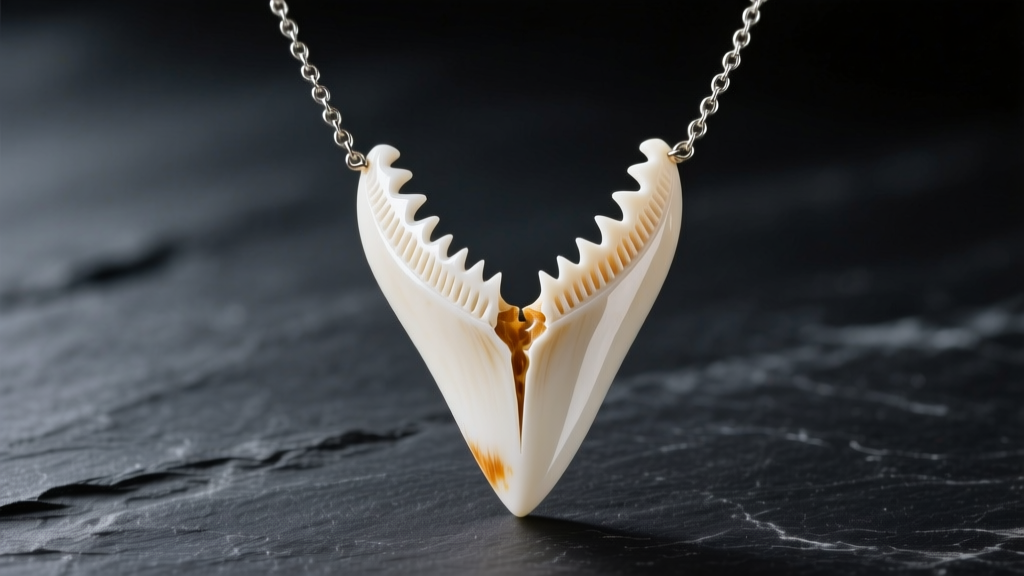
The ocean has always been a profound source of inspiration for jewelry designers and collectors alike. Among the most coveted pieces of marine-inspired adornment is the real shark tooth necklace. However, as the popularity of coastal and bohemian aesthetics has surged, the market has become saturated with resin replicas, bone carvings, and ethically questionable specimens. For the discerning collector or the everyday wearer, understanding the material properties, preservation techniques, and hardware requirements of authentic shark teeth is essential. This guide dives deep into the morphological diagnostics, stabilization chemistry, and structural metallurgy required to curate a genuine, long-lasting piece.
The Anatomy of Authenticity: Real vs. Resin Replicas
Authenticating a shark tooth requires an understanding of its biological composition. Shark teeth are primarily made of fluorapatite, a highly mineralized substance that is harder and more resistant to decay than the calcium phosphate found in mammalian bones. When evaluating a potential purchase, rely on these material diagnostics:
Thermal Conductivity and Tactile Feedback
Fluorapatite possesses distinct thermal properties. A genuine tooth will feel noticeably cool to the touch and will take longer to warm up against the skin compared to synthetic resins or carved bovine bone. Jewelers and paleontologists often use the "lip test"—touching the specimen to the highly sensitive skin of the lower lip—to detect the immediate heat-sink effect of real mineralized tissue.
The Enameloid-Root Transition Zone
Replicas often fail at the boundary where the glossy enameloid crown meets the porous root (cementum). In a real shark tooth necklace, this transition is rarely perfectly smooth. You will observe micro-pitting, natural fissures, and a distinct textural shift. According to the Florida Museum of Natural History, the root structure of species like the Great White features a deep, symmetrical V-shaped lobe that is incredibly difficult for counterfeiters to cast accurately without leaving mold lines or air bubbles.
Species Comparison: Morphology and Market Value
Not all shark teeth are created equal. The species dictates the enamel color, serration patterns, and ultimate market value. Below is a comparative breakdown of the most common species used in high-end jewelry.
| Species | Morphology & Enamel Traits | Average Jewelry Size | Market Price Range (USD) |
|---|---|---|---|
| Great White (C. carcharias) | Broad, triangular, coarse serrations, grey-to-black enamel. | 1.5" - 2.5" | $150 - $600+ |
| Tiger Shark (G. cuvier) | Slanted, distinct lateral notches, dark charcoal enamel. | 1.0" - 2.0" | $80 - $250 |
| Shortfin Mako (I. oxyrinchus) | Needle-like, smooth edges, deep blue to violet enamel. | 0.75" - 1.5" | $40 - $150 |
| Megalodon (O. megalodon - Fossil) | Massive, thick, varied colors based on mineralization. | 3.0" - 5.0"+ | $500 - $5,000+ |
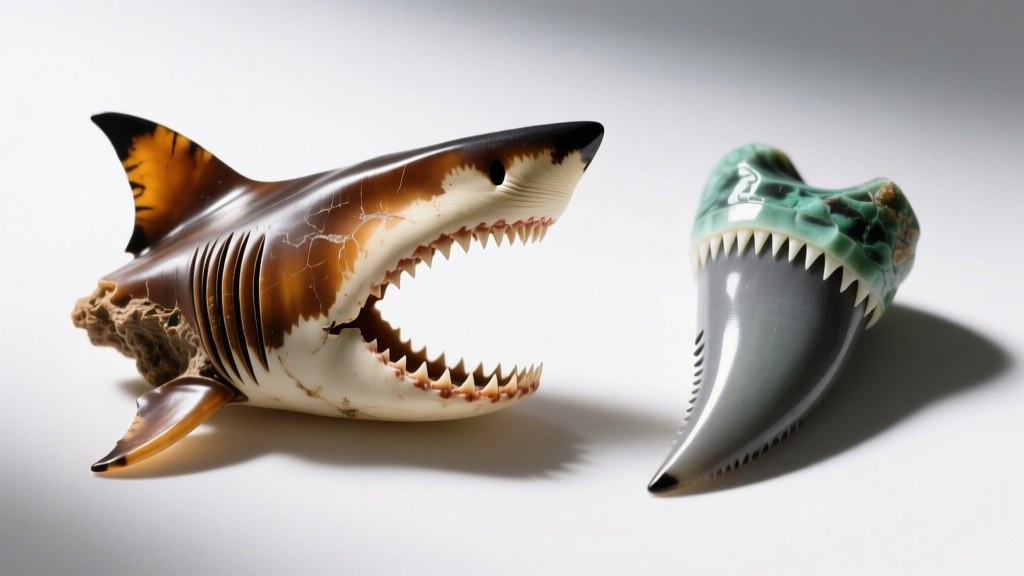
Preservation Materials: Paraloid B-72 vs. Commercial Epoxy
Modern, non-fossilized shark teeth are prone to desiccation and cracking once removed from their marine environment. To stabilize the porous root and prevent the enamel from flaking, conservationists and high-end jewelers use specific chemical consolidants. The material used for stabilization drastically affects the longevity and aesthetic of the necklace.
The Dangers of UV-Degrading Epoxies
Mass-market vendors frequently use cheap polyurethane or commercial epoxy resins to coat teeth. While this provides an immediate high-gloss finish, these materials are highly susceptible to UV degradation. Within 12 to 18 months of regular sun exposure, these epoxies will undergo "ambering"—a permanent yellowing that obscures the natural enamel color and creates a sticky, degraded surface.
The Museum Standard: Paraloid B-72
For a premium real shark tooth necklace, the stabilization material of choice is Paraloid B-72, an ethyl methacrylate copolymer dissolved in acetone. Used by the Smithsonian and NOAA-affiliated marine labs for organic artifact conservation, B-72 penetrates the micro-fissures of the root without forming a thick, artificial shell on the exterior. It remains optically clear, resists UV yellowing, and is completely reversible with acetone, ensuring the biological integrity of the specimen is maintained for future generations.
Cord and Chain Metallurgy for Heavy Pendants
A critical failure point in marine jewelry is the suspension hardware. Shark teeth are dense; a modest 2-inch Great White tooth can weigh upwards of 25 grams, while a 4-inch Megalodon fossil can exceed 80 grams. Standard jewelry chains are not engineered for this dynamic load.
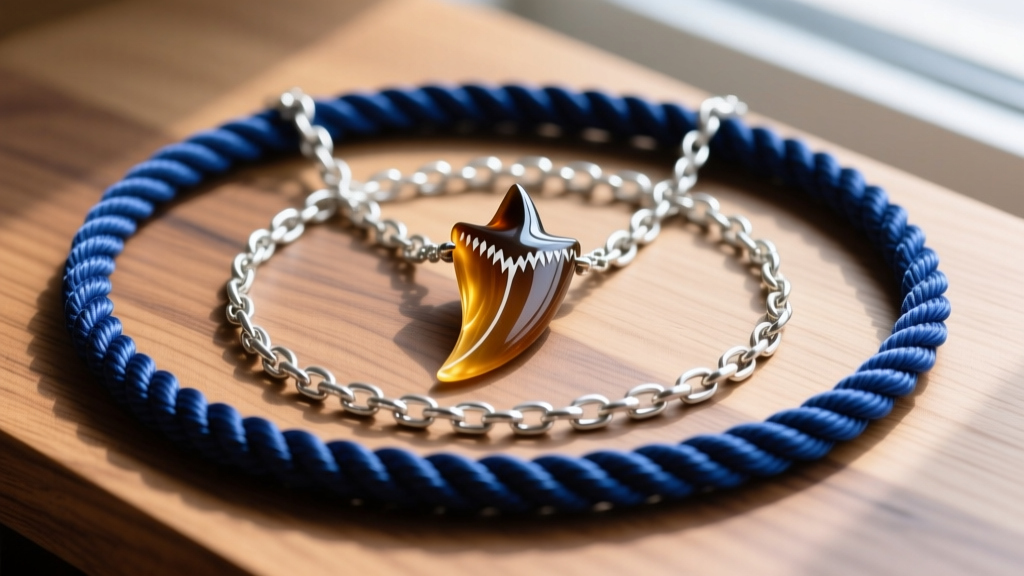
- Sterling Silver Rolo Chains (Minimum 2.5mm): Standard 1.5mm cable chains have a tensile breaking point of roughly 15 lbs (6.8 kg), but dynamic movement (like walking or running) creates kinetic stress spikes that easily snap thin links. A 2.5mm to 3.0mm solid Rolo chain provides a breaking strength exceeding 60 lbs, safely accommodating heavy pendants.
- Marine-Grade Braided Nylon (2.0mm+): For a rugged, surf-oriented aesthetic, marine-grade nylon cord is superior to leather, which rots when exposed to saltwater and sweat. Look for cords with a Kevlar core, offering a tensile strength of over 150 lbs while remaining flexible against the collarbone.
- Clasp Mechanisms: Avoid standard spring-ring clasps, which easily warp under heavy static loads. Opt for heavy-duty lobster clasps with a stainless steel internal spring, or use a continuous macramé sliding knot for corded necklaces to eliminate metal failure points entirely.
Ethical Sourcing and CITES Regulations
The acquisition of marine jewelry carries profound ecological responsibilities. Many shark species are currently facing severe population declines due to overfishing and bycatch. When purchasing a real shark tooth necklace, you must navigate international conservation laws.
The Convention on International Trade in Endangered Species (CITES) regulates the global trade of specific shark species. For instance, the Great White Shark (Carcharodon carcharias) is listed on CITES Appendix II, meaning international commercial trade requires strict permitting to prove the specimen was legally sourced, typically as verified bycatch rather than targeted hunting. Conversely, fossilized teeth (like the Megalodon) are exempt from CITES regulations as they are archaeological specimens, making them a highly ethical and sustainable choice for collectors who want the aesthetic of a massive apex predator without contributing to modern marine depletion.
Conclusion
Investing in a real shark tooth necklace is about more than just acquiring a striking piece of jewelry; it is about appreciating marine biology, material science, and ethical craftsmanship. By scrutinizing the enamel-to-root transition, demanding museum-grade Paraloid B-72 stabilization, and pairing heavy specimens with high-tensile hardware, you ensure your pendant remains a pristine, wearable artifact of the ocean for decades to come. Always demand transparent sourcing documentation to protect both your investment and the fragile marine ecosystems these magnificent creatures call home.


