Expert Care & Cleaning Guide for a Regular Necklace Length
Learn expert cleaning, maintenance, and storage tips to protect your regular necklace length from tarnish, tangles, and daily wear damage.

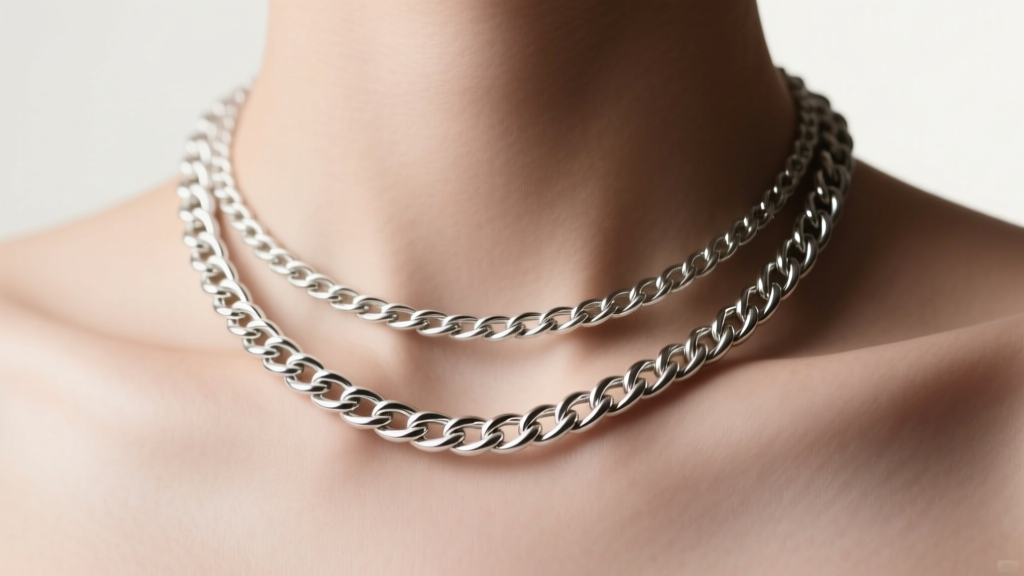
When jewelers and stylists refer to a regular necklace length, they are almost exclusively talking about the 18-inch (45 cm) standard, widely known in the industry as the 'princess' length. It is the most universally flattering and commonly purchased chain size, designed to sit perfectly at the hollow of the throat or just resting on the collarbone. However, its immense popularity often leads to complacency regarding its upkeep. Because of its specific anatomical placement, an 18-inch chain is subjected to a unique set of environmental stressors that longer or shorter chains avoid.
Maintaining a regular necklace length requires more than a quick wipe with a cloth. It demands a strategic approach to cleaning, clasp maintenance, and storage. In this comprehensive guide, we break down the exact protocols required to keep your standard-length necklaces looking pristine, structurally sound, and free from the inevitable tangles that plague everyday jewelry.
The Anatomy of Wear: Why 18-Inch Necklaces Degrade Faster
To understand how to clean your jewelry, you must first understand how it gets dirty. The regular necklace length sits precisely in what dermatologists and jewelers call the 'pulse point and friction zone.' This area is subject to three primary degrading factors:
- Sebum and Sweat Accumulation: The base of the neck contains a high density of sebaceous glands. The 18-inch drop rests directly in the hollow of the neck, trapping natural body oils, sweat, and dead skin cells within the chain links.
- Chemical Exposure: This length sits exactly where most people apply perfume, body mist, and skincare products. The alcohol and synthetic oils in fragrances can strip the rhodium plating from white gold and accelerate the oxidation of sterling silver.
- Collar Friction: Unlike a 14-inch choker that sits above the collar, or a 24-inch opera chain that hangs freely, the 18-inch chain constantly rubs against the seams of shirts, blouses, and outerwear, causing microscopic abrasions on the metal.
According to the Gemological Institute of America (GIA), the combination of cosmetic chemicals and body oils creates a filmy residue that not only dulls the metal but can also weaken the structural integrity of delicate chain weaves over time.
Material-Specific Cleaning Protocols for Standard Chains
Because the regular necklace length is exposed to heavy biological and chemical contact, your cleaning cadence must be adjusted based on the metal type. Here are the professional-grade cleaning protocols for the most common materials used in 18-inch chains.
Sterling Silver (925) & Oxidation Management
Sterling silver contains 7.5% copper, which reacts with sulfur and moisture in the air—and in your sweat—to form silver sulfide (tarnish). For an 18-inch silver chain worn daily, you should perform a light cleaning weekly.
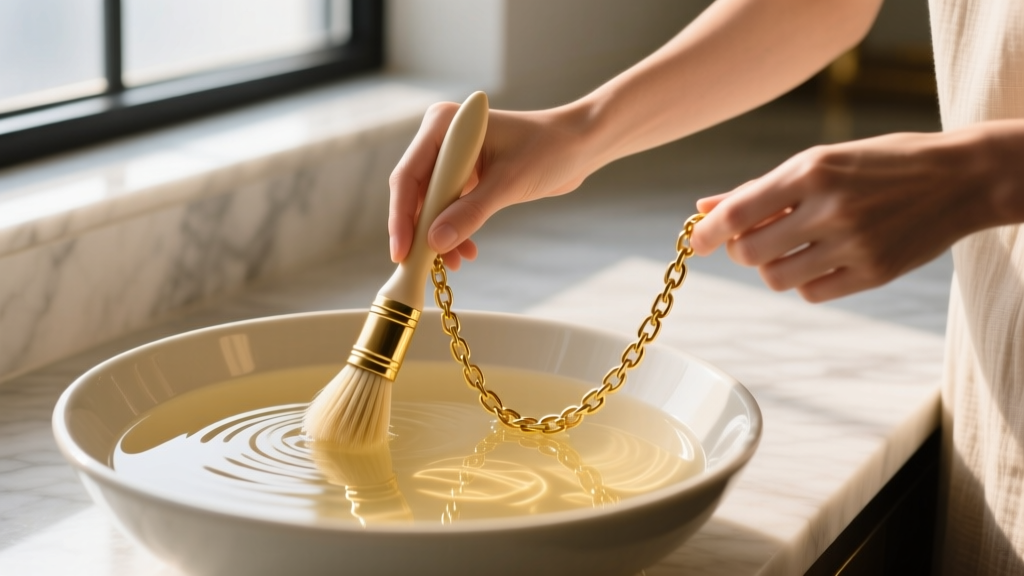
- The Solution: Mix a few drops of phosphate-free dish soap (like Dawn) into a bowl of lukewarm water.
- The Technique: Submerge the chain for 3 minutes. Use a baby toothbrush with ultra-soft bristles to gently agitate the links, paying special attention to the clasp area where grime accumulates.
- Drying: Pat dry with a lint-free microfiber cloth. Never air-dry silver, as water spots will accelerate localized tarnishing.
14k/18k Gold & Gold Vermeil
Solid gold does not tarnish, but it easily becomes coated in the sebum and lotion trapped at the collarbone. Gold vermeil (a thick layer of gold over sterling silver) requires a gentler touch to prevent wearing through the gold layer to the reactive silver core.
- The Solution: Warm water with a single drop of mild, non-detergent soap.
- The Technique: Swish the chain gently. Avoid any brushing on vermeil; use only your fingertips to massage the soapy water through the links.
- Warning: Never use ammonia-based cleaners or toothpaste on gold or vermeil, as the abrasives will cause micro-scratches that trap more dirt in the future.
Platinum & Palladium
These dense, hypoallergenic metals are highly resistant to chemical degradation from sweat and perfume. However, they can develop a 'patina'—a soft, frosted look caused by microscopic scratches from collar friction.
- The Solution: Commercial jewelry cleaning solutions specifically formulated for platinum, or a simple soak in warm, soapy water.
- Restoration: To remove the patina and restore the high-polish mirror finish, platinum requires professional buffing with rouge compound once a year.
Cleaning Solutions vs. Metal Types: A Quick Reference
| Metal Type | Tarnish Rate | Safe Cleaning Agent | Strictly Avoid |
|---|---|---|---|
| Sterling Silver (925) | High | Mild dish soap, Silver dip (sparingly) | Bleach, hard-bristle brushes |
| 14k / 18k Yellow Gold | None | Warm soapy water, Ammonia (diluted) | Abrasives, toothpaste |
| Gold Vermeil | Moderate (if worn) | Mild soap, fingertips only | Ultrasonic cleaners, polishing cloths |
| Platinum | None | Commercial platinum cleaners, soapy water | Chlorine bleach |
Ultrasonic and Steam Cleaning: Proceed with Caution
Many jewelry enthusiasts invest in at-home ultrasonic cleaners, which use high-frequency sound waves (typically 40-45 kHz) to create microscopic cavitation bubbles that blast dirt out of chain links. While an ultrasonic cleaner is miraculous for a plain 18-inch gold cable chain, it can be catastrophic if your regular necklace length features a pendant.
'Never place organic or porous gemstones—such as opals, emeralds, turquoise, or pearls—into an ultrasonic cleaner. The high-frequency vibrations can cause internal fractures, craze the surface, or completely shatter the stone,' warns the GIA's gem care guidelines.
If your 18-inch chain has a pendant featuring these stones, you must detach the pendant before ultrasonic cleaning, or stick to manual soaking and brushing. Steam cleaners, which use high-pressure jets of hot steam, are excellent for blowing sebum out of diamond settings but should never be used on heat-sensitive stones like tanzanite or fracture-filled diamonds.
Tangle Prevention and Clasp Maintenance
The 18-inch length is notorious for tangling. Because it is long enough to fold over on itself but short enough to maintain tension, a discarded regular necklace length will almost inevitably knot itself if left on a nightstand. Furthermore, the tension curve of an 18-inch chain places specific lateral stress on the clasp.
Caring for the Clasp
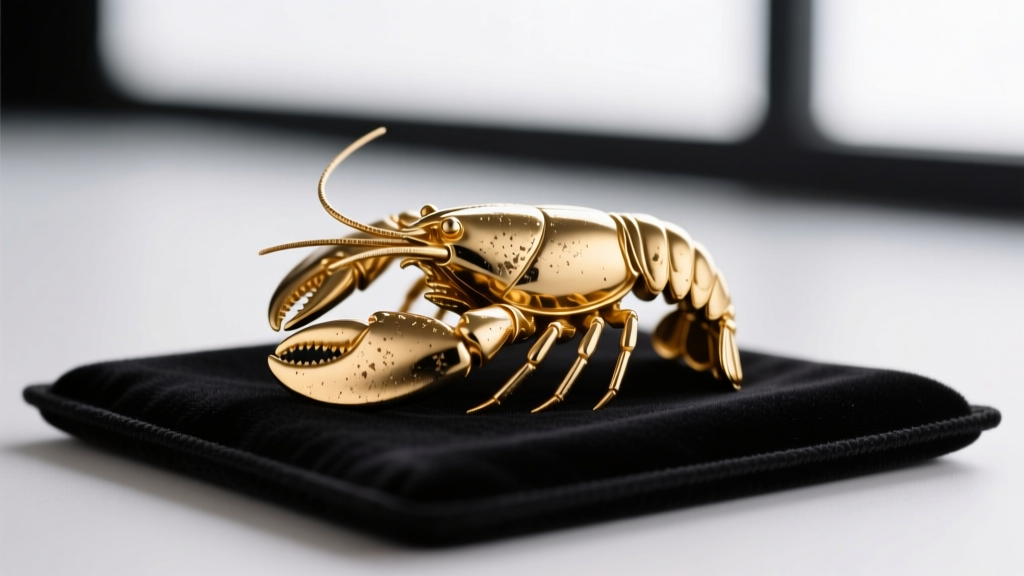
Most 18-inch chains utilize a lobster clasp or a spring ring. Over time, the tiny internal spring can become clogged with lotion or skin cells, causing the lever to stick or fail to close completely.
- Lubrication: If your clasp feels stiff, do not use WD-40 or household oils. Instead, use a drop of synthetic watchmaker's oil applied with a needle, or simply soak the clasp in warm soapy water and work the lever back and forth to dislodge debris.
- Inspection: Check the jump ring connecting the clasp to the chain. The 18-inch length creates a pulling force that can slowly pry an open jump ring apart. Ensure the jump ring is soldered closed, or use chain-nose pliers to ensure the gap is completely flush.
The Straw Threading Trick for Storage
To prevent the dreaded chain knot, utilize the 'straw method' for storage. Thread one end of your 18-inch necklace through a standard plastic drinking straw and close the clasp around the other end. The rigid straw prevents the chain from folding in on itself, guaranteeing a tangle-free experience the next time you wear it.
Proper Storage Techniques to Preserve the Drape
How you store your regular necklace length is just as critical as how you clean it. The Federal Trade Commission (FTC) Jewelry Guides emphasize proper care to maintain the integrity and value of precious metals.
- Hanging vs. Flat: For 18-inch chains, hanging storage on a multi-tier jewelry stand is superior to flat storage in a drawer. Gravity helps maintain the natural drape of the metal links and prevents kinking, which is particularly important for delicate weaves like box chains or serpentine chains that can permanently bend if crushed.
- Anti-Tarnish Environments: If you must store your necklaces in a drawer or jewelry box, line the compartment with Pacific cloth or anti-tarnish treated flannel. These fabrics are impregnated with silver sulfide-absorbing particles that neutralize the sulfur in the air before it can reach your sterling silver.
- Isolation: Never store multiple 18-inch chains in the same pouch. The friction between different metal hardnesses (e.g., a platinum chain rubbing against a gold chain) will result in severe scratching.
Conclusion
Your 18-inch standard chain is a workhorse in your jewelry collection, bridging the gap between casual daywear and elegant evening layering. By acknowledging the unique environmental hazards of the collarbone zone and adopting material-specific cleaning routines, you can ensure your jewelry remains brilliant. Regular maintenance of the clasp, mindful storage to prevent tangling, and avoiding harsh chemical exposures will guarantee that your favorite pieces endure a lifetime of daily wear.


