How to Get Rust Off a Necklace & Buy Rust-Proof Chains
Learn how to get rust off a necklace using safe DIY methods, plus expert tips on buying rust-proof, sweat-resistant chains that last.

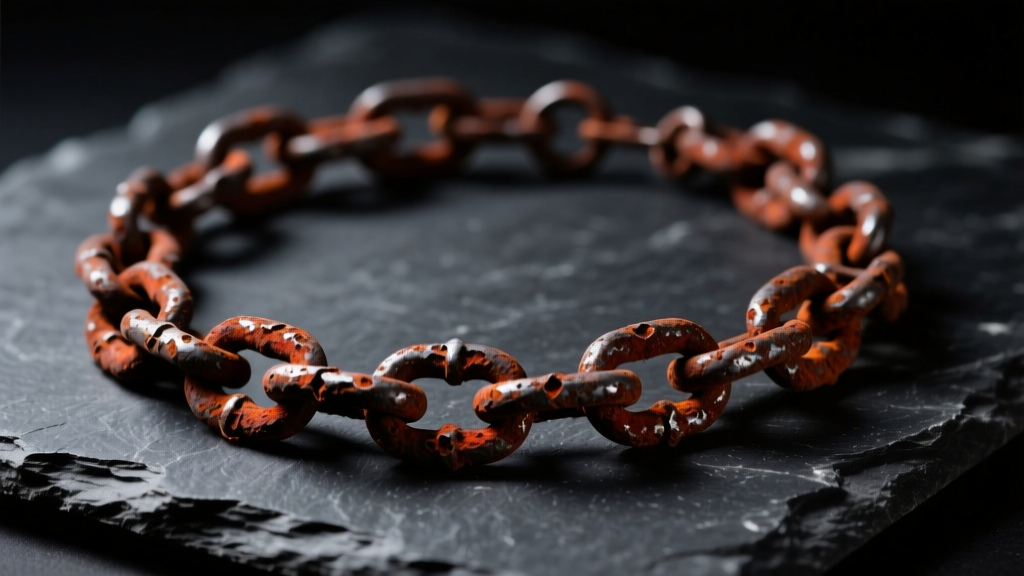
Few things are more disappointing than reaching into your jewelry box and pulling out a favorite chain, only to find it stiff, discolored, and flaking. When learning how to get rust off a necklace, the first step is actually understanding what you are looking at. True rust and common jewelry tarnish are entirely different chemical reactions, and treating them the wrong way can permanently ruin your piece. More importantly, if your necklace is genuinely rusting, it is a glaring red flag about the material quality. This comprehensive guide will walk you through safe, effective restoration techniques for ferrous metals, and then pivot into a critical buyer’s guide on how to shop for sweat-proof, rust-proof necklaces that will never degrade on your skin.
The Hard Truth: Does Your Necklace Actually Have Rust?
Before you mix up a cleaning paste, we need to clarify a massive misconception in the jewelry world. Rust is specifically iron oxide (Fe2O3). It only occurs on metals that contain iron, such as carbon steel, cheap base-metal alloys, or low-grade stainless steel. Rust is reddish-brown, flaky, and structurally destructive—it literally eats the metal from the inside out.
On the other hand, tarnish is a surface-level reaction. Sterling silver reacts with sulfur in the air to form silver sulfide (a black coating). Brass and copper react with oxygen and moisture to form a green or brown patina. According to the Jewelers of America, distinguishing between structural rust and surface tarnish is the most critical step in jewelry conservation. If your silver or gold-plated necklace has turned black or green, it is tarnishing or the plating is wearing off to reveal the brass underneath. If your chain is stiff, leaving orange dust on your fingers, and snapping at the links, it is genuinely rusting. The cleaning methods below are specifically formulated for actual iron-based rust, though they can lightly polish surface tarnish on durable base metals.
How to Get Rust Off a Necklace: Step-by-Step Restoration
If you have confirmed that your chain is made of a ferrous metal and is suffering from iron oxide buildup, you need a mild acid to break down the rust without dissolving the remaining healthy metal. Avoid harsh commercial rust removers, as they are designed for automotive parts and will destroy jewelry findings and gemstone settings.
The White Vinegar Soak Method
White vinegar contains acetic acid, which is strong enough to dissolve rust but gentle enough for short-term jewelry exposure. This method is best for solid chains without porous gemstones (never use vinegar on pearls, opals, turquoise, or emeralds).
- Step 1: Submerge the rusted necklace in a glass bowl of undiluted white vinegar. Ensure the chain is fully covered.
- Step 2: Let it soak for 15 to 30 minutes. Do not exceed 2 hours, as prolonged acid exposure can pit the underlying steel.
- Step 3: Remove the chain and use a soft-bristled baby toothbrush to gently scrub the links. Pay special attention to the jump rings and clasp mechanisms where moisture gets trapped.
- Step 4: Rinse thoroughly with distilled water (tap water contains minerals that can trigger new rust) and dry immediately with a microfiber cloth.
The Baking Soda Paste for Stubborn Corrosion
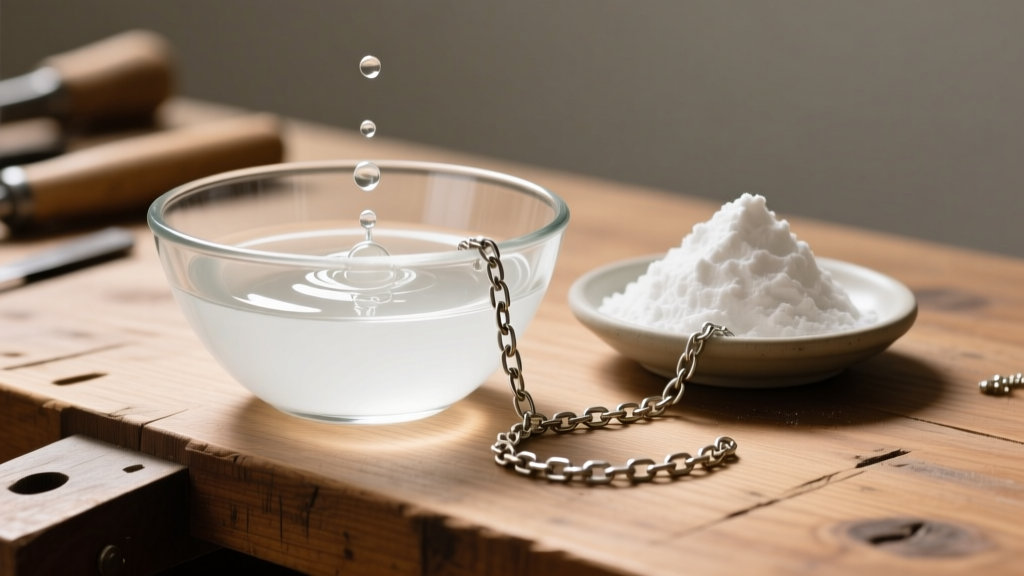
For thick, localized rust spots on heavier gauge chains (like 4mm to 6mm Cuban links), a paste provides the necessary abrasion. Mix three parts baking soda with one part water to create a thick, toothpaste-like consistency. Apply it directly to the rusted links using a cotton swab. Let it sit for 10 minutes, then scrub with a soft brush. The mild alkalinity of the baking soda neutralizes the acidic environment that causes rust, while the micro-abrasives physically lift the iron oxide flakes. Once clean, you must seal the metal. Rub a microscopic layer of mineral oil or specialized jewelry wax over the chain to create a moisture barrier.
The Buyer’s Guide: Choosing Rust-Proof Necklace Materials
Knowing how to get rust off a necklace is a useful salvage skill, but as a smart consumer, your goal should be to never buy a necklace that can rust in the first place. The jewelry market is flooded with misleading terms like "nickel silver" (which contains zero silver and will corrode rapidly) and "Tibetan silver" (a zinc-heavy alloy that degrades and can cause contact dermatitis). When shopping for everyday chains that can withstand sweat, humidity, and showering, you must look at the metallurgical composition.
| Material | Corrosion Type | Sweat/Water Resistance | Average Price Range |
|---|---|---|---|
| 316L Stainless Steel | None (Highly resistant) | Excellent (Shower/Swim safe) | $25 - $85 |
| Solid 14k / 18k Gold | None (Will not rust) | Excellent | $250 - $1,500+ |
| PVD-Coated Brass | Brass tarnishes if PVD chips | Good (Lasts 2-5 years) | $40 - $120 |
| Sterling Silver (925) | Tarnish (Silver Sulfide) | Poor (Reacts to sulfur/sweat) | $50 - $200 |
| Zinc Alloy / Base Metal | Rust & Severe Corrosion | Terrible (Degrades in months) | $5 - $20 |
What to Look For When Buying a Sweat-Proof Chain
If you are buying on a budget but want a chain that mimics the look of gold without the risk of rust or rapid fading, you need to understand modern coating technologies and steel grades.
Demand 316L Surgical Stainless Steel
Not all stainless steel is created equal. The "stainless" in standard 304 stainless steel relies on a thin layer of chromium oxide. When exposed to the chlorides in human sweat or swimming pools, that layer breaks down, leading to pitting and rust. 316L stainless steel, however, contains 2% to 3% molybdenum. As noted by metallurgical standards outlined by the Assay Office and international metal grading systems, molybdenum drastically increases resistance to chloride corrosion. Always check the product description for "316L" or "Surgical Steel." If it just says "stainless steel," assume it is 304 and will eventually rust against your skin.
Understand PVD vs. Electroplating
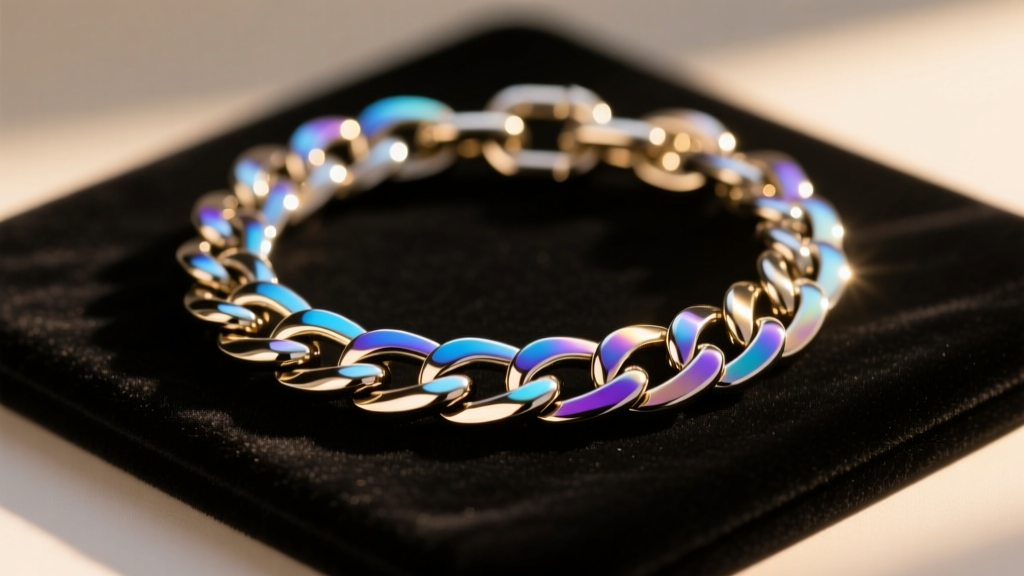
If you are buying a gold-toned necklace, the coating method dictates its lifespan. Traditional electroplating (often called "flash plating") dips the base metal into a chemical bath, leaving a microscopic layer of gold (usually 0.1 to 0.3 microns thick). This wears off in weeks, exposing the rust-prone metal beneath. PVD (Physical Vapor Deposition) is a vacuum-chamber process where titanium nitride or real gold is vaporized and molecularly bonded to the 316L steel base. PVD coatings are up to 10 times thicker and more durable than electroplating. A high-quality PVD-coated 316L chain will survive daily showers and heavy workouts for 3 to 5 years without rusting, fading, or turning your neck green.
Maintenance Red Flags: When to Toss vs. Restore
While learning how to get rust off a necklace can save a sentimental piece, there are structural limits to restoration. Rust compromises the tensile strength of the metal. If your chain features delicate 18-gauge or 20-gauge links that have developed visible rust, the metal has likely thinned by 20% to 30%. Attempting to scrub the rust off will often result in the links snapping.
Furthermore, pay attention to the clasp. The spring ring or lobster claw mechanism contains a tiny internal steel spring. If that internal spring rusts, the clasp will fail, and you will lose your necklace. If your cleaning efforts reveal deep, black pitting under the orange rust flakes, the structural integrity is gone. At this point, it is time to retire the chain and use your newfound metallurgical knowledge to invest in a solid 14k gold or 316L stainless steel replacement that will stand the test of time.
Expert Takeaway: True rust is a sign of metallurgical failure in jewelry. Use the vinegar and baking soda methods to salvage heirloom steel pieces, but for your daily-wear wardrobe, strictly limit your purchases to 316L stainless steel, PVD-coated metals, or solid precious alloys to ensure your chains remain pristine for decades.


