Troubleshooting and Fixing a Disney Children's Necklace
Learn how to troubleshoot, repair, and safely clean a Disney children's necklace. Expert tips on fixing clasps, chains, and enamel character pendants.

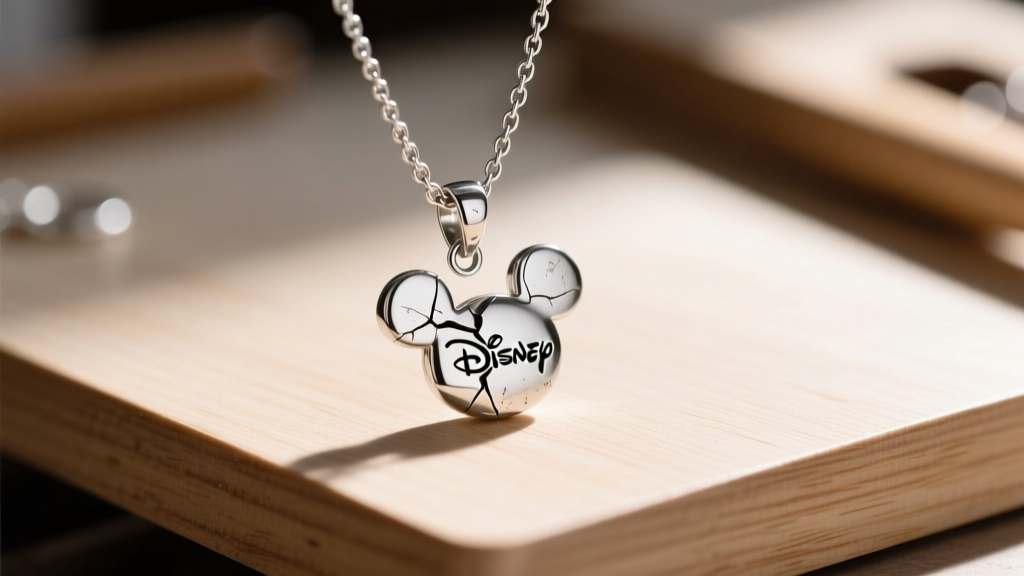
The Most Common Failure Points in Kids' Character Jewelry
A beloved Disney children's necklace often carries immense sentimental value, whether it features a classic Mickey Mouse silhouette, a Frozen-inspired snowflake, or a delicate Cinderella carriage. However, the combination of active play, exposure to sweat, and the delicate nature of novelty jewelry frequently leads to breakage. As of 2026, while manufacturing standards for children's accessories have improved, the physical mechanics of small-scale chains and charm connectors remain vulnerable. Understanding the exact anatomy of these failure points is the first step toward successful troubleshooting and repair.
The Jump Ring Weakness
The single most frequent point of failure on any Disney children's necklace is the jump ring—the small circular wire loop that connects the character pendant to the chain. Manufacturers of licensed novelty jewelry often use 22-gauge or 24-gauge base metal jump rings to cut costs. These thin rings easily pull apart when a child tugs on the pendant or when the necklace catches on clothing. Furthermore, if the jump ring was originally opened by pulling the ends apart horizontally (rather than twisting them laterally), the metal suffers from structural fatigue, making it prone to snapping under minimal tension.
Clasp Fatigue and Spring Ring Malfunctions
Most entry-level character necklaces utilize a 5mm or 6mm spring ring clasp. Inside this clasp is a tiny internal spring that degrades over time, especially when exposed to the oils and acids found in human sweat. When the spring fails, the clasp either won't open or refuses to snap shut securely. Upgrading to a 9mm lobster clasp made from surgical stainless steel or 925 sterling silver not only solves the mechanical failure but also makes it easier for small fingers to operate independently.
Step-by-Step Repair Guide for Disney Pendants
Before attempting any repairs, verify that the necklace is not a high-value vintage collectible. For standard, modern children's jewelry, at-home repairs are highly effective when using the correct jeweler's tools. Avoid using standard household pliers, as their serrated teeth will permanently mar the soft metals typically used in character pendants.
- Essential Tools: Nylon-jaw pliers (to prevent scratching), flush cutters, a jeweler's loupe (10x magnification), and a set of 20-gauge stainless steel or sterling silver jump rings.
- Adhesives (for enamel): Devcon 5-Minute Clear Epoxy or a UV-curing jewelry resin.
- Polishing: A treated silver polishing cloth (never use liquid dips on painted jewelry).
Reattaching a Detached Character Charm
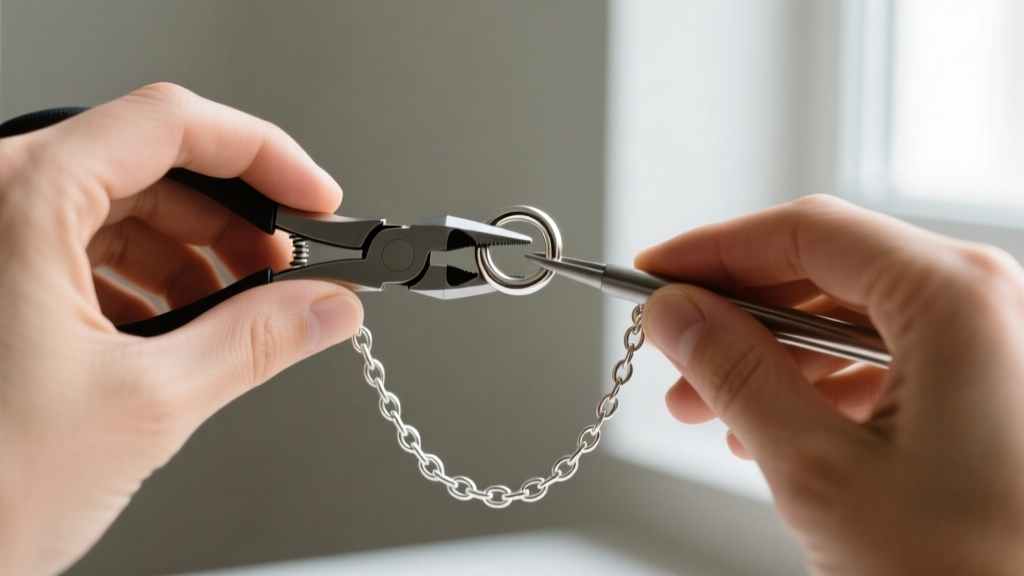
If the charm has separated from the chain, discard the original bent jump ring. Select a new 20-gauge jump ring (typically 4mm or 5mm in diameter, depending on the pendant's bail). Thread the jump ring through the chain end and the charm bail. Using two pairs of flat-nose or nylon-jaw pliers, grip the jump ring on either side of the split. Twist one hand forward and the other backward to open the ring laterally. Never pull the ends outward, as this weakens the metal's temper. Once aligned, twist it back until the ends click together flush. Run your fingernail over the seam; if it catches, the ring is not fully closed and could catch on a child's hair or clothing.
Restoring Chipped Enamel on Character Motifs
Many Disney pendants feature cold enamel (epoxy resin) painted into recessed metal cavities to create vibrant colors, like Ariel's teal tail or Belle's yellow dress. When this enamel chips, it leaves sharp metal edges and ruins the aesthetic. To repair this, clean the chipped area with isopropyl alcohol. Mix a tiny amount of 5-minute clear epoxy and tint it using a microscopic pinch of mica powder that matches the original color. Using a toothpick, carefully drop the tinted epoxy into the cavity. Let it cure for 24 hours, then gently buff the surface with a microfiber cloth to blend the repair.
Safety Compliance: What Parents Must Verify in 2026
When repairing or modifying a Disney children's necklace, you must ensure that any replacement parts comply with modern safety standards. The U.S. Consumer Product Safety Commission (CPSC) strictly regulates heavy metals in children's accessories. Furthermore, the ASTM F2923-20 Standard Specification for Consumer Product Safety for Children’s Jewelry mandates strict limits on lead, cadmium, and nickel release rates.
| Material Grade | Common Use in Disney Jewelry | Durability | Safety & Allergy Profile |
|---|---|---|---|
| Zinc Alloy (Zamak) | Mass-market character pendants | Low (brittle, prone to snapping) | Generally safe if sealed, but can cause contact dermatitis if plating wears off. |
| Brass with Gold Plating | Premium park-exclusive necklaces | Medium (tarnishes, plating flakes) | Contains copper/zinc. Can cause 'green skin' reactions when exposed to sweat. |
| 925 Sterling Silver | High-end boutique children's chains | High (can be polished indefinitely) | Hypoallergenic, but ensure it is nickel-free and rhodium-plated for best results. |
| 316L Surgical Steel | Replacement chains and clasps | Very High (rust and tarnish resistant) | Excellent for sensitive skin; contains trace nickel but is highly biocompatible. |
When buying replacement chains or clasps, always opt for 316L surgical steel or verified nickel-free 925 sterling silver to prevent contact dermatitis, which is a common complaint among children wearing base-metal novelty jewelry.
Proper Cleaning Techniques to Preserve Painted Details
A frequent mistake parents make is tossing a tarnished Disney children's necklace into an ultrasonic cleaner or using harsh chemical silver dips. Ultrasonic vibrations will instantly shatter cold enamel and strip printed lithographic details from the metal surface. Chemical dips will oxidize the painted areas, turning vibrant reds and blues into muddy browns.
Expert Troubleshooting Tip: If a sterling silver Disney chain has turned black, but the pendant features painted enamel, remove the pendant entirely before using any silver polishing agents. Clean the chain separately, and wash the pendant only with warm water and a drop of mild dish soap using a baby toothbrush.
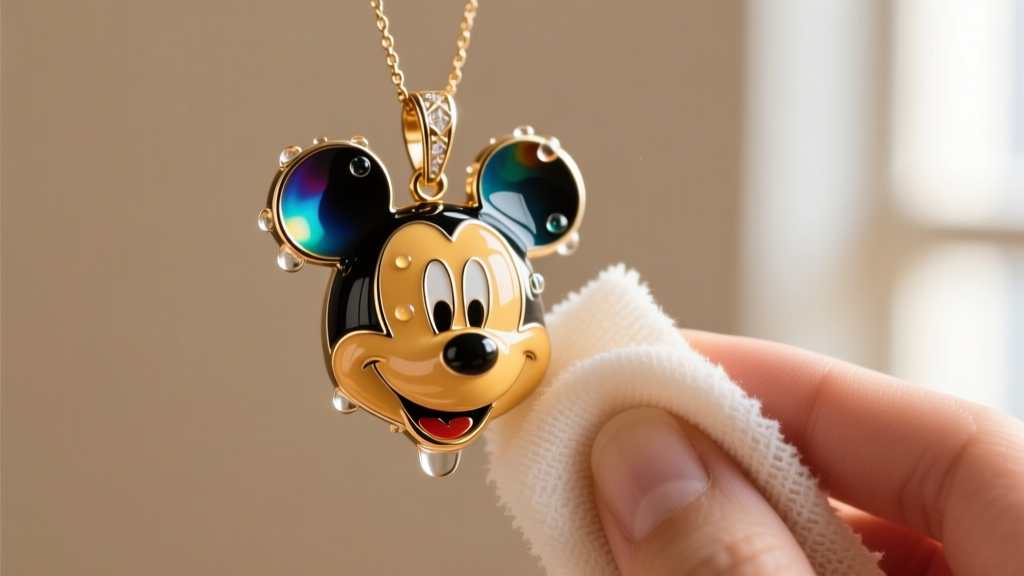
To remove the 'green skin' effect caused by copper oxidation in brass chains, wipe the chain down with rubbing alcohol after every wear to remove sweat and oils. For a semi-permanent barrier, some jewelers recommend coating the back of base-metal pendants with a thin layer of clear, flexible jewelry sealant or even clear nail polish, though this must be reapplied every few months as it wears away against the skin.
When to Replace Instead of Repair
While jump rings, clasps, and chains are easily swapped out, structural failures in the pendant itself often signal the end of the necklace's lifespan. If a zinc alloy (Zamak) pendant has cracked through the bail (the loop the chain goes through), it cannot be safely soldered. Zinc alloy has a low melting point and will melt or shatter under a jeweler's torch. In these cases, the safest troubleshooting step is to retire the necklace. You can preserve the sentimental value by having a jeweler mount the broken character charm into a clear resin keychain or a shadowbox frame, keeping the Disney magic alive without the choking or laceration hazards of a compromised chain.


