Gold Dragon Necklace Repair: Fix Tarnish, Clasps & Wear
Is your gold dragon necklace tarnishing or breaking? Learn expert troubleshooting for chain tangles, clasp failures, and intricate scale detailing.

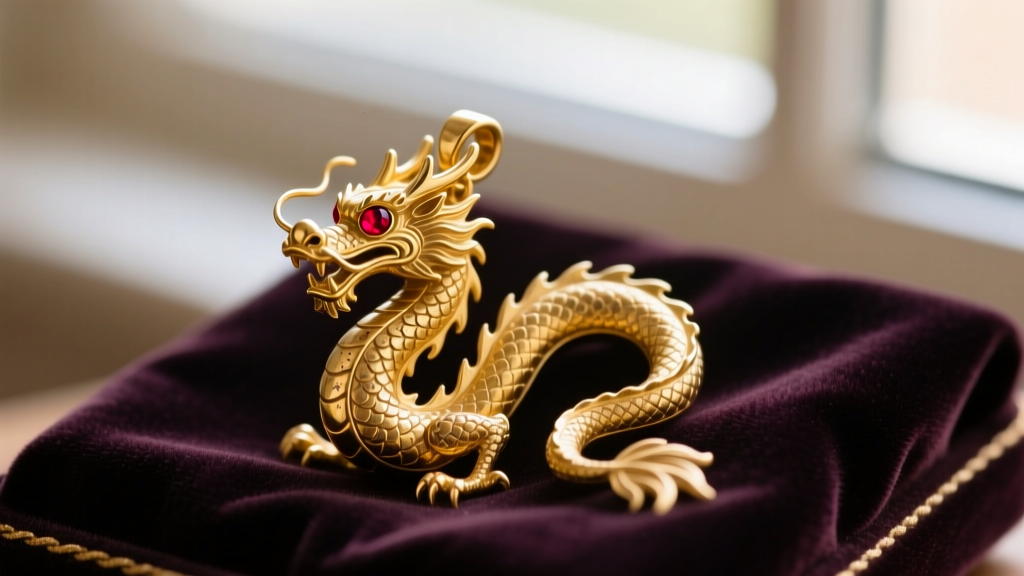
A gold dragon necklace is more than just a piece of jewelry; it is a heavy, intricate statement piece that often carries deep symbolic meaning, ranging from Eastern zodiac representations to Western fantasy motifs. However, the very features that make these pendants stunning—deeply carved scales, protruding spikes, and substantial metal weight—also make them highly susceptible to specific mechanical and chemical failures. Unlike a simple gold solitaire pendant, a dragon necklace requires specialized maintenance. In this comprehensive 2026 troubleshooting guide, we will dissect the most common issues plaguing gold dragon necklaces and provide actionable, expert-level solutions to restore and protect your investment.
The Physics of Heavy Pendants: Where Failures Occur
The primary enemy of any substantial gold pendant is gravity combined with kinetic movement. A solid 14k or 18k gold dragon pendant typically weighs between 15 and 35 grams. When suspended from a standard chain, this concentrated mass creates immense friction at three critical stress points: the bail (the loop connecting the pendant to the chain), the jump ring, and the clasp. Over time, the daily micro-movements of walking and turning act like a slow-motion saw against the gold. According to the Jewelers of America, heavy pendants can wear through a standard soldered jump ring in as little as 18 months if the metal is soft (like 22k or high-karat 18k gold) and the chain is thick.
Upgrading the Bail and Jump Ring
If you notice the hole of your bail becoming oval-shaped or the jump ring gaping open, immediate intervention is required. Do not simply squeeze the jump ring shut with pliers; this work-hardens the metal and leads to snapping. Instead, take the piece to a jeweler to have the jump ring laser-welded shut. For a permanent fix, ask your jeweler to install a platinum or white gold sleeve inside the gold bail. Platinum is vastly more resistant to friction wear, and this invisible internal reinforcement will stop the chain from sawing through your gold dragon pendant.
Troubleshooting Tarnish and Discoloration on Intricate Scales
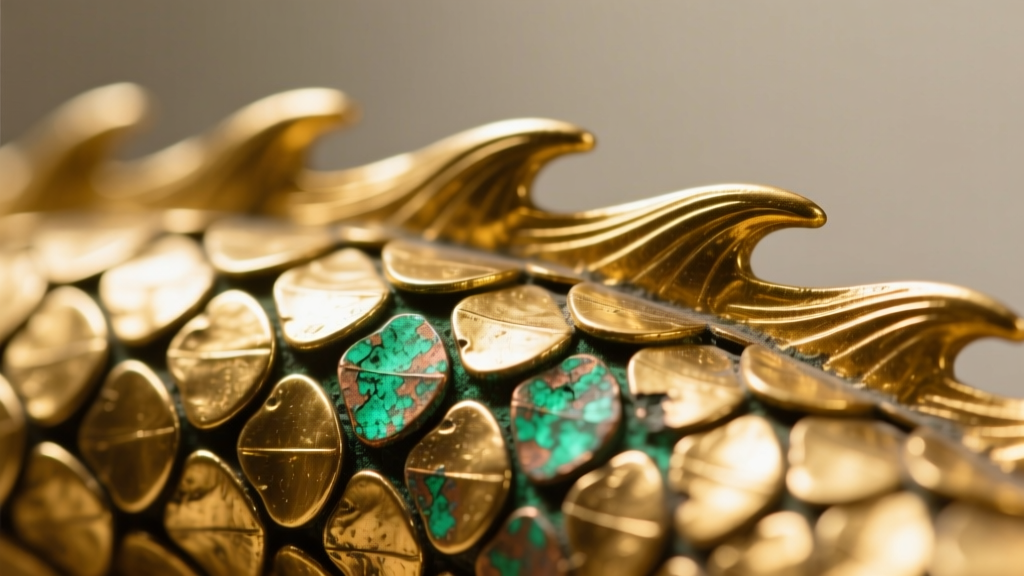
Pure gold does not tarnish, but the alloys mixed with it to create 14k (58.5% gold) and 18k (75% gold) jewelry certainly do. The copper and silver used in yellow and rose gold alloys react with sulfur in the environment, as well as the natural acids and salts in your sweat, to form dark copper sulfide and silver sulfide. On a gold dragon necklace, this tarnish aggressively hides in the deep crevices between the scales, under the wings, and around the horns, creating a grimy, blackened appearance that ruins the contrast of the piece.
The 14k vs. 18k Tarnish Matrix
- 14k Yellow/Rose Gold: Contains up to 41.5% alloy metals. Highly prone to darkening and developing green/black oxidation in the recessed scales. Requires more frequent cleaning.
- 18k Yellow Gold: Contains 25% alloy. Tarnishes much slower but is softer, making the intricate dragon details (like tiny claws or teeth) more prone to bending and abrasion.
- White Gold (Any Karat): Does not tarnish in the same way but relies on rhodium plating. The friction of a heavy dragon pendant rubbing against the chest can wear the rhodium off the high-polish scales, revealing the slightly yellow underlying alloy.
Safe Cleaning Protocol for Detailed Dragons
Never use commercial silver dips or harsh chemical baths on a gold dragon necklace. Furthermore, the Gemological Institute of America (GIA) strictly warns against using ultrasonic cleaners on jewelry featuring fracture-filled gemstones, enamel, or resin. If your dragon has ruby or emerald eyes, or enamel-filled scales, the high-frequency vibrations of an ultrasonic cleaner will shatter the stones or strip the color. Instead, use the following manual method:
- Mix a few drops of phosphate-free dish soap (like Dawn) into a bowl of lukewarm distilled water.
- Submerge the necklace for 10 minutes to loosen skin oils and lotions trapped in the scales.
- Using an extra-soft baby toothbrush, gently brush along the grain of the dragon scales. Do not scrub in circles, as this can scratch high-polish areas.
- Rinse under a gentle stream of distilled water and dry immediately with a microfiber cloth. Use a can of compressed air to blow water out of the deepest crevices to prevent water spots.
Mechanical Failures: Fixing Clasps and Chain Memory
The clasp on a gold dragon necklace must support significant static and dynamic loads. A standard spring-ring clasp is entirely inadequate for a 25-gram dragon pendant and will inevitably fail, resulting in a lost piece.
| Clasp Type | Weight Capacity | Common Failure Mode | Troubleshooting / Fix |
|---|---|---|---|
| Spring Ring | Under 10g | Internal spring fatigue; lever snaps off. | Replace immediately. Do not use for dragon pendants. |
| Lobster Claw | 10g - 30g | Trigger mechanism gets clogged with lotion/dirt. | Clean with isopropyl alcohol; lubricate with micro-drops of synthetic oil. |
| Box Clasp | 30g - 60g+ | Tongue piece loses tension and slips out. | Jeweler must re-tension the tongue or add a safety figure-8 catch. |
| Toggle (T-Bar) | Variable | Heavy pendant pulls the bar through the ring. | Ensure the T-bar is at least 3x the diameter of the ring opening. |
Rescuing the Chain: Untangling Rope and Serpentine Links
Dragon pendants are frequently paired with rope or serpentine chains because the twisting metal patterns mimic the aesthetic of dragon scales and serpentine bodies. However, these chains are notorious for tangling and developing 'chain memory' (permanent kinks). When a heavy dragon pendant swings, it forces the chain to twist upon itself, creating microscopic knots that tighten over time.
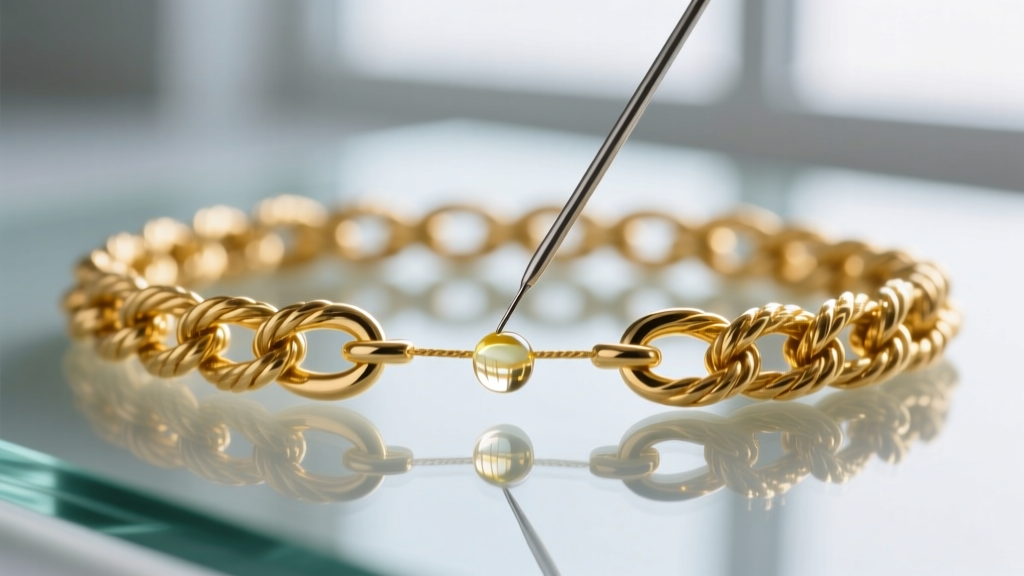
The Mineral Oil Untangling Method
If your chain has developed a severe knot near the bail, do not pull it. Pulling tightens the knot and can warp the individual gold links, leading to permanent structural weakness. Instead, lay the chain flat on a glass or ceramic surface. Apply a single drop of food-grade mineral oil or baby oil directly to the knot. Using two fine sewing needles or pushpins, gently work the center of the knot outward. The oil eliminates the friction between the gold links, allowing them to slide past one another without abrasion. Once untangled, wash the chain using the soap-and-water method detailed above to remove the oil, which would otherwise attract dust and dirt.
Detail Degradation: Restoring Worn Dragon Features
Many high-end gold dragon necklaces utilize a mix of finishes to create depth: high-polish scales contrasted with matte, sandblasted, or oxidized recesses. Over years of wear, the friction against clothing and skin naturally polishes the matte areas, flattening the visual contrast and making the dragon look muddy and undefined. Furthermore, aggressive polishing by amateur jewelers using a high-speed buffing wheel will round off the sharp edges of the dragon's spikes and soften the carved scales.
Preserving the Contrast
If your dragon necklace is losing its visual depth, avoid standard polishing cloths, which contain mild abrasives that will slowly erase the sandblasted textures. If the piece requires professional restoration, specifically request that the jeweler use a laser-welder to rebuild any worn spikes or teeth with matching gold wire, and ask them to re-apply the matte finish using glass-bead blasting rather than a buffing wheel. This preserves the sharp, aggressive lines that give the dragon its character.
Proper Storage to Prevent Future Damage
How you store your gold dragon necklace when not wearing it is just as critical as how you clean it. Tossing a heavy, spiked dragon pendant into a communal jewelry box guarantees that the protruding claws and horns will scratch your other pieces, while the chain will wrap around the pendant, creating tension kinks.
- Hang it: Store the necklace on a padded velvet bust or a dedicated jewelry hook. Hanging allows gravity to naturally pull out minor chain kinks and prevents the bail from resting in a stressed position.
- Use Anti-Tarnish Strips: Place a 3M anti-tarnish strip in the drawer or box where the necklace is kept. These strips absorb airborne sulfur compounds before they can react with the copper in your gold alloy.
- Isolate the Pendant: If you must store it flat, wrap the dragon pendant in a soft, anti-tarnish flannel pouch separately from the chain to prevent the heavy metal edges from denting the softer gold links.
When to Call a Professional Jeweler
While DIY cleaning and untangling are safe, certain structural issues demand professional intervention. If you notice a hairline crack near the bail, a missing gemstone eye, or a clasp that no longer clicks securely into place, stop wearing the necklace immediately. In 2026, most reputable jewelers utilize laser welding for these repairs. Unlike traditional torch soldering, which requires heating the entire piece and risks melting the intricate dragon details or damaging heat-sensitive gemstones, laser welding uses a concentrated beam of light to fuse gold wire into the crack at a microscopic level. Expect to pay between $85 and $150 for a professional laser-welded bail repair or clasp upgrade—a small price to pay to secure a heavy, valuable, and deeply symbolic gold dragon necklace for decades to come.


