Step-by-Step Guide to Restoring a Carolee New York Necklace
Learn how to safely clean, restore, and store your Carolee New York necklace. Expert steps for protecting gold plating, crystals, and pearls.

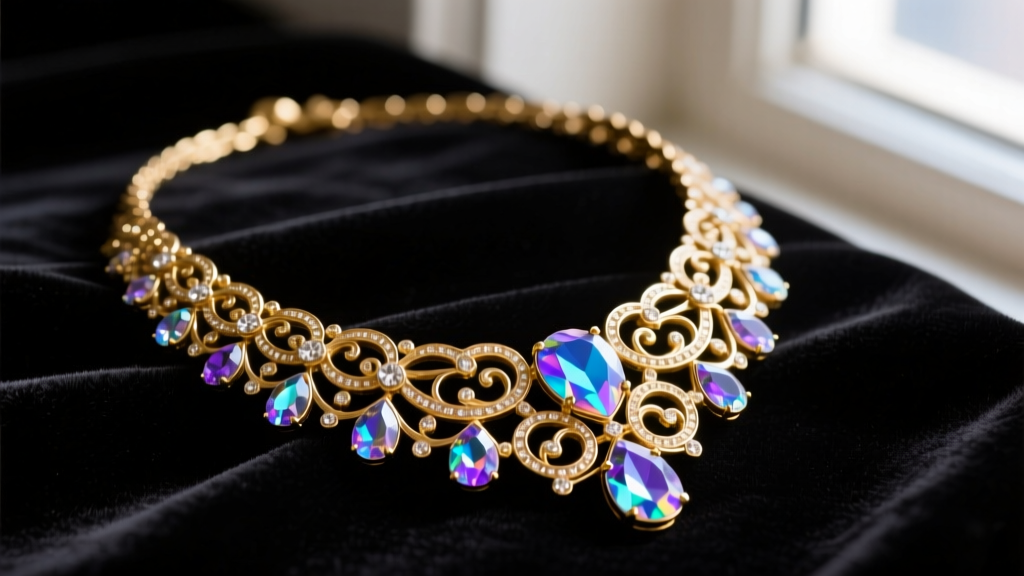
Carolee New York has been a staple in American fashion jewelry since Carolee Friedlander founded the brand in 1972. Known for intricate, vintage-inspired designs, the brand frequently utilizes 12k and 14k gold plating, rhodium finishes, Swarovski crystals, and freshwater pearls. However, restoring a vintage or heavily worn Carolee New York necklace requires a fundamentally different approach than cleaning solid fine jewelry. The base metals, delicate foil backings on crystals, and layered plating demand specialized care to avoid irreversible damage. This comprehensive, step-by-step guide will walk you through the exact methods professionals use to clean, troubleshoot, and preserve these iconic statement pieces.
Identifying Authentic Carolee Hallmarks
Before beginning any restoration, verify the authenticity and era of your piece. Authentic Carolee New York necklaces typically feature a stamped or engraved hallmark on the clasp tag, the back of the pendant, or an attached hangtag. Look for stamps reading "CAROLEE ©", "CAROLEE NEW YORK", or specific collection marks like "CAROLEE LUXE". Early vintage pieces from the 1970s and 1980s may have deeper, hand-stamped font impressions, while modern iterations often use laser engraving. Identifying the era helps determine the plating thickness; older pieces often feature heavier mil-thickness plating that can withstand slightly more rigorous polishing than modern, thinly plated fashion jewelry.
Understanding Carolee's Signature Materials
To safely clean your necklace, you must understand its anatomy. Most Carolee gold-tone pieces are crafted from a brass or pewter base metal, layered with a copper strike, and finished with a 12k or 14k gold electroplate. The crystals used are typically precision-cut glass with a delicate metallic foil backing applied via adhesive to create the signature aurora borealis (AB) or jet hematite reflections. According to the Metropolitan Museum of Art Conservation Department, moisture is the primary enemy of foiled glass stones, as water seeping beneath the setting will oxidize the foil, turning the crystal permanently cloudy or black.
Step-by-Step Cleaning Guide for Plated and Crystal Pieces
Never use ultrasonic cleaners, commercial silver dips, or ammonia-based solutions on a Carolee New York necklace. The high-frequency vibrations of an ultrasonic cleaner will shatter the glass crystals and strip the plating, while ammonia will instantly dissolve the adhesive holding the stones in place.
What You Will Need
- Distilled water (tap water contains chlorine and minerals that accelerate tarnish)
- pH-neutral dish soap (such as original Dawn, free of lotions or citrus additives)
- Ultra-soft microfiber cloths
- Soft-bristled makeup brushes (like a clean eyeshadow blending brush)
- Cotton swabs
The Cleaning Process
Step 1: Dry Dusting. Use the soft makeup brush to gently sweep away surface dust, skin cells, and lotion residue from the prongs and crevices. This prevents creating an abrasive mud when you introduce moisture.
Step 2: The Damp Wipe. Mix one cup of distilled water with two drops of pH-neutral dish soap. Dampen a microfiber cloth in the solution and wring it out until it is barely moist. Gently wipe the metal chains and plated settings. Never submerge the necklace.
Step 3: Targeted Crystal Cleaning. Dip a cotton swab into the soapy solution, roll it on a paper towel to remove excess moisture, and carefully trace the edges of the crystals. Avoid pressing directly onto the center of the stone to prevent pushing moisture under the prongs.
Step 4: Drying and Buffing. Immediately dry the piece with a fresh, dry microfiber cloth. Use a hairdryer on the "cool" setting to blow out any trapped moisture from beneath the stone settings.
Troubleshooting Common Carolee Necklace Issues
Even with meticulous care, vintage fashion jewelry is prone to specific failure modes. Use the diagnostic table below to address common issues with your Carolee New York necklace.
| Issue | Root Cause | Expert Solution |
|---|---|---|
| Green Skin Discoloration | Plating has worn through to the copper or brass base metal, reacting with skin acidity. | Apply a micro-thin layer of clear, non-yellowing jeweler's resin or clear nail polish to the back of the pendant/clasp. For a permanent fix, send to a specialist for re-plating. |
| Cloudy or Black Crystals | Moisture has breached the setting, oxidizing the metallic foil backing or degrading the glue. | This is irreversible. A jeweler can carefully pop the stone out, clean the setting, and replace it with a new Swarovski or Preciosa flatback stone using E6000 adhesive. |
| Flaking Gold Plating | Exposure to perfume, hairspray, or harsh chemicals has caused the topcoat to delaminate. | Do not polish flaking areas, as this will strip the remaining plating. The piece must be professionally stripped and re-electroplated. |
| Stretched Pearl Strands | Silk thread has degraded and stretched due to the weight of the glass beads and pearls. | Restring immediately to prevent a catastrophic break. See the restringing section below. |
Restringing Carolee Pearl and Beaded Strands
Many Carolee Luxe necklaces feature multi-strand freshwater pearls or heavy glass beads strung on silk or nylon thread. Over time, the weight of the beads stretches the fibers, creating visible gaps between the pearls. If your necklace exhibits this "gapping," it is at high risk of snapping.
For heavy Carolee glass beads and large freshwater pearls, standard silk thread will not suffice. You must use Size F or Size G silk thread, or opt for a high-tensile beading wire like 49-strand Soft Flex (0.024-inch diameter) for maximum durability. When reattaching the signature Carolee lobster clasp, always use a piece of French wire (bullion) to protect the silk thread from fraying against the metal jump ring. According to the Gemological Institute of America (GIA), pearls should never be strung on wire without protective knots between each pearl, as the metal can drill into the nacre over time.
Proper Storage to Prevent Future Tarnish
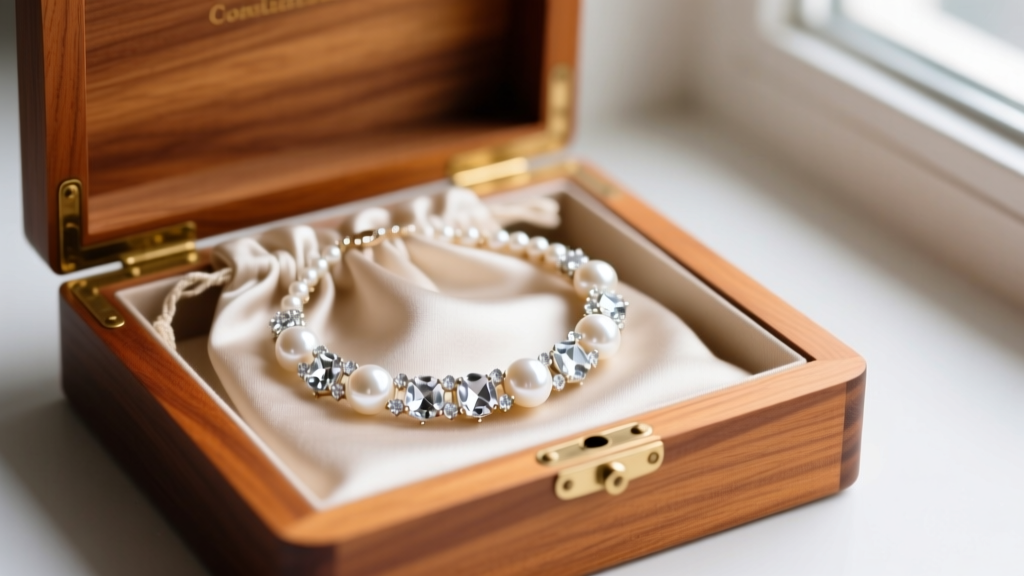
The longevity of your restored Carolee New York necklace depends entirely on how it is stored. Base metals like brass and pewter are highly reactive to atmospheric sulfur and humidity. To prevent your gold and rhodium plating from tarnishing or wearing prematurely, implement the following storage protocol:
- Anti-Tarnish Strips: Place a 3M anti-tarnish strip inside the storage bag. These strips absorb sulfur compounds from the air and remain effective for up to 12 months in an enclosed space.
- Moisture Control: Include a small, rechargeable silica gel desiccant packet in your jewelry box to maintain a low-humidity environment, which is critical for protecting crystal foil backings.
- Isolation: Store the necklace in a soft, anti-tarnish flannel pouch. Never store multiple pieces in the same compartment, as the harder glass crystals will easily scratch the softer gold plating of adjacent necklaces.
- Lay Flat or Hang: Heavy statement bib necklaces should be laid flat in a lined drawer to prevent stress on the soldered jump rings. Delicate chains should be hung on a padded velvet hook to prevent kinking.
Final Thoughts on Fashion Jewelry Conservation
Restoring a Carolee New York necklace is an exercise in gentle precision. By respecting the chemical vulnerabilities of gold plating and the physical fragility of foiled crystals, you can extend the life of these wearable works of art for decades. Always prioritize dry cleaning methods, avoid harsh chemicals, and address structural issues like stretched threads before they result in the loss of a beloved heirloom piece.