How to Restore and Repair a Garnet Pearl Necklace
Learn how to troubleshoot, restring, and repair a damaged garnet pearl necklace. Expert tips on silk threading, knotting, and preventing gem friction.

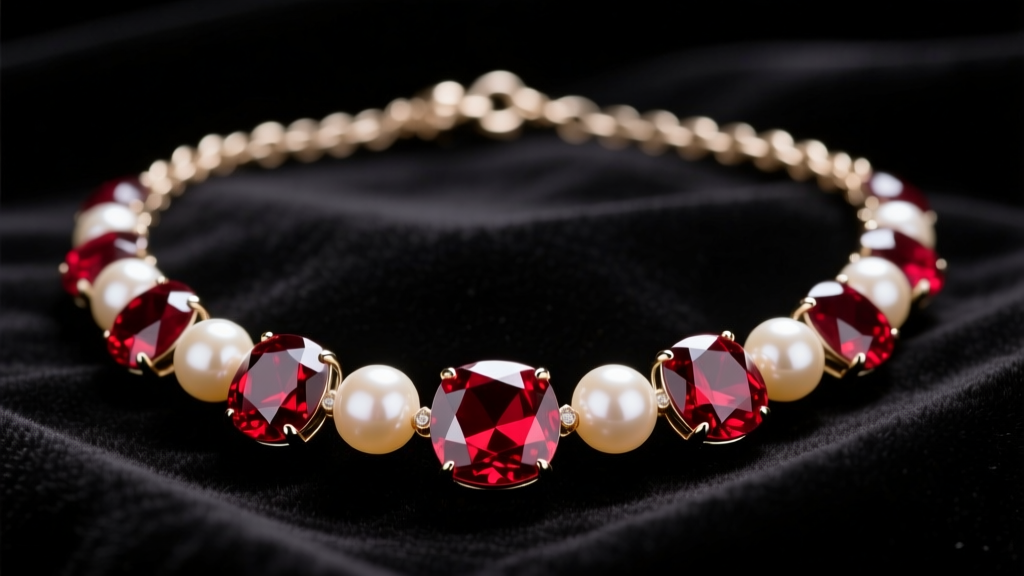
Combining the deep, wine-red brilliance of garnets with the soft, iridescent luster of pearls creates a stunning contrast that has been favored by jewelry designers for centuries. However, from a structural and gemological perspective, a garnet pearl necklace is a high-maintenance piece. The inherent physical differences between these two gemstones create unique wear-and-tear challenges that can lead to broken threads, scratched nacre, and catastrophic clasp failures if left unaddressed.
Whether you have inherited a vintage piece with a sagging strand or noticed your pearls looking dull near the drill holes, this comprehensive troubleshooting guide will help you diagnose, repair, and maintain your mixed-gemstone jewelry.
Diagnosing Common Garnet Pearl Necklace Failures
Before attempting any repair, you must accurately diagnose the failure point. Mixed-material necklaces typically suffer from three specific issues driven by the contrasting physical properties of the gems.
1. The Mohs Hardness Mismatch (Friction Damage)
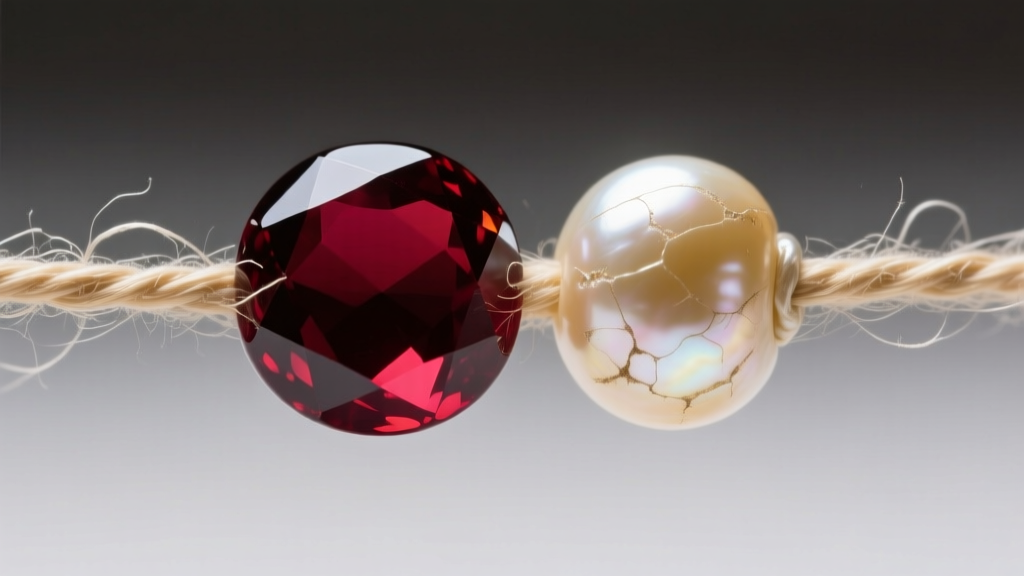
The most critical issue in a garnet pearl necklace is the Mohs hardness disparity. According to the Gemological Institute of America (GIA), garnet ranks between 6.5 and 7.5 on the Mohs scale, while organic pearls rank between 2.5 and 4.5. If these beads are strung without individual knots between them, the harder garnet edges will act like sandpaper against the softer pearl nacre every time the necklace moves. Over time, this causes severe friction damage, widening the pearl drill holes and creating permanent chalky scratches on the nacre.
2. Silk Thread Degradation and Stretching
Traditional pearl necklaces are strung on 100% silk thread. While silk drapes beautifully, it is highly susceptible to stretching when exposed to moisture, skin oils, and the heavy weight of faceted garnets. Perform the 'tug test': gently pull the thread between two beads. If you see more than 1mm of exposed thread or notice 'gapping' when the necklace is laid flat, the silk's structural integrity has failed and requires immediate restringing.
3. Clasp and Finding Fatigue
Garnets are significantly denser and heavier than pearls. A necklace featuring large 8mm garnets places immense tensile stress on the clasp ring and the silk loop. Inspect the jump rings and the interior of the clasp mechanism for metal fatigue, thinning, or warping.
Step-by-Step Troubleshooting & Repair Guide
If your diagnostic check reveals stretched thread or friction damage, a complete restring is mandatory. Here is the professional protocol for restoring a garnet pearl necklace.
Step 1: Safe Dismantling and Layout
Work over a soft, flocked bead design board to prevent pearls from rolling away. Using flush cutters, carefully snip the old thread near the clasp. Do not pull the beads off, as the frayed ends of old silk can scratch the interior of the pearl drill holes. Slide each bead off gently and lay them out in their exact original pattern on the board.
Step 2: Selecting the Correct Thread and Needle
For a mixed necklace, you need a thread that offers the drape of silk but the tensile strength to support the heavier garnets. Griffin 100% Silk or Griffin Nylon are industry standards.
- Size #4 (0.5mm): Best for Akoya pearls with small drill holes (0.55mm).
- Size #6 (0.7mm): Ideal for freshwater pearls and heavier garnet beads with 0.8mm drill holes.
Use a collapsible eye needle or a twisted wire needle, which can pass through the needle eye twice, allowing it to compress and slide through tight gemstone drill holes.
Step 3: French Wire Application
Never tie silk directly to a metal clasp; the metal will slice the thread over time. Thread a 1-inch piece of French wire (bullion) onto the silk. Pass the needle back through the wire to create a protected loop, then secure it with a half-hitch knot and a microscopic drop of jeweler's epoxy (like G-S Hypo Cement).
Step 4: The Hand-Knotting Technique
To prevent the Mohs hardness mismatch from destroying your pearls, you must place a hand-tied overhand knot between every single garnet and pearl. Use a pearl knotting tool or a fine awl to push the knot flush against the bead before tightening. This ensures zero lateral movement and eliminates gem-on-gem friction.
Material Comparison: Threading Options for Mixed Gemstones
While silk is traditional, modern jewelers often evaluate synthetic alternatives when repairing heavy mixed-gemstone pieces. Below is a structural comparison of threading materials for a garnet pearl necklace.
| Thread Material | Tensile Strength | Drape Quality | Best Use Case |
|---|---|---|---|
| 100% Silk (Griffin) | Low-Medium | Excellent | Lightweight vintage pieces, traditionalists, small Akoya pearls. |
| Bonded Nylon | High | Good | Heavy garnets, large freshwater pearls, pieces worn frequently. |
| Power Pro (Braided Polyethylene) | Very High | Stiff | Heirloom pieces requiring maximum security; requires bead tips to hide stiff ends. |
| Soft Flex Beading Wire | Extreme | Poor (Rigid) | Not recommended for pearls; wire prevents the necklace from draping naturally and cannot be knotted. |
Expert Verdict: For a standard garnet pearl necklace, bonded nylon (like Size #6 or #8) provides the best compromise between the luxurious drape required for pearls and the heavy-duty support needed for garnets.
Cost Analysis: DIY vs. Professional Jeweler
Deciding whether to tackle the repair yourself or hire a professional depends on the value of the piece and your manual dexterity.
- Professional Restringing: Most bench jewelers charge between $3.50 and $8.00 per inch for hand-knotted silk work. A standard 16-inch garnet pearl necklace will cost between $56 and $128. This includes new silk, French wire, and professional steaming.
- DIY Repair: A high-quality restringing kit (including silk cards, needles, and a knotting tool) costs around $25 to $40. However, mastering the flush-knot technique takes practice; sloppy knots will ruin the aesthetic of the necklace.
Preventative Maintenance and Storage Protocols
Once your necklace is restored, proper care is essential. The Jewelers of America strongly advises against using ultrasonic cleaners or steamers on mixed organic and silicate jewelry. Ultrasonic waves can shatter garnets that contain natural liquid inclusions, while the heat and chemicals will instantly dissolve a pearl's nacre.
Daily Care Rules
- Last On, First Off: Always put your necklace on after applying perfume, hairspray, and lotions. The alcohol and acids in cosmetics will etch the pearl surface and dull the garnet facets.
- Post-Wear Wipe Down: After wearing, wipe the pearls and garnets with a damp, lint-free microfiber cloth to remove acidic skin oils and sebum, which degrade silk thread from the inside out.
- Proper Storage: Never store a garnet pearl necklace in a plastic bag (plastic emits chemicals that degrade pearls) or loosely in a jewelry box where it can tangle. Lay it flat in a soft, acid-free pouch or a dedicated microfiber-lined compartment.
Conclusion
A garnet pearl necklace is a masterclass in color contrast, but it requires a jeweler's understanding of material science to maintain. By recognizing the dangers of the Mohs hardness mismatch, selecting the appropriate bonded nylon or silk thread, and insisting on flush hand-knotting between every bead, you can ensure this elegant piece survives for generations. If the thread shows any signs of gapping or stretching, cease wearing the necklace immediately and consult a professional bench jeweler to prevent a devastating break.


