How to Clean, Restore, and Style a Bone Link Necklace
Learn how to clean, restore, and style a bone link necklace. Discover step-by-step care, wire-link repair, and layering techniques for organic jewelry.

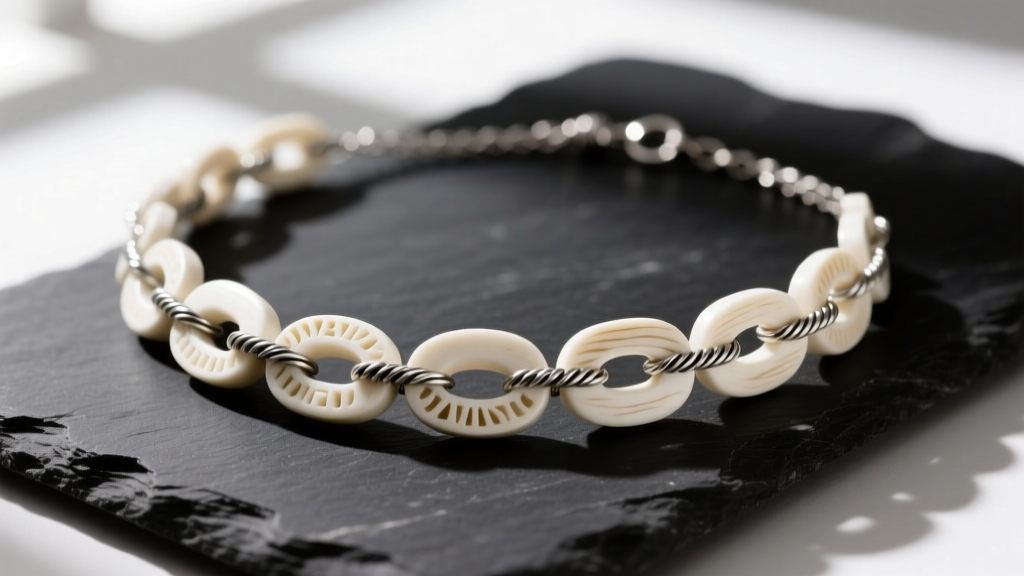
Organic jewelry has experienced a massive renaissance in recent years, with collectors and fashion enthusiasts gravitating toward tactile, earthy materials. Among the most striking of these is the bone link necklace. Whether crafted from ethically sourced water buffalo bone, camel bone, or intricately carved antique pieces, bone links offer a lightweight, matte-finished alternative to heavy metals and cold gemstones. However, because bone is a porous, calcium-based organic material, it requires a highly specific approach to maintenance, repair, and styling.
In this comprehensive guide, we will walk you through the exact steps to identify, clean, repair, and style your bone link jewelry, ensuring it remains a staple in your collection for decades.
Identifying Your Material: Genuine Bone vs. Resin vs. Horn
Before applying any cleaning agents or oils, you must confirm the exact material of your necklace. Many mass-market brands sell 'bone-style' links made from synthetic resins or plastics. According to the Gemological Institute of America (GIA), organic gem materials like bone, horn, and coral have distinct physical properties that synthetics cannot perfectly replicate.
The Hot Pin Test and Visual Cues
Genuine carved bone features microscopic pores, subtle grain lines, and a naturally cool temperature to the touch. Resin, conversely, warms up quickly in your hand and lacks natural inclusions. If you are unsure, a professional jeweler can perform a 'hot pin test' in an inconspicuous area. A heated needle will melt plastic or resin, leaving a sticky residue and a chemical smell. On genuine bone, the needle will not penetrate easily, and it will emit a faint scent similar to burning hair or calcium.
| Material | Weight | Porosity | Cleaning Method |
|---|---|---|---|
| Genuine Bone | Lightweight | Highly Porous | Dry brush, mild castile soap, mineral oil |
| Carved Horn | Medium | Semi-Porous | Damp cloth, avoid prolonged water exposure |
| Synthetic Resin | Very Light | Non-Porous | Standard jewelry cleaner, ultrasonic safe |
Step-by-Step Restoration and Cleaning Guide
Because bone is primarily composed of calcium phosphate and collagen, it is highly susceptible to acid erosion and moisture damage. Never place a bone link necklace in an ultrasonic cleaner. The high-frequency vibrations will cause micro-fractures in the porous structure, eventually leading to shattered beads. Furthermore, harsh chemical dips (like silver polish) will strip the bone's natural oils, leaving it chalky and brittle.
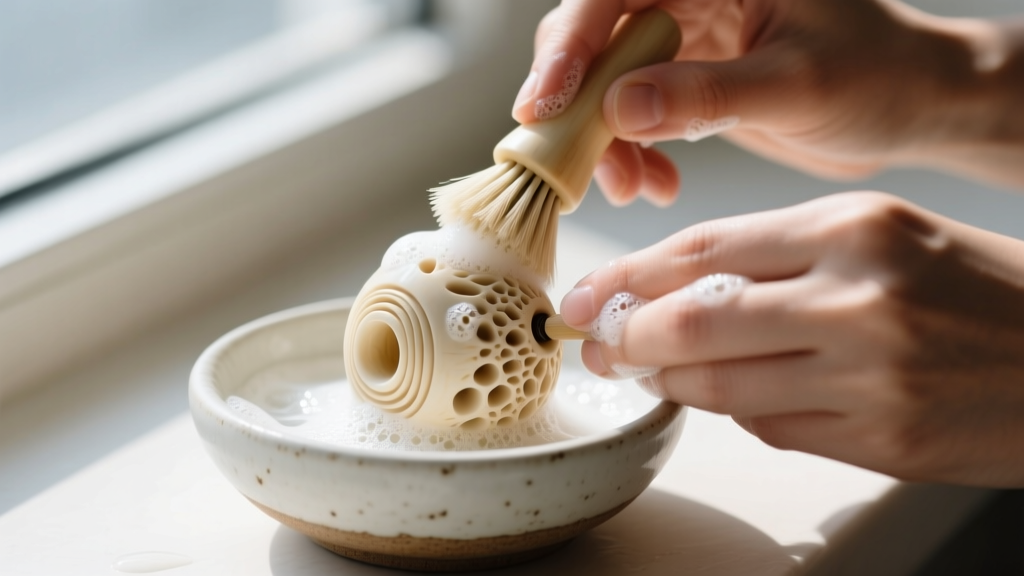
Step 1: Dry Dusting
Use a clean, dry makeup brush or a soft-bristled toothbrush to gently sweep away dust, skin cells, and cosmetic residue trapped in the carved crevices of the bone links. Do this over a soft towel to catch any dislodged debris.
Step 2: The Damp Microfiber Wipe
Dampen a microfiber cloth with distilled water (tap water contains chlorine and minerals that can stain porous bone). Wring it out until it is barely damp, and gently wipe the surface of each link. This removes surface oils without saturating the material.
Step 3: Deep Cleaning with Castile Soap
For stubborn grime, mix a single drop of pH-neutral liquid Castile soap into a bowl of lukewarm distilled water. Dip a soft cotton swab into the solution, dab it onto the dirty areas, and gently roll it across the bone. Immediately wipe away the suds with a clean, damp cloth. Never submerge the necklace.
Step 4: Conditioning and Sealing
Once the bone is completely dry (allow 24 hours of air drying), it must be rehydrated. Apply a few drops of food-grade mineral oil or pure jojoba oil to a lint-free cloth. Buff the oil into each bone link. Let it sit for 15 minutes, then buff off the excess. This restores the bone's natural luster and prevents cracking.
Repairing Broken Wire Links
Artisan bone link necklaces are typically assembled using wire-wrapped links rather than stringing cord, allowing the heavy, irregular beads to drape fluidly. Over time, the soft wire loops connecting the bone links can pull apart. According to guidelines from the American Institute for Conservation, repairing organic artifacts requires using materials that do not introduce corrosive elements or excessive mechanical stress.
Tools Required for Link Repair
- 20-gauge dead-soft sterling silver or brass wire (dead-soft is crucial as it requires less force to bend, protecting the bone from pressure cracks).
- Chain-nose pliers and round-nose pliers.
- Flush cutters.
Step-by-Step Wire Link Replacement
- Cut the Wire: Cut a 2.5-inch piece of 20-gauge dead-soft wire.
- Create the First Loop: Grip the very tip of the wire with your round-nose pliers and roll it away from you to form a small, closed loop.
- Thread the Bone: Pass the straight end of the wire through the hole of the bone link. (If the hole is too small, do not force it; consult a jeweler to safely drill it with a diamond-tipped burr).
- Form the Second Loop: Bend the wire at a 90-degree angle just above the bone bead. Grip the tip with the round-nose pliers and roll it into a second loop, ensuring it sits flush against the top of the bone.
- Connect and Close: Open the newly formed loop laterally (twisting it open like a door, never pulling it apart like a split ring) to attach it to the adjacent link in the necklace. Close it securely with your chain-nose pliers.
Expert Tip: Always use 'dead-soft' wire for wrapping organic beads. 'Half-hard' or 'hard' wire requires significant torque to bend, which can easily transfer pressure to the edges of the bone hole, causing it to chip or split.

Step-by-Step Styling and Layering Techniques
Styling a bone link necklace is all about mastering contrast. The matte, organic, and slightly irregular texture of carved bone pairs beautifully with polished metals, sleek fabrics, and structured silhouettes. Here is how to integrate it into your wardrobe.
1. The Metal-and-Matte Layering Technique
Because bone lacks the reflective brilliance of gemstones, it acts as a visual anchor. Layer a 20-inch or 22-inch chunky bone link necklace with an 18-inch polished gold or silver snake chain. The sleek metal highlights the matte texture of the bone, creating a sophisticated, multi-dimensional look that works perfectly for transitional autumn or spring weather.
2. Neckline Pairings
- Scoop Necklines: A 18-inch bone choker or short princess-length bone link piece sits perfectly just above the collarbone, framing the face without competing with the fabric.
- Deep V-Necks: Opt for a 24-inch to 28-inch opera-length bone link necklace. The elongated vertical line draws the eye downward, complementing the V-shape of the blouse or dress.
- High Turtlenecks: Wear a heavy, oversized bone link necklace over a tight, black ribbed turtleneck. The stark contrast between the dark fabric and the pale, organic bone creates a striking, avant-garde aesthetic.
3. Occasion Matching
Keep bone link jewelry away from high-humidity environments like beach weddings or outdoor summer festivals. Sweat and high moisture can degrade the bone over time and tarnish the wire links. Instead, reserve these pieces for climate-controlled environments, gallery openings, dinner parties, and professional settings where their artisan craftsmanship can be appreciated up close.
Long-Term Storage and Preservation
How you store your bone link necklace is just as critical as how you clean it. Never store bone jewelry in airtight plastic bags; organic materials need to 'breathe' to prevent the buildup of trapped moisture, which can lead to mold or bacterial growth on the porous surface.
Instead, wrap the necklace in a soft, unbleached cotton muslin bag or acid-free tissue paper. Store it flat in a wooden jewelry box lined with tarnish-resistant flannel. If you live in a particularly dry climate, place a small, dampened terra-cotta humidity bead in the drawer (not touching the jewelry) to maintain an ambient humidity level of around 40-50%, preventing the bone links from drying out and fracturing. By following these meticulous care and styling steps, your bone link necklace will remain a breathtaking, wearable piece of art for a lifetime.


