How to Restore a Tarnished Gold Plated Heart Necklace
Is your favorite gold plated heart necklace turning green or fading? Learn expert troubleshooting tips to restore the plating and prevent future tarnish.

The Anatomy of Plating Failure: Why Your Necklace is Fading
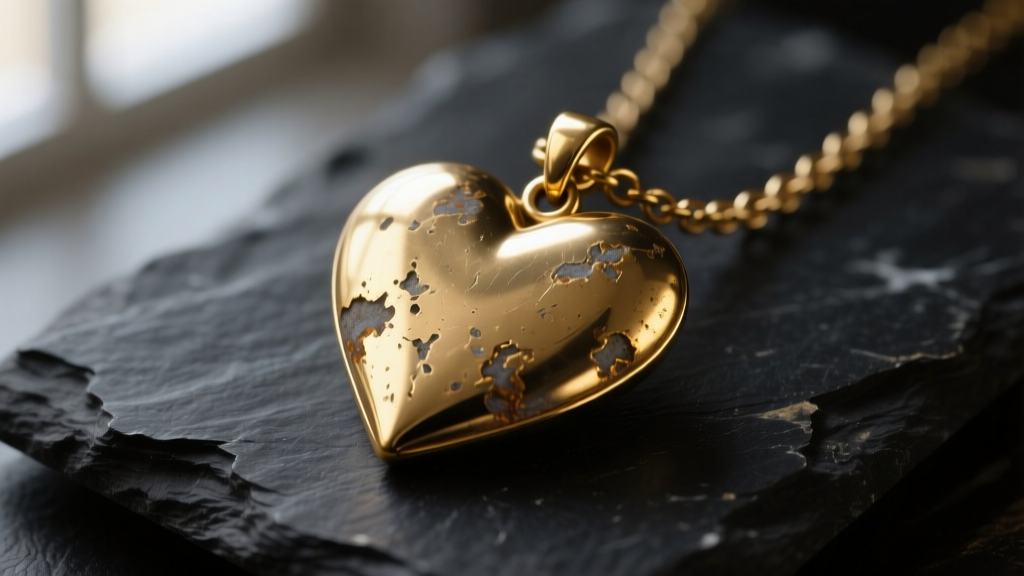
A gold plated heart necklace is a timeless jewelry box staple, but it is inherently vulnerable to chemical and mechanical degradation. To troubleshoot a failing piece, you must first understand its construction. According to the Federal Trade Commission Jewelry Guides, the term 'gold plated' refers to a base metal coated with a gold layer of at least 0.5 microns (0.0005 millimeters) in thickness. However, in 2026, the market is flooded with ultra-thin 'flash' plating (often under 0.175 microns) from fast-fashion brands, which can wear through to the base metal in a matter of weeks.
When the gold layer is compromised, the underlying base metal—usually brass, copper, or nickel-silver—is exposed to the environment. Brass and copper are highly reactive to the lactic acid, sodium chloride, and sulfur compounds present in human sweat and the atmosphere. This chemical reaction is what causes the dreaded green skin stain and the dull, brownish tarnish that ruins the pendant's finish.
Troubleshooting Guide: Diagnosing Your Necklace's Damage
Before attempting any restoration, you must accurately diagnose the specific type of damage your necklace has sustained. Misidentifying the problem can lead to aggressive cleaning methods that strip the remaining gold plating entirely. Use the diagnostic matrix below to identify your necklace's failure mode.
| Symptom | Root Cause | Likely Base Metal | Reversibility |
|---|---|---|---|
| Green/Black skin stain | Copper oxidation reacting with sweat pH | Brass or Copper alloy | High (Clean skin & metal) |
| Silver or grey spots on high-friction edges | Mechanical wear (plating rubbed off) | Nickel-silver or Zinc | Low (Requires replating) |
| Overall dullness and loss of luster | Sebum, lotion, and dead skin buildup | Any (Plating intact) | High (Gentle degreasing) |
| Reddish/brown flaking on the heart pendant | Galvanic corrosion from moisture trapping | Copper-heavy Brass | None (Plating is dead) |
Step-by-Step Restoration: Cleaning Without Stripping the Gold
If your gold plated heart necklace is suffering from dullness or mild surface tarnish, you can safely restore its luster without utilizing harsh chemicals. The Jewelers Mutual care guidelines emphasize that abrasive cleaners and stiff brushes are the enemies of thin gold layers.
The Safe Cleaning Protocol:
- Step 1: Mix a few drops of phosphate-free, pH-neutral dish soap (like original Dawn) into a bowl of lukewarm distilled water. Avoid tap water, as trace minerals and chlorine can accelerate tarnishing.
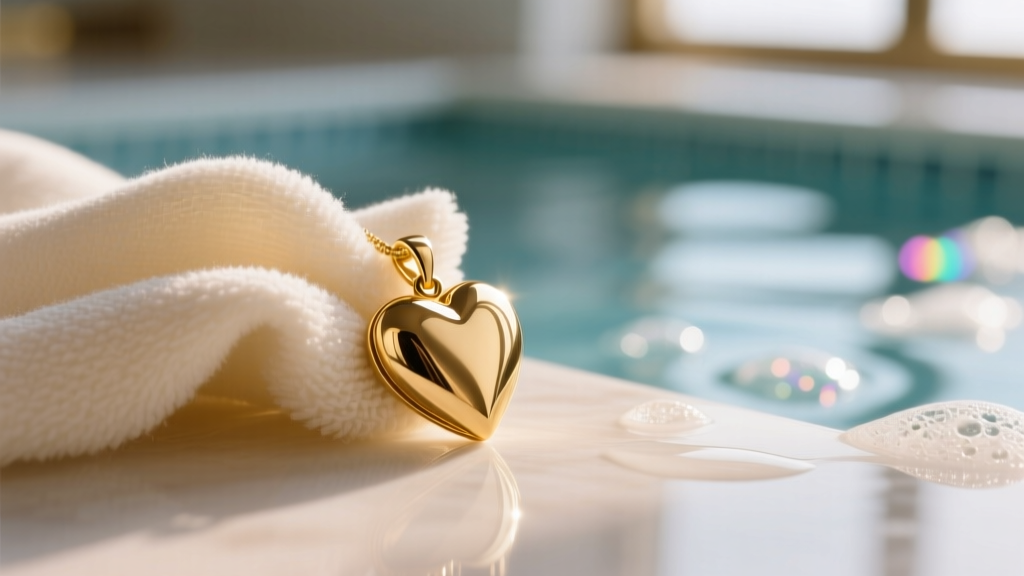
- Step 2: Submerge the necklace for exactly 3 to 5 minutes. Do not exceed this time, as prolonged water exposure can seep into the microscopic pores of the plating and trigger base-metal oxidation.
- Step 3: Remove the necklace and gently wipe it with a clean, lint-free microfiber cloth. Never use a toothbrush; even 'soft' bristles possess enough rigidity to scratch a 0.5-micron gold layer.
- Step 4: Allow the piece to air-dry completely on a paper towel before storing or wearing.
The "Clear Nail Polish" Myth
A pervasive internet hack suggests coating the back of a gold plated heart pendant with clear nail polish to prevent green skin and tarnish. As a jewelry specialist, I strongly advise against this. The solvents in nail polish (like ethyl acetate) can chemically degrade thin gold plating. Furthermore, the polish will inevitably yellow, crack, and peel within a few weeks, trapping moisture against the base metal and accelerating the very corrosion you were trying to prevent.
Advanced Fixes: When to Seek Professional Replating
If your troubleshooting reveals that the gold layer has physically worn away—leaving exposed brass or silver-grey spots on the heart pendant's edges—no amount of cleaning will restore it. The plating is gone. At this stage, you have two options: retire the piece or invest in professional electroplating.
Local jewelers can strip the remaining tarnished plating, polish the base metal, and apply a fresh layer of gold. For a standard heart pendant and chain, professional replating typically costs between $45 and $85 in 2026. Request a 'heavy gold electroplate' (minimum 2.5 microns) to ensure the restoration lasts for years rather than months. Be aware that if your base metal contains nickel, a barrier layer of palladium or rhodium must be applied first to prevent the nickel from migrating through the new gold layer and causing allergic contact dermatitis.
Preventative Maintenance for 2026 and Beyond
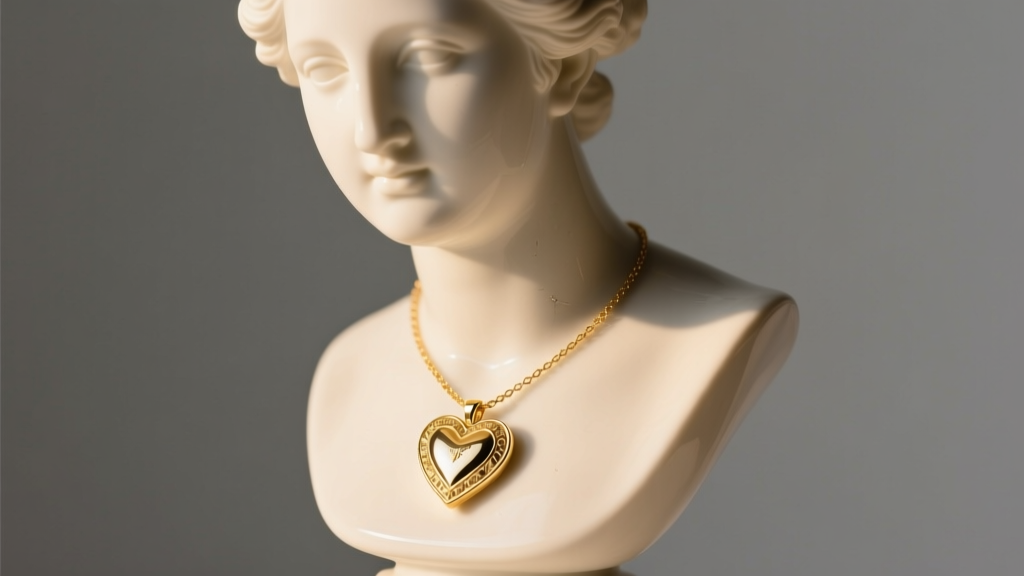
Once you have restored your necklace, implementing a strict preventative maintenance routine is critical. The golden rule of jewelry care is 'Last On, First Off.' Your gold plated heart necklace should be the final item you put on after applying perfumes, hairsprays, and lotions, and the very first item you remove when you get home.
Expert Storage Tip: Never store gold plated jewelry in the bathroom or in standard velvet jewelry boxes, which trap ambient humidity. Store your necklace in an airtight ziplock bag with a 3M anti-tarnish strip. These strips actively absorb hydrogen sulfide and sulfur dioxide from the enclosed air, neutralizing the primary chemical catalysts for tarnish.
By understanding the microscopic vulnerabilities of gold plating and treating your jewelry with chemical and mechanical respect, you can extend the lifespan of your favorite pieces far beyond the fleeting trends of fast fashion.


