Restoring Cowboy Necklaces: Troubleshooting Silver and Leather
Learn how to troubleshoot and restore cowboy necklaces. Fix tarnished silver, repair cracked leather laces, and secure loose turquoise settings.

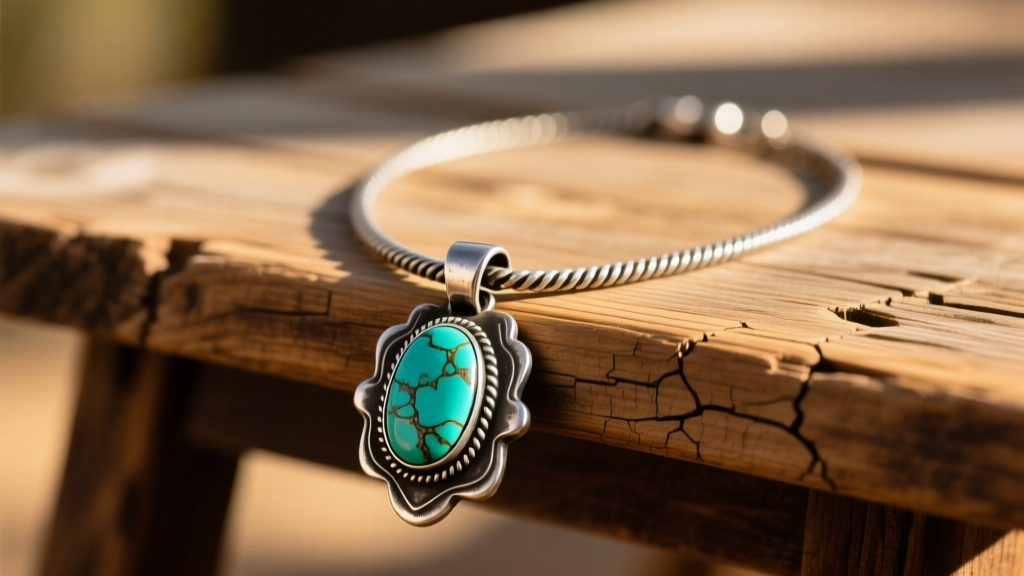
Western jewelry is more than just an accessory; it is a piece of functional art that endures harsh environments, sweat, and decades of wear. When dealing with vintage or artisan cowboy necklaces, owners frequently encounter a specific set of material failures. From heavily oxidized sterling silver conchos to dried-out leather laces and rattling turquoise cabochons, these pieces require specialized troubleshooting that differs significantly from standard fine jewelry care.
This guide provides a deep-dive, technical approach to diagnosing and repairing the most common issues found in Western and cowboy necklaces, ensuring your pieces retain both their structural integrity and their historical patina.
The Unique Anatomy of Western and Cowboy Necklaces
Before attempting any repairs, it is crucial to understand the material composition of authentic cowboy necklaces. Unlike mass-produced fashion jewelry, genuine Western pieces are typically constructed from .925 sterling silver, genuine leather, and natural or stabilized porous gemstones. The silver is often heavily stamped, cast, or hand-forged, and the crevices are intentionally oxidized (antiqued) to create high-contrast depth. The gemstones—most notably turquoise, coral, and lapis lazuli—are usually set in plain bezel settings rather than prongs, which dictates how you must approach cleaning and tightening.
Troubleshooting Sterling Silver Tarnish and Patina Loss
Silver tarnish is a chemical reaction between the copper alloy in sterling silver and sulfur compounds in the air, creating black silver sulfide. However, the most common mistake owners make with cowboy necklaces is using commercial liquid silver dips.
The Baking Soda vs. Commercial Dip Debate
Commercial dips, such as Tarn-X, rely on thiourea and strong acids to strip tarnish instantly. While effective on flat silverware, these chemicals are devastating to Western jewelry. They strip away the intentional antique oxidation in the stamped recesses, leaving the piece flat, stark white, and stripped of its character. Furthermore, if the dip touches natural turquoise or coral, it can permanently alter the stone's matrix or dissolve the polish.
The Expert Solution: Use a localized, mechanical cleaning method.
- For heavy tarnish on silver-only areas: Use a mild abrasive paste like Wright's Silver Cream applied with a soft cotton swab. Work the paste only into the raised, polished areas of the silver, avoiding the dark recesses and the gemstones entirely.
- For light tarnish: Use a treated polishing cloth (such as a Sunshine cloth) to gently buff the high points of the conchos or pendants.
- The Aluminum Foil Bath (With Extreme Caution): While the boiling water, baking soda, and aluminum foil method creates an electrochemical reduction that reverses silver sulfide, never submerge cowboy necklaces with porous stones in this bath. The alkaline solution will permanently damage natural turquoise.
Reviving Dried and Cracked Leather Laces
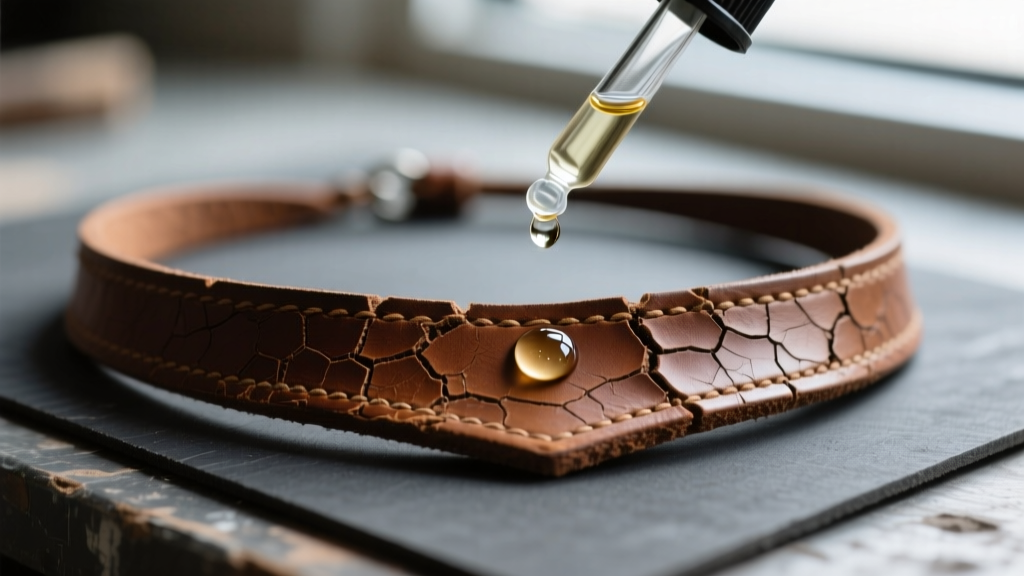
The leather laces used to suspend heavy silver pendants or slide through bolo tie clasps are typically 2mm to 4mm round braided or flat leather. Exposure to UV light, body oils, and arid climates degrades the collagen fibers, leading to stiff, brittle laces that snap under the weight of a silver slide.
Step-by-Step Leather Rehydration
Do not use mink oil or heavy waxes on Western leather laces. These products clog the leather's pores, attract dust, and significantly darken the hide, which can stain the collar of your shirt.
- Clean the Lace: Wipe the leather down with a slightly damp microfiber cloth to remove surface dust and dried sweat salts. Let it dry completely for 24 hours.
- Apply a Wax-Free Conditioner: Use a specialized, wax-free leather conditioner like Bick 4. Bick 4 is highly recommended by saddlemakers because it rehydrates the collagen fibers without altering the leather's original color or leaving a greasy residue.
- Work it In: Apply a few drops to your fingers and massage the conditioner deeply into the leather, paying special attention to the areas that rest against the back of the neck and the friction points where the bolo slide rests.
- Replacement Threshold: If the leather exhibits deep, transverse cracking (cracks that go more than halfway through the thickness of the lace), rehydration will not restore its tensile strength. You must replace the lace. Standard replacement laces for heavy Western pendants should be at least 3mm in diameter to support the weight without stretching.
Securing Loose Turquoise and Coral Cabochons
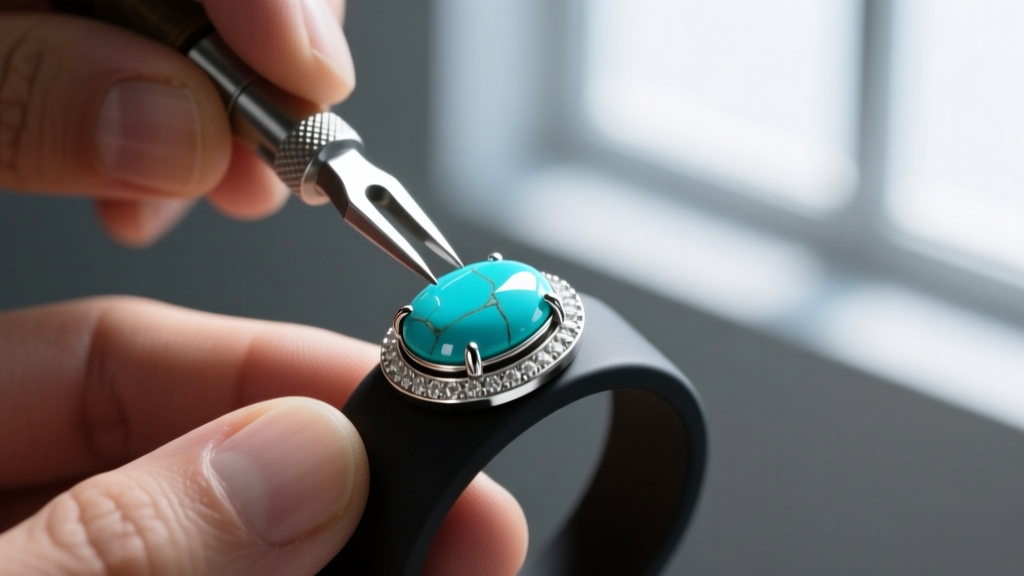
A rattling stone in a cowboy necklace pendant is a critical failure point. Western silversmiths primarily use bezel settings—a continuous strip of fine silver wire wrapped around the stone's perimeter. Over time, impacts and temperature fluctuations can cause the bezel wall to pull away from the stone.
When to Use Bezels vs. Adhesives
The most catastrophic troubleshooting error is reaching for cyanoacrylate (Super Glue) to secure a loose turquoise cabochon. Turquoise is a highly porous stone with a Mohs hardness of 5 to 6. Superglue outgasses as it cures, leaving a permanent, cloudy white haze on the surface of the stone that cannot be polished out without removing the stone entirely. Furthermore, the glue seeps into the porous matrix, ruining the gem's natural color.
According to the Gemological Institute of America (GIA), turquoise is highly sensitive to chemicals, solvents, and even prolonged exposure to skin oils, making adhesive use on natural stones a severe risk to the gem's integrity.
The Proper Repair Technique:
If the stone is loose, the metal bezel must be mechanically tightened. Using a steel bezel pusher or a smooth burnisher (available from suppliers like Rio Grande Jewelry Supply), gently but firmly rub the top edge of the silver bezel wall inward, pressing it down over the sloped shoulder (the bezel angle) of the cabochon. Work your way around the stone in a star pattern (top, bottom, left, right) to ensure even pressure. If the silver has become work-hardened and brittle, a professional silversmith must anneal the bezel wire before pushing it.
Authenticity Check: Spotting Fake Western Silver
When troubleshooting or acquiring vintage cowboy necklaces, verifying the authenticity of the metal is paramount. The market is flooded with imported, mass-produced "Western-style" jewelry made from base metals that can cause severe skin reactions and cannot be repaired using traditional silversmithing techniques.
| Diagnostic Feature | Genuine .925 Western Silver | Plated / Fake Western Silver |
|---|---|---|
| Hallmarks | Stamped ".925", "Sterling", or features a specific Native American/Artisan hallmark stamp. | Labeled "Tibetan Silver", "Alpaca", "Nickel Silver", or completely unmarked. |
| Magnetism | Paramagnetic. A strong neodymium magnet will not stick to it. | Ferromagnetic. Will strongly attract a magnet due to iron/steel core. |
| Tarnish Profile | Develops black silver sulfide, which can be polished away to reveal bright white metal. | Flaking, peeling, or reveals a green/black copper or brass bleed underneath. |
| Weight & Sound | Dense, heavy feel. Emits a dull, soft thud when tapped against another piece of silver. | Unusually light or hollow. Emits a high-pitched, tinny ping when tapped. |
Bolo Tie Hardware and Slipping Clasps
The bolo tie is a staple among cowboy necklaces, but the sliding clasp (the slide) frequently loses its grip on the leather cords, causing the heavy silver ornament to droop to the wearer's sternum.
Most traditional Western bolo slides utilize an internal friction mechanism. If your slide is slipping, turn it over and inspect the back. You will typically find either a small felt pad or a tensioned metal spring clip hidden inside the channel where the leather passes through.
- Felt Pad Systems: Over time, the felt compresses and wears away, losing its friction against the 3mm leather cord. Use a pair of tweezers to remove the degraded felt, clean the channel with rubbing alcohol, and glue a replacement piece of high-density jewelry felt using a tiny drop of E-6000 adhesive.
- Metal Spring Clips: If the slide uses a metal tension clip, the spring has simply lost its tension. Use a pair of smooth-jawed chain-nose pliers to very gently squeeze the metal clip inward, increasing the downward pressure it applies to the leather cords. Be careful not to over-squeeze, which can cause the slide to lock entirely or damage the leather.
Conclusion
Maintaining and restoring cowboy necklaces requires a respect for the traditional materials and techniques used to create them. By avoiding harsh chemical dips, utilizing wax-free leather conditioners, and employing mechanical bezel tightening rather than destructive adhesives, you can preserve the structural integrity and historical value of your Western jewelry for generations to come. When in doubt regarding the structural stability of a heavy silver concho or a fragile natural stone, always consult a professional bench jeweler who specializes in Western and Native American silversmithing.


