Rice Bead Necklace Trends 2026: Sizing, Styling & Materials
Discover the 2026 rice bead necklace trend. Expert analysis on material upgrades, exact mm sizing, and advanced layering techniques for modern styling.

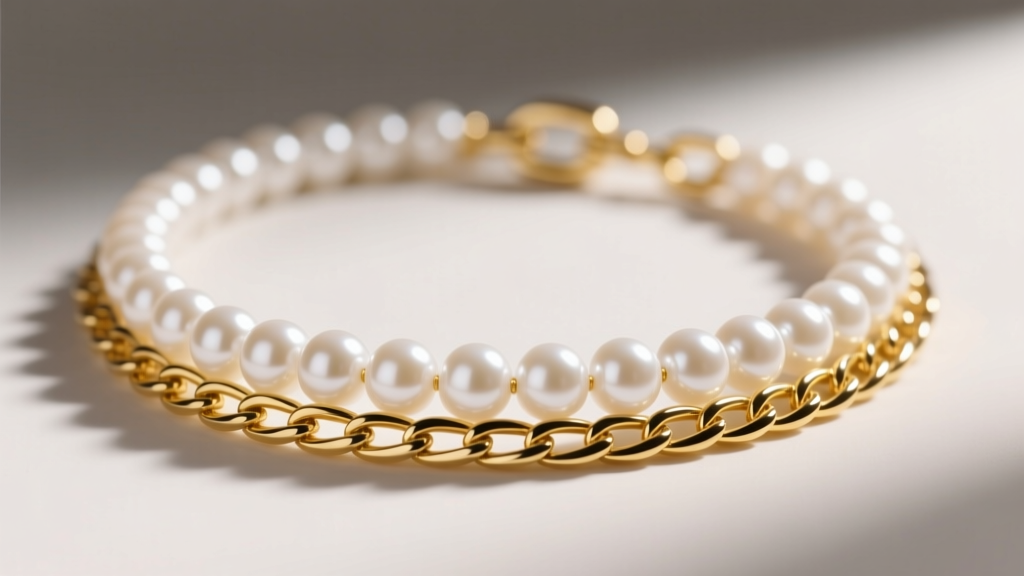
The 2026 Renaissance of the Rice Bead
The rice bead necklace has officially transcended its Y2K nostalgia roots, evolving into a cornerstone of modern, high-fashion layering in 2026. No longer confined to uniform plastic or basic glass strands, today's rice bead silhouettes are defined by organic asymmetry, premium semi-precious gemstones, and meticulous hardware upgrades. As the jewelry market shifts toward 'quiet luxury' with a subtle bohemian undercurrent, the elongated, irregular shape of the rice bead offers a perfect textural contrast to standard metal chains.
For stylists and collectors, understanding the nuances of this trend requires looking past the basic silhouette. The modern rice bead necklace is an exercise in material science and structural engineering. From the specific millimeter sizing that dictates a piece's visual weight to the stringing methods that determine its lifespan, mastering this trend means understanding the anatomy of the bead itself.
Material Science: Beyond the Basic Pearl
Historically, the 'rice pearl' was a misnomer. Most pearls sold under this label were actually low-grade potato pearls that had been mechanically tumbled or carved into elongated shapes, often sacrificing nacre integrity for uniformity. In 2026, the market has decisively pivoted away from these manufactured shapes, favoring two distinct material categories:
- True Baroque Freshwater Pearls: Rather than carved stones, top-tier designers are utilizing naturally occurring, elongated baroque freshwater pearls. According to the Gemological Institute of America (GIA), the value of these pearls lies in their luster and nacre thickness, which are preserved when the stone is left in its natural, un-tumbled state. These beads exhibit a distinctive 'orient'—a shimmering, iridescent play of colors that tumbled beads lack.
- Semi-Precious Gemstone Rice Cuts: The most significant trend for 2026 is the translation of the rice silhouette into opaque and translucent gemstones. Natural jade, lapis lazuli, turquoise, and matte onyx are being cut into irregular 4mm to 6mm rice shapes. These stones offer a heavier, more grounded drape than pearls and introduce rich, earthy color palettes to the layering ecosystem.
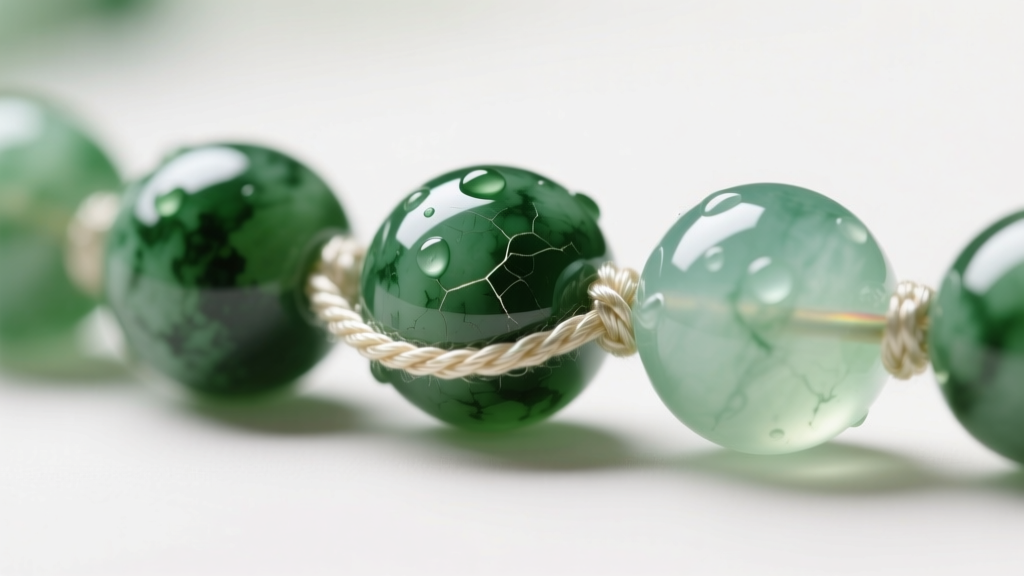
The Millimeter Matrix: Sizing Guide
The diameter and length of a rice bead fundamentally alter how the necklace interacts with the collarbone and surrounding layers. Unlike perfectly spherical beads, the elongated nature of rice beads means a 4mm width can still carry substantial visual weight if the beads are 8mm long. Below is the definitive sizing framework for 2026 styling.
| Bead Width (mm) | Visual Weight | Ideal Length | Best Styling Application |
|---|---|---|---|
| 2mm - 3mm | Delicate / Fine | 15" - 16" (Choker) | Base layer for multi-strand stacks; pairs seamlessly with micro-pendants. |
| 4mm - 5mm | Medium / Standard | 18" - 20" (Princess) | The versatile workhorse; ideal for standalone wear or bridging the gap between a choker and a matinee chain. |
| 6mm - 8mm | Heavy / Statement | 22" - 24" (Matinee) | Outer layering piece; requires robust hardware and acts as the focal point of an outfit. |
Structural Integrity: Stringing and Hardware
The most common failure point in any beaded necklace is the stringing material. The 2026 standard for premium rice bead necklaces strictly forbids the use of elastic cords (like Stretch Magic), which degrade rapidly when exposed to skin oils, UV light, and the friction of irregular bead holes. Elastic failure typically occurs within 6 to 12 months of regular wear, leading to catastrophic strand breakage.
Instead, expert jewelers and high-end brands are utilizing two superior methods:
The Silk Knotting Method: Using Griffin No. 2 or No. 3 natural silk thread, each bead is individually knotted. This prevents bead-on-bead friction (crucial for softer stones like turquoise and pearls) and ensures that if the strand breaks, only one bead is lost. The ends are finished with French wire (gimp) to protect the silk from the metal clasp.
Nylon-Coated Stainless Steel Wire: For heavier gemstone rice beads (6mm+), a 49-strand nylon-coated stainless steel wire (such as Soft Flex .019") is the industry standard. It offers the drape of silk with the tensile strength of steel, finished with 2x2mm sterling silver crimp beads and a wire protector.

Furthermore, the hardware itself has seen an upgrade. The traditional spring ring clasp is being replaced by 14k gold-filled or solid gold lobster clasps with soldered jump rings. Soldered rings prevent the accidental unspooling of the necklace, a necessary precaution when investing in premium gemstone strands.
Advanced Layering Frameworks
Styling a rice bead necklace in 2026 requires moving beyond simple length differentiation. The most sophisticated layering techniques rely on contrasting textures and metallic accents. We recommend the 'Anchor and Orbit' framework:
- The Anchor (15" - 16"): Start with a 3mm white or peach freshwater pearl rice bead choker. This sits tight to the neck and provides a bright, reflective base.
- The Orbit (18" - 19"): Introduce a 1.5mm 14k yellow gold cable chain or a 2.5mm hollow figaro chain. The metallic sheen contrasts with the organic, matte, or semi-lustrous finish of the rice beads.
- The Satellite (22" - 24"): Finish with a heavier, 6mm gemstone rice bead necklace (like lapis lazuli or jade) or a dedicated pendant necklace featuring a single, large baroque pearl. This draws the eye downward and elongates the neckline.
When executing this framework, ensure that the color temperature of your metal chains matches the clasp hardware on your beaded strands. Mixing gold-filled clasps with sterling silver chains disrupts the visual cohesion of the stack.
Market Pricing and Investment Tiers
As the rice bead necklace has matured, the market has stratified into distinct pricing tiers based on material provenance and construction methods. Understanding these tiers helps consumers identify true value versus inflated brand markups.
- Entry-Level ($25 - $60): Features genuine freshwater pearls (often tumbled) or dyed howlite/glass. Strung on basic nylon wire with plated brass hardware. Ideal for trend-testing but lacks long-term durability.
- Mid-Tier Artisan ($80 - $180): The sweet spot for quality. Features naturally shaped baroque pearls or genuine semi-precious stones (jade, agate). Strung on 49-strand coated steel wire with gold-filled or sterling silver lobster clasps. Often hand-knotted by independent jewelers.
- High-End Designer ($300 - $800+): Utilizes AAA-grade, un-tumbled baroque pearls with exceptional luster, or rare gemstone cuts. Features solid 14k or 18k gold hardware, silk knotting with French wire finishes, and bespoke clasp designs. These pieces are built for generational wear and hold intrinsic material value.
Ultimately, the 2026 rice bead necklace is a testament to the jewelry industry's broader shift toward organic textures and mindful construction. By prioritizing natural bead shapes, robust stringing methods, and intentional layering, this once-simple accessory has cemented its place as a sophisticated staple in the modern jewelry wardrobe.


