Robert Rose Necklace Deep Dive: Alloys, Plating & Care
An expert technical analysis of the Robert Rose necklace line, covering base metallurgy, plating thickness, stone settings, and care.

Introduction to Bridge Jewelry Manufacturing
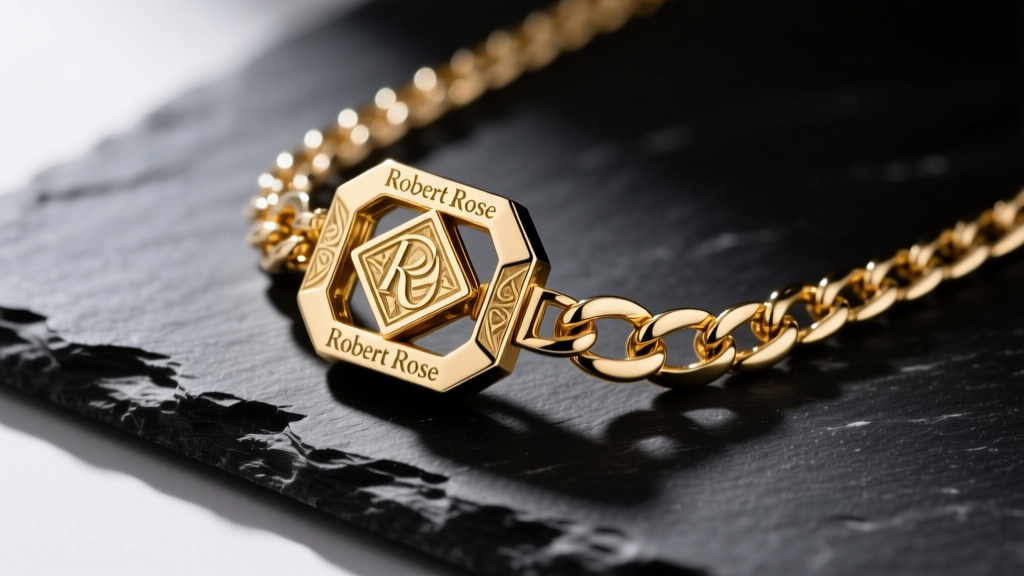
The modern jewelry market is heavily segmented into fine jewelry and mass-produced fashion accessories. However, the Robert Rose necklace occupies a highly specific niche known as "bridge jewelry"—pieces that utilize fashion-forward designs but incorporate semi-fine manufacturing techniques to extend longevity. As of 2026, consumers and collectors alike are demanding greater transparency regarding the metallurgical composition and surface engineering of their accessories. This expert deep dive bypasses marketing rhetoric to examine the actual material science, structural mechanics, and chemical vulnerabilities inherent in these specific necklace designs.
Understanding the technical specifications of a Robert Rose necklace requires a granular look at base alloys, electroplating thickness, stone-setting mechanics, and the tensile limits of mass-produced chain links. By analyzing these components, we can establish accurate expectations for wearability, tarnish resistance, and long-term structural integrity.
Metallurgical Breakdown: Base Alloys and Substrates
The structural foundation of any plated necklace dictates its weight, drape, and susceptibility to stress fractures. In the production of Robert Rose pendants and chain hardware, manufacturers typically rely on two distinct base metals, each chosen for specific physical properties:
Zamak (Zinc-Aluminum-Magnesium-Copper)
For intricate, three-dimensional pendant casts, Zamak is the industry standard. This alloy boasts a relatively low melting point (approximately 385°C) and exceptional fluidity, allowing it to capture microscopic details in silicone molds. However, Zamak is inherently brittle. While it excels in compressive strength, it has poor tensile strength. If a heavy Zamak pendant is subjected to a sudden lateral shock—such as being snagged on clothing—it is prone to snapping at the bail (the loop connecting the pendant to the chain).
Jeweler's Brass and 316L Stainless Steel
Conversely, the chain links and structural clasps require high ductility and tensile strength. Drawn wire, typically composed of jeweler's brass (a copper-zinc alloy) or 316L surgical stainless steel, is used for these components. Brass provides an excellent, smooth substrate for electroplating, while 316L stainless steel offers superior resistance to deformation. A high-quality Robert Rose necklace will often pair a Zamak cast pendant with a brass or stainless steel cable chain to optimize both aesthetic detail and structural durability.
"The longevity of plated fashion jewelry is rarely determined by the surface metal; it is almost entirely dictated by the porosity and structural stability of the base alloy substrate." — Journal of Materials Engineering and Performance
Surface Engineering: Plating Thickness and PVD Coatings
The visual appeal of a gold or silver-toned necklace relies entirely on its surface treatment. The FTC Jewelry Guides strictly regulate the terminology used for plated metals, and understanding these thresholds is critical for evaluating bridge jewelry.
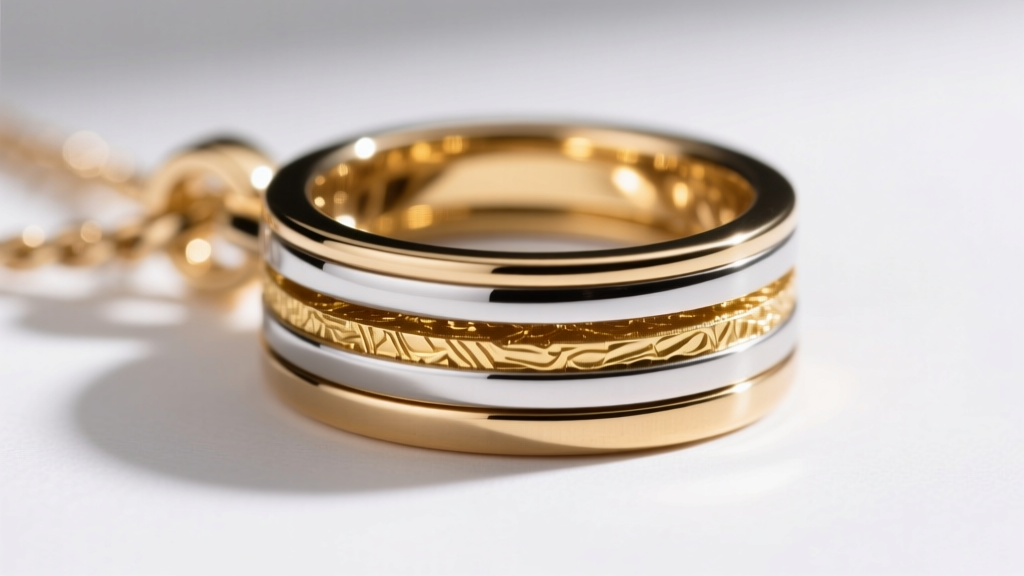
Standard "flash plating" typically deposits a mere 0.1 to 0.5 microns of gold or silver. This ultra-thin layer is highly porous and will wear through to the base metal within months of daily friction. In contrast, premium bridge jewelry lines utilize heavy gold electroplating, which the FTC defines as a minimum of 2.5 microns of gold deposited via an electrical current. Furthermore, modern 2026 manufacturing frequently employs an e-coating (electrophoretic coating) process. This involves submerging the plated necklace in a nano-ceramic or acrylic resin bath and applying a voltage, which forces a microscopic, invisible sealant into the pores of the metal. This e-coating drastically slows the oxidation process and prevents the underlying brass or Zamak from reacting with atmospheric sulfur.
| Plating Specification | Thickness (Microns) | Expected Lifespan (Daily Wear) | Tarnish Resistance |
|---|---|---|---|
| Flash Plating | 0.1 - 0.5 µm | 3 - 6 Months | Poor (Requires constant polishing) |
| Standard Electroplate | 0.5 - 1.0 µm | 1 - 2 Years | Moderate (With e-coating) |
| Heavy Electroplate (Vermeil) | 2.5+ µm | 3 - 5+ Years | High (Especially over Sterling Silver) |
| PVD (Titanium Nitride) | 0.3 - 1.0 µm | 5 - 10+ Years | Exceptional (Chemically inert) |
Stone Setting Mechanics: Prong vs. Adhesive
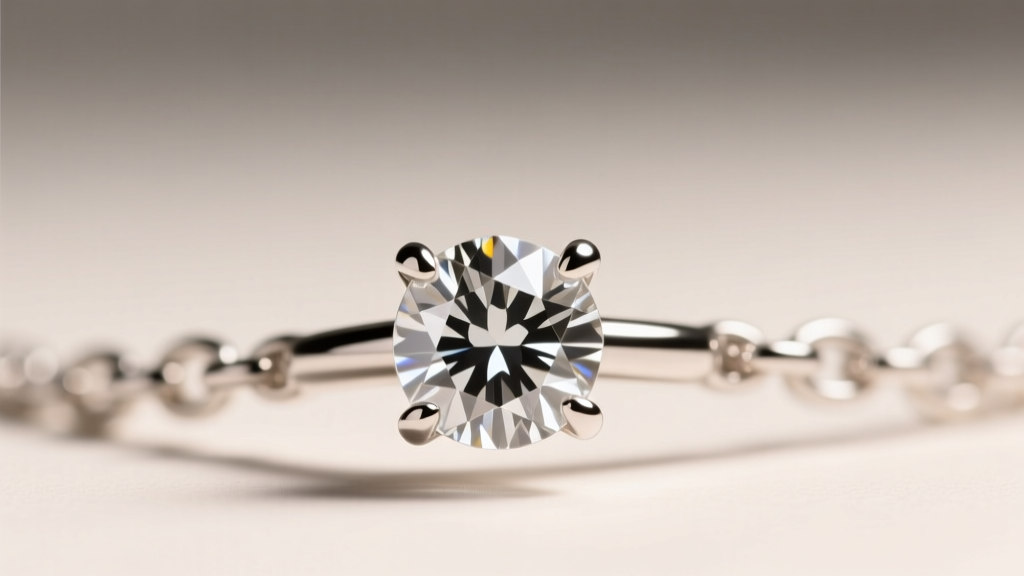
When evaluating the cubic zirconia (CZ) or crystal accents on a Robert Rose necklace, the setting mechanism is a primary indicator of manufacturing quality. According to the Gemological Institute of America (GIA), cubic zirconia is a durable material (8-8.5 on the Mohs scale), but how it is secured to the metal dictates the necklace's lifespan.
Cast-in-Place (CIP) vs. Post-Cast Prongs
In mass production, stones are often "cast in place," meaning the CZ is set into the wax mold before the molten Zamak or brass is poured. While efficient, the thermal shock can occasionally cause microscopic fissures in lower-grade stones. Post-cast prong setting, where the metal prongs are manually pushed over the stone's girdle after casting, offers superior security. If you examine the prongs under a 10x jeweler's loupe, smooth, evenly filed prongs indicate manual post-cast setting, whereas rough, asymmetrical prongs suggest automated or cast-in-place methods.
The Failure Modes of Epoxy Adhesives
Lower-tier bridge jewelry often relies on cyanoacrylate or two-part epoxy resins to glue stones into bezel settings. The primary failure mode for adhesive settings is UV degradation and thermal expansion. The coefficient of thermal expansion for metal is vastly different from that of epoxy resin; repeated exposure to hot water (like showering) or direct sunlight will cause the adhesive to become brittle and fail, resulting in lost stones.
Chain Link Tensile Strength and Clasp Mechanics
The chain is the most vulnerable point of mechanical failure on any necklace. A standard 18-inch cable chain consists of hundreds of individual soldered or unsoldered links.
- Rolo Chains: Featuring uniform, round links, rolo chains distribute tensile stress evenly across the entire circumference of the wire. They are highly resistant to snapping under vertical weight.
- Cable Chains: Alternating oval links are more prone to lateral deformation. If caught on a garment, the unsoldered links can easily pull apart.
- Box Chains: Composed of square, interlocking links, box chains offer excellent drape but are notorious for kinking. Once a box chain kinks, the structural integrity of that specific link is permanently compromised.
The lobster clasp is the standard closure for these necklaces. A critical technical detail often overlooked is the internal spring mechanism. While the exterior shell of the clasp may be cast brass and plated in gold, the internal spring must be manufactured from stainless steel. If a manufacturer uses a plated carbon steel spring, it will inevitably rust from the inside out when exposed to ambient humidity, causing the clasp to seize or snap open unexpectedly.
Maintenance Protocols for Plated Fashion Jewelry
To maximize the lifespan of the electroplated layers and e-coatings on your necklace, strict chemical avoidance is necessary. Ultrasonic cleaners, which use high-frequency sound waves to cavitate liquid, will strip e-coatings and loosen adhesive stone settings in seconds.
Instead, utilize a non-chemical cleaning protocol: use a microfiber cloth dampened with distilled water and a single drop of pH-neutral dish soap. Gently agitate the surface to remove sebum and cosmetic residues, which are highly acidic and will slowly etch through micron-level gold plating over time. Rinse with distilled water (avoiding tap water, which contains chlorine and fluoride) and dry immediately with a lint-free textile. Store the necklace in an anti-tarnish pouch containing activated charcoal or silver-strip paper to absorb ambient sulfur compounds.


